

Genealogy research offers a fascinating way for seniors to connect with their past. Understanding where you come from can be incredibly rewarding. It is a journey of discovery that brings history to life.
For elderly individuals, this pursuit can be especially enriching. Senior genealogy research opens doors to untold stories. It uncovers the lives of ancestors, and creates a tangible link to previous generations.
This guide provides a comprehensive overview of how seniors can embark on their own family history projects. We’ll explore the benefits, how to get started, the best online resources, and tips for preserving your findings. Let’s begin this exciting adventure into the past.
Benefits of Genealogy Research for Seniors
Engaging in family history research offers numerous cognitive benefits. Senior genealogy research can improve memory. It also sharpens focus, and enhances problem-solving skills.
The process of tracing ancestry often involves piecing together fragmented information. This challenges the mind in stimulating and beneficial ways. It’s a fantastic mental workout for elderly individuals.
Beyond the cognitive advantages, ancestry research seniors can foster a sense of connection. Discovering relatives from long ago creates a feeling of belonging. It provides a deeper understanding of their place in the world.
Many seniors find that exploring their family’s past brings them closer to living relatives as well. Sharing stories and discoveries strengthens bonds. It creates new avenues for conversation and connection.
Genealogy can provide a sense of purpose and accomplishment. The feeling of solving a historical puzzle is very satisfying. It is a rewarding way to spend time.
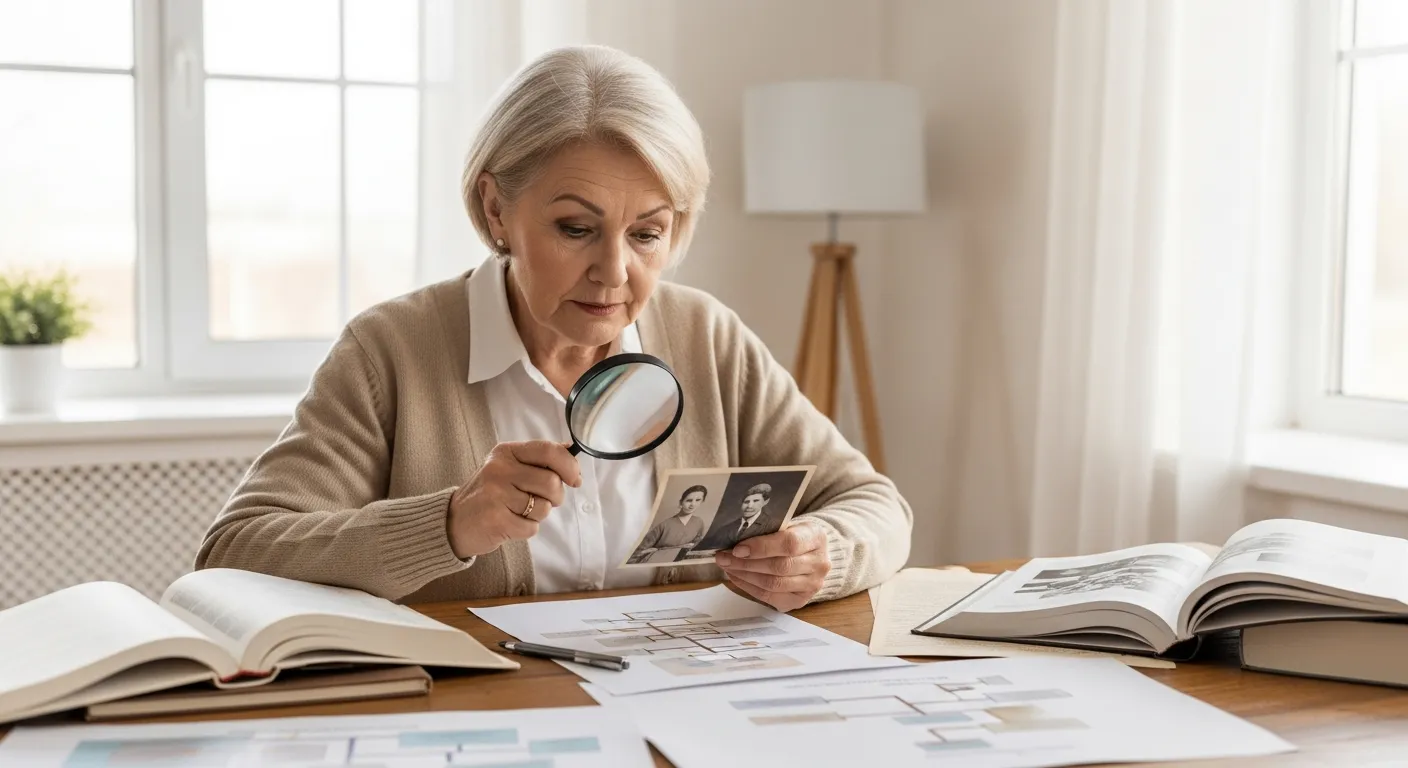
It can also be a great way to combat loneliness. Connecting with other researchers and family members creates a supportive community. This can be especially important for seniors who may be isolated.
Furthermore, researching your family history can be a fun and engaging hobby. It offers a welcome distraction from everyday concerns. It provides a sense of adventure.
The act of uncovering hidden stories and forgotten lives can be incredibly inspiring. It reminds us of the resilience and strength of our ancestors. It can also offer valuable life lessons.
Genealogy research can also improve overall well-being. The mental stimulation and social interaction can help seniors stay active and engaged. This contributes to a higher quality of life.
It’s a journey of self-discovery, not just about the past, but also about the present. Understanding your family’s history can provide insights into your own personality and traits. It helps explain who you are.
The benefits extend beyond the individual as well. Sharing your research with younger generations can inspire them to learn about their heritage. It fosters a sense of family pride.
Finally, genealogy research is a legacy project. It’s a way to leave a lasting mark on the world. It provides future generations with a valuable resource to learn about their family’s past.
Getting Started with Genealogy Research
The first step in senior genealogy research is to gather what you already know. Start by collecting any existing family documents. This includes birth certificates, marriage licenses, and death records.
Look for old letters, diaries, and photographs as well. These often contain valuable clues about your family’s history. Don’t overlook family bibles, which may record births, deaths, and marriages.
Next, create a basic family tree. Start with yourself, your parents, and your grandparents. Fill in as much information as you can, including names, dates, and places.
This initial family tree will serve as the foundation for your research. It provides a roadmap for where to focus your efforts. It also helps you identify gaps in your knowledge.
Consider creating a timeline of key events in your family’s history. This can help you visualize the relationships between different generations. It can also highlight areas where further research is needed.
Talk to your older relatives and ask them to share their memories and stories. These oral histories can provide valuable insights into your family’s past. They often contain details that are not recorded in official documents.
Don’t be afraid to start small. Focus on one branch of your family tree at a time. This can make the research process more manageable. It also allows you to delve deeper into specific areas of interest.
Be patient and persistent. Genealogy research can take time. There will be times when you encounter dead ends. Don’t give up easily.
Keep detailed notes of your research process. This will help you keep track of your sources. It also allows you to retrace your steps if you need to verify information.
Join a local genealogical society. This is a great way to connect with other researchers. You can also learn about resources and techniques.
Take advantage of free online resources. Many websites offer access to census records, vital records, and other genealogical information. These can be a valuable starting point for your research.
Consider taking a genealogy class or workshop. This can help you learn the basics of genealogical research. It can also teach you advanced techniques.
Remember to enjoy the process. Genealogy research should be a fun and rewarding experience. Don’t put too much pressure on yourself to find all the answers. Just enjoy the journey of discovery.
Finally, be prepared to be surprised. You may uncover unexpected stories and secrets about your family’s past. These can be both fascinating and challenging.
Using Online Genealogy Resources
The internet has revolutionized family history research. Genealogy websites for the elderly provide access to vast databases. This includes records, and tools that were previously unavailable.
These online resources can significantly speed up your research. They also help you connect with other researchers. This expands the scope of your investigation.
| Resource | Description | Cost |
|---|---|---|
| Ancestry.com | Extensive collection of records, family trees, and DNA testing services. | Subscription-based |
| FamilySearch.org | Free website run by The Church of Jesus Christ of Latter-day Saints, offering access to billions of records. | Free |
| MyHeritage.com | Offers record collections, DNA testing, and tools for building and managing family trees. | Subscription-based |
| FindAGrave.com | Database of cemetery records and grave locations. | Free |
When using these genealogy websites for the elderly, be sure to evaluate the accuracy of the information. Cross-reference data with multiple sources to ensure reliability. This helps you avoid perpetuating errors in your family tree.
Take advantage of the search filters available on these websites. These filters allow you to narrow down your search results. They can also help you find specific records more quickly.
Be aware of the different types of records that are available online. These might include census records, birth records, marriage records, death records, and immigration records. Each type of record can provide valuable information about your ancestors.
Consider using online forums and message boards to connect with other genealogists. These forums can be a great place to ask questions. You can also share your research findings, and get help with difficult research problems.
Learn how to use wildcard searches. This can help you find records even if you don’t know the exact spelling of a name. It can also help you find variations of a name.
Be careful about accepting information from other people’s family trees without verifying it. While these trees can be a valuable resource, they may contain errors. Always check the sources and confirm the information yourself.
Explore the online resources offered by libraries and archives. Many libraries and archives have digitized their collections. They offer online access to historical documents and photographs.
Consider using DNA testing to supplement your traditional genealogical research. DNA testing can help you identify distant relatives. It can also provide clues about your ancestors’ origins.
Be aware of the privacy settings on genealogy websites. Control who can view your family tree and personal information. Protect your privacy and the privacy of your living relatives.
Take advantage of the educational resources offered by genealogy websites. Many websites have tutorials, webinars, and other learning materials. These can help you improve your research skills.
Remember to cite your sources when using online resources. This helps you keep track of where you found your information. It also allows others to verify your findings.
Visiting Archives and Libraries
While online resources are invaluable, don’t overlook the importance of visiting physical archives and libraries. These institutions often hold unique records. This includes documents that are not available online.
Local historical societies and genealogical societies can also be great resources. They may have collections specific to your region. They also offer expertise and guidance.
When visiting archives and libraries, be prepared to spend time reviewing documents. Take detailed notes and make copies of anything relevant to your research. Remember to handle materials with care.
Many archives and libraries have staff who can assist you with your research. Don’t hesitate to ask for help locating specific records. They may have suggestions for other resources you should explore.
Before visiting an archive or library, check their website for hours of operation. Also check for any restrictions on access to certain materials. It’s best to be prepared.
Consider contacting the archive or library in advance to schedule an appointment. This will ensure that staff are available to assist you. It also guarantees that the materials you need will be accessible.
When you arrive at the archive or library, be sure to sign in and follow their rules and regulations. These rules are in place to protect the materials and ensure a pleasant experience for all researchers.
Bring a notebook and pen to take detailed notes. You may also want to bring a camera to take photographs of documents. Be sure to ask permission before taking photographs.
Handle the documents with care. Wear gloves if required. Avoid writing on or marking the documents in any way. These are often irreplaceable.
Be respectful of the staff and other researchers. Keep your voice down and avoid making noise. Maintain a quiet and focused environment.
Take breaks as needed. Researching in archives and libraries can be tiring. Step away from the materials periodically to rest your eyes and clear your head.
Don’t be afraid to ask for help. The staff at archives and libraries are there to assist you. They can help you locate specific records. They can also answer your questions about the collection.
Remember to cite your sources when using information from archives and libraries. This helps you keep track of where you found your information. It also allows others to verify your findings.
Finally, be patient. Researching in archives and libraries can take time. Don’t get discouraged if you don’t find what you’re looking for right away. Keep searching and you may eventually uncover the information you need.
Interviewing Family Members
One of the most rewarding aspects of family history research is talking to relatives. Family members can provide firsthand accounts and stories. These offer valuable insights into your family’s past.
Prepare a list of questions to ask. Focus on gathering information about ancestors, family traditions, and significant events. Be respectful of their time and memories.
- Prepare open-ended questions
- Actively listen and take notes
- Ask for photos and documents
- Clarify details and dates
- Respect their memories and feelings
Consider recording the interviews, either with audio or video. This preserves their stories for future generations. It also allows you to review the information later.
Start by interviewing the oldest members of your family. They are likely to have the most memories and stories to share. Their recollections can be invaluable.
Ask about family traditions and customs. These traditions can provide insights into your family’s values and beliefs. They also add richness and color to your family history.
Inquire about significant events in your family’s past. These events might include immigrations, wars, or economic hardships. These events shaped your family’s history.
Ask about the personalities and characteristics of your ancestors. These details can bring your ancestors to life. It helps you understand them as individuals.
Be prepared to hear stories that may be difficult or uncomfortable. Not all family histories are perfect. It’s important to approach these stories with sensitivity and understanding.
If possible, interview multiple family members about the same events. This can help you get a more complete and accurate picture of what happened. It also allows you to compare different perspectives.
Share your research findings with your family members. This can spark new memories and stories. It also helps them feel involved in the research process.
Be patient and understanding. Some family members may be reluctant to share their memories. Respect their wishes and don’t pressure them to talk about things they don’t want to discuss.
Remember to thank your family members for their time and contributions. Their stories are a valuable gift. This helps preserve your family’s history.
Finally, be sure to document the interviews carefully. Include the date, time, and location of the interview. Also include the names of the interviewer and interviewee. This ensures that the information is properly recorded.
Documenting Your Senior Genealogy Research
As you gather information, it’s essential to keep detailed records of your sources. This helps you track where you found each piece of information. It also allows you to verify the accuracy of your research.
Create a system for organizing your documents, notes, and photographs. This might involve using a digital filing system. It could also mean using physical folders and binders.
Consider using genealogy software to manage your family tree and research data. These programs allow you to easily enter information, create reports, and share your findings with others. Several options are available.
Popular choices include Ancestry, Family Tree Maker, and RootsMagic. These programs offer a range of features to help you organize and analyze your research. They will also help you share your findings.
Develop a consistent citation style. This will ensure that you properly credit your sources. It also makes it easier for others to verify your research.
Create a research log to track your progress. This log should include the date, the source you consulted, and the information you found. This helps you stay organized.
Use a naming convention for your digital files. This will make it easier to find specific documents and photographs. Consistent naming is key.
Back up your digital files regularly. This will protect your research from being lost due to computer failure or other disasters. Data loss can be devastating.
Consider creating a timeline of key events in your family’s history. This can help you visualize the relationships between different generations. It can also highlight areas where further research is needed.
Write summaries of your research findings. This will help you synthesize the information you have gathered. It also helps you identify gaps in your knowledge.
Use a consistent format for recording dates and places. This will help you avoid confusion and ensure accuracy. Consistency is important.
Consider creating a family history website or blog. This is a great way to share your research with others. It also allows you to collaborate with other genealogists.
Be sure to document any assumptions or conclusions you make. Explain why you believe these assumptions or conclusions are valid. Transparency is important.
Finally, remember to review and update your documentation regularly. As you gather new information, be sure to incorporate it into your existing records. This keeps your research current.
Preserving Your Research for Future Generations
Once you’ve compiled your family history, take steps to preserve it for future generations. This might involve creating a written narrative of your family’s story. It could also mean creating a digital archive of your documents and photographs.
Consider sharing your research with family members. This can be done through a family reunion, a shared online family tree, or a printed book. Make sure important stories are passed on.
You might also consider donating your research to a local historical society or archive. This ensures that your work will be accessible to other researchers in the future. It also protects the information from being lost.
Preserving your research is a lasting legacy. It provides future generations with a connection to their past. It also gives them a sense of identity and belonging.
Create a digital archive of your documents and photographs. Scan old photographs and documents. Store them in a safe and accessible location.
Write a narrative of your family’s story. This narrative should include the key events in your family’s history. It should also include stories about your ancestors’ lives.
Create a family history book. This book can include photographs, documents, and stories about your family. It can be a valuable keepsake for future generations.
Share your research online. Create a family history website or blog. Share your findings with others. This helps preserve your research for future generations.
Donate your research to a local historical society or archive. This ensures that your work will be accessible to other researchers. It also protects the information from being lost.
Teach your children and grandchildren about your family history. Share your stories with them. Inspire them to learn about their heritage.
Create a family history scrapbook. This scrapbook can include photographs, documents, and other mementos. It can be a fun and engaging way to preserve your family’s history.
Record oral histories with your family members. Capture their stories and memories for future generations. These stories are invaluable.
Create a family tree chart. Display this chart in your home. This will serve as a visual reminder of your family’s history.
Finally, be sure to update your research regularly. As you gather new information, be sure to add it to your existing records. This keeps your research current and accurate.
Tips for Overcoming Challenges in Senior Genealogy Research
Genealogy research can sometimes be challenging. Records may be incomplete, inaccurate, or difficult to access. Don’t get discouraged by these obstacles.
Be persistent and creative in your search. Try different search terms and explore alternative sources. Consider consulting with experienced genealogists for guidance.
If you encounter a brick wall in your research, take a break and come back to it later. Sometimes a fresh perspective can help you find new leads. It can also help you uncover hidden clues.
Remember that family history research is a marathon, not a sprint. Enjoy the process of discovery. Celebrate your successes along the way. This will keep you motivated.
Consider focusing on one specific ancestor or family line at a time. This can make the research process more manageable. It also allows you to delve deeper into specific areas of interest.
Be aware of common errors in genealogical records. These errors can include misspellings, incorrect dates, and inaccurate information. Always verify information from multiple sources.
Learn about the historical context of your ancestors’ lives. This can help you understand the challenges they faced. It also provides insights into their motivations and decisions.
Take advantage of online genealogy forums and message boards. These forums can be a great place to ask questions. You can also share your research findings, and get help with difficult research problems.
Consider hiring a professional genealogist. A professional genealogist can help you overcome difficult research challenges. They also provide expert guidance and assistance.
Be patient and persistent. Genealogy research can take time. There will be times when you encounter dead ends. Don’t give up easily.
Remember to celebrate your successes along the way. Each new discovery is a reason to celebrate. It keeps you motivated and engaged.
Don’t be afraid to ask for help. There are many resources available to assist you with your genealogy research. Take advantage of these resources.
Be sure to document your research carefully. This will help you keep track of your sources. It also allows you to retrace your steps if you need to verify information.
Finally, remember to enjoy the process. Genealogy research should be a fun and rewarding experience. Don’t put too much pressure on yourself to find all the answers. Just enjoy the journey of discovery.
The Ethical Considerations of Genealogy Research
As you conduct your family history research, it’s important to be mindful of ethical considerations. Respect the privacy of living individuals. Obtain their consent before sharing sensitive information.
Be honest and accurate in your research. Avoid making assumptions or fabricating information to fill gaps in your knowledge. Always cite your sources and give credit where it is due.
Be sensitive to the potential impact of your research on family members. Some discoveries may be painful or unsettling. Handle these with care and compassion.
Remember that family history research is a personal journey. It is not a competition. Focus on uncovering the truth. Share your findings in a respectful and responsible manner.
Obtain consent before sharing information about living individuals. This includes photographs, birth dates, and other personal details. Respect their privacy.
Be careful about sharing sensitive information online. This information could be used for identity theft or other malicious purposes. Protect your family’s privacy.
Avoid making judgments about your ancestors’ lives. Remember that they lived in different times. They faced different challenges.
Be respectful of different cultures and traditions. Your ancestors may have come from different backgrounds. Appreciate their diversity.
Be honest about your research findings. Don’t try to hide or downplay information that is unflattering. Transparency is important.
Be willing to correct errors in your research. If you discover that you have made a mistake, correct it promptly. Accuracy is essential.
Be respectful of the rights of others. Don’t infringe on copyrights or trademarks. Give credit where it is due.
Be mindful of the potential impact of your research on family relationships. Some discoveries may be upsetting to family members. Handle these with care.
Remember that family history research is a journey of discovery. It is not a quest for perfection. Embrace the imperfections. Learn from the mistakes.
Finally, be sure to document your sources carefully. This will allow others to verify your research. It also helps you maintain accuracy and integrity.
Conclusion
Senior genealogy research offers a fulfilling and enriching experience. It provides a chance to connect with your past. It also gives you a deeper understanding of yourself and your place in the world.
By following the tips and resources outlined in this guide, you can embark on your own family history adventure. You can uncover the stories of your ancestors. You can also preserve your legacy for future generations.
So, gather your documents, explore online resources, and talk to your relatives. Start uncovering your roots today. You might be surprised by what you discover!
Enjoy the journey of discovery that awaits you. Happy researching, and may your family history be filled with fascinating stories and meaningful connections. Senior genealogy research is time well spent.
Remember that genealogy is more than just names and dates. It’s about the lives of the people who came before us. It’s about their struggles, their triumphs, and their legacies.
Take the time to reflect on the stories you uncover. Consider how these stories have shaped your own life. Appreciate the sacrifices and contributions of your ancestors.
Share your research with others. Inspire them to learn about their own family histories. Pass on the knowledge and traditions that you have discovered.
Don’t be afraid to ask for help. There are many resources available to assist you with your genealogy research. Take advantage of these resources.
Be patient and persistent. Genealogy research can take time. There will be times when you encounter dead ends. Don’t give up easily.
Remember to enjoy the process. Genealogy research should be a fun and rewarding experience. Don’t put too much pressure on yourself to find all the answers. Just enjoy the journey of discovery.
Your family history is a valuable treasure. Preserve it for future generations. Share it with the world. Senior genealogy research is a wonderful gift.
Start your journey today and unlock the secrets of your past. The adventure awaits. Embrace the challenge and discover the stories that make you who you are.