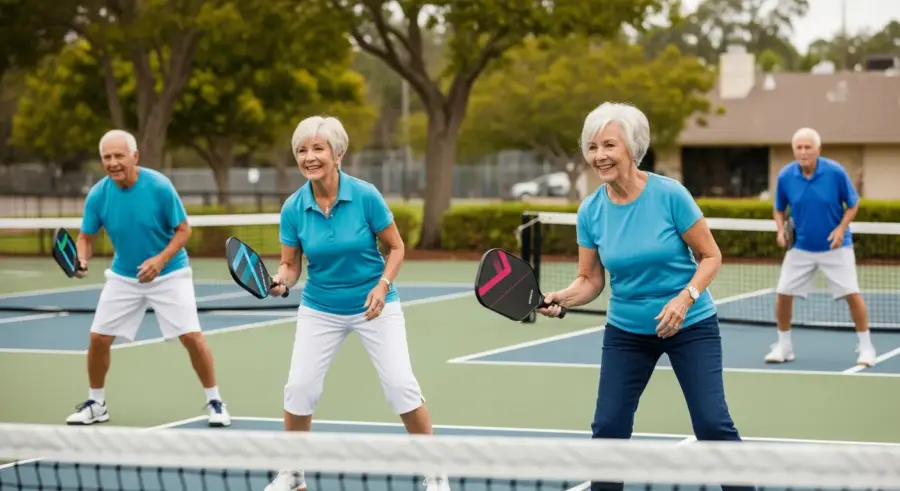
Pickleball, a sport that combines elements of tennis, badminton, and table tennis, is rapidly gaining popularity among seniors. It’s a fantastic way to stay active, enjoy the outdoors, and socialize with peers. But with so many options, where do you even begin to find senior pickleball groups?
This article will guide you through everything you need to know about joining senior pickleball groups. We’ll cover the health benefits, basic rules, necessary equipment, beginner strategies, how to find local groups, and essential safety tips, so you can start dinking and socializing in no time.
Whether you’re a seasoned athlete or new to racket sports, pickleball is an accessible and enjoyable activity. Get ready to discover the fun and community that awaits you on the pickleball court!
Health Benefits of Pickleball for Seniors
Pickleball offers a wide range of health benefits, making it an ideal activity for seniors looking to stay in shape. The sport provides a great cardiovascular workout, improving heart health and endurance. It’s a low-impact activity that’s easier on the joints than many other sports.
Playing pickleball helps improve balance and coordination, which is particularly important for seniors to prevent falls. The constant movement and quick reactions required in the game enhance reflexes and agility. This can lead to increased confidence and independence in daily activities.
Beyond the physical advantages, pickleball also offers significant mental health benefits. The social interaction involved in playing with others helps combat loneliness and isolation. The game provides a sense of community and belonging, which is essential for maintaining a positive outlook.
Pickleball can improve cognitive function by requiring players to strategize and react quickly. The mental engagement helps keep the mind sharp and can even delay the onset of cognitive decline. Many seniors find that the mental challenge of the game is just as rewarding as the physical exercise.
Regular physical activity, such as pickleball, can also help manage chronic conditions like diabetes and arthritis. The exercise helps improve blood sugar control and reduce joint pain. It’s a proactive way to maintain overall health and well-being.
Furthermore, pickleball can contribute to weight management by burning calories and building muscle. Maintaining a healthy weight is crucial for seniors to reduce the risk of various health problems. It can also improve mobility and energy levels.
The low-impact nature of pickleball makes it suitable for seniors with varying levels of fitness. It can be easily adapted to accommodate individual needs and abilities. This makes it an inclusive activity that everyone can enjoy.
Pickleball can also improve sleep quality by promoting relaxation and reducing stress. Regular exercise helps regulate sleep patterns and can lead to more restful nights. Getting enough sleep is essential for maintaining physical and mental health.
The combination of physical and mental stimulation offered by pickleball makes it a truly holistic activity for seniors. It addresses both the body and the mind, promoting overall well-being. It’s a fun and engaging way to stay healthy and active.
Understanding the Rules of Pickleball
Pickleball has a unique set of rules, but they are relatively easy to learn. The game is typically played on a badminton-sized court with a net similar to a tennis net, but slightly lower. Players use solid paddles to hit a perforated plastic ball, similar to a wiffle ball, over the net.
One of the most important rules to understand is the “double-bounce rule.” After the serve, each team must let the ball bounce once before volleying it in the air. This rule encourages longer rallies and prevents players from dominating at the net right away.
Another key area is the “non-volley zone,” also known as the “kitchen,” which is a seven-foot area on either side of the net. Players cannot volley the ball while standing in the kitchen. This prevents players from smashing the ball down from close range.
Scoring in pickleball is simple: a team can only score points when they are serving. Games are typically played to 11 points, and a team must win by at least two points. Understanding these basic rules will help you get started and enjoy the game more fully.
The serve must be underhand and made from behind the baseline. The server must hit the ball in the air without bouncing it first. The serve must clear the non-volley zone and land in the diagonally opposite service box.
Faults occur when the ball is hit out of bounds, does not clear the net, is volleyed in the non-volley zone, or bounces more than once on a side. Understanding faults is crucial to avoiding penalties and keeping the game flowing smoothly. Pay close attention to these rules during play.
In doubles play, the serving team must let the ball bounce once before either player can volley it. After the initial two bounces, either player can volley the ball. This adds another layer of strategy to the game.
It’s also important to understand the rules regarding line calls. If a ball lands on the line, it is considered in. Players are responsible for making accurate line calls on their side of the court. When in doubt, it’s generally considered polite to give the benefit of the doubt to your opponent.
Familiarizing yourself with these rules before you start playing will make the game more enjoyable and less confusing. There are many online resources and videos that can help you learn the rules in more detail. Don’t be afraid to ask experienced players for clarification if you’re unsure about something.
Essential Pickleball Equipment
Having the right equipment can enhance your pickleball experience and improve your performance. The most essential pieces of equipment are a paddle, a ball, and appropriate athletic shoes. Choosing the right gear can make a big difference in your comfort and enjoyment of the game.
Pickleball paddles come in various materials, including wood, graphite, and composite. Graphite paddles are lightweight and offer good control, while composite paddles provide a balance of power and control. Wooden paddles are the most affordable option but may be heavier and less durable.
| Equipment | Description | Benefits for Seniors |
|---|---|---|
| Paddle | Graphite or composite | Lightweight, good control, reduces strain |
| Ball | Perforated plastic | Durable, suitable for indoor/outdoor play |
| Shoes | Athletic shoes with good support | Prevents slips and falls, provides stability |
| Eye Protection | Sport-specific glasses | Protects eyes from stray balls |
| Knee/Elbow Supports | Braces or sleeves | Provides joint support, reduces pain |
Pickleball balls are typically made of plastic and have holes in them, similar to wiffle balls. They are designed to travel at a slower pace than tennis balls, making them easier to hit. There are different types of balls for indoor and outdoor play.
Athletic shoes with good lateral support are essential for preventing injuries. Look for shoes that provide cushioning and stability. Avoid wearing running shoes, as they may not offer enough support for the side-to-side movements required in pickleball.
Eye protection is also recommended, especially for beginners. Sport-specific glasses or goggles can protect your eyes from stray balls. This is particularly important when playing in crowded areas or with less experienced players.
Consider using knee or elbow supports if you have a history of joint pain or injuries. Braces or sleeves can provide additional support and reduce the risk of further injury. Consult with a healthcare professional to determine the best type of support for your needs.
Finally, don’t forget to wear comfortable clothing that allows for a full range of motion. Lightweight, breathable fabrics are ideal for staying cool and comfortable during play. Avoid wearing clothing that is too restrictive or bulky.
Basic Pickleball Strategies for Beginners
As a beginner, focusing on a few basic strategies can significantly improve your game. One of the most important strategies is to get to the non-volley zone line as quickly as possible. Controlling the net allows you to dictate the pace of the game and put pressure on your opponents.
Another key strategy is to develop a consistent and reliable serve. Aim to serve deep into the opponent’s court, making it difficult for them to return. Practice your serve regularly to improve accuracy and consistency.
Learn to dink, which involves hitting soft shots that land in the non-volley zone. Dinking forces your opponents to come to the net, creating opportunities for you to hit passing shots or force errors. Mastering the dink is essential for success in pickleball.
Communication with your partner is also crucial. Call out shots and coordinate your movements to cover the court effectively. Clear communication can prevent confusion and ensure that you and your partner are always on the same page.
Practice your third shot drop. This is the shot after the serve and return, and it’s crucial to get to the net. Aim to drop the ball softly into the kitchen, forcing your opponents to dink.
Avoid hitting the ball directly to your opponent’s forehand. Try to target their backhand, which is often weaker. This can give you an advantage in the rally.
Be patient and avoid trying to hit winners on every shot. Focus on keeping the ball in play and forcing your opponents to make errors. Consistency is key in pickleball.
Learn to anticipate your opponent’s shots. Pay attention to their body language and paddle position to predict where they are likely to hit the ball. This will give you more time to react and make a good shot.
Don’t be afraid to experiment with different strategies and techniques. Pickleball is a game of constant learning and adaptation. The more you play, the better you will become at reading your opponents and making strategic decisions.
Finding Local senior pickleball groups and Courts
Finding local pickleball groups and courts is easier than you might think. Many communities now offer pickleball programs through local recreation centers or senior centers. These programs often include organized play, lessons, and tournaments.
Online resources can also be helpful in locating pickleball groups and courts near you. Websites like USA Pickleball and Places2Play provide directories of pickleball locations and clubs. These resources allow you to search for courts by location and find contact information for local groups.
- Check local recreation centers
- Search online directories like USA Pickleball
- Join social media groups dedicated to pickleball
- Ask friends or neighbors if they know of any local groups
- Visit local parks and look for pickleball courts
Social media platforms like Facebook and Meetup are great places to find local pickleball groups. Many groups have their own Facebook pages or Meetup groups where they announce events and coordinate playtimes. Joining these groups can help you connect with other players in your area.
Don’t hesitate to reach out to local pickleball organizations or clubs for more information. They can often provide you with a list of local courts, groups, and instructors. They may also offer introductory clinics or workshops for beginners.
Consider attending local pickleball tournaments or events. These events are a great way to meet other players and learn more about the sport. They can also be a fun and competitive way to test your skills.
If you’re having trouble finding local groups or courts, try starting your own. Gather a few friends or neighbors who are interested in playing and start organizing regular playtimes. You can even post flyers or ads in your community to attract more players.
Check with your local YMCA or community center. These facilities often offer pickleball programs and have indoor courts available for play. They may also offer lessons or clinics for beginners.
Pickleball Safety Tips
Safety should always be a top priority when playing pickleball, especially for seniors. Warming up before playing is essential to prepare your muscles and joints for the activity. A proper warm-up can help prevent injuries such as strains and sprains.
Wearing appropriate athletic shoes with good support is crucial to prevent slips and falls. Make sure your shoes fit well and provide adequate cushioning. Avoid wearing shoes with worn-out soles or poor traction.
Staying hydrated is also important, particularly when playing outdoors in warm weather. Drink plenty of water before, during, and after playing to avoid dehydration. Consider bringing a water bottle with you to the court.
Listen to your body and take breaks when needed. Don’t push yourself too hard, especially when you’re first starting out. If you experience any pain or discomfort, stop playing and rest. It’s better to take a break than to risk injury.
Be aware of your surroundings and avoid running into other players or obstacles. Pay attention to where other players are on the court and communicate with them to avoid collisions. Make sure the court is free of debris and hazards.
Use proper technique when hitting the ball to avoid injuries. Avoid swinging too hard or using excessive force. Focus on using a smooth, controlled motion. If you’re unsure about proper technique, consider taking a lesson from a qualified instructor.
Cool down after playing to help your muscles recover. Stretching after exercise can help prevent soreness and stiffness. Hold each stretch for at least 30 seconds.
Consider wearing protective gear such as knee or elbow pads if you have a history of joint problems. These pads can provide additional support and cushioning. They can also help prevent injuries from falls or collisions.
If you have any underlying health conditions, consult with your doctor before starting to play pickleball. They can advise you on any precautions you need to take. They can also help you determine if pickleball is a safe and appropriate activity for you.
Pickleball Equipment Elderly Considerations
When selecting pickleball equipment for elderly players, prioritize comfort and ease of use. Lighter paddles can reduce strain on the wrist and elbow, making it easier to control the ball. Consider paddles with cushioned grips to minimize hand fatigue.
For balls, opt for those designed for slower play, as they provide more time to react. These balls are often slightly softer and have fewer holes, reducing their speed. This can be particularly beneficial for players with slower reflexes.
Supportive athletic shoes are even more critical for older adults to prevent slips and falls. Look for shoes with good arch support and non-slip soles. Consider shoes with wider toe boxes for added comfort.
Don’t hesitate to use assistive devices if needed. Knee braces, elbow supports, or even walking canes can provide additional stability and support. Consult with a healthcare professional or physical therapist for personalized recommendations.
Consider the weight and balance of the paddle carefully. A paddle that is too heavy or unbalanced can put unnecessary strain on the wrist and elbow. Look for paddles that are specifically designed for seniors or those with joint problems.
Choose balls that are easy to see. Brightly colored balls can be easier to track, especially for players with vision problems. Avoid using balls that are faded or discolored.
Look for shoes that are easy to put on and take off. Shoes with Velcro closures or elastic laces can be easier to manage than those with traditional laces. This can be especially helpful for players with limited mobility.
Consider using a paddle with a larger grip size. A larger grip can provide more comfort and control, especially for players with arthritis or other hand problems. Experiment with different grip sizes to find the one that works best for you.
Don’t be afraid to ask for help from experienced players or professionals when selecting equipment. They can provide valuable advice and recommendations. They can also help you find equipment that is specifically designed for your needs.
Adapting pickleball rules seniors
While the standard pickleball rules are generally suitable for seniors, some modifications can enhance safety and enjoyment. Allowing extra time between serves can accommodate players with mobility issues. This small adjustment can reduce the pressure to rush and prevent accidents.
Consider modifying the “kitchen” rule to allow limited entry for players who have difficulty moving quickly. This could involve allowing players to step into the kitchen to retrieve a ball, as long as they do not volley it. Such adjustments can make the game more accessible.
Playing doubles instead of singles can also reduce the physical demands of the game. Doubles allows players to cover less ground and rely on teamwork. This can make the game more sustainable and enjoyable for seniors.
Flexible game formats can also be beneficial. Shorter games or timed matches can prevent fatigue and allow players to participate without overexerting themselves. Be open to adjusting the rules and formats to meet the needs of all players.
Allow for more frequent breaks during play. This can give players a chance to rest and rehydrate. It can also help prevent fatigue and injuries.
Consider using a softer ball. A softer ball will travel slower and be easier to hit. This can be especially helpful for players with slower reflexes or limited mobility.
Modify the scoring system to make it easier to keep track of the score. For example, you could use a simpler scoring system or allow players to call out the score more frequently.
Be flexible with the court size. If players have difficulty covering the entire court, you could make the court smaller. This can make the game more manageable and enjoyable.
Most importantly, communicate with other players and be willing to adapt the rules to meet their needs. The goal is to make the game fun and accessible for everyone. By being flexible and accommodating, you can create a positive and inclusive environment for all players.
Social Benefits of Joining Senior Pickleball Groups
Joining senior pickleball groups offers numerous social benefits that extend beyond the court. These groups provide opportunities to connect with like-minded individuals who share a passion for the sport. This can lead to lasting friendships and a stronger sense of community.
Participating in group activities can combat feelings of loneliness and isolation, which are common among seniors. Regular social interaction can improve mental well-being and overall quality of life. It’s a chance to laugh, share stories, and support each other.
Pickleball groups often organize social events outside of the game, such as potlucks, picnics, and holiday gatherings. These events provide additional opportunities to socialize and build relationships. It’s not just about pickleball; it’s about creating a supportive social network.
The camaraderie and teamwork involved in pickleball can also boost self-esteem and confidence. Achieving goals together and supporting each other’s progress can be incredibly rewarding. Many seniors find that pickleball groups become an important part of their social lives.
Senior pickleball groups often provide a sense of purpose and belonging. This can be especially important for those who are retired or have experienced significant life changes. Being part of a group can help fill the void and provide a sense of connection.
The social interaction involved in pickleball can also improve cognitive function. Engaging in conversations and strategizing with other players can help keep the mind sharp. It’s a fun and engaging way to stay mentally active.
Pickleball groups can also provide opportunities for mentorship and support. Experienced players can offer guidance and encouragement to beginners. This can help new players feel more comfortable and confident.
The shared experience of playing pickleball can create strong bonds between players. Overcoming challenges together and celebrating successes can foster a sense of camaraderie. These shared experiences can lead to lasting friendships.
Ultimately, joining a senior pickleball group is a great way to stay active, socialize, and improve your overall quality of life. It’s a fun and rewarding activity that can bring joy and connection to your life. It’s an opportunity to be part of a community.
Conclusion
Pickleball is more than just a sport; it’s a fantastic way for seniors to stay active, improve their health, and build meaningful connections. By understanding the rules, choosing the right equipment, and following safety tips, you can enjoy all the benefits that pickleball has to offer.
Finding local senior pickleball groups is the first step towards a healthier and more socially connected lifestyle. So grab your paddle, find a court, and start dinking and socializing today!
Embrace the fun, the friendships, and the fitness that pickleball provides. It’s a game that can be enjoyed for years to come. Welcome to the pickleball community!