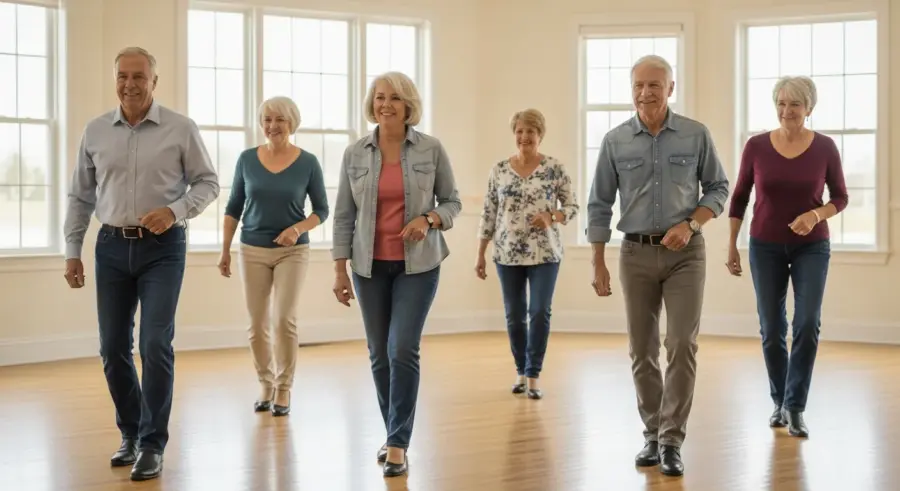
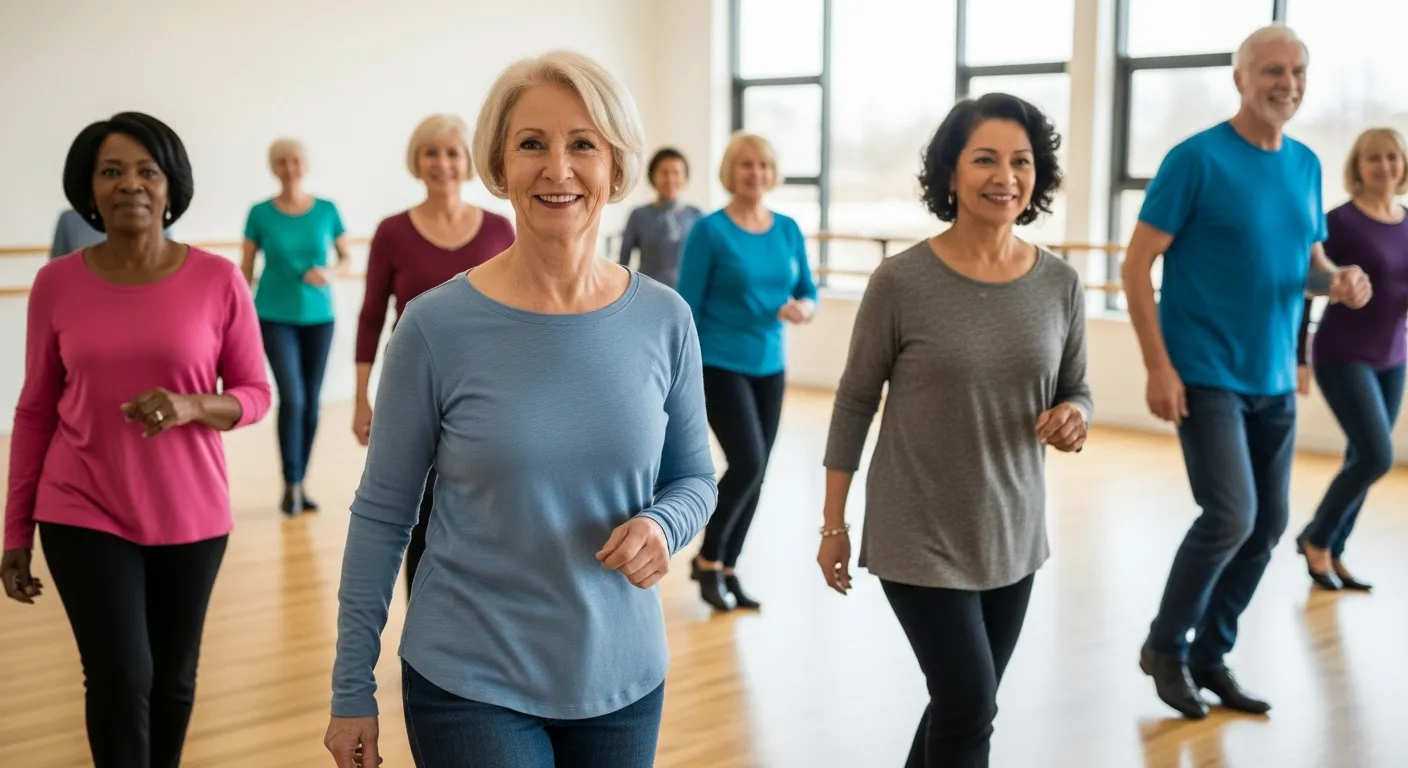
As we age, staying active and connected becomes even more important for overall well-being. Senior line dancing classes offer a fantastic way to combine physical exercise with social interaction, providing numerous benefits for both body and mind. Let’s step into the world of senior line dancing classes and discover how they can add rhythm and joy to your life.
Line dancing is a fun and accessible activity that doesn’t require a partner, making it perfect for seniors of all abilities. These classes provide a supportive environment where you can learn new skills, make friends, and stay in shape, all while enjoying some great music.
So, lace up your dancing shoes and get ready to explore the many advantages of senior line dancing classes. From improving cardiovascular health to boosting your mood, the benefits are truly remarkable.
Health Benefits of Line Dancing for Seniors
Line dancing is more than just a fun social activity; it’s also a great way to improve your physical health. Regular participation in senior line dancing classes can lead to significant improvements in cardiovascular health.
The continuous movement involved in line dancing helps to strengthen your heart and improve circulation. This can reduce the risk of heart disease and other related conditions, keeping you healthier and more energetic.
Line dancing is also an excellent way to improve your balance and coordination. The steps and movements require you to maintain your equilibrium and control your body.
This can be particularly beneficial for seniors, as it helps to reduce the risk of falls and injuries. By strengthening your muscles and improving your coordination, you’ll feel more stable and confident in your movements.
Beyond cardiovascular health and balance, line dancing contributes to increased bone density. Weight-bearing exercises like line dancing help combat osteoporosis.
The repetitive movements also enhance joint flexibility and reduce stiffness. This can ease the symptoms of arthritis and other joint-related conditions.
Furthermore, line dancing can improve your stamina and endurance. As you dance more regularly, you’ll find yourself becoming less easily fatigued.
This increased energy can translate into a more active and fulfilling lifestyle. You’ll have more energy to pursue hobbies and spend time with loved ones.
Basic Line Dancing Steps and Techniques
Getting started with senior line dancing classes is easier than you might think. Most classes begin with the basics, teaching you the fundamental steps and techniques you’ll need to enjoy the dances.
Some common easy line dance steps include the grapevine, the shuffle, and the kick ball change. These steps are relatively simple to learn and form the foundation for many line dances.
The grapevine involves stepping to the side, crossing one foot in front of the other, stepping to the side again, and then touching your feet together. The shuffle is a smooth gliding movement, while the kick ball change involves kicking one foot forward and then quickly shifting your weight back.
As you progress, you’ll learn more complex steps and patterns, but mastering these basic moves is a great starting point. Don’t be afraid to take it slow and practice at your own pace.
Before you even begin to learn the steps, it’s important to understand the basic terminology used in line dancing. Knowing terms like “count,” “wall,” and “tag” will help you follow the instructor’s directions more easily.
A “count” refers to the individual beats of the music that correspond to each step. “Wall” refers to the direction you are facing at the beginning of the dance, and many line dances involve turning to different walls.
A “tag” is an extra sequence of steps that is added to the end of a section of the dance, usually repeated several times. These terms will become second nature as you gain more experience.
Remember to wear comfortable shoes that allow you to move freely and provide good support. Proper footwear can help prevent injuries and make dancing more enjoyable.
Common Line Dance Steps and Their Descriptions
Understanding the different line dance steps can make learning easier and more enjoyable. Here’s a quick guide to some of the most common steps you’ll encounter in senior line dancing classes.
Knowing these steps will help you feel more confident and prepared when you attend your first class.
| Step Name | Description | Difficulty |
|---|---|---|
| Grapevine | Step to the side, cross one foot in front, step to the side, touch feet together. | Easy |
| Shuffle | Glide smoothly to the side with a slight bounce. | Easy |
| Kick Ball Change | Kick one foot forward, then quickly shift weight back. | Easy |
| Heel Dig | Touch your heel to the floor in front of you. | Easy |
| Toe Touch | Touch your toe to the floor behind you. | Easy |
| Pivot Turn | Turn 1/2 or 1/4 turn by pivoting on the balls of your feet. | Medium |
Let’s delve a little deeper into some of these steps. The grapevine, for instance, can be modified with variations like adding a clap or a stomp on the touch.
The shuffle can be done forward, backward, or to the side, adding versatility to your dance moves. Mastering the kick ball change requires a quick and precise transfer of weight.
Heel digs and toe touches are often used as embellishments to add flair to a dance. Pivot turns require a good sense of balance and coordination.
As you become more experienced, you’ll learn to combine these basic steps into more complex sequences. Practice is key to mastering these steps and feeling comfortable on the dance floor.
Finding Local Line Dancing Classes and Instructors
Locating senior line dancing classes in your area is often easier than you think. Community centers, senior centers, and local dance studios are excellent places to start your search.
Many of these organizations offer classes specifically designed for seniors, with instructors who are experienced in working with older adults. You can also check online directories and websites that list local classes and activities.
Websites like Meetup.com and Eventbrite often have listings for line dancing classes in your area. Social media platforms like Facebook can also be a great resource for finding local groups and events.
When choosing a class, consider the instructor’s experience, the class schedule, and the level of difficulty. It’s also a good idea to try a class or two before committing to a longer program to make sure it’s a good fit for you.
Don’t hesitate to ask for recommendations from friends, family, or your local senior center. Word-of-mouth referrals can be a valuable way to find a class that’s well-regarded.
When you visit a potential class, observe the instructor’s teaching style and the atmosphere of the class. Is the instructor patient and encouraging? Do the students seem to be enjoying themselves?
Consider the class size as well. Smaller classes may offer more personalized attention, while larger classes can provide a more energetic and social environment.
Also, inquire about the music that is typically played in the class. Make sure it’s music that you enjoy and that you find easy to dance to.
Line Dancing Music for Seniors
One of the best parts of senior line dancing classes is the music. Line dancing music for seniors often includes a mix of country, pop, and classic tunes that are upbeat and easy to dance to.
Many classes use popular country songs with a steady beat, making it easy to follow the steps. You might also hear some classic rock and roll or even some contemporary pop hits.
Some instructors even take requests, so you can suggest your favorite songs and dances. The variety of music keeps things interesting and ensures that there’s something for everyone to enjoy.
Creating your own playlist of line dancing music can also be a great way to practice at home. This allows you to work on your steps and routines at your own pace and convenience.
Consider exploring different genres of music to broaden your line dancing repertoire. Latin music, for example, can add a spicy and energetic flair to your dance moves.
Big band music and swing tunes can also be a fun and nostalgic choice. Don’t be afraid to experiment and find what styles of music you enjoy dancing to the most.
You can find line dancing playlists on various streaming services like Spotify and Apple Music. These playlists are often curated by experienced line dancers and instructors.
Listening to line dancing music regularly can help you internalize the rhythm and timing of the dances. This will make it easier to learn new steps and routines.
Adapting Line Dancing for Physical Limitations
If you have physical limitations, don’t let that discourage you from trying senior line dancing classes. Many instructors are experienced in adapting dances to accommodate different abilities and needs.
Modifications can include slowing down the tempo, reducing the range of motion, or eliminating certain steps. You can also use a chair for support if you have balance issues or difficulty standing for long periods.
It’s important to communicate your limitations to the instructor so they can help you find ways to participate comfortably. They can offer alternative steps or movements that are easier for you to perform.
Remember, the goal is to have fun and stay active, so don’t push yourself too hard. Listen to your body and take breaks when you need them.
Consider wearing supportive braces or wraps if you have joint pain or instability. These can help to protect your joints and prevent injuries.
If you have arthritis, try to take a warm bath or shower before class to loosen up your joints. Gentle stretching exercises can also help to improve your flexibility.
If you have balance issues, try practicing your balance at home by standing on one foot or using a balance board. This can help to improve your stability and reduce your risk of falls.
Remember to stay hydrated by drinking plenty of water before, during, and after class. Dehydration can lead to muscle cramps and fatigue.
Tips for Adapting Line Dancing
Adapting line dancing to suit your physical needs is crucial for a safe and enjoyable experience. Here are some practical tips to help you modify your movements and participate comfortably in class.
Remember to consult with your doctor or a physical therapist before starting any new exercise program, especially if you have underlying health conditions.
- Use a chair for support
- Reduce the range of motion
- Slow down the tempo
- Eliminate high-impact steps
- Take frequent breaks
- Communicate with the instructor
When using a chair, make sure it’s stable and positioned so that you can easily reach it for support. You can hold onto the back of the chair or the seat for balance.
Reducing the range of motion means making smaller steps and movements. This can help to reduce stress on your joints and prevent injuries.
Slowing down the tempo allows you to focus on your form and maintain your balance. Don’t be afraid to ask the instructor to slow down the music if you need to.
Eliminating high-impact steps, such as jumps and leaps, can protect your joints and prevent injuries. You can modify these steps by simply stepping instead of jumping.
Socializing and Meeting New People Through Line Dancing
One of the most rewarding aspects of senior line dancing classes is the social connection they provide. These classes offer a wonderful opportunity to meet new people and form lasting friendships.
The shared experience of learning and dancing together creates a sense of camaraderie and support. You’ll find yourself laughing, encouraging each other, and celebrating your progress together.
Many classes also organize social events and outings, providing even more opportunities to connect with your fellow dancers. This can help combat feelings of loneliness and isolation, which are common among seniors.
The social aspect of line dancing can be just as beneficial as the physical exercise. Sharing a common interest and building relationships can significantly improve your overall well-being and happiness.
Consider arriving to class a few minutes early to chat with your fellow dancers. This can help you to build rapport and feel more comfortable in the group.
Offer encouragement and support to your classmates, especially those who are new to line dancing. A kind word can go a long way in building confidence.
Participate in social events and outings organized by the class. This is a great way to get to know your fellow dancers outside of the classroom setting.
Consider forming a line dancing group with your classmates to practice and socialize outside of class. This can help you to build even stronger relationships.
The Mental and Emotional Benefits of Line Dancing
Beyond the physical and social advantages, senior line dancing classes offer significant mental and emotional benefits. Dancing is a great way to boost your mood and reduce stress.
The combination of music, movement, and social interaction releases endorphins, which have mood-boosting effects. This can help alleviate symptoms of depression and anxiety, leaving you feeling more positive and energized.
Learning new steps and routines also challenges your brain, helping to improve cognitive function and memory. This can be particularly beneficial for seniors, as it helps to keep your mind sharp and engaged.
The sense of accomplishment you feel as you master new dances can also boost your self-esteem and confidence. You’ll feel proud of yourself for taking on a new challenge and achieving your goals.
Dancing can also be a form of self-expression, allowing you to release emotions and connect with your inner self. The rhythm and movement can be therapeutic and cathartic.
The mental stimulation of learning new dances can help to improve your focus and concentration. This can be beneficial in other areas of your life as well.
The social interaction in line dancing classes can help to reduce feelings of loneliness and isolation. This can improve your overall mental and emotional well-being.
Dancing can also be a fun and enjoyable way to relieve stress and anxiety. The music and movement can help to take your mind off of your worries and concerns.
Conclusion
Senior line dancing classes offer a multitude of benefits for older adults, combining physical exercise, social interaction, and mental stimulation. From improving cardiovascular health and balance to boosting your mood and cognitive function, the advantages are undeniable.
If you’re looking for a fun and engaging way to stay active and connected, senior line dancing classes might be the perfect choice for you. So, why not give it a try and discover the joy of dancing your way to better health and happiness?
The journey of line dancing is not just about learning steps; it’s about embracing a healthier, happier, and more connected lifestyle. It’s a chance to rediscover your rhythm and share it with others.
So, take that first step, find a class, and let the music move you. You might just surprise yourself with how much you enjoy it.
Remember, it’s never too late to learn something new and embrace the joy of dance. Your body and mind will thank you for it.