
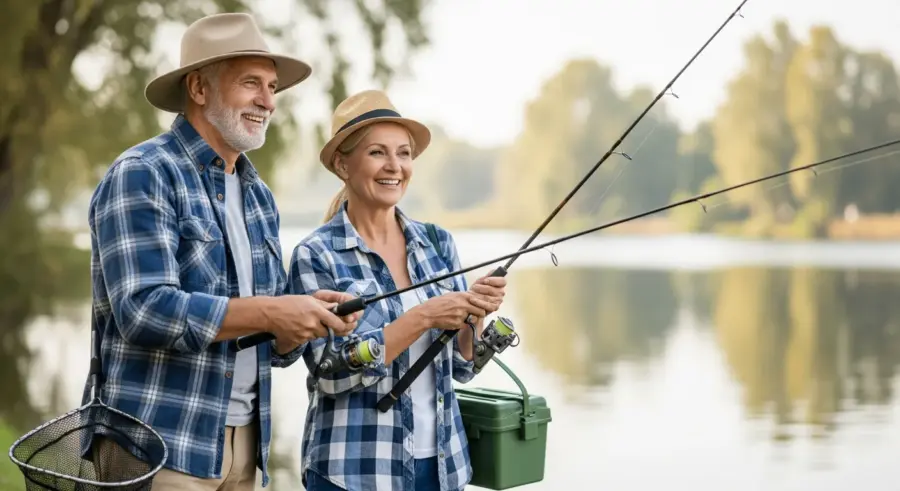
For many seniors, retirement offers a chance to pursue passions and hobbies that may have taken a backseat during their working years. Fishing is one such activity that provides relaxation, mental stimulation, and physical exercise. It also opens doors to new friendships and social connections.
If you’re a senior looking to cast a line and make new friends, joining senior fishing clubs is a fantastic option. These clubs provide a supportive and engaging environment for seniors to share their love of fishing and enjoy the great outdoors. Let’s explore how you can reel in the fun by finding senior fishing clubs near you.
This article will guide you through the numerous benefits of fishing for seniors, provide tips on finding local fishing clubs, and offer advice on gear, techniques, and safety. We’ll also discuss the social advantages of joining a fishing club, ensuring you have all the information you need to get started.
The Benefits of Fishing for Seniors
Fishing offers a wide array of benefits for seniors, both physically and mentally. It’s an excellent way to stay active and engaged in a relaxing outdoor setting. The gentle exercise involved in casting, reeling, and walking along the shore can improve cardiovascular health and muscle strength.
Spending time outdoors also increases exposure to Vitamin D, which is essential for bone health. Fishing can also reduce stress and anxiety, promoting a sense of calm and well-being. The focus required while waiting for a bite can improve concentration and cognitive function.
Engaging in a hobby like fishing can provide a sense of purpose and accomplishment, contributing to overall mental health. Fishing offers opportunities for social interaction and camaraderie when done in groups or clubs. These social connections can combat feelings of loneliness and isolation, which are common among seniors.
Moreover, fishing can be a fun and rewarding way to connect with nature and appreciate the beauty of the environment. It’s an activity that can be enjoyed at any pace, making it suitable for seniors with varying levels of physical ability. Fishing for seniors is an activity that helps keep you young.
The repetitive motions involved in fishing, such as casting and reeling, can improve hand-eye coordination and dexterity. These fine motor skills are important for maintaining independence and performing daily tasks. The fresh air and sunshine can also boost your mood and energy levels.
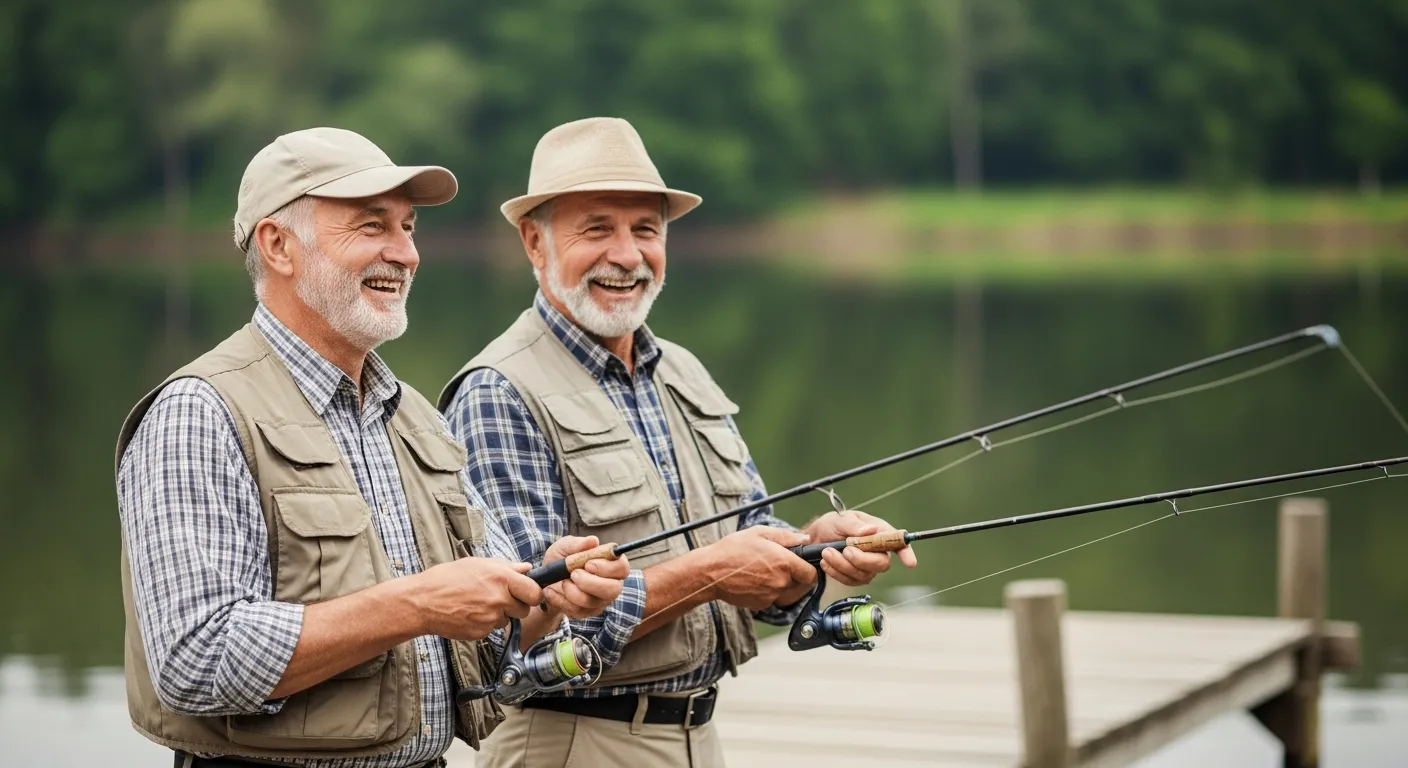
Fishing can be a very mindful activity, allowing you to disconnect from the stresses of daily life and focus on the present moment. The anticipation of a catch and the thrill of reeling in a fish can be incredibly exciting and rewarding. Sharing these experiences with others can create lasting memories.
Beyond the physical and mental benefits, fishing can also provide a sense of accomplishment and self-esteem. Successfully catching a fish, even a small one, can be a source of pride and satisfaction. Learning new fishing techniques and mastering different skills can also boost your confidence.
Fishing is an activity that can be enjoyed throughout the year, depending on the climate and location. Whether you prefer to fish in freshwater lakes, rivers, or saltwater oceans, there are endless opportunities to explore new fishing spots. Exploring different locations can add excitement and variety to your fishing experiences.
Finding Fishing Clubs in Your Area
Locating senior fishing clubs in your area might seem challenging, but several resources can help you find the perfect group. Start by checking with your local senior centers and community organizations. They often host fishing trips or have information about senior angling clubs in the region.
Online searches are also a great way to find fishing clubs. Use search engines to look for “senior fishing clubs near me” or “elderly fishing groups in [your city/state]”. Social media platforms like Facebook can also be helpful; search for local fishing groups or clubs and see if they have a senior-specific division.
Contacting local fishing tackle shops and bait shops is another excellent strategy. These establishments often have connections with local fishing clubs and can provide valuable information. You can also ask at local parks and recreation departments, as they may sponsor or know of senior fishing programs.
Don’t hesitate to reach out to national organizations like the American Sportfishing Association, as they may have local chapters or resources for senior anglers. Networking with other fishing enthusiasts is also beneficial. Attend local fishing events or workshops and strike up conversations with fellow anglers to discover potential clubs.
Another often overlooked resource is your local library. Many libraries have community bulletin boards or information on local clubs and organizations. They may also have resources on fishing in your area, including maps of fishing spots and information on local fish species.
Consider attending local fishing shows or outdoor expos. These events often feature booths from various fishing clubs and organizations. It’s a great opportunity to meet representatives from different clubs and learn about their activities and membership requirements. You can gather brochures and ask questions in person.
If you’re having trouble finding a senior-specific fishing club, consider joining a general fishing club and inquire about senior-focused activities. Many clubs welcome members of all ages and may be willing to create a senior division or organize events specifically for older anglers. Your interest may spark new opportunities.
Don’t be afraid to start your own senior fishing club if you can’t find one that meets your needs. Gather a group of like-minded friends and start organizing your own fishing trips and social events. Promoting your club through local senior centers and community organizations can attract new members.
Fishing Gear for Seniors
Choosing the right fishing gear is essential for a comfortable and enjoyable experience, especially for seniors. Opt for lightweight rods and reels that are easy to handle. A spinning reel is generally recommended for beginners due to its simplicity and ease of use.
Consider using fishing line that is easy to see, such as brightly colored monofilament or braided line. This can help prevent tangles and make it easier to detect bites. When selecting hooks, choose barbless or micro-barbed hooks to make releasing fish easier and safer.
| Gear Item | Recommendation | Why It’s Good for Seniors |
|---|---|---|
| Fishing Rod | Lightweight graphite or fiberglass | Easy to handle, reduces fatigue |
| Fishing Reel | Spinning reel | Simple to use, good for beginners |
| Fishing Line | Brightly colored monofilament | Easy to see, reduces tangles |
| Hooks | Barbless or micro-barbed | Safer for fish and easier to remove |
| Tackle Box | Lightweight with easy access | Reduces strain, easy to organize |
| Fishing Seat | Folding chair with back support | Provides comfort, reduces back strain |
A lightweight tackle box with easy-to-access compartments can help keep your gear organized without adding unnecessary strain. A comfortable fishing seat is a must-have for seniors. Look for a folding chair with back support to provide comfort during long fishing sessions.
Consider investing in assistive devices if you have mobility issues. Rod holders, line counters, and automatic hook setters can make fishing more accessible. Don’t forget essential accessories like polarized sunglasses to reduce glare, a hat for sun protection, and comfortable, non-slip shoes.
When selecting a fishing rod, consider the length and action. A shorter rod (6-7 feet) is generally easier to handle and maneuver, especially in tight spaces. A light or medium-light action rod will provide more sensitivity and make it easier to detect bites from smaller fish.
Pay attention to the ergonomics of your fishing reel. Look for a reel with a comfortable handle and a smooth drag system. A smooth drag system is essential for preventing line breakage when fighting larger fish. Consider reels with larger handles for easier gripping.
Clothing is also an important consideration. Wear lightweight, breathable clothing that protects you from the sun. Long-sleeved shirts and pants can help prevent sunburn and insect bites. A wide-brimmed hat is essential for protecting your face and neck from the sun.
Don’t forget to bring along a small cooler to keep your drinks and snacks cold. Staying hydrated and nourished is important for maintaining your energy levels during long fishing trips. Pack healthy snacks like fruits, vegetables, and nuts.
Fishing Tips and Techniques
Mastering a few basic fishing tips and techniques can greatly enhance your chances of success and enjoyment. Start by learning how to properly bait a hook. Use a variety of baits, such as worms, minnows, or artificial lures, depending on the type of fish you’re targeting.
Practice casting techniques to improve your accuracy and distance. A simple overhand cast is often sufficient for beginners, but learning other casting methods can be beneficial. Pay attention to the weather and water conditions, as these factors can significantly impact fish behavior.
Fish tend to be more active during dawn and dusk, so plan your fishing trips accordingly. Understanding fish behavior is crucial for successful angling. Learn about the feeding habits, preferred habitats, and seasonal patterns of the fish species you’re targeting.
Experiment with different fishing techniques, such as bobber fishing, bottom fishing, or lure fishing, to find what works best for you. Be patient and persistent, as fishing often requires waiting for the right moment. If you’re not having luck in one spot, try moving to a different location.
When using artificial lures, experiment with different retrieves and presentations. Vary your speed and action to see what attracts the fish. Pay attention to the depth of the water and adjust your lure accordingly. Sometimes a slow, subtle presentation is more effective than a fast, aggressive one.
Learn how to properly set the hook when you get a bite. A quick, firm tug on the rod is usually sufficient to set the hook. Avoid jerking the rod too hard, as this can break the line or damage the fish’s mouth. Practice setting the hook with different types of bait and lures.
When reeling in a fish, keep the line tight and maintain a steady pressure. Avoid allowing the fish to run with the line, as this can increase the risk of it getting away. Use the reel’s drag system to control the fish’s movements and prevent it from breaking the line.
Learn how to properly handle and release fish. If you’re not planning to keep the fish, handle it gently and minimize the time it’s out of the water. Use wet hands to avoid removing the fish’s protective slime coat. Use pliers to remove the hook and release the fish as quickly as possible.
Fishing Safety for Seniors
Safety should always be a top priority when fishing, especially for seniors. Start by checking the weather forecast before heading out. Avoid fishing during severe weather conditions, such as thunderstorms or high winds.
Always wear a personal flotation device (PFD) or life jacket, especially when fishing from a boat or near deep water. Protect yourself from the sun by wearing a hat, sunglasses, and sunscreen. Stay hydrated by drinking plenty of water throughout your fishing trip.
- Wear a personal flotation device (PFD)
- Use sunscreen and a hat
- Stay hydrated
- Bring a first-aid kit
- Inform someone of your plans
Bring a first-aid kit with essential supplies for treating minor injuries. Inform someone of your fishing plans, including your destination and expected return time. This is crucial in case of an emergency.
Be aware of your surroundings and watch out for potential hazards, such as slippery rocks or uneven terrain. Use caution when handling fishing hooks and knives to avoid injuries. If you have any underlying health conditions, consult with your doctor before engaging in fishing activities.
If you’re fishing from a boat, be sure to follow all boating safety regulations. This includes having the necessary safety equipment on board, such as a horn, flares, and a fire extinguisher. Be aware of other boaters and avoid operating your boat under the influence of alcohol or drugs.
When fishing near water, be aware of the potential for hypothermia. Dress in layers and wear waterproof clothing to stay warm and dry. If you start to feel cold or shivering, seek shelter immediately and warm up.
Be cautious of wildlife when fishing in natural areas. Avoid approaching or feeding wild animals. Be aware of the potential for encounters with snakes, bears, or other dangerous animals. Store your food properly to avoid attracting wildlife.
If you have any mobility issues, use assistive devices to make fishing safer and easier. Consider using a walking stick or cane for support. Wear comfortable, non-slip shoes to prevent falls. Choose fishing locations that are easily accessible and have amenities like restrooms and seating.
The Social Aspect of Fishing Clubs
One of the greatest benefits of joining senior fishing clubs is the opportunity for social interaction and camaraderie. Fishing clubs provide a supportive and inclusive environment for seniors to connect with like-minded individuals. These connections can lead to lasting friendships and a sense of belonging.
Fishing clubs often organize group fishing trips, tournaments, and social events. These activities provide opportunities to share experiences, learn from others, and enjoy the company of fellow anglers. Participating in club events can help combat feelings of loneliness and isolation, which are common among seniors.
Senior fishing clubs also offer a platform for sharing knowledge and skills. Experienced anglers can mentor newer members, passing on valuable tips and techniques. This mentorship can be incredibly rewarding for both the mentor and the mentee.
The social aspect of fishing clubs extends beyond fishing itself. Many clubs organize social gatherings, such as potlucks, picnics, and holiday parties. These events provide opportunities to socialize and build relationships in a relaxed and informal setting. Senior fishing clubs create a strong community.
Sharing stories and experiences with other anglers can be a very therapeutic and enjoyable experience. Fishing clubs provide a safe and supportive space to share your triumphs and challenges. You can learn from others’ mistakes and celebrate their successes.
The friendships you form in a fishing club can extend beyond the fishing itself. You may find yourself spending time with club members outside of fishing events, such as going out to lunch or attending other social gatherings. These friendships can provide a valuable support system.
Fishing clubs can also provide opportunities for intergenerational connections. Some clubs partner with local schools or youth organizations to teach young people about fishing. This can be a rewarding way to share your knowledge and passion with the next generation.
Joining a fishing club can also help you stay active and engaged in your community. Clubs often participate in local events and volunteer activities. This can be a great way to give back to your community and make a difference.
Tips for Enjoying Fishing as a Senior
To make the most of your fishing experience as a senior, consider a few additional tips. Pace yourself and take breaks as needed. Fishing should be a relaxing and enjoyable activity, so don’t push yourself too hard.
Listen to your body and rest when you feel tired. Choose fishing locations that are easily accessible and have amenities like restrooms and seating. Consider fishing with a friend or family member for added safety and companionship.
Adapt your fishing techniques to suit your physical abilities. Use assistive devices or modify your gear as needed. Don’t be afraid to ask for help from other anglers or club members.
Most importantly, remember to have fun and enjoy the experience. Fishing is a wonderful way to connect with nature, relax, and socialize. Embrace the challenges and celebrate the successes, no matter how small.
Set realistic goals for your fishing trips. Don’t put too much pressure on yourself to catch a lot of fish. Focus on enjoying the process and appreciating the beauty of your surroundings. Even if you don’t catch anything, you can still have a rewarding experience.
Take the time to learn about the local fish species and their habitats. Understanding the fish you’re targeting can help you improve your fishing skills and increase your chances of success. Attend workshops or read books to learn more about fishing in your area.
Experiment with different fishing techniques and lures. Don’t be afraid to try new things and step outside of your comfort zone. You may discover a new technique that works well for you. Keep a fishing journal to track your successes and failures.
Share your fishing experiences with others. Invite friends or family members to join you on your fishing trips. Share your photos and stories on social media. Encourage others to get involved in fishing and enjoy the many benefits it has to offer.
Elderly Fishing Groups and Community Involvement
Many elderly fishing groups actively participate in community service and conservation efforts. This involvement can provide a sense of purpose and fulfillment for senior anglers. Clubs often organize clean-up events at local fishing spots, helping to preserve the environment for future generations.
Some clubs partner with local schools or youth organizations to teach young people about fishing and conservation. These educational programs can inspire the next generation of anglers and environmental stewards. Participating in community events can also raise awareness about the importance of protecting our waterways.
Senior fishing clubs may also advocate for policies that support sustainable fishing practices and protect fish habitats. By working together, these clubs can make a positive impact on their communities and the environment. Supporting local conservation efforts is a great way to give back.
Getting involved in community service through your fishing club can be a rewarding way to stay active and engaged. It’s an opportunity to make a difference while enjoying your favorite hobby. Consider joining a club that aligns with your values.
Participating in stream restoration projects is another way elderly fishing groups can contribute to their communities. This could involve planting trees along riverbanks to prevent erosion or removing invasive species that threaten native fish populations. These projects help improve fish habitats and ensure the long-term health of our waterways.
Senior fishing clubs can also partner with local food banks to donate fish caught during club events. This can provide a valuable source of protein for people in need. Ensure that all fish donated are properly cleaned and stored to prevent foodborne illness.
Consider organizing fishing clinics for people with disabilities. This can provide an opportunity for individuals who may not otherwise have access to fishing to experience the joy of angling. Work with local organizations to ensure that the clinics are accessible and inclusive.
Advocate for responsible fishing practices in your community. This could involve promoting catch-and-release fishing, encouraging the use of barbless hooks, or supporting regulations that protect fish populations. Educate others about the importance of sustainable fishing.
Senior Angling Clubs and Tournaments
For seniors who enjoy a bit of friendly competition, senior angling clubs often host fishing tournaments. These tournaments provide an opportunity to test your skills and compete against other anglers. Tournaments can range from casual, fun events to more serious competitions with prizes.
Participating in tournaments can be a great way to challenge yourself and improve your fishing techniques. It’s also an opportunity to learn from other anglers and share your own knowledge. Tournaments often have different categories and skill levels, so you can find one that suits your abilities.
Even if you’re not a competitive person, tournaments can be a fun and social experience. They provide an opportunity to meet new people and enjoy the camaraderie of fellow anglers. Many tournaments also support charitable causes, adding a meaningful element to the competition.
Before participating in a tournament, be sure to familiarize yourself with the rules and regulations. Ensure that you have the necessary licenses and permits. Remember to prioritize safety and have fun, regardless of the outcome.
When preparing for a fishing tournament, start by scouting the fishing location. Spend some time fishing in the area to identify potential fishing spots and learn about the local fish populations. Pay attention to the weather conditions and water levels.
Organize your gear and make sure you have everything you need for the tournament. This includes your fishing rod, reel, line, hooks, lures, and any other essential equipment. Pack a first-aid kit, sunscreen, and plenty of water.
Develop a fishing strategy for the tournament. Consider the type of fish you’re targeting, the weather conditions, and the water levels. Choose your lures and techniques accordingly. Be prepared to adapt your strategy if necessary.
During the tournament, focus on fishing efficiently and effectively. Stay calm and patient, and don’t get discouraged if you’re not catching fish right away. Learn from your mistakes and adjust your strategy as needed. Most importantly, have fun and enjoy the competition.
Conclusion
Joining senior fishing clubs offers a multitude of benefits for seniors. From physical and mental health improvements to social connections and community involvement, there’s something for everyone.
By following the tips and advice in this article, you can easily find a club near you and start enjoying the many rewards of fishing. So grab your gear, cast a line, and reel in the fun with senior fishing clubs!
Remember that fishing is more than just catching fish. It’s about connecting with nature, enjoying the outdoors, and building relationships with others. Embrace the experience and appreciate the simple pleasures of fishing.
Don’t be afraid to try new things and explore different fishing opportunities. There’s always something new to learn and discover. The world of fishing is vast and exciting, and there’s always an adventure waiting around the corner.
So, what are you waiting for? Get out there and start fishing! Join a senior fishing club, meet new friends, and enjoy the many benefits that fishing has to offer. You’ll be glad you did.