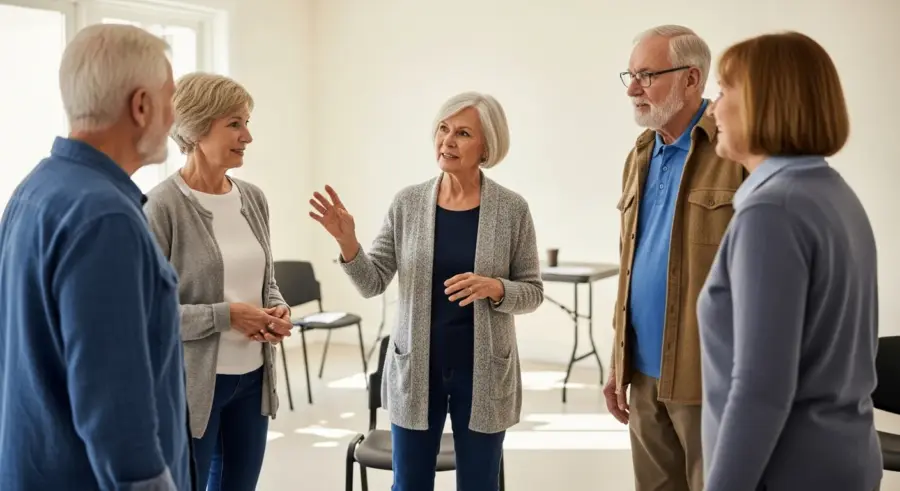
Creative dramatics offer a unique and engaging way for seniors to express themselves and connect with others. It’s more than just acting; it’s about exploring emotions, stories, and ideas through improvisation, role-playing, and theater games.
If you are looking for a fun and stimulating activity, senior creative dramatics might be a perfect fit. This art form can bring joy, enhance cognitive function, and foster a sense of community.
Whether you’re a seasoned performer or have never set foot on a stage, creative dramatics provides a welcoming space to explore your creativity. Get ready to discover the many benefits and exciting possibilities that await you in the world of senior creative dramatics.
Benefits of Creative Dramatics for Seniors
Participating in senior creative dramatics offers a wide range of benefits that extend beyond just entertainment. It provides a unique opportunity to enhance both physical and mental well-being.
One of the key advantages is improved cognitive function. Engaging in improvisation and role-playing stimulates the brain, enhancing memory, problem-solving skills, and overall mental agility.
Creative dramatics also promotes emotional expression and regulation. Seniors can explore a wide range of emotions in a safe and supportive environment, which can lead to increased self-awareness and emotional resilience.
Social connectivity is another significant benefit. Group activities like creative dramatics foster a sense of community and belonging, reducing feelings of isolation and loneliness.
Furthermore, creative dramatics can improve communication skills. Participants learn to articulate their thoughts and feelings effectively, both verbally and nonverbally.
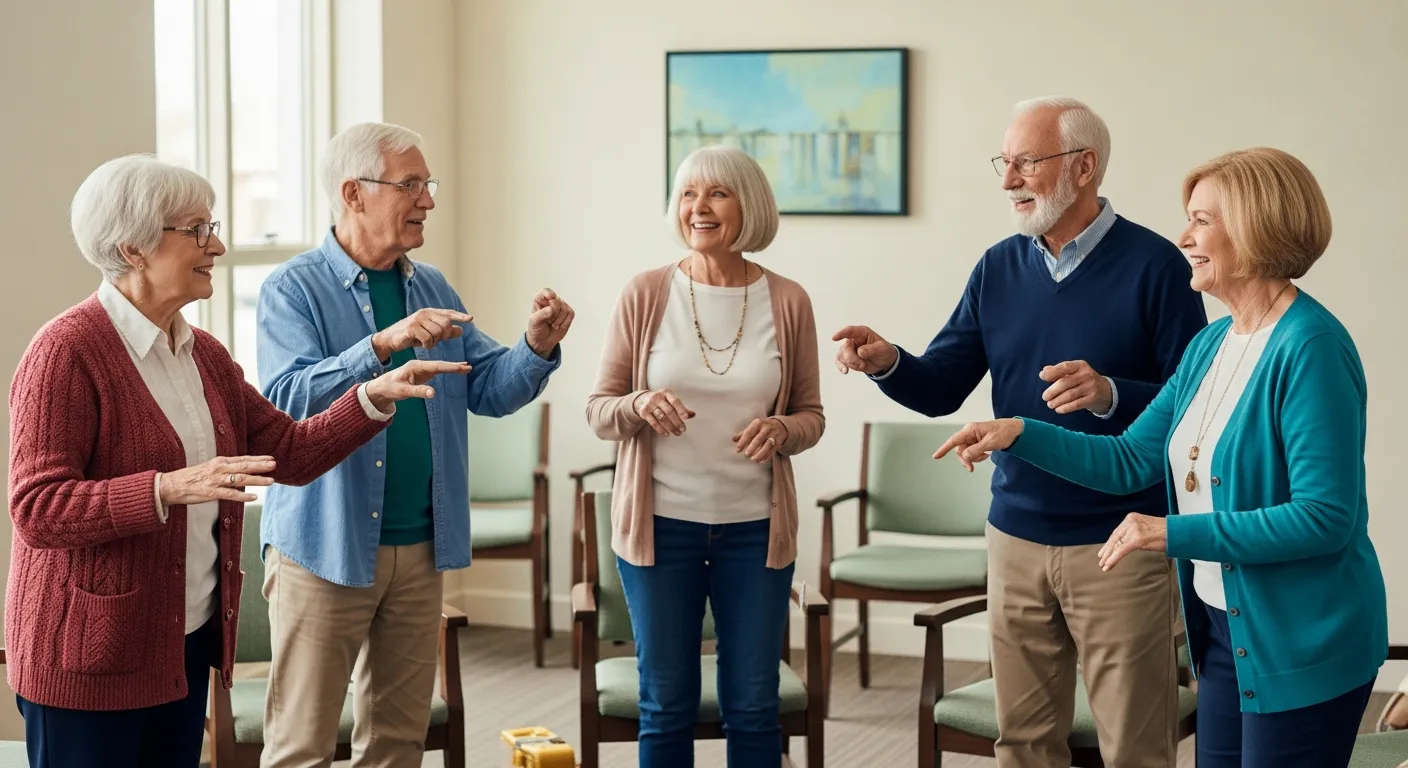
Physical benefits are also noteworthy. Many exercises involve movement, which can improve flexibility, balance, and coordination.
The act of performing, even in a small group, can boost confidence and self-esteem. It provides a sense of accomplishment and pride.
Creative dramatics encourages creativity and imagination. These are vital for maintaining mental agility as we age.
The collaborative nature of these activities fosters empathy and understanding. Seniors learn to appreciate different perspectives and work together towards a common goal.
Finally, creative dramatics is simply fun! It’s a chance to laugh, play, and enjoy the company of others.
The positive impact on mental well-being is considerable. It can reduce stress and promote a sense of joy and fulfillment.
It’s a great way to stay active and engaged in life. Creative dramatics can add a new dimension to retirement years.
Basic Creative Dramatics Exercises and Games
There are many fun and accessible exercises and games that can be incorporated into senior creative dramatics sessions. These activities are designed to be inclusive and adaptable to different physical abilities and experience levels.
One popular exercise is “Sound Ball,” where participants stand in a circle and pass an imaginary ball of sound to each other, each person adding a unique sound effect. This game encourages listening skills, creativity, and spontaneity.
“Character Interviews” involve participants taking on different character roles and interviewing each other. This activity helps seniors develop their characterization skills and practice active listening.
Another engaging game is “Story Chain,” where each person adds a sentence to a developing story. This exercise promotes collaboration, imagination, and quick thinking.
Another simple yet effective exercise is “Mirroring.” One person leads with movements, and the other mirrors them, promoting focus and non-verbal communication.
“Emotion Charades” can be a fun way to explore emotional expression. Participants act out different emotions without speaking, and others guess what they are.
“Object Transformation” involves giving participants an ordinary object and asking them to imagine it as something else. This exercise sparks creativity and imagination.
“Who Am I?” is a guessing game where participants ask yes or no questions to figure out which character they are. This activity encourages deductive reasoning and character knowledge.
Remember to adapt the activities to suit the needs and abilities of the participants. The goal is to have fun and encourage creative expression.
It’s always a good idea to start with warm-up exercises to get everyone comfortable and relaxed. Simple stretches and breathing exercises can help prepare participants for the activities.
Encourage participants to embrace silliness and let go of their inhibitions. The more relaxed and playful they are, the more they will get out of the experience.
Improvisation Techniques for Seniors
Improvisation, or improv, is a core element of creative dramatics. It involves creating scenes and stories spontaneously, without a script.
For seniors, improv can be a particularly rewarding activity. It can unlock creativity, boost confidence, and provide a sense of playful freedom.
| Improv Technique | Description | Benefits for Seniors |
|---|---|---|
| “Yes, And…” | Accepting and building upon others’ ideas. | Encourages collaboration and positive communication. |
| “Character Development” | Creating believable and engaging characters. | Enhances imagination and empathy. |
| “Scene Work” | Developing scenes with a clear beginning, middle, and end. | Improves storytelling skills and memory. |
| “Emotional Expression” | Exploring and portraying a range of emotions. | Promotes emotional awareness and regulation. |
| “Active Listening” | Paying close attention to what others are saying. | Enhances communication and social skills. |
These techniques can be adapted to suit different abilities and interests, making improv an accessible and enjoyable activity for all seniors. Remember to focus on fun and exploration rather than perfection.
Another important improv technique is “Making Statements.” Instead of asking questions, make declarative statements to move the scene forward.
“Establishing the Environment” is crucial in improv. Quickly and clearly define the setting of the scene to give everyone a common understanding.
“Heightening” involves taking the initial idea and making it bigger and more absurd. This can lead to hilarious and unexpected moments.
It’s important to create a safe and supportive environment where participants feel comfortable taking risks. Encourage laughter and celebrate mistakes as opportunities for learning.
Start with simple exercises and gradually increase the complexity as participants become more comfortable. Short, focused scenes are often more effective than long, rambling ones.
Remember that improv is not about being funny; it’s about being present and responsive. Trust your instincts and let the scene unfold naturally.
Finding Local Creative Dramatics Groups and Classes
Finding local senior creative dramatics groups and acting classes older adults can be easier than you think. Community centers, senior centers, and local theaters are great places to start your search.
Many community centers offer a variety of programs specifically designed for seniors, including drama and theater workshops. These programs are often affordable and provide a supportive environment for beginners.
Senior centers are another excellent resource. Check your local senior center’s activity calendar for drama groups, acting classes, or improvisation workshops.
Local theaters and acting schools often have classes tailored to older adults. These classes might be more structured and offer a deeper dive into acting techniques and performance skills.
You can also check online directories and websites that list local classes and activities. Websites like Meetup.com or Eventbrite might have listings for creative dramatics groups in your area.
Another option is to contact local universities or colleges. Some universities offer continuing education programs for seniors, which may include drama or theater classes.
Don’t be afraid to reach out to local arts organizations or community groups. They may be able to connect you with creative dramatics opportunities in your area.
When researching different groups and classes, consider your own interests and abilities. Look for programs that are a good fit for your skill level and comfort zone.
It’s also a good idea to visit a class or group before committing to it. This will give you a chance to meet the instructor and other participants and see if it’s a good fit for you.
Consider the location and schedule of the class or group. Make sure it’s convenient for you to attend regularly.
Using Creative Dramatics for Therapy and Wellbeing
Drama therapy elderly is a powerful tool for promoting mental and emotional well-being. It uses creative dramatics techniques to help individuals explore their feelings, improve communication skills, and enhance self-esteem.
Drama therapy can be particularly beneficial for seniors dealing with issues such as grief, anxiety, or social isolation. It provides a safe and supportive space to process difficult emotions and develop coping strategies.
- Improved emotional regulation
- Increased self-awareness
- Enhanced communication skills
- Reduced feelings of isolation
- Greater sense of purpose and meaning
If you are interested in exploring drama therapy, look for a qualified and experienced drama therapist. They can tailor sessions to meet your specific needs and goals.
Drama therapy can help seniors explore past traumas and unresolved conflicts. It provides a safe and creative outlet for expressing difficult emotions.
It can also be used to improve social skills and build relationships. Group drama therapy sessions provide opportunities for seniors to connect with others and practice communication skills.
Drama therapy can help seniors cope with age-related changes and challenges. It can provide a sense of control and empowerment during times of transition.
It’s important to find a drama therapist who is experienced in working with seniors. They will be able to tailor the sessions to meet your specific needs and abilities.
Drama therapy sessions can be conducted individually or in a group setting. Group sessions can provide a sense of community and support.
The techniques used in drama therapy may include role-playing, improvisation, storytelling, and movement. These activities can help seniors explore their emotions and develop coping strategies.
Creative Dramatics and Cognitive Health
The cognitive benefits of senior creative dramatics are substantial and well-documented. Regularly engaging in these activities can help maintain and even improve cognitive function.
Improvisation and role-playing require quick thinking, problem-solving, and memory recall. These mental exercises help to strengthen neural pathways and improve overall brain health.
Learning lines, remembering cues, and following a script all contribute to improved memory and concentration. The mental stimulation provided by creative dramatics can help to slow cognitive decline and maintain mental sharpness.
Creative dramatics also encourages creativity and imagination, which are essential for cognitive flexibility. By engaging in these activities, seniors can keep their minds active and adaptable.
Studies have shown that participation in creative arts activities can improve cognitive performance in older adults. These activities can help to maintain memory, attention, and executive function.
The social interaction involved in creative dramatics also contributes to cognitive health. Social engagement has been linked to a reduced risk of cognitive decline.
Creative dramatics can also help to reduce stress and improve mood. Stress and depression can negatively impact cognitive function, so reducing these factors can have a positive effect on brain health.
The act of performing, even in a small group, can boost confidence and self-esteem, which can also have a positive impact on cognitive function. A positive self-image can contribute to a more active and engaged lifestyle.
It’s important to choose creative dramatics activities that are challenging but not overwhelming. The goal is to stimulate the brain without causing frustration or anxiety.
Regular participation is key to realizing the cognitive benefits of creative dramatics. Aim to participate in these activities at least once or twice a week.
Enhancing Social Connectivity Through Drama
Social interaction is vital for seniors’ overall well-being, and creative dramatics offers a fantastic way to enhance social connectivity. Participating in group drama activities fosters a sense of community and belonging.
Working together on a play, rehearsing scenes, and performing for an audience creates shared experiences and lasting bonds. These activities provide opportunities to connect with others who share similar interests and passions.
Creative dramatics also encourages communication and collaboration. Seniors learn to listen to each other, support each other, and work together towards a common goal.
The social aspect of creative dramatics can help to combat feelings of loneliness and isolation. By participating in these activities, seniors can build meaningful relationships and stay socially engaged.
The shared experience of creating something together can be incredibly bonding. It fosters a sense of camaraderie and teamwork.
Creative dramatics provides opportunities to meet new people and expand your social circle. It’s a great way to connect with others who share your interests.
The supportive environment of a drama group can help seniors feel more comfortable expressing themselves. It’s a safe space to share stories and experiences.
Participating in creative dramatics can boost confidence and self-esteem, which can make it easier to connect with others. Feeling good about yourself can make you more approachable and engaging.
The shared laughter and fun that often accompany creative dramatics can create lasting memories and strengthen relationships. Laughter is a powerful social connector.
Regular social interaction has been linked to a reduced risk of cognitive decline and improved overall health. Staying socially engaged is an important part of healthy aging.
Creative Dramatics and Physical Wellbeing
While often viewed as primarily a mental and emotional activity, creative dramatics also offers physical benefits for seniors. Many exercises and games involve movement, which can improve flexibility, balance, and coordination.
Warm-up exercises, stage movement, and physical characterization all contribute to increased physical activity. These activities can help seniors stay active and maintain their physical health.
Deep breathing exercises and vocal projection techniques can improve respiratory function. These practices can be particularly beneficial for seniors with respiratory conditions.
Creative dramatics can also improve posture and body awareness. By paying attention to their physical presence on stage, seniors can develop better posture and body alignment.
The physical activity involved in creative dramatics can help to improve cardiovascular health. Regular movement can strengthen the heart and improve circulation.
It can also help to increase muscle strength and endurance. Many exercises involve using your muscles in new and different ways.
Creative dramatics can improve balance and coordination, which can help to prevent falls. Falls are a major concern for seniors, so improving balance is crucial.
The physical activity involved in creative dramatics can also help to improve sleep quality. Regular exercise can help you fall asleep more easily and sleep more soundly.
It’s important to listen to your body and avoid pushing yourself too hard. Adapt the exercises to suit your own physical abilities and limitations.
Remember to stay hydrated and take breaks when needed. It’s important to take care of your physical well-being while participating in creative dramatics.
Performing for an Audience (Optional)
While not a requirement, performing for an audience can be a rewarding experience for seniors involved in creative dramatics. It provides an opportunity to showcase their talents, share their stories, and connect with a wider community.
Performing can boost confidence and self-esteem. The sense of accomplishment that comes from successfully delivering a performance can be incredibly empowering.
It also offers a chance to give back to the community. Seniors can perform for local schools, nursing homes, or community events, bringing joy and entertainment to others.
If performing is something that interests you, talk to your creative dramatics group or class about opportunities to showcase your work. Remember, the goal is to have fun and share your creativity with others.
Performing can provide a sense of purpose and meaning. It’s a chance to contribute something positive to the world.
It can also be a great way to challenge yourself and step outside of your comfort zone. Pushing yourself to try new things can be incredibly rewarding.
Performing can help you to develop new skills, such as public speaking and stage presence. These skills can be valuable in other areas of your life as well.
It’s important to remember that performing is not about perfection. It’s about sharing your creativity and connecting with others.
If you’re nervous about performing, start small. Perform for a small group of friends or family members before performing for a larger audience.
Focus on having fun and enjoying the experience. The more relaxed and confident you are, the better your performance will be.
Conclusion
Senior creative dramatics offers a wealth of benefits for older adults. From enhancing cognitive function and emotional well-being to fostering social connectivity and physical activity, it’s a truly enriching activity.
Whether you’re interested in exploring improvisation, acting classes older adults, or drama therapy elderly, there are many ways to get involved. Embrace the opportunity to express yourself, connect with others, and discover the joy of creative dramatics.