
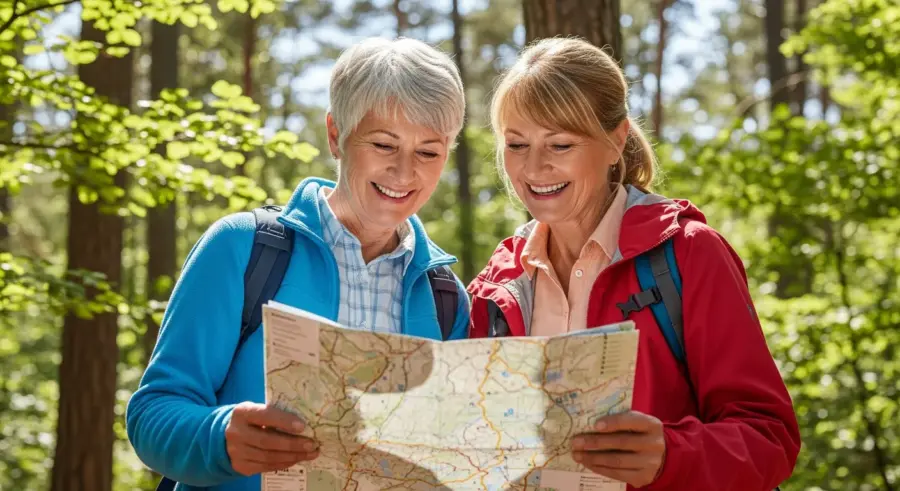
Embarking on outdoor adventures is a fantastic way for seniors to stay active and socially connected. One of the best ways to do this is by joining senior hiking clubs, which offer a supportive and engaging environment for exploring nature’s wonders.
These clubs provide opportunities to discover local trails, enjoy the fresh air, and build lasting friendships with like-minded individuals. If you’re looking for a fun and healthy way to spend your leisure time, keep reading to find out how to get started with senior hiking clubs.
This article will guide you through the numerous benefits of hiking, how to find the perfect club, what gear you’ll need, and essential safety tips. Get ready to lace up your boots and experience the joy of the great outdoors.
The Physical and Mental Benefits of Hiking
Hiking offers a wealth of physical benefits for seniors. Regular hiking helps improve cardiovascular health, lowers blood pressure, and reduces the risk of heart disease.
It also strengthens muscles and bones, enhancing balance and coordination, which are crucial for preventing falls. The increased physical activity can lead to weight management and improved overall fitness.
Beyond the physical advantages, hiking is incredibly beneficial for mental well-being. Spending time in nature has been shown to reduce stress and anxiety, promoting a sense of calm and relaxation.
The exposure to sunlight boosts vitamin D levels, which can improve mood and cognitive function. Hiking provides a sense of accomplishment and boosts self-esteem as you conquer trails and reach new milestones.
Moreover, hiking stimulates the mind through exploration and discovery. The changing scenery and natural elements keep your senses engaged, enhancing mental clarity and focus.

Hiking can also be a form of mindfulness, allowing you to disconnect from daily stressors and connect with the present moment. The rhythmic motion of walking combined with the tranquility of nature creates a meditative experience.
The fresh air and natural surroundings contribute to improved respiratory health. It’s an excellent way to escape the confines of indoor environments and breathe in the invigorating atmosphere of the outdoors.
Hiking also encourages better sleep patterns. The physical exertion and mental relaxation promote deeper and more restful sleep, which is essential for overall health and well-being.
Furthermore, hiking can improve joint health. The low-impact nature of walking is gentle on the joints, helping to reduce stiffness and pain associated with arthritis and other conditions.
The activity also helps to lubricate the joints, improving flexibility and range of motion. Regular hiking can also enhance bone density, reducing the risk of osteoporosis and fractures.
The sense of accomplishment after completing a hike can be very rewarding. Overcoming physical challenges and reaching scenic viewpoints can boost confidence and provide a sense of pride.
Hiking can also be a creative outlet. The natural environment can inspire creativity and provide a fresh perspective on life, leading to new ideas and insights.
Finding Hiking Clubs in Your Area
Locating senior hiking clubs in your vicinity is easier than you might think. Start by checking with local community centers and senior centers, as they often host or know of such groups.
These centers are great resources for finding activities tailored to older adults, ensuring the hikes are appropriate for various fitness levels. Another excellent avenue is to explore online platforms dedicated to outdoor activities and senior communities.
Websites like Meetup.com and local Facebook groups can connect you with hiking groups specifically designed for seniors. These platforms allow you to search for groups based on location and interests, making it simple to find one that suits your needs.
Don’t overlook local hiking organizations and nature centers, as they often have programs or partnerships with senior-focused groups. These organizations can provide valuable information about trails, guided hikes, and educational opportunities.
Consider reaching out to local parks and recreation departments, as they frequently organize guided walks and hikes suitable for seniors. These programs are often led by experienced guides who are knowledgeable about the local flora, fauna, and history.
Word of mouth can also be a powerful tool; ask friends, neighbors, or healthcare providers if they know of any senior walking groups or hiking clubs in the area. Personal recommendations can lead you to hidden gems and ensure a comfortable and welcoming experience.
Many libraries also host community events and may have information about local hiking groups. Check their bulletin boards or online calendars for upcoming activities and programs.
When searching online, use specific keywords such as “senior hiking clubs near me” or “walking groups for seniors in [your city].” This will help you narrow down your search and find relevant results.
Attend introductory meetings or trial hikes to get a feel for different groups and find one that aligns with your interests and abilities. This allows you to meet other members, assess the group’s dynamics, and determine if it’s a good fit for you.
Consider the group’s hiking schedule, location, and difficulty level when making your decision. Choose a group that offers hikes that you can comfortably participate in and that are conveniently located for you.
Don’t be afraid to try out multiple groups before settling on one. Each group has its own unique personality and focus, so it’s important to find one that you genuinely enjoy being a part of.
Read reviews and testimonials from other members to get an idea of the group’s reputation and overall experience. This can provide valuable insights and help you make an informed decision.
Choosing the Right Hiking Gear
Having the right gear is essential for a safe and enjoyable hiking experience. Start with comfortable and supportive hiking shoes or boots that provide good traction.
Look for footwear with ankle support to prevent injuries, especially on uneven terrain. The next important item is appropriate clothing, including moisture-wicking fabrics that keep you dry and comfortable.
| Gear Item | Features | Why It’s Important |
|---|---|---|
| Hiking Shoes/Boots | Good traction, ankle support, comfortable fit | Prevents slips, supports ankles, ensures comfort |
| Moisture-Wicking Clothing | Breathable fabric, lightweight | Keeps you dry, regulates body temperature |
| Backpack | Adjustable straps, multiple compartments | Carries essentials, distributes weight evenly |
| Hiking Poles | Adjustable height, comfortable grips | Provides stability, reduces strain on joints |
A lightweight backpack is crucial for carrying essentials such as water, snacks, and a first-aid kit. Choose a backpack with adjustable straps and multiple compartments for organized storage.
Hiking poles can provide added stability and reduce strain on your knees and joints, especially on steep inclines. Look for adjustable poles with comfortable grips for a customized fit.
Consider investing in a good quality rain jacket or poncho to protect yourself from unexpected showers. A hat and sunglasses are essential for shielding yourself from the sun’s harmful rays.
Bring a small first-aid kit with essentials such as bandages, antiseptic wipes, pain relievers, and any personal medications. A whistle can be useful for signaling for help in case of an emergency.
Don’t forget to bring sunscreen with a high SPF to protect your skin from sunburn. Insect repellent can help keep mosquitoes and other biting insects away.
A map and compass or GPS device can be helpful for navigation, especially on unfamiliar trails. Consider bringing a headlamp or flashlight in case you get caught out after dark.
Choose clothing that allows for a full range of motion and is appropriate for the weather conditions. Avoid wearing cotton clothing, as it can retain moisture and make you feel cold and uncomfortable.
Make sure your hiking shoes or boots are properly broken in before your first hike to prevent blisters. Wear comfortable socks that wick away moisture to keep your feet dry and prevent chafing.
Hiking Safety Tips for Seniors
Safety should always be a top priority when hiking, especially for seniors. Before heading out, consult with your doctor to ensure that hiking is a safe activity for you, given any existing health conditions.
It’s also important to understand your physical limitations and choose trails that match your fitness level. Always inform someone of your hiking plans, including the trail you’ll be on and your estimated return time.
This ensures that someone knows where you are and can alert authorities if you don’t return as expected. Stay hydrated by drinking plenty of water before, during, and after your hike.
Dehydration can lead to fatigue, dizziness, and other health issues, so it’s crucial to keep your fluids up. Wear sunscreen, a hat, and sunglasses to protect yourself from the sun’s harmful rays.
Sun exposure can cause sunburn, heatstroke, and other skin damage, so it’s important to shield yourself. Be aware of the weather forecast and avoid hiking during extreme heat, cold, or inclement weather.
Sudden changes in weather can make hiking conditions dangerous, so it’s best to postpone your hike if there’s a risk of severe weather. Carry a fully stocked first-aid kit with essentials such as bandages, antiseptic wipes, pain relievers, and any personal medications.
Bring a cell phone with a fully charged battery, but be aware that cell service may be limited in some areas. Consider bringing a portable charger to extend your phone’s battery life.
Be aware of your surroundings and watch out for potential hazards, such as uneven terrain, slippery surfaces, and wildlife. Avoid hiking alone, especially on unfamiliar trails.
If you must hike alone, let someone know your exact route and check in with them regularly. Carry a whistle to signal for help in case of an emergency.
Learn basic first aid skills and know how to treat common hiking injuries, such as blisters, sprains, and cuts. Be aware of the symptoms of heatstroke and hypothermia and know how to respond.
Stay on marked trails and avoid shortcuts, as they can be dangerous and lead to getting lost. Pace yourself and avoid overexertion, especially on steep inclines.
Take frequent breaks to rest and rehydrate. Let other hikers know if you are feeling unwell or need assistance.
Understanding Terrain and Trail Difficulty
Before embarking on a hike, it’s crucial to understand the terrain and difficulty level of the trail. Trails are typically rated as easy, moderate, or strenuous, based on factors such as elevation gain, distance, and technical challenges.
Easy trails are generally flat or gently sloping, making them suitable for beginners and those with limited mobility. Moderate trails may have some elevation gain and uneven terrain, requiring a moderate level of fitness.
Strenuous trails involve significant elevation gain, challenging terrain, and longer distances, making them suitable for experienced hikers with a high level of fitness. Always read trail descriptions and reviews before heading out to get a clear understanding of what to expect.
Pay attention to the elevation gain, as steep inclines can be particularly challenging for seniors. Check for any potential hazards, such as rocky sections, stream crossings, or exposed areas, and plan accordingly.
Consider starting with shorter, easier hikes and gradually increasing the difficulty as your fitness improves. This allows you to build strength and endurance while minimizing the risk of injury.
If you’re unsure about a trail’s difficulty, ask for advice from experienced hikers or local hiking organizations. They can provide valuable insights and recommendations based on your fitness level and experience.
Look for trails that are well-maintained and clearly marked. This will help you stay on course and avoid getting lost.
Consider the trail surface. Some trails may be paved or gravel, while others may be rocky or uneven.
Choose a trail surface that is comfortable and safe for you to walk on. Be aware of the weather conditions, as rain or snow can make trails slippery and more challenging.
Check for any trail closures or restrictions before heading out. Some trails may be closed due to weather conditions, construction, or wildlife activity.
Bring a map and compass or GPS device to help you navigate, especially on unfamiliar trails. Learn how to use these tools before your hike.
Pay attention to the trail markers and follow them carefully. If you’re unsure about which way to go, consult your map or GPS device.
Preparing for a Hike
Proper preparation is key to a safe and enjoyable hike. Start by checking the weather forecast and dressing appropriately for the conditions.
Layering clothing allows you to adjust to changing temperatures and stay comfortable throughout your hike. Pack a nutritious snack, such as trail mix, fruits, or energy bars, to keep your energy levels up.
- Check weather conditions
- Dress in layers
- Pack nutritious snacks
- Bring plenty of water
- Charge your phone
Bring plenty of water to stay hydrated, and consider using a hydration pack for easy access. Make sure your phone is fully charged, and bring a portable charger if you plan to be out for an extended period.
Download offline maps of the area in case you lose cell service, and familiarize yourself with the trail map before you start. Let someone know your hiking plans, including your route and estimated return time, and check in with them when you finish.
Stretch your muscles before and after your hike to prevent injuries. Warm up your muscles with light cardio exercises, such as walking or jogging in place.
Pack a small trash bag to carry out any litter you generate during your hike. Leave no trace behind and help preserve the natural environment.
Check your gear before you leave to make sure everything is in good working order. Replace any worn or damaged items.
Consider bringing a walking stick or hiking poles for added stability and support. Practice using your gear before your hike to ensure you’re comfortable with it.
Start your hike early in the day to avoid the hottest temperatures and give yourself plenty of time to complete the trail. Avoid hiking during peak hours when trails are more crowded.
Be prepared for unexpected delays and bring extra food and water in case you get stranded. Learn basic survival skills, such as how to build a fire and find shelter.
The Social Aspect of Hiking Clubs
One of the greatest benefits of joining a senior hiking club is the social connection it provides. Hiking clubs offer a supportive and inclusive environment where you can meet like-minded individuals who share your love for the outdoors.
These groups provide opportunities to build friendships, share experiences, and create lasting memories. Hiking together fosters a sense of camaraderie and mutual support.
Members often encourage each other, share tips and advice, and celebrate each other’s accomplishments. The social interaction can combat feelings of loneliness and isolation, which are common among seniors.
Being part of a hiking club provides a sense of belonging and purpose, enhancing your overall well-being. Many hiking clubs also organize social events, such as potlucks, picnics, and gatherings, further strengthening the bonds between members.
These events provide additional opportunities to socialize, share stories, and build relationships beyond the trails. The shared experiences and camaraderie within a hiking club can lead to deep and meaningful friendships.
These connections can enrich your life and provide a strong support network as you navigate the challenges and joys of aging. Joining a senior hiking club is a wonderful way to stay active, engaged, and socially connected, promoting a fulfilling and healthy lifestyle.
Hiking clubs often provide a sense of accountability, encouraging members to stay committed to their fitness goals. The group dynamic can motivate you to push yourself further than you would on your own.
Sharing your hiking experiences with others can enhance your appreciation for nature and the outdoors. Learning about the local flora and fauna from fellow hikers can enrich your understanding of the natural world.
Hiking clubs can also provide opportunities for personal growth and development. Overcoming physical challenges and achieving hiking milestones can boost your confidence and self-esteem.
The shared experiences and camaraderie within a hiking club can create a sense of community and belonging. This can be particularly beneficial for seniors who may be feeling isolated or disconnected from others.
Hiking clubs can also provide opportunities to volunteer and give back to the community. Many clubs participate in trail maintenance projects and other conservation efforts.
Being part of a hiking club can expand your social circle and introduce you to new people with diverse backgrounds and interests. This can broaden your horizons and enrich your life in many ways.
Listening to Your Body
While hiking offers numerous benefits, it’s crucial to listen to your body and avoid pushing yourself too hard. Pay attention to any signs of fatigue, pain, or discomfort, and take breaks when needed.
Don’t hesitate to turn back if you’re feeling unwell or the trail is becoming too challenging. It’s always better to err on the side of caution and prioritize your health and safety.
Pace yourself and avoid trying to keep up with others, as everyone has different fitness levels and limitations. Listen to your breathing and adjust your pace accordingly to avoid overexertion.
Use hiking poles to provide added stability and reduce strain on your joints, especially on steep inclines or declines. Stay aware of your surroundings and watch out for potential hazards, such as uneven terrain, slippery surfaces, or wildlife.
If you experience any pain or discomfort, stop and rest until you feel better. Don’t ignore persistent pain, as it could be a sign of an injury that needs medical attention.
Remember, hiking is about enjoying the journey and connecting with nature, not pushing yourself to the limit. By listening to your body and prioritizing your well-being, you can enjoy many years of safe and fulfilling hiking experiences.
Hydrate regularly, even if you don’t feel thirsty. Dehydration can lead to fatigue, dizziness, and other health problems.
Eat nutritious snacks throughout your hike to maintain your energy levels. Avoid sugary or processed foods, as they can lead to energy crashes.
Wear comfortable and supportive shoes or boots that fit properly. Blisters can be a common problem when hiking, so it’s important to take care of your feet.
Protect your skin from the sun by wearing sunscreen, a hat, and sunglasses. Sunburn can be painful and increase your risk of skin cancer.
Be aware of the symptoms of heatstroke and hypothermia and know how to respond. These conditions can be life-threatening.
If you have any underlying health conditions, consult with your doctor before starting a hiking program. Make sure you are aware of any potential risks and how to manage them.
Conclusion
Joining senior hiking clubs is an excellent way to stay active, socially connected, and mentally stimulated. The physical benefits of hiking, combined with the camaraderie of a supportive group, make it a rewarding activity for seniors.
By following the tips and guidelines outlined in this article, you can safely and confidently embark on your own outdoor adventures. Embrace the opportunity to explore the natural world, build lasting friendships, and enhance your overall quality of life through senior hiking clubs.