As we age, staying active and socially connected becomes even more important for our overall well-being. One fantastic way to achieve this is by participating in senior art classes, which offer a unique blend of creativity, social interaction, and mental stimulation.
Whether you’re a seasoned artist or someone who hasn’t picked up a brush since childhood, art classes for seniors can provide a rewarding and enriching experience. This article will explore the numerous benefits of art classes for seniors and guide you in finding the perfect class to unleash your inner artist and connect with others.
Discover how senior art classes can enhance your life, offering not only a creative outlet but also a supportive community. Let’s explore the world of senior painting and craft classes elderly, and unlock a new chapter of joy and connection.
The Therapeutic Benefits of Art for Seniors
Art is more than just a hobby; it’s a powerful tool for therapy and emotional expression. For seniors, engaging in art can have profound therapeutic benefits, contributing to both mental and physical well-being.
Art therapy has been shown to reduce stress and anxiety, providing a healthy outlet for processing emotions. The act of creating art can be meditative, allowing seniors to focus on the present moment and find a sense of calm.
Moreover, art can improve cognitive function by stimulating different parts of the brain. Activities like painting, drawing, and sculpting require problem-solving skills, hand-eye coordination, and memory, all of which help keep the mind sharp.
For seniors dealing with conditions like dementia or Alzheimer’s, art can provide a non-verbal means of communication and emotional connection. The creative process allows individuals to express themselves when words may fail, fostering a sense of dignity and self-worth.
Art provides a healthy distraction from everyday worries and can promote a sense of accomplishment. Completing a painting or craft project can boost self-esteem and provide a sense of purpose.
Furthermore, art can help seniors connect with their past and explore their personal history. Creating art based on memories or life experiences can be a powerful way to process emotions and share stories.
The therapeutic benefits of art extend to physical health as well. Engaging in art activities can improve fine motor skills, hand-eye coordination, and dexterity, which are important for maintaining independence and performing daily tasks.
Art can also be a form of gentle exercise, especially for seniors who may have limited mobility. Reaching, stretching, and manipulating art supplies can help improve flexibility and range of motion.
Types of Art Classes Available for Older Adults
The world of art is vast and varied, offering a wide range of classes tailored to different interests and skill levels. For older adults, there’s a plethora of options to choose from, ensuring that everyone can find something they enjoy.
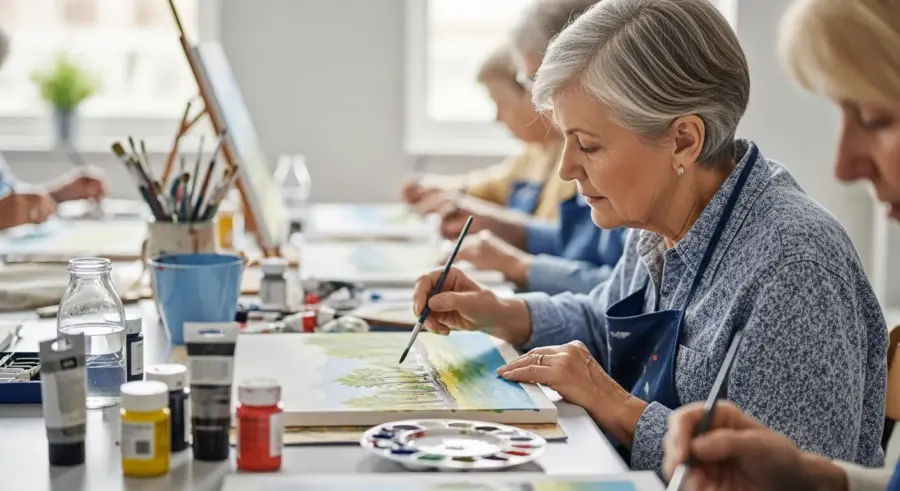
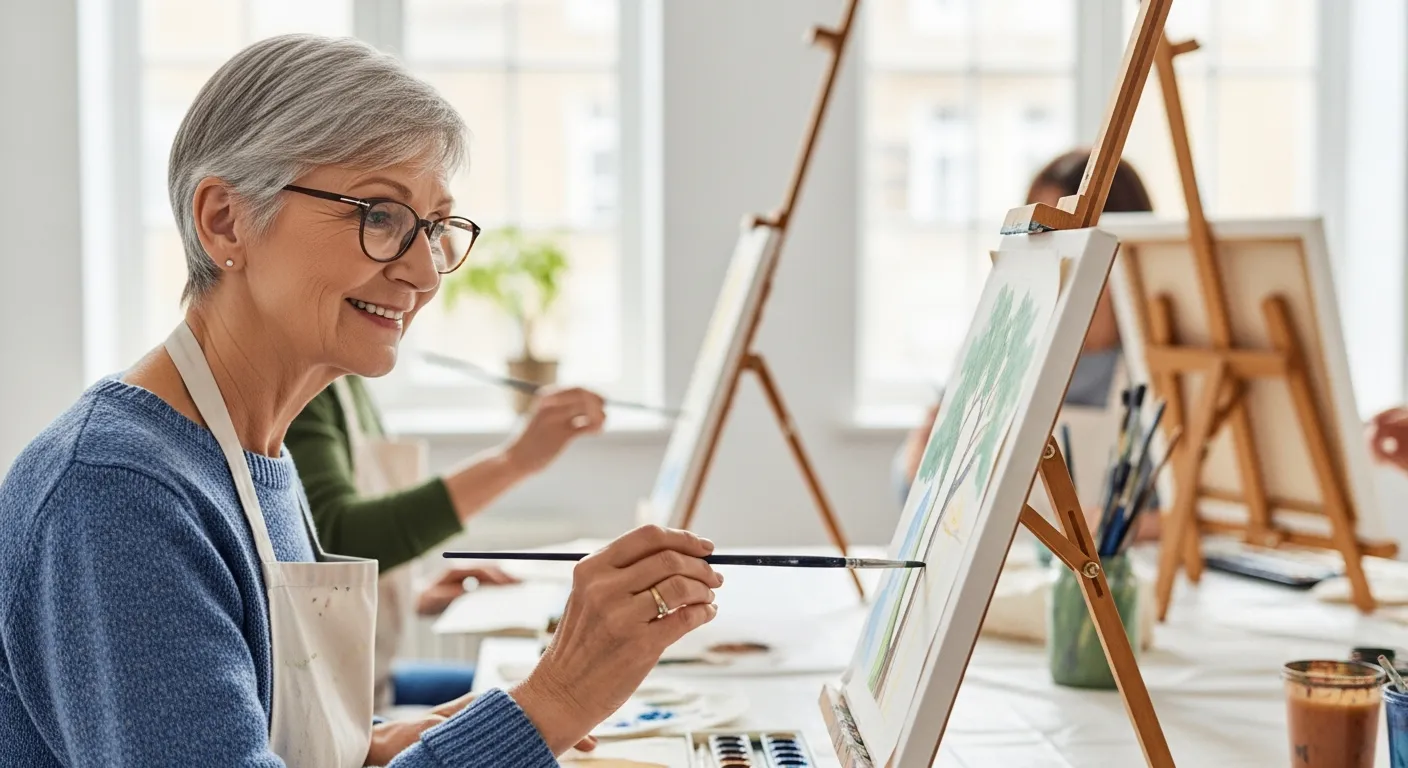
Painting classes are a popular choice, covering various techniques like watercolor, oil painting, and acrylics. These classes often focus on teaching basic skills such as color mixing, brushwork, and composition, allowing seniors to create beautiful landscapes, portraits, or abstract pieces.
Drawing classes are another excellent option, focusing on developing observational skills and mastering different drawing techniques. Seniors can learn to sketch still life, portraits, or landscapes using pencils, charcoal, or pastels.
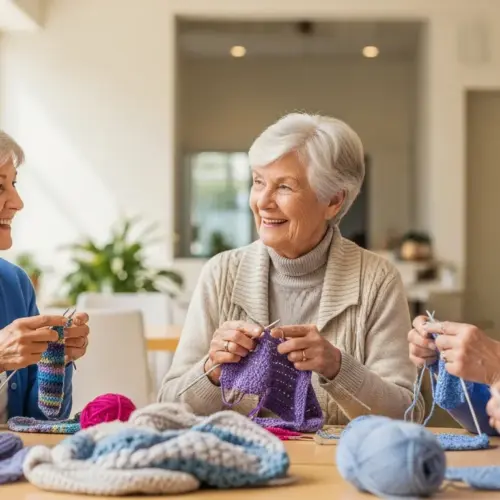
Craft classes elderly offer a hands-on approach to art, with options like pottery, jewelry making, and knitting. These classes not only provide a creative outlet but also improve fine motor skills and hand-eye coordination.
Digital art classes are becoming increasingly popular, teaching seniors how to create art using computers and tablets. These classes can cover topics like digital painting, photo editing, and graphic design.
Sculpting classes offer a three-dimensional art experience, allowing seniors to work with clay, wood, or other materials to create sculptures and figurines. These classes can improve spatial reasoning and hand strength.
Mixed media classes combine different art techniques and materials, encouraging seniors to experiment and create unique and expressive artwork. These classes can be a great way to explore different art forms and discover new passions.
Photography classes teach seniors how to capture beautiful and meaningful images using cameras or smartphones. These classes can cover topics like composition, lighting, and editing, allowing seniors to document their lives and share their perspectives.
Finding Art Classes in Your Community
Finding art classes in your community is easier than you might think. Many local organizations and institutions offer classes specifically designed for seniors, providing a supportive and engaging environment.
Community centers often host a variety of art classes for seniors, from painting and drawing to crafts and pottery. These classes are typically affordable and conveniently located, making them accessible to many older adults.
| Location Type | Benefits | Considerations |
|---|---|---|
| Community Centers | Affordable, convenient, social | Class availability may vary |
| Senior Centers | Tailored to seniors, social interaction, accessible | Limited class selection |
| Art Studios | Professional instruction, diverse mediums, creative environment | Higher cost, may require travel |
| Colleges/Universities | In-depth courses, potential for college credit, access to resources | Can be competitive, may require prerequisites |
| Online Platforms | Flexible schedule, wide range of classes, learn from home | Requires internet access, less social interaction |
Senior centers are another great resource for finding art classes tailored to older adults. These centers often offer a variety of programs and activities, including art classes, that are designed to promote social interaction and cognitive stimulation.
Local art studios and galleries may also offer classes for seniors. These classes often provide more specialized instruction and access to a wider range of art mediums and techniques.
Colleges and universities sometimes offer continuing education courses in art that are open to seniors. These courses can provide a more in-depth learning experience and the opportunity to earn college credit.
Online platforms offer a convenient way to take art classes from the comfort of your own home. Many websites and apps provide a wide range of art tutorials and courses for all skill levels.
Exploring Different Art Mediums
One of the exciting aspects of senior art classes is the opportunity to explore different art mediums. Each medium offers a unique set of challenges and rewards, allowing seniors to discover their preferred artistic style.
Painting mediums like watercolor are known for their delicate and translucent qualities, perfect for creating soft landscapes and ethereal effects. Acrylics, on the other hand, are more versatile and forgiving, allowing for bold colors and layering techniques.
Drawing mediums such as charcoal and graphite offer different textures and effects, from soft shading to sharp lines. Pastels provide a vibrant and tactile experience, allowing seniors to blend colors directly on the paper.
Sculpting mediums like clay offer a three-dimensional approach to art, allowing seniors to create tactile and expressive forms. Working with clay can be both therapeutic and physically engaging, improving hand strength and coordination.
Mixed media involves combining different art mediums, such as paint, collage, and found objects, to create unique and textured artwork. This approach encourages experimentation and allows for boundless creativity.
Digital art mediums, such as digital painting and graphic design software, offer a modern and accessible way to create art. These mediums allow for easy editing and sharing of artwork online.
Printmaking techniques, such as linocut and screen printing, involve creating multiple copies of an image using a matrix. These techniques can be a fun and rewarding way to create unique prints and patterns.
Textile arts, such as knitting, crocheting, and quilting, offer a tactile and functional approach to art. These crafts can be a relaxing and meditative way to create beautiful and useful items.
Benefits of Participating in Art Classes
Participating in senior art classes offers a multitude of benefits that extend far beyond just creating beautiful artwork. These classes provide a holistic approach to well-being, enhancing physical, mental, and social health.
Art classes can improve cognitive function by stimulating the brain and promoting neuroplasticity. Engaging in creative activities requires problem-solving, memory, and attention to detail, all of which help keep the mind sharp and agile.
- Enhanced cognitive function
- Reduced stress and anxiety
- Improved fine motor skills
- Increased social interaction
- Boosted self-esteem and confidence
Art classes can reduce stress and anxiety by providing a creative outlet for emotional expression. The act of creating art can be meditative and calming, allowing seniors to focus on the present moment and find a sense of peace.
Art classes can improve fine motor skills and hand-eye coordination, which are important for maintaining independence and performing daily tasks. Activities like painting, drawing, and sculpting require precise hand movements and coordination.
Art classes can increase social interaction and combat loneliness by providing a supportive and engaging environment where seniors can connect with others. Sharing a creative experience can foster a sense of camaraderie and belonging.
Art classes can boost self-esteem and confidence by providing seniors with a sense of accomplishment and pride in their creative abilities. Completing an art project can be a rewarding experience that enhances self-worth.
The Social Aspect of Senior Art Classes
Beyond the creative benefits, senior art classes provide a valuable opportunity for social interaction and connection. These classes offer a supportive and inclusive environment where seniors can meet new people, share experiences, and build lasting friendships.
The shared experience of creating art fosters a sense of camaraderie and belonging. Seniors can learn from each other, offer encouragement, and celebrate each other’s artistic achievements, creating a strong sense of community.
Participating in group art projects can further enhance social interaction and teamwork skills. Seniors can collaborate on murals, sculptures, or other artistic endeavors, fostering a sense of shared purpose and accomplishment.
The social aspect of senior art classes can be particularly beneficial for those who may be experiencing loneliness or isolation. These classes provide a regular opportunity to connect with others, combatting feelings of isolation and improving overall quality of life.
Art classes often involve discussions and critiques, providing opportunities for seniors to share their thoughts and ideas with others. This can help to improve communication skills and foster a sense of intellectual stimulation.
Many art classes also organize social events, such as gallery visits and potlucks, which provide additional opportunities for seniors to connect and socialize outside of the classroom. These events can help to strengthen friendships and build a stronger sense of community.
The friendships formed in senior art classes can extend beyond the classroom, with seniors meeting up for coffee, lunch, or other activities outside of class. These connections can provide valuable social support and companionship.
The social benefits of senior art classes can be particularly important for seniors who have recently retired or experienced other life changes that have reduced their social connections. These classes can provide a welcoming and supportive environment for building new friendships and staying socially engaged.
Overcoming Challenges and Accessibility
While senior art classes offer numerous benefits, it’s important to address potential challenges and ensure accessibility for all. Some seniors may face physical limitations, such as arthritis or vision impairment, which can make certain art activities difficult.
Adaptive art techniques and tools can help seniors overcome these challenges. For example, using larger brushes, ergonomic tools, or modified easels can make painting and drawing more comfortable and accessible.
Many art classes also offer accommodations for seniors with disabilities, such as providing accessible workspaces, offering individualized instruction, or adapting the curriculum to meet specific needs. It’s important to inquire about these accommodations when choosing a class.
Financial constraints can also be a barrier to participation for some seniors. Fortunately, many organizations offer scholarships, grants, or subsidized classes to make art education more affordable and accessible.
Transportation can be another challenge for some seniors, especially those who live in rural areas or have limited mobility. Some art classes offer transportation assistance or are located in accessible locations.
It’s important to choose an art class that is tailored to your individual needs and abilities. Consider your physical limitations, financial constraints, and transportation options when selecting a class.
Don’t be afraid to ask questions and communicate your needs to the instructor. A good instructor will be willing to work with you to find ways to make the class more accessible and enjoyable.
Remember that art is for everyone, regardless of age or ability. With the right accommodations and support, all seniors can enjoy the many benefits of participating in art classes.
Displaying and Sharing Your Artwork
Once you’ve created your masterpiece, displaying and sharing your artwork can be a rewarding experience. Showcasing your creations not only boosts your self-esteem but also inspires others and contributes to the artistic community.
Many senior art classes organize exhibitions or showcases where students can display their work. These events provide an opportunity to share your art with friends, family, and the wider community, celebrating your accomplishments and fostering a sense of pride.
Consider displaying your artwork at home, creating a personal gallery that reflects your creativity and style. You can also gift your artwork to loved ones, sharing your passion and creating lasting memories.
In today’s digital age, sharing your artwork online is another great way to connect with a wider audience. You can create a website or social media profile to showcase your creations, receive feedback, and connect with other artists.
Local community centers and libraries often have spaces where artists can display their work. Consider submitting your artwork for display in these venues to reach a wider audience.
Participating in local art fairs and festivals can be a fun and rewarding way to share your artwork and connect with other artists and art enthusiasts. These events provide a platform for showcasing your talent and selling your creations.
Donating your artwork to charity auctions or fundraisers can be a meaningful way to support a cause you care about while also sharing your talent with others. Your artwork can help to raise money for important programs and services.
Remember that sharing your artwork is not just about showing off your skills; it’s also about inspiring others and contributing to the artistic community. Your creativity can make a positive impact on the world.
The Role of Art in Maintaining Cognitive Health
Engaging in art is not just a fun pastime; it plays a significant role in maintaining cognitive health as we age. The act of creating art stimulates various parts of the brain, promoting neuroplasticity and cognitive reserve.
Studies have shown that regular participation in artistic activities can improve memory, attention, and problem-solving skills. Art challenges the brain to think creatively, adapt to new situations, and make connections between different ideas.
For seniors at risk of cognitive decline, art can be a valuable tool for slowing down the progression of the disease. Art therapy has been used to help individuals with dementia and Alzheimer’s maintain cognitive function, express emotions, and connect with their memories.
The cognitive benefits of art extend beyond just memory and attention. Art can also improve spatial reasoning, visual perception, and fine motor skills, all of which are essential for maintaining independence and quality of life.
Creating art requires the brain to process visual information, make decisions, and coordinate hand movements. These activities help to strengthen neural connections and improve cognitive function.
Art can also be a form of cognitive stimulation, challenging the brain to learn new skills and techniques. This can help to keep the mind active and engaged, reducing the risk of cognitive decline.
The emotional benefits of art can also contribute to cognitive health. By reducing stress and anxiety, art can help to protect the brain from the damaging effects of chronic stress.
The social interaction that often accompanies art classes can also be beneficial for cognitive health. Social engagement has been shown to improve cognitive function and reduce the risk of dementia.
Senior Art Classes: A Gateway to Lifelong Learning
Senior art classes provide a gateway to lifelong learning, encouraging seniors to explore new skills, discover hidden talents, and expand their horizons. These classes offer a stimulating and engaging environment where seniors can continue to grow and develop as individuals.
Learning new art techniques and mediums challenges the brain and keeps it active. The process of mastering new skills fosters a sense of accomplishment and boosts self-esteem, encouraging seniors to continue learning and exploring new interests.
Art classes also provide an opportunity to learn about art history, different artistic styles, and the works of famous artists. This exposure to art and culture enriches the mind and expands one’s understanding of the world.
Lifelong learning is essential for maintaining cognitive health and overall well-being as we age. Senior art classes provide a fun, engaging, and accessible way to continue learning and growing, contributing to a fulfilling and meaningful life.
The benefits of lifelong learning extend beyond just cognitive health. It can also improve social connections, reduce stress, and boost self-esteem.
Senior art classes provide a supportive and encouraging environment for lifelong learning. The instructors and fellow students can provide valuable feedback and support.
Learning new skills can also help seniors to adapt to changing circumstances and maintain a sense of purpose. This can be particularly important during retirement or other life transitions.
The sense of accomplishment that comes from mastering a new art skill can be a powerful motivator for continued learning. This can help seniors to stay engaged and active throughout their lives.
Conclusion
Senior art classes offer a wealth of benefits for older adults, encompassing creativity, social interaction, and cognitive stimulation. From reducing stress and improving mental well-being to fostering new friendships and enhancing cognitive function, the advantages of art classes are undeniable.
Whether you’re interested in painting, drawing, sculpting, or crafts, there’s a class out there waiting for you to explore your artistic potential. Embrace the opportunity to unleash your creativity, connect with others, and enrich your life through the transformative power of art.