As we age, maintaining physical and mental wellbeing becomes increasingly important. Incorporating activities that promote flexibility, balance, and social connection is key to a fulfilling life. Senior yoga benefits are numerous and offer a gentle yet effective way to enhance overall health.
This article explores the various advantages of yoga for older adults. We will also cover how to get started, including modifications like chair yoga for seniors, to make it accessible for everyone.
Whether you’re a seasoned yogi or a complete beginner, there’s a place for you in the world of senior yoga. Get ready to discover how yoga can transform your life, one pose at a time.
Physical Benefits of Yoga for Seniors
One of the most significant senior yoga benefits is improved flexibility. As we age, our muscles and joints tend to stiffen, limiting our range of motion.
Yoga poses gently stretch and lengthen muscles, making everyday tasks easier and more comfortable. Regular practice can help reduce stiffness and increase overall mobility.
Flexibility isn’t just about touching your toes; it’s about maintaining the ability to perform daily activities with ease. This can include reaching for items on shelves, bending to pick things up, or simply turning to look behind you.
Yoga helps counteract the natural stiffening that occurs with age. Through consistent stretching and mindful movement, you can regain and maintain a greater range of motion.
Balance is another critical area where yoga can make a big difference. Many falls in older adults are due to poor balance and coordination.
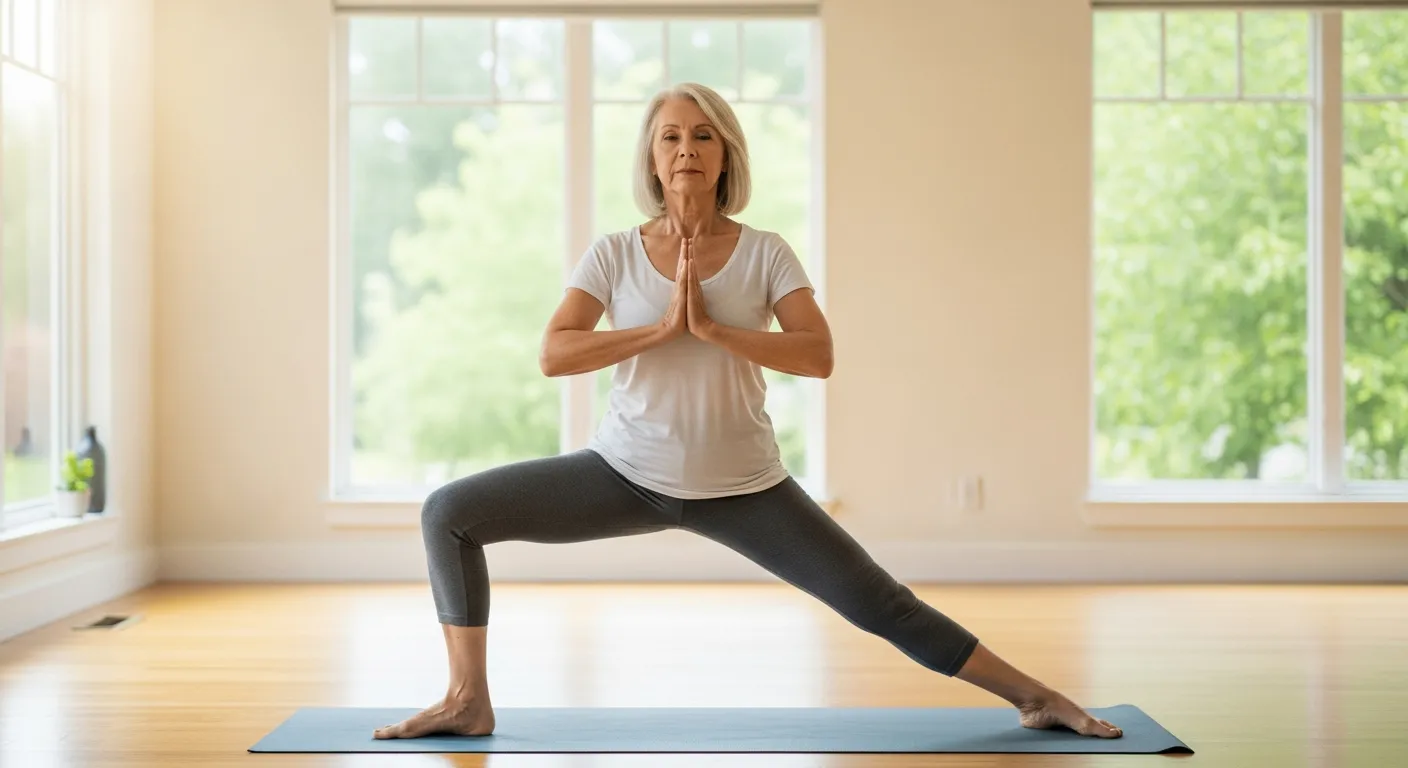
Yoga poses that focus on stability and body awareness can significantly improve balance, reducing the risk of falls. Even simple poses, when practiced regularly, can enhance your sense of equilibrium.
Maintaining balance is crucial for independence and confidence as we age. Fear of falling can lead to decreased activity and social isolation, which can further contribute to physical decline.
Yoga helps improve balance by strengthening the muscles in your legs, ankles, and core. It also enhances proprioception, your body’s ability to sense its position in space.
Yoga also helps build strength, which is essential for maintaining independence. Strong muscles support our bones and joints, making it easier to perform daily activities.
Gentle yoga poses can help strengthen muscles throughout the body without putting excessive strain on joints. This increased strength can improve posture, reduce pain, and boost overall physical function.
Strength training doesn’t have to involve heavy weights or strenuous exercises. Yoga uses your own body weight to build strength in a safe and controlled manner.
Stronger muscles make everyday tasks like carrying groceries, climbing stairs, and getting in and out of chairs much easier. This can significantly improve your quality of life and independence.
Beyond flexibility, balance, and strength, yoga can also improve cardiovascular health. While yoga is not a high-impact activity, certain styles and poses can elevate your heart rate and improve circulation.
Improved circulation helps deliver oxygen and nutrients to your cells, promoting overall health and vitality. This can also help reduce the risk of heart disease and stroke.
Mental and Emotional Benefits of Yoga
The benefits of yoga extend far beyond the physical realm. Yoga has a profound impact on mental and emotional wellbeing.
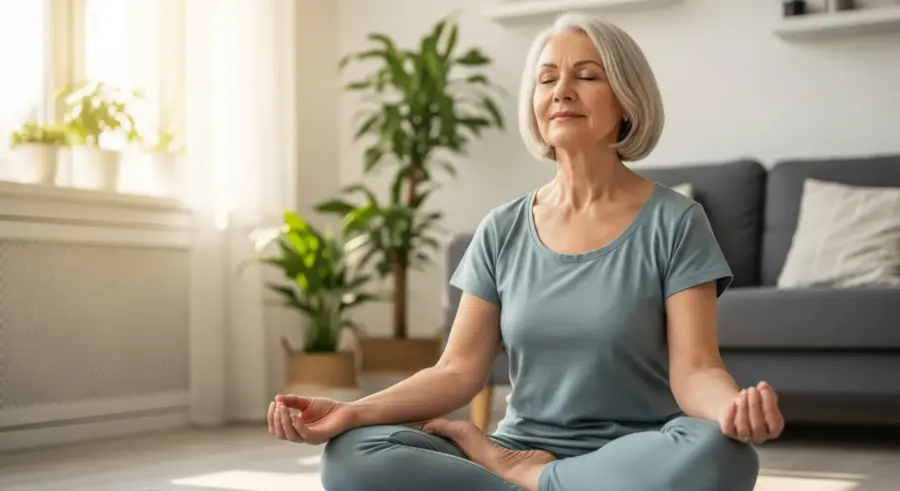
One of the key mental senior yoga benefits is stress reduction. The combination of physical postures, controlled breathing, and mindfulness helps calm the nervous system.
Regular yoga practice can lower cortisol levels, the hormone associated with stress, and promote relaxation. This can lead to a greater sense of calm and improved ability to cope with daily stressors.
Chronic stress can have a detrimental impact on both physical and mental health. It can contribute to high blood pressure, heart disease, anxiety, and depression.
Yoga provides a powerful tool for managing stress by promoting relaxation and reducing the body’s stress response. The deep breathing exercises and mindful movements help calm the mind and body.
Yoga can also help improve mood and alleviate symptoms of depression. The practice encourages the release of endorphins, natural mood boosters that can help combat feelings of sadness or anxiety.
Depression is a common issue among seniors, often linked to social isolation, chronic pain, and loss of loved ones. Yoga offers a natural and effective way to improve mood and alleviate depressive symptoms.
The physical activity involved in yoga helps stimulate the release of endorphins, which have mood-boosting effects. The mindful aspect of yoga also helps individuals become more aware of their thoughts and emotions, allowing them to manage them more effectively.
Mindfulness, a core component of yoga, involves paying attention to the present moment without judgment. This can help seniors become more aware of their thoughts and emotions, allowing them to respond to challenges with greater clarity and composure.
Practicing mindfulness can help reduce rumination, which is the tendency to dwell on negative thoughts and experiences. It can also improve focus and concentration, making it easier to stay present in the moment.
By cultivating mindfulness, seniors can develop a greater sense of self-awareness and emotional resilience. This can help them navigate the challenges of aging with greater ease and grace.
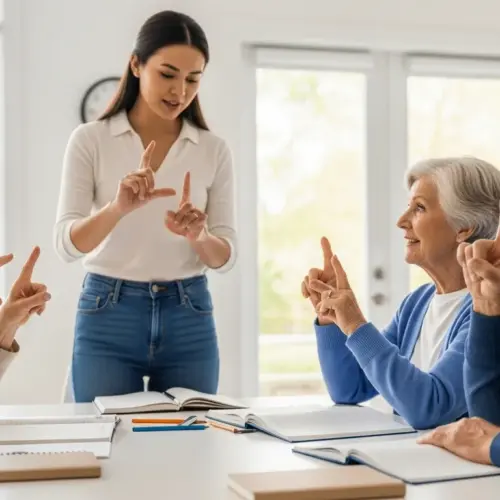
Yoga also fosters a sense of connection and community, which is particularly important for older adults who may be experiencing social isolation. Participating in group yoga classes provides opportunities to connect with others, share experiences, and build supportive relationships.
Social isolation can have a significant impact on mental and physical health, increasing the risk of depression, anxiety, and cognitive decline. Participating in group activities like yoga can help combat social isolation and promote a sense of belonging.
The shared experience of practicing yoga together can create a sense of camaraderie and connection. It provides an opportunity to meet new people, share stories, and build supportive relationships.
Beyond the mental and emotional benefits, yoga can also improve cognitive function. Studies have shown that regular yoga practice can enhance memory, attention, and executive function.
The combination of physical activity, mindfulness, and deep breathing helps improve blood flow to the brain, which can enhance cognitive function. Yoga can also help reduce stress and anxiety, which can interfere with cognitive performance.
By incorporating yoga into your routine, you can help maintain and improve your cognitive abilities as you age. This can help you stay sharp, focused, and engaged in life.
Essential Yoga Equipment for Seniors
To make your senior yoga practice safe and comfortable, having the right equipment is essential. Fortunately, you don’t need a lot to get started.
A good quality yoga mat is the foundation of your practice. Look for a mat that is non-slip and provides adequate cushioning to protect your joints.
A thicker mat can provide extra cushioning for sensitive joints like knees and hips. Consider a mat that is at least 1/4 inch thick for optimal comfort.
Non-slip surfaces are essential to prevent falls. Look for mats made from natural rubber or TPE (thermoplastic elastomer) for superior grip.
| Equipment | Benefits | Considerations |
|---|---|---|
| Yoga Mat | Provides cushioning and grip | Choose non-slip and appropriately thick |
| Yoga Blocks | Assist with balance and flexibility | Select foam or cork based on preference |
| Yoga Strap | Extends reach and supports alignment | Adjustable length for various poses |
| Chair | Offers support for chair yoga modifications | Sturdy and stable with a flat seat |
Yoga blocks can be incredibly helpful for beginners and those with limited flexibility. They provide support and help you achieve proper alignment in poses.
Blocks can be used to modify poses and make them more accessible. They can also help you deepen stretches and improve your range of motion.
Foam blocks are lightweight and soft, making them a good choice for beginners. Cork blocks are more firm and stable, providing more support for advanced poses.
A yoga strap is another useful tool for seniors with limited flexibility. It can help you extend your reach and maintain proper alignment in poses like seated forward bends.
The strap allows you to gradually increase your flexibility without straining your muscles. It can also help you maintain proper posture and prevent injuries.
Choose a strap that is adjustable and made from durable material. A cotton or nylon strap with a metal buckle is a good option.
A sturdy chair is essential for chair yoga modifications. Choose a chair that is stable and has a flat seat.
Avoid chairs with wheels or armrests, as these can be unstable and make it difficult to perform certain poses. Make sure the chair is the right height for you so that your feet can rest comfortably on the floor.
Gentle Yoga Poses for Beginners
Starting a yoga practice as a senior doesn’t require advanced skills or extreme flexibility. There are many gentle yoga poses that are perfect for beginners.
These poses focus on improving flexibility, balance, and strength without putting excessive strain on the body. It’s always a good idea to consult with a healthcare provider before starting any new exercise program.
Before starting any yoga practice, it’s important to warm up your muscles. Gentle stretches like neck rolls, shoulder circles, and ankle rotations can help prepare your body for more challenging poses.
Remember to breathe deeply and evenly throughout your practice. Controlled breathing helps calm the nervous system and improve circulation.
One of the simplest and most effective poses is Mountain Pose (Tadasana). This pose helps improve posture and body awareness.
Stand tall with your feet hip-width apart, arms at your sides, and shoulders relaxed. Engage your core and feel your weight evenly distributed on your feet.
Visualize a string pulling you up from the crown of your head. This will help you maintain good posture and alignment.
Mountain pose is a foundational pose that can be incorporated into many other yoga sequences. It helps you connect with your body and improve your sense of grounding.
Another great pose for beginners is Child’s Pose (Balasana). This pose is a gentle stretch for the back and hips and can be very relaxing.
Start on your hands and knees, then sit back on your heels, bringing your forehead to the floor. Extend your arms forward or rest them alongside your body.
If you have difficulty sitting back on your heels, you can place a pillow or blanket between your thighs and calves. This will help reduce the pressure on your knees.
Child’s pose is a restorative pose that can help relieve stress and anxiety. It’s a great pose to do when you’re feeling overwhelmed or tired.
Cat-Cow Pose (Marjaryasana to Bitilasana) is a gentle way to warm up the spine and improve flexibility. Start on your hands and knees, with your wrists under your shoulders and your knees under your hips.
As you inhale, drop your belly towards the floor and lift your head and tailbone (Cow Pose). As you exhale, round your spine towards the ceiling and tuck your chin to your chest (Cat Pose).
Coordinate your breath with your movement. Inhale as you move into Cow Pose and exhale as you move into Cat Pose.
Cat-Cow Pose helps improve spinal mobility and flexibility. It can also help relieve back pain and improve posture.
Standing Forward Bend (Uttanasana) is another beneficial pose for seniors. This pose stretches the hamstrings and lower back.
Stand with your feet hip-width apart and gently bend forward from your hips. Keep your knees slightly bent and let your head hang heavy.
If you can’t reach the floor, you can place your hands on your shins or use yoga blocks for support. Avoid forcing yourself to go too far.
Standing Forward Bend can help relieve stress and improve circulation to the brain. It’s also a good pose to do before bed to promote relaxation.
Chair Yoga Modifications for Limited Mobility
Chair yoga is a fantastic option for seniors with limited mobility or those who find it difficult to get down on the floor. It allows you to enjoy the senior yoga benefits while seated in a chair.
Many traditional yoga poses can be modified to be performed in a chair, making yoga accessible to a wider range of individuals. Always use a sturdy chair without wheels.
Chair yoga is a safe and effective way to improve flexibility, balance, and strength. It can also help reduce stress and improve mental wellbeing.
Before starting any chair yoga practice, it’s important to consult with your healthcare provider. This is especially important if you have any underlying health conditions.
- Seated Mountain Pose
- Seated Cat-Cow Pose
- Seated Forward Bend
- Seated Spinal Twist
- Seated Warrior Poses
Seated Mountain Pose is a great way to start your chair yoga practice. Sit tall in your chair with your feet flat on the floor and your arms at your sides.
Engage your core and feel your spine lengthening. This pose helps improve posture and body awareness.
Seated Cat-Cow Pose is a gentle way to warm up the spine while seated. Sit tall in your chair and place your hands on your knees.
As you inhale, arch your back and lift your chest (Cow Pose). As you exhale, round your spine and tuck your chin to your chest (Cat Pose).
Seated Forward Bend is a great way to stretch the hamstrings and lower back while seated. Sit tall in your chair and extend your legs out in front of you.
Gently bend forward from your hips, reaching towards your toes. If you can’t reach your toes, you can place your hands on your shins or thighs.
Seated Spinal Twist helps improve spinal mobility and flexibility. Sit tall in your chair and place your feet flat on the floor.
Twist your torso to the right, placing your left hand on your right knee and your right hand on the back of the chair. Repeat on the other side.
Seated Warrior Poses help build strength and improve balance while seated. Sit tall in your chair and extend your arms out to the sides.
Bend your right knee and turn your torso to the right. Hold the pose for a few breaths and then repeat on the other side.
Finding Yoga Classes and Instructors for Seniors
One of the best ways to get started with yoga is to join a class specifically designed for seniors. These classes are tailored to meet the unique needs and abilities of older adults.
Look for instructors who are experienced in working with seniors and understand the modifications necessary to accommodate various physical limitations. Check community centers, senior centers, and local yoga studios for classes in your area.
Many community centers and senior centers offer affordable yoga classes for seniors. These classes are often taught by experienced instructors who specialize in working with older adults.
Local yoga studios may also offer classes specifically designed for seniors. These classes may be more expensive, but they often provide a more personalized experience.
When choosing a class, consider the instructor’s qualifications and experience. Ask about their training and whether they have experience working with seniors with similar health conditions to your own.
A qualified instructor will have a strong understanding of anatomy and physiology. They will also be able to modify poses to accommodate your individual needs and limitations.
It’s also a good idea to observe a class before signing up to see if the style and pace are a good fit for you. Don’t hesitate to ask questions and communicate your needs to the instructor.
Pay attention to the instructor’s teaching style and whether they provide clear and concise instructions. Make sure you feel comfortable and supported in the class.
If you prefer to practice at home, there are many online resources available, including videos and guided meditations. Look for reputable sources that offer classes specifically designed for seniors.
Many websites and apps offer online yoga classes for seniors. These classes can be a convenient and affordable way to practice yoga at home.
Be sure to choose videos that demonstrate proper alignment and offer modifications for different levels of ability. It’s also a good idea to have a friend or family member nearby when you first start practicing at home.
Look for videos that are led by qualified instructors who have experience working with seniors. Make sure the video provides clear and concise instructions and offers modifications for different levels of ability.
Safety Tips for Senior Yoga
Safety should always be a top priority when practicing yoga, especially for seniors. Here are some essential safety tips to keep in mind.
Always consult with your healthcare provider before starting a new exercise program, including yoga. This is especially important if you have any underlying health conditions or concerns.
Your healthcare provider can help you determine if yoga is safe for you and recommend any necessary modifications. They can also advise you on any specific precautions you should take.
Listen to your body and don’t push yourself too hard. Yoga is not about achieving perfect poses; it’s about moving your body in a way that feels good.
Pay attention to your body’s signals and stop if you feel any pain or discomfort. It’s okay to modify poses or skip them altogether if they don’t feel right for you.
If you experience any pain or discomfort, stop the pose immediately and rest. It’s okay to modify poses or skip them altogether if they don’t feel right for you.
Don’t be afraid to ask your instructor for modifications. They can help you find a variation of the pose that is safe and comfortable for you.
Use props, such as yoga blocks, straps, and chairs, to support your body and improve alignment. These props can help you achieve poses safely and comfortably.
Props can help you modify poses and make them more accessible. They can also help you deepen stretches and improve your range of motion.
Practice in a safe and comfortable environment. Make sure you have enough space to move freely and that the floor is non-slip.
Remove any obstacles that could cause you to trip or fall. Make sure the room is well-lit and that the temperature is comfortable.
Stay hydrated by drinking plenty of water before, during, and after your yoga practice. This will help keep your muscles and joints lubricated.
Dehydration can lead to muscle cramps and fatigue. Drink plenty of water throughout the day, especially before, during, and after exercise.
Wear comfortable clothing that allows you to move freely. Avoid clothing that is too tight or restrictive.
Choose clothing that is breathable and allows you to move freely without restriction. Avoid wearing jewelry or accessories that could get in the way.
Integrating Yoga into Your Daily Routine
Consistency is key to experiencing the full senior yoga benefits. Aim to incorporate yoga into your daily routine as often as possible.
Even a few minutes of yoga each day can make a big difference in your overall health and wellbeing. Start by setting realistic goals and gradually increasing the duration and frequency of your practice.
Start with just 10-15 minutes of yoga each day and gradually increase the duration as you become more comfortable. Even a short practice is better than no practice at all.
Try incorporating simple yoga poses into your morning routine to help you start your day feeling energized and refreshed. Gentle stretches can help loosen stiff muscles and improve circulation.
A few simple stretches in the morning can help improve your posture and reduce stiffness. This can make it easier to perform daily activities and improve your overall mood.
You can also use yoga as a way to unwind and relax before bedtime. Gentle poses and deep breathing exercises can help calm your mind and prepare you for a restful night’s sleep.
Yoga can help reduce stress and anxiety, which can interfere with sleep. Gentle poses and deep breathing exercises can help calm your mind and prepare you for a restful night’s sleep.
Consider joining a yoga class or finding an online video that you enjoy and make it a regular part of your schedule. Having a set time and place for your practice can help you stay motivated and committed.
Scheduling your yoga practice in advance can help you stay on track. Treat it like any other important appointment and make it a priority.
Be patient with yourself and celebrate your progress along the way. Yoga is a lifelong journey, and every step you take is a step towards better health and wellbeing.
Don’t get discouraged if you don’t see results immediately. Yoga takes time and practice. Just keep showing up and you will eventually see improvements in your flexibility, balance, and strength.
Conclusion
Senior yoga benefits offer a holistic approach to improving physical, mental, and emotional wellbeing. From enhancing flexibility and balance to reducing stress and promoting social connection, yoga has something to offer everyone.
Yoga is a safe and effective way to improve your overall health and wellbeing as you age. It’s a gentle and adaptable practice that can be modified to meet your individual needs and abilities.
By incorporating gentle yoga poses, chair yoga modifications, and mindful practices into your daily routine, you can experience the transformative power of yoga. Embrace the journey and discover the many ways yoga can enrich your life.
Start slowly, listen to your body, and be patient with yourself. With consistent practice, you can experience the many benefits of yoga and improve your quality of life.