
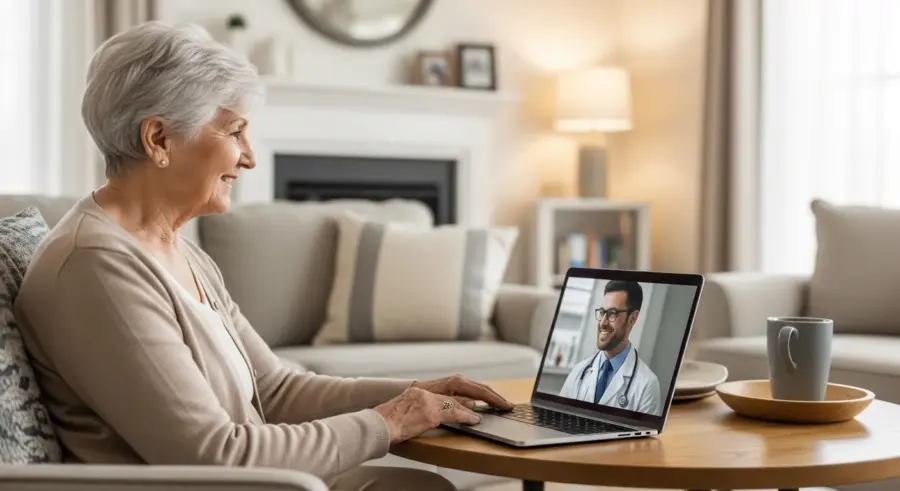
Staying connected to healthcare providers is essential as we age, but getting to appointments can become challenging. Fortunately, modern technology offers a solution: telehealth. Telehealth for seniors provides a convenient way to access medical care from the comfort of home.
This approach eliminates the need for travel, reduces exposure to germs in waiting rooms, and saves time. With telehealth, receiving quality healthcare is more accessible than ever before for older adults.
This article will examine the benefits of telehealth for seniors. We’ll also explore how it works, how to prepare for virtual doctor visits, and how to find telehealth providers.
Understanding Telehealth and its Benefits
Telehealth, also known as telemedicine, uses technology to deliver healthcare services remotely. This includes virtual consultations, remote monitoring, and online prescriptions.
For seniors, the benefits of telehealth are numerous. One of the most significant advantages is convenience; seniors can avoid the hassle of transportation, which can be particularly challenging for those with mobility issues or limited access to transportation.
Telehealth also reduces the risk of exposure to illnesses. Waiting rooms can be breeding grounds for germs, and virtual visits eliminate this concern, which is especially important for seniors with weakened immune systems.
Another benefit is the time saved by avoiding travel and waiting at the doctor’s office. Virtual appointments often start on time, and follow-up appointments can be scheduled more flexibly.
Telehealth offers a way to manage chronic conditions effectively. Regular virtual check-ins can help seniors stay on track with their treatment plans.

This is especially helpful for conditions like diabetes, hypertension, and heart disease. Telehealth can also improve medication adherence by allowing healthcare providers to easily monitor and adjust prescriptions.
The accessibility of telehealth extends to rural areas where healthcare options are limited. Seniors in these communities can connect with specialists and receive the care they need without having to travel long distances.
This can significantly improve their quality of life and overall health outcomes. Telehealth is also beneficial for seniors who live in assisted living facilities or nursing homes.
Virtual visits can be easily integrated into their care plans, providing convenient access to medical expertise. This can reduce the need for hospital readmissions and improve coordination of care.
Mental health support is another important aspect of telehealth for seniors. Many older adults experience feelings of isolation, loneliness, or depression, and virtual therapy sessions can provide a much-needed outlet for emotional support.
Telehealth can also help seniors stay connected with their families. Family members can participate in virtual appointments, providing support and helping to advocate for their loved ones’ healthcare needs.
How Telehealth Works
Telehealth appointments typically involve a virtual consultation with a healthcare provider using a computer, tablet, or smartphone. These devices must have a camera and microphone for effective communication.
During a virtual doctor visit, the healthcare provider can discuss symptoms, review medical history, and conduct a visual examination. They may also be able to order tests, prescribe medications, and provide referrals to specialists.
Some telehealth platforms offer remote monitoring services. This involves using devices to track vital signs like blood pressure, heart rate, and blood sugar levels, which can then be shared with the healthcare provider.
This continuous monitoring can help manage chronic conditions more effectively and prevent complications. It is a great way for seniors to stay on top of their health.
The process usually starts with scheduling an appointment through an online portal or by phone. Once the appointment is confirmed, you’ll receive instructions on how to access the virtual visit.
This often involves downloading a specific app or clicking on a link provided by the telehealth provider. Before the appointment, it’s a good idea to test your equipment and ensure that your camera and microphone are working properly.
During the virtual consultation, the healthcare provider will ask questions about your health concerns and conduct a visual examination using the camera. They may also ask you to perform simple tasks, such as taking your temperature or checking your pulse.
Based on the information gathered during the visit, the healthcare provider will develop a treatment plan and discuss it with you. They may also prescribe medications, order tests, or refer you to a specialist if necessary.
After the appointment, you’ll typically receive a summary of the visit and any instructions for follow-up care. You can also access your medical records and communicate with the healthcare provider through the telehealth platform.
Telehealth platforms often incorporate secure messaging systems. This allows for convenient communication between patients and providers for non-urgent questions or concerns.
Some platforms also offer educational resources and support groups. These can help seniors learn more about their health conditions and connect with others who are going through similar experiences.
Key Considerations for Telehealth Technology
When considering telehealth, it’s important to assess your comfort level with technology. Basic computer skills are necessary to navigate the telehealth platform and participate in virtual appointments.
If you’re not tech-savvy, ask a family member or friend for assistance. Many telehealth providers also offer technical support to help patients get started.
You’ll also need a reliable internet connection to ensure a smooth virtual visit. A wired connection is often more stable than Wi-Fi, but a strong Wi-Fi signal can also work.
Make sure your device is properly charged before the appointment to avoid interruptions. It’s also a good idea to familiarize yourself with the telehealth platform’s features and controls beforehand.
Consider the type of device you’ll be using for telehealth appointments. A larger screen, such as a tablet or computer, may be easier to see than a smartphone.
Ensure that the device has a clear camera and microphone for effective communication. Some devices may require additional software or apps to be installed before you can use the telehealth platform.
If you have any visual or hearing impairments, explore assistive technology options. These might include screen magnification software, text-to-speech programs, or headphones with noise cancellation.
Many telehealth platforms are designed to be accessible to people with disabilities. Look for platforms that offer features like adjustable font sizes, keyboard navigation, and screen reader compatibility.
It’s also important to consider the security and privacy of the telehealth platform. Make sure the platform uses encryption to protect your personal and medical information.
Read the platform’s privacy policy carefully to understand how your data will be used and stored. Choose a telehealth provider that is HIPAA compliant and committed to protecting your privacy.
Don’t hesitate to ask the telehealth provider about their security measures. They should be able to explain how they protect your information and ensure the confidentiality of your virtual visits.
Preparing for a Telehealth Appointment
Just like a traditional doctor’s visit, preparation is key to a successful telehealth appointment. Before the appointment, gather all relevant medical information, including a list of current medications, allergies, and medical history.
Write down any symptoms or concerns you want to discuss with the healthcare provider. This will help you stay organized and ensure that you address all your questions during the virtual visit.
| Preparation Step | Description | Why it’s Important |
|---|---|---|
| Gather Medical Information | List medications, allergies, medical history | Provides a complete picture of your health |
| Write Down Questions | Prepare a list of symptoms and concerns | Ensures all issues are addressed |
| Check Technology | Test your device, internet connection, and camera | Avoids technical difficulties during the appointment |
| Find a Quiet Space | Choose a private and well-lit area | Promotes clear communication and privacy |
Test your device, internet connection, and camera beforehand to avoid technical difficulties during the appointment. Choose a quiet and well-lit space where you can speak openly and honestly with the healthcare provider.
Wear comfortable clothing that allows the healthcare provider to easily examine any areas of concern. Have a pen and paper ready to take notes during the appointment.
If you have any assistive devices, such as hearing aids or glasses, make sure you have them with you. It’s also a good idea to have a family member or friend present during the appointment, especially if you have difficulty understanding or communicating.
Be prepared to answer questions about your lifestyle, diet, and exercise habits. The healthcare provider may also ask about your mental and emotional well-being.
If you’re using remote monitoring devices, make sure they are properly calibrated and functioning correctly. Have the readings from these devices readily available to share with the healthcare provider.
During the appointment, speak clearly and concisely. Avoid using jargon or technical terms that the healthcare provider may not understand.
If you have any questions or concerns, don’t hesitate to ask. It’s important to be an active participant in your healthcare and to feel comfortable with the treatment plan.
After the appointment, review the summary of the visit and any instructions for follow-up care. Contact the healthcare provider if you have any questions or if your symptoms worsen.
Finding Telehealth Providers
Many healthcare systems and hospitals now offer telehealth services. Start by checking with your primary care physician or specialist to see if they offer virtual doctor visits.
Your insurance provider may also have a list of in-network telehealth providers. Online directories and telehealth platforms can also help you find providers who meet your specific needs.
When choosing a telehealth provider, consider their qualifications, experience, and areas of expertise. Read reviews and ask for recommendations from friends or family members.
Make sure the provider is licensed and board-certified. It’s also important to check if they accept your insurance and offer the specific services you need.
Look for telehealth providers who specialize in geriatric care. These providers have experience working with seniors and understand their unique healthcare needs.
Consider the telehealth provider’s communication style and approach to patient care. Choose a provider who is patient, compassionate, and willing to listen to your concerns.
Check if the telehealth provider offers a variety of communication options. This might include video conferencing, phone calls, and secure messaging.
Explore different telehealth platforms and compare their features and pricing. Some platforms offer a wider range of services than others, such as remote monitoring and online pharmacies.
Read the terms and conditions of the telehealth platform carefully before signing up. Make sure you understand the platform’s privacy policy and security measures.
Consider the telehealth provider’s availability and scheduling options. Choose a provider who offers convenient appointment times and flexible scheduling.
Don’t be afraid to ask questions before choosing a telehealth provider. It’s important to find a provider who you trust and feel comfortable with.
Understanding the Costs of Telehealth
The cost of telehealth can vary depending on your insurance coverage and the provider you choose. Many insurance plans, including Medicare and Medicaid, now cover telehealth services, but it’s important to check your specific plan details.
Some telehealth providers offer subscription-based services or charge a fee per visit. Be sure to understand the costs involved before scheduling an appointment.
- Check your insurance coverage
- Compare prices between providers
- Ask about subscription options
- Inquire about financial assistance programs
- Factor in transportation costs saved
Telehealth can often be more affordable than traditional in-person visits. This is especially true when you factor in the cost of transportation, parking, and time off from work.
Contact your insurance provider to determine your coverage for telehealth services. Ask about copays, deductibles, and any limitations on the number of virtual visits you can have.
Some insurance plans may require pre-authorization for certain telehealth services. Be sure to obtain pre-authorization if necessary to avoid unexpected costs.
If you don’t have insurance, explore options for affordable telehealth services. Some telehealth providers offer discounted rates for uninsured patients.
Consider the cost of any remote monitoring devices that may be required for telehealth services. Some insurance plans may cover the cost of these devices, while others may not.
Ask the telehealth provider about their billing practices and payment options. Make sure you understand how you will be billed for services and what payment methods are accepted.
Keep track of your telehealth expenses and submit them to your insurance provider for reimbursement if applicable. Save copies of all bills and receipts for your records.
Be aware of any potential hidden costs associated with telehealth services. This might include fees for missed appointments or for accessing your medical records online.
Addressing Common Concerns About Telehealth
Some seniors may have concerns about the quality of care received through telehealth. It’s important to remember that telehealth is not a replacement for in-person care, but rather a supplement to it.
For many conditions, virtual doctor visits can be just as effective as traditional appointments. Telehealth allows for convenient follow-up care, medication management, and chronic disease monitoring.
However, telehealth may not be appropriate for all situations. If you have a serious medical condition or need a physical examination, an in-person visit may be necessary.
Talk to your healthcare provider about whether telehealth is right for you. They can assess your individual needs and recommend the best course of treatment.
Address any concerns you have about the security and privacy of telehealth platforms. Choose a provider that uses encryption and adheres to HIPAA regulations.
If you’re worried about the technical aspects of telehealth, ask for assistance from a family member, friend, or technical support specialist. Many telehealth providers offer training and support to help patients get started.
Be open and honest with your healthcare provider about your concerns. They can address your questions and provide reassurance.
Remember that telehealth is a relatively new technology, and it’s constantly evolving. As telehealth becomes more widespread, it’s likely that many of the current concerns will be addressed.
Focus on the benefits of telehealth, such as convenience, accessibility, and cost savings. These advantages can significantly improve the quality of life for seniors.
Consider starting with a simple telehealth appointment, such as a follow-up visit or a medication review. This can help you get comfortable with the technology and the process.
Don’t be afraid to try telehealth and see if it’s right for you. It may be a valuable tool for managing your health and staying connected to your healthcare providers.
The Future of Telehealth for Seniors
Telehealth is rapidly evolving, and its role in senior care is expected to grow even further in the coming years. As technology advances, virtual doctor visits will become even more sophisticated and accessible.
Remote monitoring devices will become more accurate and user-friendly. This will allow healthcare providers to track patients’ health in real-time and intervene early when necessary.
Telehealth has the potential to transform healthcare for seniors. It can improve access to care, reduce costs, and enhance the overall patient experience.
By embracing telehealth, seniors can take control of their health and stay connected to their healthcare providers, no matter where they are.
Artificial intelligence (AI) is expected to play a significant role in the future of telehealth. AI-powered tools can help healthcare providers diagnose conditions, personalize treatment plans, and monitor patients’ health.
Virtual reality (VR) and augmented reality (AR) technologies may also be used in telehealth to provide immersive and interactive healthcare experiences. This could include virtual physical therapy sessions or simulations of medical procedures.
Telehealth is likely to become more integrated with other healthcare technologies, such as electronic health records (EHRs) and wearable devices. This will allow for seamless sharing of information between patients and providers.
The regulatory landscape for telehealth is also expected to evolve in the coming years. This could include changes to reimbursement policies and licensing requirements.
Telehealth has the potential to address some of the challenges facing the healthcare system, such as the shortage of healthcare providers and the rising cost of care. By expanding access to care and improving efficiency, telehealth can help create a more sustainable healthcare system.
The adoption of telehealth by seniors is likely to increase as technology becomes more user-friendly and affordable. As more seniors become comfortable with telehealth, it will become an integral part of their healthcare routine.
Telehealth can empower seniors to take a more active role in their healthcare. By providing them with access to information and tools, telehealth can help them make informed decisions about their health and well-being.
Conclusion
Telehealth offers a promising solution for seniors seeking convenient and accessible healthcare. Virtual doctor visits, online prescriptions, and remote monitoring can improve the quality of life for older adults.
By understanding the benefits, how it works, and how to prepare for virtual appointments, seniors can make the most of this technology. Embrace telehealth and experience the future of healthcare from the comfort of your own home.