
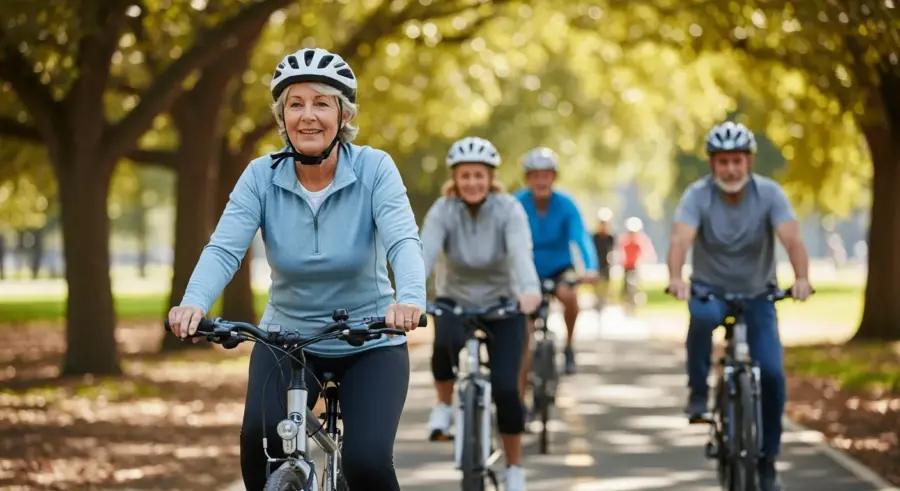
Cycling offers a fantastic way for seniors to stay active and connected. Joining senior cycling groups can provide both physical and social benefits. It’s a great way to explore your surroundings while enjoying the company of like-minded individuals.
These groups often cater to different skill levels, ensuring everyone feels comfortable and included. So, grab your helmet and get ready to experience the joys of cycling with your peers.
This article will guide you through the advantages of cycling, how to find local groups, and tips for safe and enjoyable rides. We’ll also cover bike selection, maintenance, and proper group riding etiquette.
The Health Benefits of Cycling for Seniors
Cycling is a low-impact exercise that’s gentle on the joints, making it ideal for seniors. Regular cycling can improve cardiovascular health and lower blood pressure.
It also helps to strengthen muscles, particularly in the legs and core. This can improve balance and reduce the risk of falls.
Beyond the physical advantages, cycling can significantly boost mental well-being. The endorphins released during exercise act as natural mood elevators.
Cycling outdoors also provides exposure to sunlight, which helps the body produce vitamin D. Vitamin D is essential for bone health and immune function.
Cycling can be a great way to manage weight and improve overall fitness. It burns calories and helps build lean muscle mass.
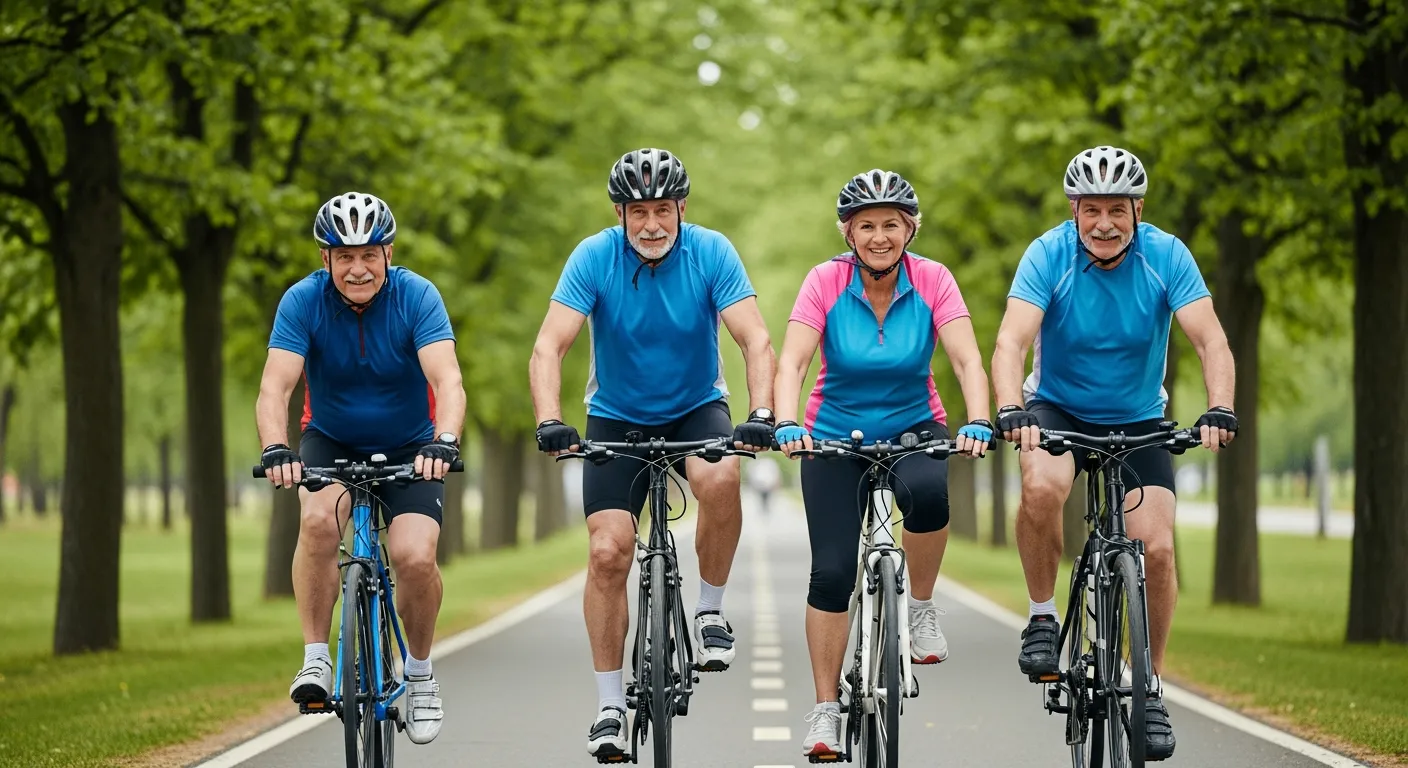
Improved cardiovascular health translates to a reduced risk of heart disease and stroke. Cycling helps to keep your heart strong and efficient.
Strengthening leg muscles through cycling can make everyday activities like walking and climbing stairs easier. This helps seniors maintain their independence and mobility.
The mental benefits extend beyond mood enhancement. Cycling can improve cognitive function and memory.
The repetitive motion of pedaling can have a calming effect, reducing stress and anxiety. It allows you to clear your mind and focus on the present moment.
Vitamin D from sunlight exposure is crucial for maintaining strong bones and preventing osteoporosis. It also plays a role in regulating the immune system and reducing inflammation.
Cycling can also improve sleep quality. Regular physical activity helps regulate your sleep-wake cycle.
It is also a good way to increase energy levels. While it may seem counterintuitive, exercise can actually combat fatigue and boost energy.
Cycling can improve your overall sense of well-being. It can make you feel more confident, capable, and connected to your surroundings.
The benefits of cycling are cumulative, meaning the more you cycle, the greater the rewards. Make cycling a regular part of your routine for long-term health and happiness.
Finding Cycling Groups in Your Area
Finding senior cycling groups is easier than you might think. Start by checking with your local senior center or community center.
They often have organized activities and clubs specifically for seniors. You can also search online for “senior bike clubs” or “cycling groups for elderly” in your city or region.
Websites like Meetup.com and local cycling organizations can be great resources. Don’t hesitate to ask friends or family if they know of any cycling groups in the area.
Many bike shops also host group rides or can point you towards local cycling clubs. Consider visiting a few different groups to find one that matches your interests and skill level.
Don’t overlook the power of social media. Facebook groups and other online forums can be excellent places to find local cycling communities.
Check with local hospitals or wellness centers. They sometimes offer cycling programs or can connect you with resources in the community.
Consider attending local cycling events or races. These events often attract cyclists of all ages and abilities, providing opportunities to meet new people and learn about local clubs.
Many retirement communities also have cycling clubs or organized rides. If you live in a retirement community, check with the activities director for information.
When searching online, be sure to use specific keywords to narrow your results. Try searching for “adaptive cycling groups” or “cycling groups for seniors with disabilities” if needed.
Look for groups that offer beginner-friendly rides and instruction. This can help you build confidence and skills before joining more advanced rides.
Visit a few different groups to see which one feels like the best fit. Consider factors like the average age of the members, the pace of the rides, and the types of routes they typically ride.
Don’t be afraid to ask questions. Contact the group leader or other members to learn more about the group and its activities.
Consider starting your own cycling group if you can’t find one that meets your needs. This can be a great way to connect with other seniors in your area and create a cycling community.
Remember that cycling groups are not just about riding bikes. They’re also about building friendships and enjoying the camaraderie of like-minded individuals.
So, get out there and start exploring your local cycling scene. You might be surprised at how many opportunities there are to connect with other senior cyclists.
Choosing the Right Bike for Seniors
Selecting the right bike is essential for a comfortable and safe cycling experience. Consider a step-through frame, which makes it easier to mount and dismount the bike.
Comfort bikes and hybrid bikes are popular choices for seniors due to their upright riding position and padded seats. Electric bikes (e-bikes) can also be a great option, providing assistance when needed, especially on hills.
| Bike Type | Pros | Cons |
|---|---|---|
| Comfort Bike | Upright position, comfortable seat, easy to handle | Can be slower on hills, not ideal for long distances |
| Hybrid Bike | Versatile, good for paved and unpaved surfaces, moderate speed | Less comfortable than comfort bikes, can be heavy |
| Electric Bike | Assistance on hills, longer distances, less strain | More expensive, heavier, requires charging |
| Step-Through Bike | Easy to mount and dismount, comfortable, stable | Not as efficient for speed, limited gear options |
Make sure to get the right frame size to ensure a proper fit. Visit a local bike shop to get professional advice and try out different models.
Consider features like adjustable handlebars, suspension forks, and comfortable grips. These small adjustments can make a big difference in your overall riding experience.
When choosing a bike, prioritize comfort and stability. Look for features that will make your rides more enjoyable and less strenuous.
Consider the type of terrain you’ll be riding on. If you plan to ride primarily on paved roads, a comfort bike or hybrid bike may be a good choice. If you plan to ride on unpaved trails, a hybrid bike with wider tires may be more suitable.
An electric bike can be a great option if you have difficulty with hills or long distances. The motor provides assistance, allowing you to ride further and with less effort.
Pay attention to the gearing of the bike. Lower gears will make it easier to climb hills, while higher gears will allow you to ride faster on flat surfaces.
Consider the weight of the bike. A lighter bike will be easier to handle and maneuver, especially for seniors with limited strength.
Look for bikes with ergonomic grips and saddles. These features can help reduce hand and wrist fatigue and improve overall comfort.
Consider adding accessories like a basket or panniers to carry groceries or other items. This can make your bike more practical for everyday use.
Don’t be afraid to try out different bikes before making a decision. Most bike shops will allow you to take a bike for a test ride.
Get a professional bike fit. A proper bike fit can help prevent injuries and improve your overall riding experience.
Consider the long-term cost of ownership. Factor in the cost of maintenance, repairs, and accessories when making your decision.
Choosing the right bike is an investment in your health and well-being. Take your time and do your research to find a bike that you’ll enjoy riding for years to come.
Cycling Safety Tips for Seniors
Safety should always be a top priority when cycling. Always wear a helmet that fits properly.
Brightly colored clothing and reflective gear can increase your visibility to drivers and other cyclists. Make sure your bike is equipped with working lights, especially if you plan to ride in low-light conditions.
Before each ride, check your brakes, tires, and chain to ensure they are in good working order. Be aware of your surroundings and watch out for traffic, pedestrians, and other hazards.
Follow traffic laws and use hand signals to indicate your intentions. Avoid distractions like cell phones and focus on the road.
Plan your route in advance and choose roads with bike lanes or lower traffic volume. Avoid busy intersections and areas with poor visibility.
Be especially cautious when riding in wet or slippery conditions. Reduce your speed and increase your braking distance.
Consider using a rearview mirror to monitor traffic behind you. This can help you anticipate potential hazards and make safer decisions.
Learn basic bike repair skills. Knowing how to fix a flat tire or adjust your brakes can be invaluable in case of a mechanical issue on the road.
Carry identification and emergency contact information with you. This can be helpful in case of an accident or medical emergency.
Let someone know your planned route and estimated return time. This can help ensure that someone will notice if you don’t return as expected.
Stay hydrated by drinking plenty of water before, during, and after your rides. Dehydration can impair your judgment and increase your risk of accidents.
Be aware of your physical limitations and don’t push yourself too hard. Start with shorter rides and gradually increase the distance and intensity as you become more comfortable.
Take breaks as needed. Stop and rest if you feel tired or lightheaded.
Consider taking a cycling safety course. These courses can teach you valuable skills and knowledge to help you ride safely and confidently.
Remember that safety is an ongoing process. Stay vigilant and adapt your riding habits to changing conditions.
Group Ride Etiquette
Participating in group rides requires some basic etiquette to ensure everyone has a safe and enjoyable experience. Arrive on time and be prepared for the ride.
Listen to the ride leader and follow their instructions. Communicate clearly with other riders, especially when changing positions or stopping.
- Maintain a safe distance from other riders
- Signal turns and stops clearly
- Communicate any mechanical issues
- Be mindful of the pace and stay with the group
- Offer assistance to fellow riders if needed
Avoid sudden movements or changes in direction that could startle other cyclists. Be respectful of the environment and avoid littering.
Remember that group rides are about camaraderie and support. Encourage each other and celebrate your accomplishments.
Introduce yourself to other riders before the ride begins. This can help create a more welcoming and inclusive atmosphere.
Be aware of the pace of the ride and choose a group that matches your fitness level. Don’t try to keep up with a group that is too fast for you.
If you need to stop for any reason, signal to the riders behind you and pull over to the side of the road. Make sure you are in a safe location before stopping.
If you have a mechanical issue, let the other riders know and ask for assistance. Most cycling groups are happy to help fellow riders in need.
Be mindful of your surroundings and watch out for traffic, pedestrians, and other hazards. Point out any potential dangers to the other riders.
Avoid using headphones while riding in a group. This can make it difficult to hear instructions from the ride leader or warnings from other riders.
Be respectful of the local community and follow all traffic laws. Don’t ride on sidewalks or in areas where cycling is prohibited.
Thank the ride leader and other riders at the end of the ride. Show your appreciation for their time and effort.
Consider volunteering to lead a ride or assist with other group activities. This is a great way to give back to the cycling community.
Remember that group rides are about having fun and enjoying the company of other cyclists. Relax, be yourself, and enjoy the ride!
Maintaining Your Bike
Regular bike maintenance is essential for safety and performance. Keep your bike clean and lubricated.
After each ride, wipe down the frame and chain to remove dirt and grime. Lubricate the chain regularly with a quality bike chain lubricant.
Check your tire pressure before each ride and inflate them to the recommended level. Inspect your tires for wear and tear and replace them when needed.
Take your bike to a professional mechanic for a tune-up at least once a year. This will ensure that all components are working properly and that any potential problems are addressed early.
Inspect your brakes regularly and adjust them as needed. Make sure the brake pads are not worn and that the brake levers are functioning properly.
Check your cables and housings for wear and tear. Replace them if they are frayed or damaged.
Inspect your wheels for damage and make sure they are true. If your wheels are bent or out of alignment, take them to a professional mechanic for repair.
Check your gears and derailleurs for proper alignment and function. Adjust them as needed to ensure smooth shifting.
Tighten all bolts and fasteners on your bike regularly. Loose bolts can cause components to fail and lead to accidents.
Store your bike in a dry and protected location. This will help prevent rust and corrosion.
Consider taking a bike maintenance course. This can teach you valuable skills and knowledge to help you keep your bike in good working order.
Use the right tools for the job. Using the wrong tools can damage your bike and make repairs more difficult.
Follow the manufacturer’s recommendations for maintenance and repair. This will help ensure that your bike is properly maintained and that you don’t void your warranty.
Don’t be afraid to ask for help. If you are unsure about how to perform a particular maintenance task, take your bike to a professional mechanic.
Regular bike maintenance is an investment in your safety and enjoyment. By keeping your bike in good working order, you can ensure that it will provide you with many years of trouble-free riding.
Gear and Accessories for Senior Cyclists
Having the right gear can significantly enhance your cycling experience. Padded cycling shorts can provide extra comfort on longer rides.
Cycling gloves can protect your hands and improve your grip. A comfortable helmet is non-negotiable for safety.
Consider investing in a bike computer to track your speed, distance, and time. A water bottle and cage are essential for staying hydrated during your rides.
A small repair kit with essential tools can help you handle minor mechanical issues on the road. Don’t forget sunscreen and sunglasses to protect yourself from the sun.
Cycling shoes can improve your pedaling efficiency and comfort. Look for shoes that are compatible with your bike’s pedals.
A cycling jersey can help regulate your body temperature and wick away moisture. Choose a jersey with pockets to carry snacks and other essentials.
Consider investing in a rain jacket or vest to protect yourself from the elements. Look for a jacket that is lightweight and breathable.
A bike rack can make it easier to transport your bike. Choose a rack that is compatible with your vehicle and that is easy to use.
A bike pump can help you keep your tires inflated to the proper pressure. Choose a pump that is easy to use and that has a pressure gauge.
A bike lock can help protect your bike from theft. Choose a lock that is strong and durable.
Consider adding lights to your bike for increased visibility. Choose lights that are bright and that have a long battery life.
A first-aid kit can help you treat minor injuries on the road. Include items like bandages, antiseptic wipes, and pain relievers.
Consider using a heart rate monitor to track your fitness level. This can help you stay within your target heart rate zone and avoid overexertion.
Having the right gear can make cycling more enjoyable and safer. Invest in quality gear that is comfortable and that meets your needs.
Planning Your Rides
Careful planning can make your cycling outings more enjoyable and safe. Choose routes that are appropriate for your fitness level and experience.
Consider factors like traffic, road conditions, and elevation gain. Check the weather forecast before you head out and dress accordingly.
Inform someone of your planned route and estimated return time. Carry a cell phone in case of emergencies.
Bring snacks and water to keep your energy levels up. Plan for rest stops along the way, especially on longer rides.
Use online mapping tools to plan your route and identify potential hazards. Look for routes with bike lanes or lower traffic volume.
Consider the time of day when planning your ride. Avoid riding during peak traffic hours or when the sun is at its strongest.
Check the local weather conditions before you head out. Be prepared for changes in weather, such as rain or wind.
Dress in layers so you can adjust your clothing to changing temperatures. Wear moisture-wicking fabrics to stay dry and comfortable.
Bring a map or GPS device to help you navigate. Familiarize yourself with the route before you start riding.
Carry a small amount of cash or a credit card in case you need to purchase something along the way. This can be useful for buying snacks, water, or other essentials.
Pack a small first-aid kit in case of minor injuries. Include items like bandages, antiseptic wipes, and pain relievers.
Bring a friend or family member along for the ride. This can make the experience more enjoyable and safer.
Be flexible and willing to adjust your plans if necessary. Unexpected events can occur, so be prepared to adapt.
Take your time and enjoy the ride. Don’t rush or try to push yourself too hard.
Overcoming Challenges
Some seniors may face unique challenges when starting or continuing to cycle. Balance issues can be a concern for some, but adaptive bikes or tricycles can provide added stability.
Arthritis or other joint pain can be managed with proper bike fit, comfortable components, and pacing yourself. Start with shorter rides and gradually increase the distance and intensity as you become more comfortable.
Consult with your doctor before starting any new exercise program. They can provide guidance on how to safely incorporate cycling into your routine.
Don’t let age or physical limitations hold you back from enjoying the benefits of cycling. With the right approach, cycling can be a lifelong activity.
Consider using assistive devices, such as electric bikes or recumbent bikes, to make cycling easier. These devices can help you overcome physical limitations and enjoy the ride.
Work with a physical therapist to develop a cycling program that is tailored to your individual needs. A physical therapist can help you improve your strength, balance, and flexibility.
Use proper form and technique to minimize stress on your joints. Avoid hunching over or locking your knees while pedaling.
Listen to your body and take breaks when you need them. Don’t push yourself too hard or try to do too much too soon.
Stay positive and focus on your accomplishments. Celebrate your progress and don’t get discouraged by setbacks.
Find a support group or cycling buddy to help you stay motivated. Sharing your experiences with others can make cycling more enjoyable and sustainable.
Adapt your cycling routine to your changing needs. As you age, you may need to adjust your distance, intensity, or frequency of rides.
Be patient with yourself and don’t expect to see results overnight. Cycling is a long-term activity that requires consistency and dedication.
Remember that cycling is not just about physical fitness. It’s also about mental and emotional well-being. Enjoy the scenery, the fresh air, and the sense of accomplishment.
Don’t be afraid to ask for help. There are many resources available to seniors who want to cycle, including adaptive equipment, training programs, and support groups.
The Social Benefits of Senior Cycling Groups
Beyond the physical and mental health benefits, senior cycling groups offer a valuable social outlet. These groups provide opportunities to connect with others who share your interests.
This can help combat feelings of loneliness and isolation. Regular social interaction is crucial for maintaining cognitive function and emotional well-being.
Cycling groups often organize social events and activities beyond just riding. This can include picnics, coffee stops, and even overnight trips.
These shared experiences can create lasting friendships and a strong sense of community. Joining a senior cycling group can be a wonderful way to expand your social circle and enrich your life.
Cycling groups provide a supportive environment where seniors can encourage and motivate each other. This can be especially helpful for those who are new to cycling or who are struggling with physical limitations.
The social interaction in cycling groups can help improve cognitive function and memory. Engaging in conversation and sharing experiences can stimulate the brain and keep it active.
Cycling groups can provide a sense of purpose and belonging. Knowing that you are part of a community can boost your self-esteem and improve your overall well-being.
The friendships formed in cycling groups can provide emotional support during difficult times. Having someone to talk to and share your feelings with can help you cope with stress and adversity.
Cycling groups can provide opportunities to learn new skills and knowledge. You can learn about bike maintenance, safety tips, and local cycling routes from other members.
The shared experiences in cycling groups can create lasting memories. You’ll have stories to tell and experiences to share with your friends and family.
Cycling groups can provide opportunities to give back to the community. You can volunteer to lead rides, assist with group activities, or support local cycling initiatives.
The social benefits of cycling groups can extend beyond the rides themselves. You may find yourself spending time with other members outside of cycling activities, such as going to lunch or attending social events.
Cycling groups can help seniors stay active and engaged in their communities. This can help prevent social isolation and improve overall quality of life.
The social benefits of cycling groups are just as important as the physical benefits. By joining a cycling group, you can improve your health, expand your social circle, and enrich your life.
Conclusion
Joining senior cycling groups can significantly enhance your quality of life. From improved physical health to increased social connectivity, the benefits are numerous.
So, find a group near you, gear up, and hit the road. You might be surprised at how much you enjoy it.
Remember to prioritize safety, maintain your bike, and respect group riding etiquette. With a little planning and preparation, you can experience the joy and freedom of cycling for years to come.
Cycling for elderly is not just about exercise; it’s about community, adventure, and embracing an active lifestyle. It is time to pedal your way to a healthier and happier you.
Embrace the journey, enjoy the scenery, and cherish the friendships you make along the way. Cycling is a gift that you can give yourself at any age.
So, what are you waiting for? Get out there and start pedaling your way to a healthier, happier, and more connected life.
The road awaits, and adventure calls. Embrace the freedom of cycling and discover the joy of riding with friends.
Remember, it’s never too late to start cycling. With the right approach, you can enjoy the benefits of cycling for many years to come.