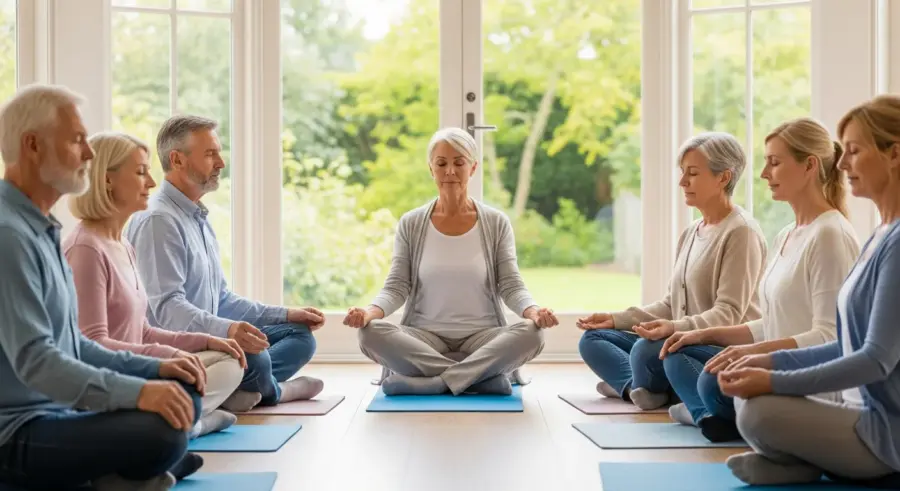
As we age, maintaining a sense of calm and connection becomes more important than ever. Many seniors are discovering the profound benefits of incorporating meditation into their daily routines, finding that it can reduce stress and enhance overall well-being.
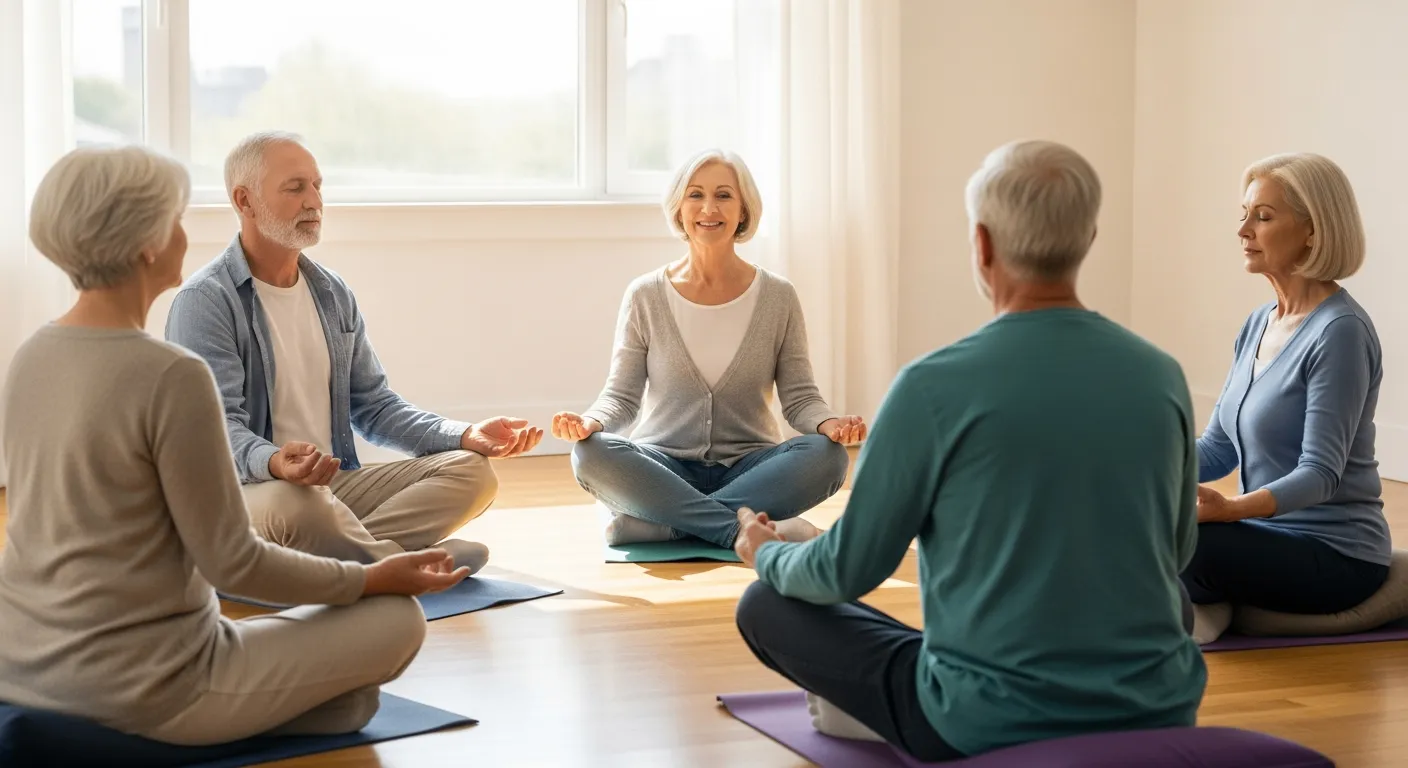
Joining senior meditation groups can be a wonderful way to experience these advantages while also fostering social connections. These groups provide a supportive environment where individuals can learn and practice various meditation techniques together, promoting both inner peace and a sense of community.
This article will explore the numerous benefits of meditation for seniors, how to find suitable groups, and different types of meditation practices. We’ll also cover how to create a personal meditation space and highlight guided meditation resources specifically designed for seniors, ensuring a comprehensive guide to enhancing your mental and emotional health.
The Benefits of Meditation for Seniors
Meditation offers a multitude of benefits for seniors, addressing common challenges associated with aging. Regular meditation practice can significantly reduce stress and anxiety, promoting a greater sense of calm and emotional stability.
One of the key benefits of meditation for seniors is improved cognitive function. Studies have shown that mindfulness meditation can enhance attention span, memory, and overall mental clarity, which can be particularly helpful in combating age-related cognitive decline.
Meditation has also been shown to have positive effects on physical health. It can help lower blood pressure, reduce chronic pain, and improve sleep quality, all of which are common concerns among older adults.
Additionally, meditation can foster a greater sense of self-awareness and emotional resilience. This can help seniors navigate life transitions, such as retirement or loss of loved ones, with increased grace and acceptance.
Many seniors experience increased feelings of isolation and loneliness. Meditation can help to combat these feelings by fostering a sense of inner peace and connection to oneself.
Regular meditation practice can also improve mood and reduce symptoms of depression. The act of focusing on the present moment can help to shift perspective and promote a more positive outlook on life.
Furthermore, meditation can enhance the effectiveness of other treatments for age-related conditions. It can be used as a complementary therapy to manage pain, improve sleep, and reduce anxiety associated with chronic illnesses.
The practice of meditation encourages a deeper understanding of one’s thoughts and emotions. This self-awareness can lead to improved decision-making and a greater sense of control over one’s life.
Meditation can also improve relationships with family and friends. By cultivating patience and empathy, seniors can build stronger connections and foster more meaningful interactions.
Finally, meditation can provide a sense of purpose and meaning in later life. It can help seniors to connect with their inner selves and find joy in the present moment, regardless of external circumstances.
Finding Meditation Groups in Your Area
Locating senior meditation groups in your community can be easier than you might think. Start by checking local community centers, senior centers, and YMCA branches, as they often host a variety of wellness programs, including meditation classes.
Another excellent resource is your local library, which may offer free meditation sessions or have information on nearby groups. Religious organizations, such as churches and synagogues, sometimes provide meditation programs tailored to seniors.
Online directories and websites dedicated to mindfulness and meditation can also be valuable tools. Websites like Meetup.com and Eventbrite often list local meditation groups and workshops, making it simple to find options in your area.
Don’t hesitate to ask your healthcare provider or other seniors in your social network for recommendations. Personal referrals can lead you to reputable and supportive meditation groups that align with your needs and preferences.
When searching for a meditation group, consider your specific needs and preferences. Do you prefer a small, intimate group or a larger, more structured class?
Think about the type of meditation you’re interested in learning. Some groups focus on mindfulness meditation, while others explore guided meditation or other techniques.
It’s also important to consider the experience level of the group. Are you a beginner, or do you have some prior experience with meditation?
Many groups offer introductory sessions or workshops for newcomers. This can be a great way to try out a group and see if it’s a good fit for you.
Don’t be afraid to attend multiple groups before making a decision. Finding the right group can take time, but the benefits of a supportive and welcoming environment are well worth the effort.
Consider transportation options and accessibility when choosing a group. Make sure the location is easily accessible and that you have a reliable way to get there.
Types of Meditation Practices
There are numerous types of meditation practices, each offering unique benefits and approaches to cultivating inner peace. Mindfulness meditation involves focusing on the present moment, observing your thoughts and sensations without judgment.
Another popular technique is guided meditation, where a facilitator leads you through visualizations and relaxation exercises. This can be particularly helpful for beginners as it provides structure and support.
| Meditation Type | Description | Benefits |
|---|---|---|
| Mindfulness Meditation | Focus on present moment awareness | Reduces stress, improves focus, enhances self-awareness |
| Guided Meditation | Follow a facilitator’s instructions and visualizations | Eases anxiety, promotes relaxation, suitable for beginners |
| Loving-Kindness Meditation | Cultivate feelings of love and compassion | Increases positive emotions, fosters empathy, reduces social isolation |
| Transcendental Meditation | Use a mantra to quiet the mind | Reduces anxiety, improves focus, promotes relaxation |
Loving-kindness meditation involves cultivating feelings of love and compassion towards oneself and others. This practice can help to reduce feelings of social isolation and increase positive emotions.
Transcendental Meditation (TM) uses a mantra, a specific sound or word, to quiet the mind. This technique is known for its ability to reduce anxiety and promote deep relaxation.
Another type of meditation is body scan meditation, which involves focusing on different parts of the body and noticing any sensations that arise. This practice can help to increase body awareness and reduce physical tension.
Walking meditation is a form of mindfulness practice that involves paying attention to the sensations of walking. This can be a great way to combine physical activity with meditation.
Each type of meditation offers unique benefits, and it’s important to find a practice that resonates with you. Experiment with different techniques to discover what works best for your individual needs and preferences.
Creating a Meditation Space at Home
Establishing a dedicated meditation space in your home can significantly enhance your practice. Choose a quiet area where you can minimize distractions and create a sense of tranquility.
Your meditation space doesn’t need to be large or elaborate; a small corner of a room can suffice. The key is to make it comfortable and inviting, encouraging you to sit and meditate regularly.
Consider adding elements that promote relaxation, such as soft lighting, comfortable cushions, and calming colors. Incorporate items that hold personal significance, such as a favorite plant, a meaningful photograph, or a piece of art that inspires you.
Keep your meditation space clean and clutter-free to further minimize distractions. Ensure the temperature is comfortable, and consider using aromatherapy with calming scents like lavender or chamomile to enhance the atmosphere.
Consider using natural light if possible, as it can have a positive effect on mood and well-being. If natural light is limited, opt for soft, warm lighting that creates a calming ambiance.
Choose comfortable seating, such as a meditation cushion, a chair with good back support, or even a comfortable rug. The goal is to be able to sit comfortably for extended periods of time without discomfort.
Personalize your meditation space with items that bring you joy and inspire a sense of peace. This could include crystals, candles, prayer beads, or any other objects that hold special meaning for you.
Consider adding a small water feature, such as a fountain, to create a soothing sound that can help to quiet the mind. The gentle sound of water can be very relaxing and can help to mask distracting noises.
Regularly clean and maintain your meditation space to keep it fresh and inviting. A clean and organized space can help to promote a sense of calm and clarity.
Make your meditation space a sanctuary where you can escape from the stresses of daily life. Use it as a place to reconnect with yourself and cultivate inner peace.
Guided Meditation Resources for Seniors
For seniors who prefer guided meditation, there are numerous resources available to support your practice. Many apps, such as Headspace and Calm, offer guided meditation programs specifically designed for older adults.
These apps often include meditations focused on age-related concerns, such as managing chronic pain, improving sleep, and coping with loneliness. YouTube is another excellent source for free guided meditation videos, with many channels offering content tailored to seniors.
- Headspace app
- Calm app
- UCLA Mindful Awareness Research Center
- Insight Timer app
- Local senior center programs
The UCLA Mindful Awareness Research Center offers a variety of free guided meditations online. These meditations are suitable for all levels, from beginners to experienced practitioners.
The Insight Timer app provides access to a vast library of free guided meditations, as well as meditation timers and community features. You can search for meditations specifically designed for seniors or focused on particular topics, such as stress reduction or sleep improvement.
Many local senior centers and community organizations offer guided meditation classes and workshops. These can be a great way to learn from experienced instructors and connect with other seniors in your community.
Consider exploring podcasts that offer guided meditations. Many podcasts feature experienced meditation teachers who provide insightful guidance and support.
Some healthcare providers and therapists offer guided meditation sessions as part of their treatment plans. If you’re struggling with a particular health issue, talk to your doctor about whether guided meditation could be a helpful addition to your care.
When choosing guided meditation resources, consider your personal preferences and needs. Look for meditations that resonate with you and that address any specific challenges you may be facing.
The Social Aspect of Meditation Groups
One of the most valuable aspects of joining senior meditation groups is the opportunity to connect with others. These groups provide a supportive and inclusive environment where seniors can share their experiences and build meaningful relationships.
Participating in group meditation can help combat social isolation, which is a common issue among older adults. Regular social interaction has been shown to improve mental and emotional well-being, as well as enhance cognitive function.
Meditation groups often foster a sense of community, where members can support each other through life’s challenges. Sharing your meditation practice with others can also deepen your own understanding and appreciation of mindfulness.
Many groups organize social events and activities outside of meditation sessions, further strengthening bonds among members. These activities can include walks in nature, potlucks, and volunteer opportunities, providing additional avenues for connection and engagement.
The shared experience of meditation can create a sense of camaraderie and connection. Knowing that others are sharing the same journey can be incredibly supportive and motivating.
Meditation groups provide a safe and non-judgmental space to share your thoughts and feelings. This can be particularly helpful for seniors who may be struggling with difficult emotions or life transitions.
The social interaction within meditation groups can help to improve communication skills and build confidence. Engaging in meaningful conversations with others can boost self-esteem and reduce feelings of loneliness.
Meditation groups can also provide opportunities to learn from others. Sharing experiences and insights can broaden your understanding of mindfulness and deepen your own practice.
The sense of belonging that comes from being part of a meditation group can have a profound impact on overall well-being. Knowing that you are part of a supportive community can help to reduce stress, improve mood, and enhance quality of life.
Senior Relaxation Techniques
Beyond meditation, there are several other senior relaxation techniques that can complement your mindfulness practice. Deep breathing exercises are a simple yet effective way to reduce stress and promote relaxation.
Progressive muscle relaxation involves tensing and releasing different muscle groups in the body, which can help alleviate physical tension. Gentle stretching and yoga can also promote relaxation and improve flexibility.
Spending time in nature has been shown to have numerous benefits for mental and physical health. Activities like gardening, walking in the park, or simply sitting outside can help reduce stress and improve your mood.
Listening to calming music, engaging in creative hobbies, and spending time with loved ones are other effective relaxation techniques. Experiment with different strategies to find what works best for you and incorporate them into your daily routine.
Tai Chi is a gentle form of exercise that combines movement, meditation, and deep breathing. It can help to improve balance, flexibility, and overall well-being.
Aromatherapy, using essential oils like lavender, chamomile, or sandalwood, can promote relaxation and reduce stress. You can use essential oils in a diffuser, add them to a bath, or apply them topically (diluted in a carrier oil).
Massage therapy can help to relieve muscle tension, reduce pain, and promote relaxation. Consider scheduling a massage with a qualified therapist or learning some simple self-massage techniques.
Journaling can be a helpful way to process your thoughts and emotions. Writing down your feelings can help to reduce stress and gain clarity.
Engaging in hobbies that you enjoy can be a great way to relax and de-stress. Whether it’s painting, knitting, reading, or playing music, make time for activities that bring you joy.
Elderly Mindfulness Groups and Cognitive Health
Elderly mindfulness groups offer more than just relaxation; they also play a vital role in maintaining cognitive health. Regular participation in these groups can help seniors sharpen their focus and improve their memory.
Mindfulness practices have been shown to increase gray matter in the brain, which is associated with cognitive function. This can be particularly beneficial for seniors who are concerned about age-related cognitive decline.
Engaging in mindfulness exercises can also help reduce the risk of developing dementia. By promoting mental clarity and reducing stress, these groups support overall brain health and well-being.
Furthermore, the social interaction within these groups provides additional cognitive stimulation. Conversing with others and sharing experiences can help keep the mind active and engaged, further supporting cognitive health.
Mindfulness practices can improve attention span and concentration. This can make it easier to focus on tasks and activities, improving overall cognitive performance.
Mindfulness can also enhance problem-solving skills. By increasing awareness of your thoughts and emotions, you can approach challenges with greater clarity and objectivity.
Mindfulness practices can help to reduce cognitive decline associated with aging. Regular mindfulness practice can help to maintain cognitive function and prevent memory loss.
Mindfulness can also improve sleep quality, which is essential for cognitive health. Getting enough sleep allows the brain to rest and repair itself, improving cognitive function.
Mindfulness can also help to reduce stress and anxiety, which can negatively impact cognitive function. By managing stress, you can protect your brain health and maintain cognitive abilities.
Practical Tips for Starting Meditation
Starting a meditation practice can seem daunting, but it’s easier than you think with a few practical tips. Begin with short sessions, such as five to ten minutes, and gradually increase the duration as you become more comfortable.
Choose a time of day when you’re less likely to be interrupted and stick to a consistent schedule. Experiment with different meditation techniques to find what resonates with you.
Don’t worry if your mind wanders during meditation; it’s a natural part of the process. Simply gently redirect your attention back to your breath or chosen focus without judgment.
Be patient with yourself and celebrate small victories along the way. Remember that meditation is a practice, not a performance, and the goal is to cultivate inner peace and self-awareness.
Find a quiet and comfortable space where you can meditate without distractions. This could be a dedicated meditation room or simply a quiet corner of your home.
Use a meditation timer to help you stay focused and avoid constantly checking the time. Set the timer for your desired duration and let it guide you through your meditation session.
Try different meditation postures to find what works best for you. You can sit on a cushion, a chair, or even lie down if that’s more comfortable.
Consider joining a meditation group or working with a meditation teacher. This can provide you with support, guidance, and motivation.
Don’t give up if you don’t see results immediately. Meditation is a skill that takes time and practice to develop. Be patient with yourself and keep practicing regularly.
The Role of Meditation in Reducing Loneliness
Loneliness is a significant concern for many seniors, but meditation can play a crucial role in alleviating these feelings. By fostering a sense of inner peace and self-acceptance, meditation can help seniors feel more connected to themselves.
Practicing loving-kindness meditation, which involves cultivating feelings of warmth and compassion towards oneself and others, can be particularly beneficial. This practice can help seniors develop a greater sense of empathy and connection with the world around them.
Joining senior meditation groups provides an additional layer of social support, further combating loneliness. These groups offer a space for seniors to connect with like-minded individuals and build meaningful relationships.
Regular social interaction and a sense of community can significantly improve mental and emotional well-being. Meditation, combined with social engagement, can be a powerful tool for reducing loneliness and enhancing overall quality of life.
Meditation can help seniors to develop a greater sense of self-compassion. This can be particularly helpful for those who are struggling with feelings of self-doubt or inadequacy.
Meditation can also help seniors to cultivate a sense of gratitude. Focusing on the positive aspects of their lives can help to shift their perspective and reduce feelings of loneliness and isolation.
Meditation can help seniors to connect with their inner selves and find a sense of peace and contentment. This can be particularly helpful for those who are feeling lost or disconnected from their purpose in life.
Meditation can help seniors to develop a greater sense of resilience. This can help them to cope with the challenges of aging and maintain a positive outlook on life.
Meditation can help seniors to build stronger relationships with others. By cultivating empathy and compassion, they can connect with others on a deeper level and reduce feelings of loneliness.
Conclusion
Incorporating senior meditation groups and relaxation techniques into your life can offer profound benefits for your mental, emotional, and physical health. These practices provide valuable tools for managing stress, improving cognitive function, and fostering social connections.
By creating a dedicated meditation space, exploring guided meditation resources, and joining a supportive community, you can embark on a path towards greater inner peace and well-being. Embrace the opportunity to enhance your quality of life through the transformative power of meditation and mindfulness.