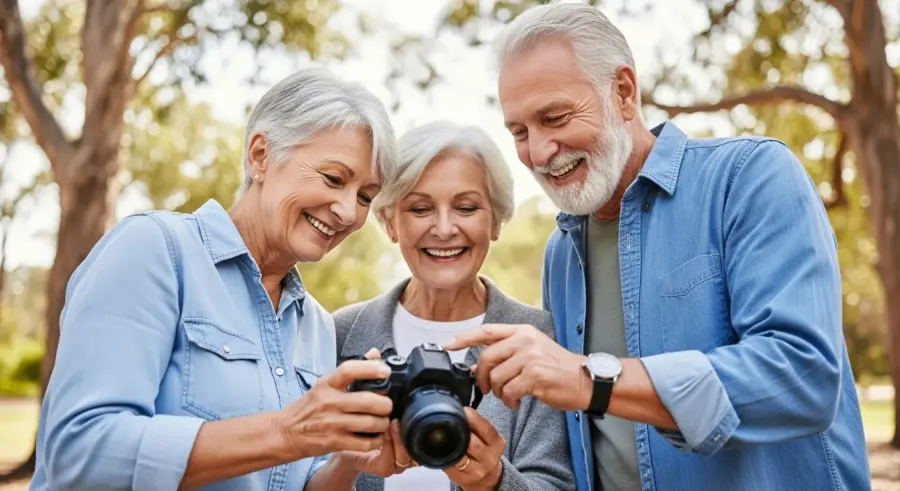
In today’s fast-paced world, finding fulfilling hobbies and staying socially connected is incredibly important, especially for seniors. One fantastic option that combines creativity, mental stimulation, and social interaction is joining one of the many senior photography clubs.
These clubs offer a wonderful avenue for older adults to explore their artistic side, learn new skills, and connect with like-minded individuals in their communities. If you are looking for a new passion or a way to stay active and engaged, consider the benefits of photography and the opportunities that senior photography clubs offer.
This article will walk you through everything you need to know about senior photography clubs, from the benefits of photography as a hobby to finding a club near you and even some basic techniques to get you started. Get ready to capture the world through a new lens and discover the joy of photography!
Why Photography is a Great Hobby for Seniors
Photography offers a unique blend of creative expression and technical skill, making it an ideal hobby for seniors seeking mental stimulation and a sense of accomplishment. It’s a fantastic way to stay engaged and active, both mentally and physically.
One of the main advantages of photography is that it can be adapted to suit different physical abilities. Whether you prefer to stroll through nature capturing scenic views or focus on still-life photography from the comfort of your home, the possibilities are endless.
Photography can also be a fantastic tool for improving cognitive function. Learning new techniques, understanding composition, and mastering camera settings all contribute to keeping your mind sharp and engaged.
Additionally, photography provides a wonderful opportunity for self-expression and storytelling. Through your photographs, you can capture your unique perspective on the world, document special moments, and share your vision with others.
The act of framing a shot and waiting for the perfect moment hones your focus and attention to detail. This mental exercise can be incredibly beneficial for maintaining cognitive health as you age.
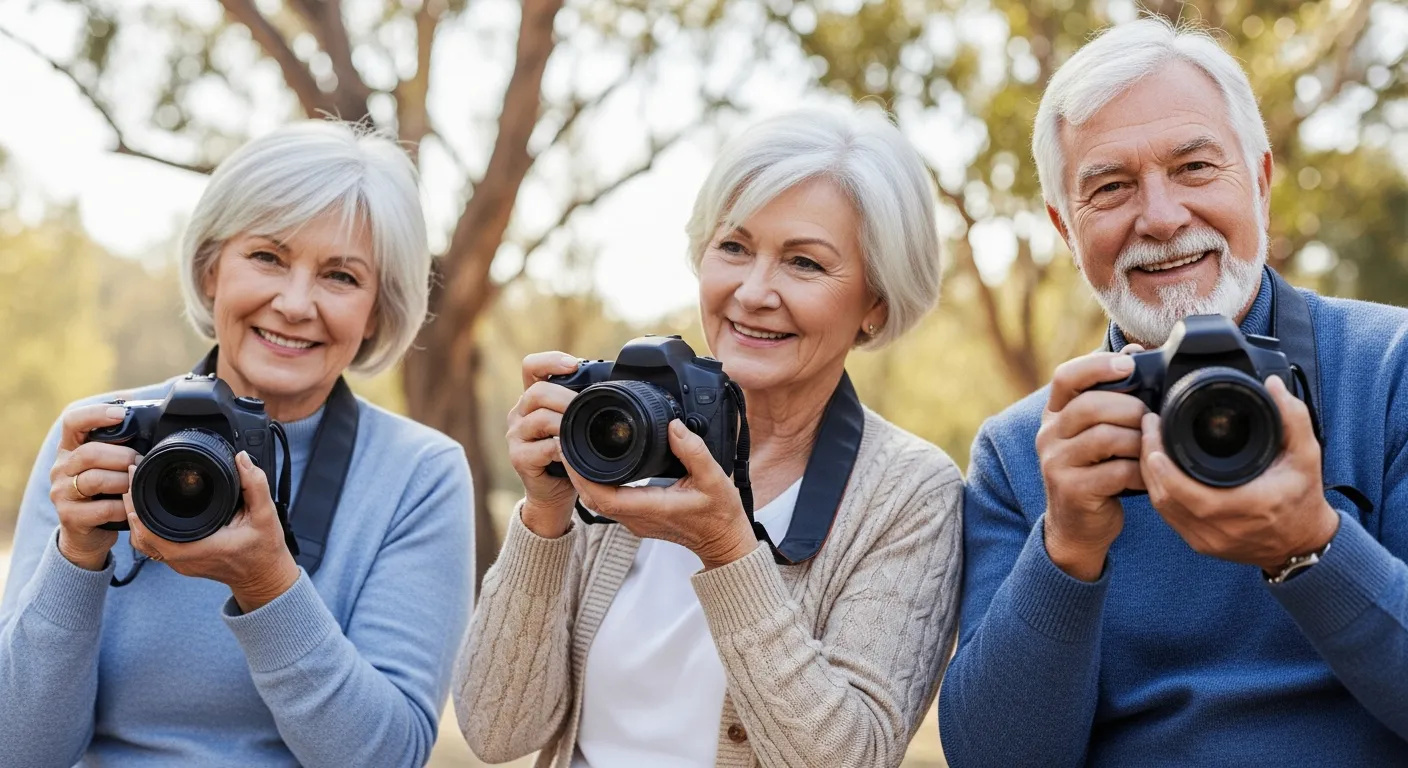
Beyond the mental benefits, photography encourages physical activity. Even a short walk in your neighborhood to capture interesting scenes can contribute to your daily exercise routine.
Furthermore, photography can be a very mindful activity. It encourages you to slow down, observe your surroundings, and appreciate the beauty in the everyday.
This mindful approach can reduce stress and promote a sense of calm and well-being. The satisfaction of capturing a beautiful image can also boost your self-esteem and provide a sense of accomplishment.
It’s a hobby that allows for continuous learning and growth. There are always new techniques to master, new subjects to explore, and new ways to express your creativity.
Photography can also be a great way to document your life and create lasting memories for yourself and your family. You can capture special events, family gatherings, or simply the beauty of your everyday surroundings.
The photographs you take will become treasured keepsakes that you can share with loved ones for years to come. It is a hobby that truly gives back in so many different ways.
Consider the joy of revisiting old photographs and reliving those cherished moments. Photography provides a tangible connection to the past and a way to preserve your legacy for future generations.
Finding a Senior Photography Club in Your Community
Locating a senior photography club in your area can be easier than you might think. Start by checking with local community centers, senior centers, and recreational facilities.
Many of these organizations offer a variety of programs and activities specifically tailored to seniors, and photography clubs are often among them. You can also search online using keywords like “senior photography clubs near me” or “photography for seniors” to find local groups and organizations.
Social media platforms like Facebook and Meetup can also be valuable resources for finding local photography groups. These platforms often host groups dedicated to photography enthusiasts of all ages, including seniors.
Don’t hesitate to reach out to local camera stores or photography studios, as they may also be aware of senior photography clubs in the area. These businesses often have connections to the local photography community and can provide valuable information and resources.
When searching online, be sure to check the websites of local libraries. Libraries often host workshops and clubs, including photography groups, and they are usually free or low-cost.
Another great resource is your local parks and recreation department. They often offer a variety of activities and programs for seniors, and photography clubs may be among them.
If you’re having trouble finding a senior-specific club, consider joining a general photography club. Many of these clubs welcome members of all ages and skill levels.
You can also create your own senior photography club if there isn’t one in your area. Start by reaching out to friends, neighbors, and members of your community who share your interest in photography.
Post flyers at local community centers, senior centers, and libraries to advertise your new club. You can also use social media to spread the word and attract new members.
Once you have a group of interested individuals, you can start organizing regular meetings, workshops, and field trips. Be sure to create a welcoming and inclusive environment for all members.
Consider partnering with local businesses or organizations to secure funding or resources for your club. Camera stores, photography studios, and art supply stores may be willing to sponsor your club or offer discounts to members.
Remember to be patient and persistent in your search. Finding the right photography club may take some time, but the rewards of connecting with like-minded individuals and pursuing your passion are well worth the effort.
Basic Photography Techniques for Beginners
Embarking on your photography journey doesn’t require you to be a technical expert right away. Start with understanding the basics of composition, such as the rule of thirds, which involves dividing your frame into nine equal parts and placing key elements along these lines or at their intersections.
This simple technique can help you create more visually appealing and balanced photographs. Another fundamental aspect of photography is understanding exposure, which refers to the amount of light that reaches your camera’s sensor.
| Technique | Description | Tips for Seniors |
|---|---|---|
| Rule of Thirds | Divide the frame into nine equal parts and place key elements along the lines or intersections. | Use grid lines on your camera’s display to help with alignment. |
| Exposure Triangle | Understand the relationship between aperture, shutter speed, and ISO. | Practice adjusting each setting individually to see its effect on the final image. |
| Focusing | Ensure your subject is sharp and clear. | Use autofocus or manual focus assist features to achieve accurate focus. |
| Composition | Arrange elements within the frame to create a visually pleasing image. | Experiment with different angles, perspectives, and backgrounds. |
Aperture, shutter speed, and ISO are the three main components of exposure, and understanding how they interact is crucial for capturing well-lit photographs. Aperture refers to the size of the lens opening, shutter speed determines how long the camera’s sensor is exposed to light, and ISO measures the sensitivity of the sensor to light.
Start by experimenting with your camera’s automatic mode to get a feel for how these settings work. Then, gradually transition to manual mode to gain more control over your images.
Focusing is another essential technique to master. Make sure your subject is sharp and clear by using your camera’s autofocus feature or by manually adjusting the focus ring.
Pay attention to the light in your scene. The quality and direction of light can have a significant impact on the mood and overall look of your photographs.
Experiment with different lighting conditions to see how they affect your images. Golden hour, the period shortly after sunrise and before sunset, often provides the most flattering light for outdoor photography.
Don’t be afraid to experiment with different angles and perspectives. Try shooting from a low angle to make your subject appear larger and more imposing, or from a high angle to create a sense of distance and detachment.
Consider the background of your photographs. A cluttered or distracting background can detract from your subject. Try to find a clean and simple background that complements your subject without drawing too much attention away from it.
Practice makes perfect. The more you practice, the better you’ll become at understanding and applying these basic techniques. Don’t be discouraged if your first few attempts aren’t perfect.
Learn from your mistakes and keep experimenting until you achieve the results you’re looking for. There are countless online resources and tutorials available to help you improve your photography skills.
Take advantage of these resources to learn new techniques and refine your existing skills. Most importantly, have fun and enjoy the process of learning and creating.
Equipment and Gear for Senior Photographers
Choosing the right equipment can greatly enhance your photography experience. A lightweight and easy-to-handle camera is essential for senior photographers.
Mirrorless cameras and compact digital cameras are excellent options due to their smaller size and user-friendly interfaces. When selecting a camera, consider features such as image stabilization, which helps reduce blur caused by camera shake, and a large, clear LCD screen for easy viewing and menu navigation.
A versatile zoom lens is also a valuable addition to your photography kit. These lenses allow you to capture a wide range of subjects, from landscapes to portraits, without having to constantly switch between different lenses.
Look for a lens with a good zoom range and image stabilization to ensure sharp and clear images, even when shooting handheld. Don’t forget about essential accessories such as a comfortable camera strap, extra batteries, and a sturdy camera bag to protect your equipment.
Consider investing in a comfortable camera bag that is easy to carry and provides ample storage for your equipment. A backpack-style camera bag can be a good option for distributing the weight of your gear evenly.
A monopod or tripod can be invaluable for providing stability, especially when shooting in low-light conditions or using long zoom lenses. Choose a lightweight and sturdy model that is easy to set up and adjust.
Extra batteries are a must-have for any photographer. You don’t want to run out of power in the middle of a shoot. Consider purchasing a battery grip, which allows you to use two batteries at once, extending your shooting time.
A good quality memory card is essential for storing your photographs. Choose a card with a high storage capacity and fast read/write speeds to ensure smooth performance.
A lens cleaning kit is essential for keeping your lenses clean and free of dust and smudges. Use a soft microfiber cloth and a lens cleaning solution to gently clean your lenses.
Consider purchasing a remote shutter release. This allows you to trigger the camera without physically touching it, reducing the risk of camera shake.
A polarizing filter can be a useful tool for reducing glare and reflections, especially when shooting landscapes or water scenes. It can also help to enhance colors and contrast.
Don’t feel like you need to buy all the latest and greatest equipment right away. Start with the basics and gradually add more gear as you gain experience and identify your specific needs.
Sharing Your Photography with Others
One of the most rewarding aspects of photography is sharing your work with others. There are numerous ways to showcase your photographs and receive feedback from fellow enthusiasts.
Consider participating in local photography exhibitions or art shows, where you can display your prints and connect with other artists and viewers. Online platforms like Instagram, Flickr, and 500px are also great options for sharing your photos and building an online presence.
These platforms allow you to create a portfolio of your work, engage with other photographers, and receive valuable feedback on your images. You can also create your own photography blog or website to showcase your work and share your thoughts and experiences with a wider audience.
Don’t underestimate the power of sharing your photos with friends and family. Creating photo albums, personalized calendars, or framed prints as gifts can be a wonderful way to share your passion and create lasting memories.
Printing your photos is a great way to bring them to life and share them with others. Consider creating a photo album or scrapbook to showcase your best work.
You can also frame your favorite photos and display them in your home or office. Creating personalized gifts with your photos is a thoughtful way to share your passion with loved ones.
Consider entering your photos in local or online photography contests. This can be a great way to get your work seen by a wider audience and receive feedback from experienced judges.
Volunteering your photography skills is a great way to give back to your community. You can offer to take photos for local charities, non-profit organizations, or community events.
Teaching others about photography is a rewarding way to share your knowledge and passion. You can offer workshops, classes, or one-on-one tutoring to aspiring photographers.
Creating a photography blog or website is a great way to showcase your work and share your thoughts and experiences with a wider audience. You can write about your favorite photography techniques, gear, or locations.
Joining online photography forums and communities is a great way to connect with other photographers, share your work, and receive feedback. You can also learn new techniques and tips from experienced photographers.
Creating a social media presence for your photography is a great way to reach a wider audience and promote your work. You can use platforms like Instagram, Facebook, and Twitter to share your photos and engage with other photographers.
The Social Aspect of Photography Clubs
Photography clubs provide a fantastic opportunity to connect with like-minded individuals who share your passion for photography. These clubs often organize regular meetings, workshops, and field trips, allowing members to learn from each other, share their experiences, and explore new photographic opportunities together.
Participating in group photography outings can be a great way to discover new locations, try out different techniques, and receive instant feedback from your peers. The social aspect of photography clubs can also help combat feelings of isolation and loneliness, which can be especially beneficial for seniors.
- Share knowledge and skills
- Participate in group outings
- Receive constructive feedback
- Build lasting friendships
- Stay socially active and engaged
By joining a senior photography club, you’ll have the chance to build new friendships, exchange ideas, and stay socially active and engaged. Many clubs also organize social events, such as potlucks, holiday parties, and informal gatherings, which can further strengthen the bonds between members.
Photography clubs offer a supportive and encouraging environment where you can learn and grow as a photographer. You can share your successes and challenges with other members and receive valuable feedback and advice.
The social interaction and camaraderie in a photography club can boost your self-esteem and provide a sense of belonging. You’ll have the opportunity to connect with people who share your interests and passions.
Photography clubs often organize workshops and presentations by experienced photographers. These events can provide you with valuable insights and tips on various photography techniques and styles.
Participating in group photography projects can be a fun and challenging way to collaborate with other members and create something special. You can work together to plan, shoot, and edit a series of photos based on a specific theme or concept.
Photography clubs often organize field trips to interesting locations. These outings provide you with the opportunity to practice your photography skills in a new and exciting environment.
Many photography clubs have online forums or social media groups where members can share their photos, ask questions, and connect with each other. These online communities can be a great resource for learning and staying connected between meetings.
Photography clubs can also provide you with access to discounts on photography equipment, software, and workshops. Some clubs have partnerships with local businesses that offer special deals to members.
The social aspect of photography clubs can be particularly beneficial for seniors who may be feeling isolated or lonely. Joining a club can provide you with a sense of community and purpose.
Senior Photography Lessons: Enhancing Your Skills
To further enhance your photography skills, consider taking senior photography lessons. Many community centers, senior centers, and local colleges offer photography classes specifically designed for seniors.
These classes typically cover a range of topics, from basic camera operation to advanced techniques such as portrait photography, landscape photography, and photo editing. Online photography courses are also a convenient option for seniors who prefer to learn at their own pace from the comfort of their homes.
Websites like Skillshare, Udemy, and CreativeLive offer a wide variety of photography courses taught by experienced instructors. Look for courses that cater to beginners and cover the specific areas of photography that you’re most interested in.
Don’t hesitate to seek out one-on-one mentorship from experienced photographers in your community. Many professional photographers offer private lessons or workshops, providing personalized instruction and guidance tailored to your individual needs and goals.
When choosing a photography lesson, consider your current skill level and your goals for the future. Are you a complete beginner who needs to learn the basics of camera operation?
Or are you an experienced photographer who wants to learn advanced techniques like studio lighting or photo editing? Look for lessons that are tailored to your specific needs and interests.
Consider the format of the lesson. Do you prefer to learn in a group setting or one-on-one with an instructor? Do you prefer in-person lessons or online lessons?
Think about your learning style. Do you learn best by reading, watching videos, or hands-on practice? Look for lessons that incorporate your preferred learning style.
Ask about the instructor’s experience and qualifications. How long have they been teaching photography? What are their areas of expertise?
Look for lessons that provide opportunities for hands-on practice. The best way to learn photography is by doing it. Make sure the lesson includes plenty of opportunities to practice your skills and receive feedback from the instructor.
Consider the cost of the lesson. Photography lessons can range in price from free to hundreds of dollars. Set a budget and look for lessons that fit within your budget.
Don’t be afraid to ask questions. Before you sign up for a lesson, ask the instructor any questions you have about the course content, format, or requirements.
Adapting Photography for Physical Limitations
If you have physical limitations, there are several ways to adapt your photography practice to make it more comfortable and accessible. Consider using lightweight equipment, such as a compact camera or a smaller lens, to reduce strain on your hands and wrists.
A comfortable camera strap or harness can also help distribute the weight of the camera more evenly, reducing pressure on your neck and shoulders. If you have difficulty holding the camera steady, try using a tripod or monopod to provide additional support.
These accessories can help you capture sharper images, especially in low-light conditions. When shooting outdoors, choose locations that are easily accessible and have smooth, even surfaces to minimize the risk of falls.
Take frequent breaks to rest and stretch your muscles, and don’t hesitate to ask for assistance from a friend or family member if you need help carrying equipment or navigating challenging terrain. There are also software options that can assist with editing if small motor skills are limited.
Consider using voice-activated camera controls. Some cameras and smartphones offer voice control features that allow you to take photos without physically pressing the shutter button.
Use a wheelchair or scooter to get around if you have mobility issues. This will allow you to access a wider range of locations and capture more diverse photographs.
Adapt your shooting style to suit your physical limitations. If you have difficulty bending down, try shooting from a higher angle. If you have difficulty holding the camera steady, try resting it on a stable surface.
Use assistive technology to make photography more accessible. There are a variety of assistive technology devices available that can help people with physical limitations enjoy photography.
Consider using a tablet or smartphone for photography. These devices are lightweight and easy to handle, and they offer a variety of accessibility features.
Take advantage of the accessibility features on your camera. Many cameras offer features such as image stabilization, autofocus, and large LCD screens that can make photography easier for people with physical limitations.
Don’t be afraid to ask for help. If you need assistance with carrying equipment, setting up a tripod, or navigating challenging terrain, don’t hesitate to ask a friend, family member, or fellow photographer for help.
Focus on the aspects of photography that you enjoy and that you are able to do comfortably. There are many different genres of photography to explore, so find the ones that suit your physical abilities and interests.
Exploring Different Photography Genres
Photography offers a diverse range of genres to explore, each with its own unique challenges and rewards. Portrait photography involves capturing images of people, focusing on their expressions, personalities, and stories.
Landscape photography, on the other hand, focuses on capturing the beauty of the natural world, from sweeping vistas to intimate details of nature. Street photography involves capturing candid moments of everyday life in public spaces, often with a focus on capturing the human element.
Still-life photography involves creating compositions with inanimate objects, often with a focus on lighting, color, and texture. Macro photography allows you to capture extreme close-ups of small subjects, revealing intricate details that are often invisible to the naked eye.
Experiment with different genres to discover what resonates with you and challenges you creatively. Don’t be afraid to step outside your comfort zone and try something new, as you may be surprised at what you discover.
Consider trying architectural photography. This genre focuses on capturing the beauty and design of buildings and other structures.
Explore wildlife photography. This genre involves capturing images of animals in their natural habitats.
Try sports photography. This genre involves capturing the action and excitement of sporting events.
Consider astrophotography. This genre involves capturing images of celestial objects, such as stars, planets, and galaxies.
Explore abstract photography. This genre focuses on capturing images that are not easily recognizable, often with a focus on color, texture, and form.
Try documentary photography. This genre involves capturing images that tell a story or document a particular event or issue.
Consider food photography. This genre involves capturing images of food that are visually appealing and appetizing.
Don’t limit yourself to just one genre. Experiment with different genres and find the ones that you enjoy the most. The possibilities are endless!
Conclusion
Joining a senior photography club can be a transformative experience, offering a unique blend of creative expression, mental stimulation, and social connection. It’s a wonderful way to stay active, engaged, and connected with your community.
Whether you’re a seasoned photographer or just starting out, a senior photography club can provide you with the resources, support, and inspiration you need to pursue your passion and capture the world through your unique lens. So, grab your camera, find a club near you, and start capturing those special moments today!
Remember that photography is a journey, not a destination. Enjoy the process of learning, experimenting, and creating. The most important thing is to have fun and express yourself through your photographs.
Don’t be afraid to make mistakes. Mistakes are a part of the learning process. Learn from your mistakes and keep practicing.
Be patient with yourself. It takes time to develop your photography skills. Don’t get discouraged if you don’t see results immediately.
Celebrate your successes. When you capture a great photo, take the time to celebrate your accomplishment. Share your photos with others and enjoy the positive feedback.
Most importantly, have fun and enjoy the journey of photography. It’s a wonderful way to express your creativity, connect with others, and capture the beauty of the world around you.