

Gardening offers a wealth of benefits for seniors, from physical exercise to mental stimulation. But did you know that joining senior gardening clubs can also provide a fantastic social outlet? These clubs offer a chance to connect with like-minded individuals, share your passion for plants, and cultivate new friendships.
If you’re looking to grow your social circle and enjoy the therapeutic effects of gardening, then senior gardening clubs might be the perfect fit. This guide will walk you through everything you need to know about senior gardening clubs, from finding one in your area to starting your own.
We’ll also cover gardening tips tailored for seniors with limited mobility, ensuring that everyone can participate in this rewarding activity. Get ready to dig in and discover the joys of gardening with friends.
The Joys and Benefits of Gardening for Seniors
Gardening is more than just a hobby; it’s a holistic activity that nurtures both body and mind. For seniors, the benefits of gardening are particularly profound, offering a unique blend of physical, mental, and emotional well-being.
The gentle exercise involved in gardening, such as digging, planting, and weeding, can improve strength, flexibility, and balance. It’s a low-impact way to stay active and maintain mobility, helping to reduce the risk of falls and other age-related health issues.
Beyond the physical benefits, gardening can also have a significant impact on mental health. The act of nurturing plants and watching them grow can be incredibly therapeutic, reducing stress, anxiety, and even symptoms of depression.
The connection with nature and the sense of accomplishment that comes from creating something beautiful can boost self-esteem and provide a sense of purpose. Gardening for seniors can also improve cognitive function by keeping the mind active and engaged.
The repetitive motions involved in gardening can be meditative, allowing seniors to focus on the present moment and escape from daily worries. The sensory experience of touching soil, smelling flowers, and feeling the sun on your skin can be incredibly grounding and calming.
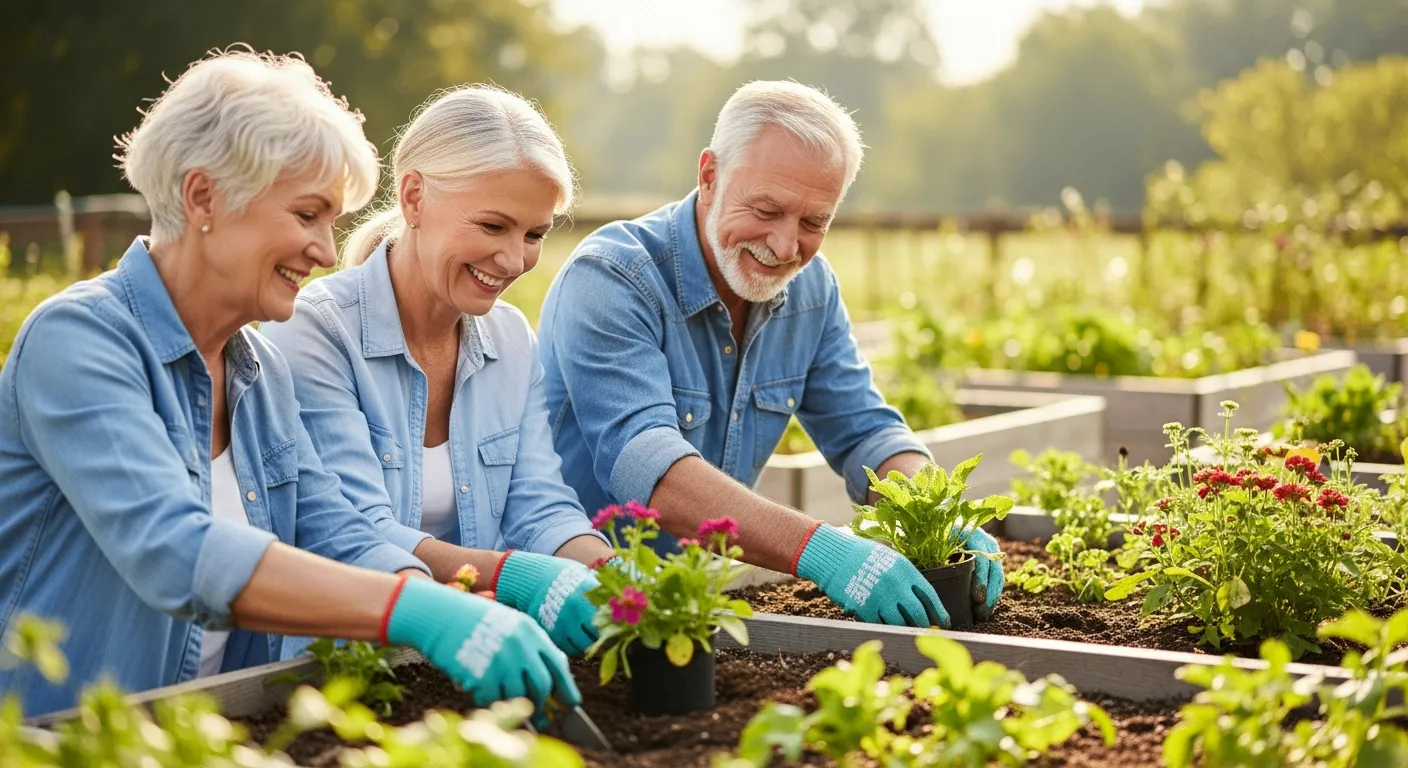
Furthermore, gardening provides opportunities for learning and personal growth. Seniors can expand their knowledge of plants, soil science, and sustainable gardening practices, keeping their minds sharp and engaged.
The sense of accomplishment that comes from successfully growing fruits, vegetables, or flowers can be incredibly rewarding. This can also lead to healthier eating habits if the garden produces edible crops.
Gardening can also provide a sense of connection to the past, especially for seniors who have gardened throughout their lives. It can evoke cherished memories of family gardens and passed-down gardening traditions.
The visual beauty of a garden can also enhance the overall living environment, creating a peaceful and inviting space for seniors to enjoy. It can be a source of pride and a place to relax and unwind.
Finally, gardening can be a social activity, providing opportunities for seniors to connect with others who share their love of plants. Joining a senior gardening club is a perfect way to reap these social benefits.
Finding a Senior Gardening Club in Your Area
Locating a senior gardening club near you is easier than you might think. A simple online search can often yield a list of local clubs and organizations that cater to seniors interested in gardening.
Start by searching for “senior gardening clubs” or “elderly gardening groups” along with the name of your city or town. You can also check with local community centers, senior centers, and libraries, as they often host or have information about gardening clubs in the area.
Another great resource is your local Parks and Recreation Department, which may offer gardening programs specifically designed for seniors. Don’t hesitate to reach out to local nurseries and garden centers, as they often have connections with gardening clubs and can provide valuable information.
If you’re interested in community gardening, search for “community gardens seniors” in your area. Community gardens provide a shared space for people to grow their own food and flowers, and many have plots specifically designated for seniors.
Check the websites of local horticultural societies and garden clubs, as they may have programs or events specifically for seniors. These organizations often have a wealth of knowledge and resources to share.
Consider contacting local churches or religious organizations, as they sometimes have gardening groups or programs for their members. These groups can offer a supportive and welcoming environment for seniors.
Look for volunteer opportunities at local botanical gardens or arboretums. Volunteering can be a great way to learn more about gardening and connect with other plant enthusiasts.
Don’t overlook the power of social media. Search for local gardening groups on Facebook or other social media platforms. These groups can be a great way to connect with other gardeners in your area and find out about local events and activities.
Ask your friends, neighbors, and family members if they know of any senior gardening clubs in the area. Word-of-mouth can be a valuable way to discover hidden gems.
Finally, if you’re having trouble finding a club that meets your needs, consider starting your own. It’s a great way to create a community of like-minded individuals and share your passion for gardening.
What to Expect at a Gardening Club Meeting
Attending your first gardening club meeting can be an exciting experience. Most senior gardening clubs offer a welcoming and inclusive environment where members can share their passion for plants and learn from one another.
Meetings typically involve a mix of activities, such as guest speakers, workshops, plant swaps, and garden tours. You can expect to meet fellow gardening enthusiasts of all skill levels, from beginners to experienced gardeners.
| Activity | Description | Benefits |
|---|---|---|
| Guest Speakers | Experts share knowledge on specific gardening topics. | Learn new techniques and gain insights. |
| Workshops | Hands-on demonstrations and practical gardening skills. | Improve your gardening abilities. |
| Plant Swaps | Members exchange plants, seeds, and cuttings. | Expand your garden and try new varieties. |
| Garden Tours | Visits to local gardens and nurseries. | Get inspiration and see different gardening styles. |
In addition to the activities listed above, many gardening club meetings also include time for socializing and networking. This is a great opportunity to meet other gardeners, share your experiences, and ask questions.
Some clubs may also have a “show and tell” segment where members can bring in plants or projects they’ve been working on to share with the group. This can be a fun and inspiring way to learn from others and showcase your own gardening skills.
Be prepared to introduce yourself and share a little bit about your gardening interests and experience. Don’t be afraid to ask questions and participate in discussions.
Many clubs also have a refreshment break where members can enjoy snacks and drinks while chatting with one another. This is a great way to relax and connect with fellow gardeners.
Some clubs may also have a library or resource center where members can borrow gardening books, magazines, and tools. This can be a valuable resource for learning more about gardening and trying out new techniques.
Be sure to check the club’s website or contact a member to find out the specific agenda and activities for the meeting you plan to attend. This will help you come prepared and make the most of your experience.
Most importantly, remember to be open-minded, respectful, and enthusiastic. Gardening clubs are a great place to learn, grow, and connect with others who share your passion for plants.
Gardening Tips for Seniors with Limited Mobility
Gardening should be an accessible activity for everyone, regardless of their physical abilities. If you have limited mobility, there are several adaptations and techniques you can use to make gardening more comfortable and enjoyable.
Consider using raised garden beds or container gardening to reduce the need for bending and kneeling. These options bring the garden to a more accessible height, making it easier to plant, weed, and harvest.
Adaptive gardening tools, such as long-handled tools, ergonomic grips, and lightweight equipment, can also make a big difference. These tools are designed to reduce strain on your joints and muscles, allowing you to garden for longer periods without discomfort.
Don’t hesitate to ask for help from family members, friends, or fellow gardening club members. Gardening should be a social and collaborative activity, and there’s no shame in accepting assistance when you need it.
Use a gardening stool or kneeler to reduce strain on your back and knees while working in the garden. These can provide comfortable support and make it easier to reach plants at ground level.
Choose plants that are easy to care for and require minimal maintenance. Native plants are often a good choice, as they are well-adapted to the local climate and require less watering and fertilization.
Consider using self-watering containers or irrigation systems to reduce the amount of time and effort required for watering. These systems can help keep your plants hydrated and healthy without requiring you to water them manually.
Break up gardening tasks into smaller, more manageable chunks. This can help prevent fatigue and reduce the risk of injury. Take frequent breaks to rest and stretch.
Wear comfortable clothing and supportive shoes while gardening. This can help prevent blisters, aches, and pains. Protect your skin from the sun by wearing a hat, sunglasses, and sunscreen.
Listen to your body and stop gardening if you experience any pain or discomfort. Don’t push yourself too hard, and remember that gardening should be an enjoyable activity.
Starting Your Own Senior Gardening Club
If you can’t find a senior gardening club in your area, why not start your own? Starting a club can be a rewarding experience, allowing you to create a community of like-minded individuals and share your passion for gardening.
Begin by reaching out to local senior centers, community centers, and retirement communities to gauge interest. You can also post flyers or announcements in local newspapers and online forums.
Once you have a core group of interested individuals, schedule an initial meeting to discuss the club’s goals, activities, and structure. Decide on a regular meeting time and location, and consider organizing activities such as guest speakers, workshops, and garden tours.
Promote your club through social media, local newspapers, and community events to attract new members. Remember to create a welcoming and inclusive environment where everyone feels comfortable sharing their knowledge and experiences.
Develop a mission statement for your club that clearly articulates its purpose and goals. This can help attract members who share your vision and values.
Create a simple membership application form to collect contact information and gardening interests from prospective members. This can help you tailor club activities to meet the needs of your members.
Establish a clear set of rules and guidelines for club meetings and activities. This can help ensure that everyone feels respected and included.
Consider forming a steering committee to help with the planning and organization of club activities. This can help distribute the workload and ensure that all members have a voice in the club’s direction.
Partner with local businesses and organizations to secure funding and resources for your club. This can help you offer more activities and programs for your members.
Most importantly, be patient and persistent. It takes time and effort to build a successful gardening club. Celebrate your successes and learn from your challenges, and remember to have fun!
Essential Tools and Resources for Senior Gardening Clubs
Equipping your senior gardening club with the right tools and resources can greatly enhance the gardening experience. Having access to appropriate tools ensures that all members, regardless of their physical abilities, can participate comfortably and effectively.
Consider investing in adaptive gardening tools, such as long-handled tools, ergonomic grips, and lightweight equipment. These tools are designed to reduce strain and make gardening more accessible for seniors with limited mobility.
Access to educational resources, such as gardening books, magazines, and online tutorials, can also be invaluable. These resources can provide members with valuable information on a variety of gardening topics, from plant selection to pest control.
Additionally, consider partnering with local nurseries and garden centers to secure discounts on gardening supplies and plants. These partnerships can help make gardening more affordable for club members and provide access to expert advice.
Having a designated storage space for tools and equipment can help keep everything organized and accessible. A shed or storage container can be a valuable asset for a gardening club.
A well-stocked first-aid kit is essential for addressing minor injuries that may occur while gardening. Be sure to include items such as bandages, antiseptic wipes, and pain relievers.
Providing access to drinking water and shade can help keep members comfortable and prevent dehydration, especially during hot weather. Consider setting up a water cooler and providing umbrellas or shade structures.
Having a bulletin board or online forum where members can share information, ask questions, and coordinate activities can help foster communication and collaboration.
Consider creating a club library with gardening books, magazines, and DVDs that members can borrow. This can be a valuable resource for learning more about gardening.
Don’t forget to have fun! Gardening should be an enjoyable activity, so be sure to incorporate social events and activities into your club’s schedule.
The Social Aspect of Gardening
Gardening is often seen as a solitary activity, but joining a senior gardening club can transform it into a vibrant social experience. These clubs provide a wonderful opportunity to connect with others who share your passion for plants, creating a sense of community and belonging.
The social interaction and camaraderie that come with gardening clubs can combat feelings of loneliness and isolation, which are common among seniors. Sharing gardening tips, swapping plants, and working together on group projects can foster friendships and create lasting bonds.
- Shared learning experiences
- Increased social interaction
- Opportunities for mentorship
- Improved mental well-being
- A sense of purpose and belonging
Participating in group gardening projects can foster a sense of teamwork and accomplishment. Working together to create a beautiful garden can be a rewarding experience for all involved.
Gardening clubs often organize social events, such as potlucks, picnics, and garden tours. These events provide opportunities for members to socialize and connect outside of the garden.
Sharing gardening tips and advice with others can be a fulfilling experience. Helping others learn and grow can boost your self-esteem and provide a sense of purpose.
Gardening clubs can also provide opportunities for mentorship. Experienced gardeners can share their knowledge and skills with beginners, helping them to develop their gardening abilities.
The social interaction and camaraderie of gardening clubs can improve mental well-being. Connecting with others who share your interests can reduce stress, anxiety, and feelings of loneliness.
Gardening clubs can also provide a sense of purpose and belonging. Being part of a community of like-minded individuals can enhance your overall quality of life.
The shared love of gardening can create lasting friendships. Gardening clubs can be a great place to meet new people and build meaningful relationships.
Overcoming Challenges in Senior Gardening Clubs
While senior gardening clubs offer numerous benefits, they can also present certain challenges. Addressing these challenges proactively can help ensure that the club remains a positive and inclusive environment for all members.
One common challenge is accommodating members with varying levels of physical ability. It’s important to be mindful of individual limitations and provide adaptations and support as needed, such as offering accessible gardening tools and techniques.
Another challenge can be managing conflicts or disagreements among members. Establishing clear guidelines for communication and decision-making can help prevent misunderstandings and promote a respectful atmosphere.
Additionally, it’s important to address issues of accessibility and transportation to ensure that all members can participate fully. Consider organizing carpools or partnering with local transportation services to provide convenient access to club meetings and activities.
Managing differing opinions on gardening techniques can be another challenge. Encourage open communication and respectful discussion to find common ground.
Dealing with members who may be resistant to new ideas or approaches can also be difficult. Try to be patient and understanding, and focus on the benefits of trying new things.
Addressing issues of competition or jealousy among members can be sensitive. Emphasize the importance of collaboration and mutual support.
Managing the time and energy commitments of club leaders and volunteers can be a challenge. Distribute responsibilities fairly and provide support and recognition for their efforts.
Dealing with unexpected events or emergencies can require flexibility and adaptability. Have a plan in place for addressing potential problems.
Maintaining member engagement and enthusiasm over time can be a challenge. Keep things fresh and exciting by introducing new activities and programs.
The Impact of Senior Gardening Clubs on Community
Senior gardening clubs not only benefit individual members but also contribute to the well-being of the broader community. These clubs often engage in community service projects, such as beautifying public spaces, donating produce to local food banks, and educating children about gardening.
By sharing their knowledge and skills, senior gardeners can inspire others to get involved in gardening and promote environmental stewardship. Gardening clubs can also serve as a valuable resource for the community, providing expertise and guidance on sustainable gardening practices.
Furthermore, senior gardening clubs can help foster intergenerational connections by partnering with local schools and youth organizations. These partnerships provide opportunities for seniors to share their wisdom and experience with younger generations, creating a sense of continuity and connection.
By actively participating in their communities, senior gardening clubs can enhance the quality of life for all residents and create a more vibrant and sustainable environment. Senior gardening clubs are powerful agents of positive change, enriching lives and strengthening communities.
Organizing community garden projects can beautify public spaces and provide fresh produce for those in need. This can enhance the overall appearance of the community and improve access to healthy food.
Partnering with local schools to create school gardens can educate children about gardening and nutrition. This can promote healthy eating habits and environmental awareness among young people.
Donating surplus produce to local food banks can help address food insecurity in the community. This can provide nutritious meals for those who are struggling to make ends meet.
Hosting gardening workshops and demonstrations can share gardening knowledge with the community. This can empower others to start their own gardens and improve their food security.
Participating in community events, such as farmers markets and festivals, can raise awareness about the benefits of gardening. This can encourage others to get involved and support local food systems.
Advocating for policies that support community gardening and urban agriculture can create a more sustainable and equitable food system. This can benefit the entire community.
Conclusion
Senior gardening clubs offer a wealth of benefits for older adults, from improved physical and mental health to increased social interaction and community engagement. Whether you’re an experienced gardener or a complete beginner, joining a club can provide a rewarding and enriching experience.
So, take the first step towards growing your social circle and cultivating new friendships by exploring the senior gardening clubs in your area. You might be surprised at the wonderful connections you’ll make and the joy you’ll discover in the garden.
Remember that gardening is a journey, not a destination. Embrace the challenges and celebrate the successes, and enjoy the process of learning and growing.
Don’t be afraid to experiment and try new things. Gardening is a creative outlet, so let your imagination run wild and see what you can create.
Most importantly, remember to have fun! Gardening should be an enjoyable activity, so relax and savor the experience.
The benefits of joining a senior gardening club extend far beyond the garden itself. It’s an opportunity to connect with others, learn new skills, and contribute to your community.
So, what are you waiting for? Get out there and start gardening! You’ll be glad you did.
The world of gardening awaits, filled with beauty, friendship, and endless possibilities.
Embrace the opportunity to grow, learn, and connect with others through the joy of gardening.
Happy gardening!