
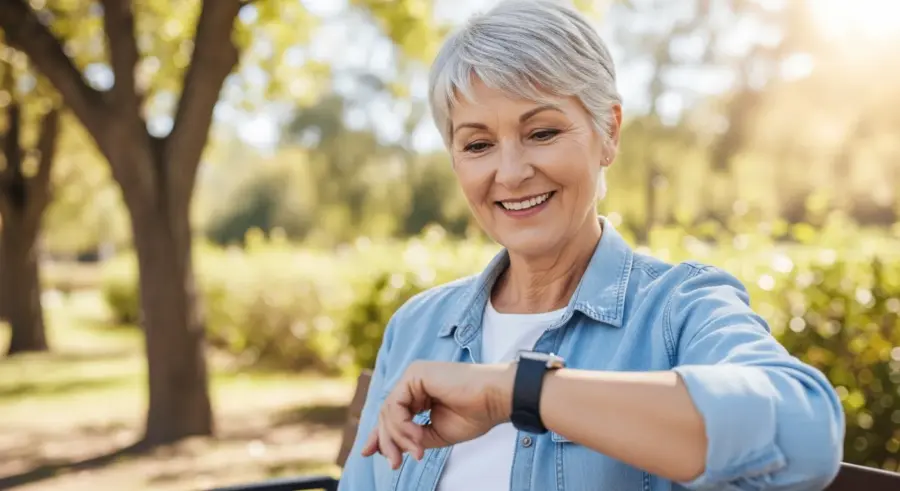
In today’s world, technology is rapidly advancing, and it’s no longer just for the younger generation. Seniors can greatly benefit from the latest innovations, especially when it comes to staying connected and maintaining an active lifestyle. Wearable tech for seniors, such as smartwatches and fitness trackers, offer a wide range of features that can improve their health, safety, and overall well-being.
This article will explore the world of wearable tech for seniors, focusing on how these devices can enhance smart leisure and social connectivity. We’ll discuss the benefits, different types of devices, setup, health and fitness tracking, and important safety features to consider when choosing wearable tech for seniors.
Ultimately, the goal is to empower seniors to embrace technology and enjoy a more connected, active, and fulfilling life. Understanding wearable tech for seniors can open doors to new possibilities and improve their overall quality of life, so let’s get started!
The Benefits of Wearable Tech for Seniors
Wearable technology offers a multitude of benefits for seniors, enhancing their lives in various ways. One of the most significant advantages is improved health monitoring.
Wearable devices can track vital signs like heart rate, blood pressure, and sleep patterns, providing valuable data for seniors and their healthcare providers. This data allows for early detection of potential health issues and proactive management of chronic conditions.
These devices also promote increased physical activity. Many wearable devices have built-in fitness trackers that encourage seniors to stay active and meet their daily exercise goals.
This can lead to improved cardiovascular health, increased muscle strength, and better overall physical fitness. Furthermore, wearable tech can enhance safety and security for seniors.
Many devices include fall detection features that automatically alert emergency services or designated contacts in case of a fall. GPS tracking capabilities can also help locate seniors who may wander or become lost, providing peace of mind for both seniors and their families.

Beyond health and safety, wearable tech can also facilitate social connectivity and reduce feelings of isolation. Smartwatches and other devices can enable seniors to stay in touch with loved ones through calls, texts, and social media notifications.
This connectivity can help seniors maintain their social networks and participate in virtual communities, combating loneliness and promoting mental well-being. Wearable tech for seniors can truly make a difference.
The ability to monitor health metrics continuously provides seniors with a sense of control over their well-being. They can actively participate in managing their health conditions and make informed decisions about their lifestyle.
Moreover, the data collected by wearable devices can be shared with healthcare professionals, enabling them to provide more personalized and effective care. This collaborative approach to healthcare can lead to better outcomes and improved overall health for seniors.
The encouragement to be more active is another significant benefit. Wearable devices often provide gentle reminders to move and celebrate achievements, motivating seniors to stay engaged in physical activity.
This can be particularly helpful for seniors who may have difficulty initiating or maintaining an exercise routine. The sense of accomplishment that comes with meeting fitness goals can also boost their self-esteem and confidence.
The safety features offered by wearable tech can be life-saving in emergency situations. Fall detection can automatically alert emergency services, even if the senior is unable to call for help themselves.
GPS tracking can be invaluable in locating seniors who may have dementia or other cognitive impairments and wander away from home. These safety features provide a sense of security and reassurance for both seniors and their families.
The social connectivity provided by wearable tech can combat social isolation, a common issue among seniors. Staying in touch with loved ones through calls, texts, and social media can help seniors maintain their social networks and feel more connected to the world around them.
This can be especially important for seniors who live alone or have limited mobility. The ability to participate in virtual communities and online activities can also provide seniors with opportunities to socialize and engage with others who share their interests.
Understanding Different Types of Wearable Devices
The market offers a variety of wearable devices tailored to seniors’ needs. Senior smartwatches are a popular choice, offering a combination of health tracking, communication, and safety features.
They typically include heart rate monitoring, activity tracking, fall detection, and GPS location services, all conveniently accessible on the wrist. Fitness trackers are another option, focusing primarily on physical activity and health metrics.
These devices track steps taken, distance traveled, calories burned, and sleep patterns, providing a comprehensive overview of a senior’s fitness level. Some fitness trackers also incorporate heart rate monitoring and other health-related features.
Medical alert systems, often worn as pendants or wristbands, are specifically designed for emergency situations. These devices typically have a button that seniors can press to call for help in case of a fall, medical emergency, or other urgent situation.
Some medical alert systems also include automatic fall detection and GPS tracking for added safety. When choosing a wearable device, it’s important to consider the specific needs and preferences of the senior.
Factors such as ease of use, battery life, comfort, and desired features should all be taken into account. Additionally, it’s essential to ensure that the device is compatible with the senior’s smartphone or other devices and that they are comfortable using the technology.
Beyond smartwatches, fitness trackers, and medical alert systems, there are other specialized wearable devices available for seniors. Smart clothing, embedded with sensors, can monitor vital signs and movement.
These garments can provide continuous data collection without requiring the senior to wear a separate device. Smart glasses can offer augmented reality features, such as displaying navigation directions or providing information about the wearer’s surroundings.
These devices can be particularly helpful for seniors with visual impairments or those who need assistance with wayfinding. Wearable biosensors can track a variety of physiological parameters, such as glucose levels, body temperature, and muscle activity.
These devices can be used to monitor chronic conditions and provide early warnings of potential health problems. When selecting a wearable device, it’s crucial to consider the senior’s individual needs and preferences.
Some seniors may prioritize health tracking features, while others may be more interested in safety and communication capabilities. It’s also important to consider the senior’s lifestyle and daily activities.
For example, an active senior who enjoys outdoor activities may benefit from a rugged and waterproof device with GPS tracking. A senior who spends most of their time at home may prefer a simpler device with basic health tracking and emergency alert features.
Ultimately, the best wearable device for a senior is one that meets their specific needs, is easy to use, and provides them with the features and functionality they desire.
Comparing Popular Wearable Tech Options for Seniors
Selecting the right wearable tech for seniors involves comparing different options. Understanding the features and functionalities of popular devices can help make an informed decision.
Consider factors like health tracking accuracy, emergency response capabilities, and ease of use. Here’s a comparison table to help you evaluate some top choices.
| Device | Key Features | Pros | Cons |
|---|---|---|---|
| Apple Watch Series 9 | Fall detection, ECG, heart rate monitoring, GPS | Comprehensive health tracking, user-friendly interface | Higher price point, requires iPhone |
| Samsung Galaxy Watch 6 | Fall detection, ECG, blood pressure monitoring, GPS | Advanced health features, stylish design | Shorter battery life, Android phone recommended |
| Fitbit Sense 2 | Stress management, heart rate variability, sleep tracking, GPS | Focus on wellness, long battery life | Limited smartwatch functionality |
| Medical Guardian MGMove | Emergency alert button, GPS tracking, caregiver app | Dedicated emergency support, simple to use | Fewer health tracking features |
When comparing wearable tech options, it’s crucial to delve deeper into the specific features and functionalities that are most important to the senior. For example, if fall detection is a top priority, it’s important to research the accuracy and reliability of the fall detection technology used by each device.
Some devices use sophisticated algorithms to detect falls, while others rely on simpler motion sensors. Similarly, if heart rate monitoring is a key concern, it’s important to compare the accuracy of the heart rate sensors used by different devices.
Some devices use optical heart rate sensors, while others use electrocardiogram (ECG) sensors, which are generally considered to be more accurate. Ease of use is another critical factor to consider.
Look for devices with intuitive interfaces, large displays, and easy-to-navigate menus. The device should also be comfortable to wear and have a long battery life so that the senior doesn’t have to worry about charging it frequently.
In addition to the features listed in the comparison table, it’s also important to consider the overall ecosystem and support provided by each device manufacturer. Does the manufacturer offer a dedicated customer support line for seniors?
Are there online tutorials or user manuals available to help seniors learn how to use the device? Does the manufacturer offer a caregiver app that allows family members to remotely monitor the senior’s health and safety?
By carefully considering these factors, you can make an informed decision about which wearable tech option is best suited for the senior’s individual needs and preferences. It’s also a good idea to read online reviews and talk to other seniors who have used the devices you are considering.
Setting Up Your Wearable Device
Once you’ve chosen a wearable device, setting it up properly is crucial for optimal performance. The initial setup typically involves charging the device and connecting it to a smartphone or computer.
Follow the manufacturer’s instructions for charging and pairing the device with the corresponding app. The app will guide you through the process of creating an account, entering personal information, and customizing settings.
Pay close attention to the settings related to health tracking, notifications, and emergency contacts. Ensure that the device is properly configured to accurately monitor vital signs and send alerts when necessary.
It’s also a good idea to familiarize yourself with the device’s interface and basic functions. Practice navigating the menus, adjusting settings, and accessing key features like heart rate monitoring and fall detection.
Consider involving a family member or caregiver in the setup process to provide assistance and answer any questions. Regular software updates are essential for maintaining the device’s performance and security.
Make sure to enable automatic updates or check for updates periodically through the device’s app. By following these setup tips, you can ensure that your wearable device is ready to use and provides the intended benefits.
Before starting the setup process, gather all the necessary information, such as the senior’s name, date of birth, medical conditions, and emergency contact information. This will save time and ensure that the device is properly configured with accurate data.
When creating an account, choose a strong password and store it in a safe place. It’s also a good idea to enable two-factor authentication for added security. During the setup process, you will likely be asked to grant the app access to certain permissions, such as location, contacts, and health data.
Carefully review these permissions and only grant access to the data that is necessary for the device to function properly. Once the device is paired with the app, take some time to explore the app’s features and settings.
Customize the notifications to ensure that the senior receives important alerts, such as medication reminders or fall detection notifications. Adjust the display settings to make the text and icons larger and easier to see.
If the device has a built-in speaker, test the volume to ensure that the senior can hear alerts and notifications clearly. It’s also important to teach the senior how to use the device and access its key features.
Provide them with clear and concise instructions and encourage them to practice using the device regularly. Offer ongoing support and answer any questions they may have. By following these setup tips, you can ensure that the senior is comfortable using their wearable device and that it is properly configured to meet their needs.
Using Wearable Tech for Health and Fitness Tracking
Wearable tech is a powerful tool for monitoring and improving health and fitness. By tracking key metrics, seniors can gain valuable insights into their physical activity levels, sleep patterns, and overall well-being.
Heart rate monitoring is a common feature in many wearable devices, allowing seniors to track their heart rate during exercise and rest. This data can help identify potential heart health issues and ensure that seniors are exercising within a safe heart rate zone.
Activity tracking is another important function, measuring steps taken, distance traveled, and calories burned throughout the day. Setting daily activity goals and monitoring progress can motivate seniors to stay active and maintain a healthy weight.
Sleep tracking provides insights into sleep duration, sleep quality, and sleep stages. Analyzing sleep data can help seniors identify potential sleep problems and make adjustments to their sleep habits to improve their overall health.
Many wearable devices also offer features like blood oxygen monitoring and ECG (electrocardiogram) readings, providing additional health data for seniors and their healthcare providers. It’s important to remember that wearable tech is not a substitute for professional medical advice.
Seniors should consult with their doctor before making any significant changes to their health or fitness routine based on data from a wearable device. However, when used in conjunction with professional medical guidance, wearable tech can be a valuable tool for promoting health and well-being.
To maximize the benefits of wearable tech for health and fitness tracking, seniors should set realistic goals and track their progress regularly. Start with small, achievable goals, such as walking for 10 minutes each day or getting 7 hours of sleep per night.
As they become more comfortable with the device and their fitness level improves, they can gradually increase their goals. It’s also important to pay attention to the trends in their data over time.
Are their heart rate readings consistently high or low? Are they getting enough sleep? Are they meeting their daily activity goals? By analyzing these trends, seniors can identify potential health problems and make adjustments to their lifestyle as needed.
Wearable tech can also be used to track medication adherence. Some devices have built-in medication reminders that can help seniors remember to take their medications on time. Others can track when medications are taken and provide reports to healthcare providers.
This can be particularly helpful for seniors who take multiple medications or have difficulty remembering to take them on time. In addition to tracking health and fitness metrics, wearable tech can also be used to promote social engagement.
Many devices have features that allow seniors to connect with friends and family, participate in online communities, and share their health and fitness data. This can help seniors stay connected and motivated to maintain a healthy lifestyle.
Overall, wearable tech can be a valuable tool for promoting health and well-being among seniors. By tracking key metrics, setting realistic goals, and staying connected with others, seniors can use wearable tech to improve their physical and mental health and enhance their quality of life.
Important Safety Features to Consider
Safety is a top priority when choosing wearable tech for seniors. Fall detection is one of the most crucial safety features to consider, as falls are a leading cause of injury among older adults.
Devices with fall detection use sensors to detect sudden impacts and automatically alert emergency services or designated contacts. GPS tracking is another important safety feature, allowing caregivers to locate seniors who may wander or become lost.
- Fall detection with automatic alerts
- GPS tracking for location monitoring
- Emergency SOS button for immediate help
- Heart rate monitoring for irregular rhythms
- Medication reminders to ensure compliance
Beyond these essential features, consider devices with geofencing capabilities. This allows you to set up virtual boundaries, and receive alerts if the senior wanders outside of those areas.
Emergency SOS buttons are crucial for immediate assistance. Ensure the button is easily accessible and triggers immediate contact with emergency services or designated contacts.
Heart rate monitoring can alert to potentially dangerous heart conditions. Irregular heart rhythms can be detected and reported, allowing for early intervention.
Medication reminders are vital for seniors with complex medication schedules. These reminders help ensure compliance and prevent potentially harmful missed doses.
Consider devices that offer two-way communication. This allows for direct communication with emergency services or caregivers in case of an emergency.
Battery life is a critical factor to consider. Choose devices with long battery life to minimize the need for frequent charging.
Water resistance is also important, especially for seniors who are active or may be prone to spills. Look for devices that are at least water-resistant, if not waterproof.
Tips for Choosing the Right Device
Selecting the appropriate wearable tech for seniors requires careful consideration. Start by assessing the senior’s specific needs and health conditions.
Are they primarily concerned with health tracking, safety, or social connectivity? Consider their comfort level with technology and choose a device that is easy to use and navigate.
Look for devices with large, clear displays and simple interfaces. Battery life is also an important factor, as seniors may not remember to charge their devices regularly.
Opt for devices with long battery life or those that provide low-battery alerts. Comfort is key, so choose a device that is lightweight and comfortable to wear for extended periods.
Consider the size and adjustability of the wristband or pendant to ensure a proper fit. Reading online reviews and comparing different models can provide valuable insights into the performance and reliability of various wearable devices.
Don’t hesitate to ask for recommendations from friends, family, or healthcare professionals. By carefully evaluating these factors, you can choose a wearable device that meets the senior’s needs and enhances their quality of life.
Consider the senior’s lifestyle when making your choice. An active senior may benefit from a fitness tracker, while a less active senior might prioritize safety features.
Ease of charging is also a vital consideration. Opt for devices with simple charging docks or long battery lives to reduce the burden on the senior.
Evaluate the availability of customer support. Choose a device from a company that offers reliable customer support, including phone, email, and online resources.
Consider the cost of the device and any ongoing subscription fees. Some devices require monthly subscriptions for access to certain features, such as emergency monitoring.
Ensure the device is compatible with the senior’s existing devices, such as their smartphone or tablet. This will make it easier to set up and use the device.
Look for devices with customizable settings. This allows you to tailor the device to the senior’s specific needs and preferences.
Ultimately, the best wearable device is one that the senior will actually use. Involve them in the decision-making process and let them try on different devices to see which one they find most comfortable and easy to use.
Addressing Common Concerns and Misconceptions
Some seniors may be hesitant to adopt wearable tech due to concerns about privacy, cost, or complexity. It’s important to address these concerns and dispel any misconceptions.
Regarding privacy, assure seniors that reputable wearable tech companies take data security seriously and have measures in place to protect personal information. Explain that they have control over what data is collected and shared and can adjust privacy settings accordingly.
As for cost, emphasize that wearable tech can be a worthwhile investment in their health and safety, potentially reducing healthcare costs in the long run. Explore affordable options or look for discounts or financial assistance programs.
If seniors are worried about the complexity of using wearable tech, offer to provide training and support. Break down the setup and usage process into simple steps and be patient and encouraging.
Highlight the benefits of wearable tech, such as improved health monitoring, increased safety, and enhanced social connectivity. Share success stories of other seniors who have embraced wearable tech and experienced positive outcomes.
By addressing these concerns and providing education and support, you can help seniors overcome their hesitation and embrace the potential of wearable tech. It can greatly enhance their lives.
Many seniors worry about the learning curve associated with new technology. Emphasize that many devices are designed with simplicity in mind, featuring intuitive interfaces.
Address concerns about data security by highlighting the security measures implemented by reputable companies. Explain encryption and data protection policies in simple terms.
Some seniors might feel that wearable tech is intrusive. Emphasize the control they have over data sharing and the ability to customize settings to their comfort level.
Address the misconception that wearable tech is only for “tech-savvy” individuals. Highlight the user-friendly designs and available support resources.
Explain that wearable tech can empower them to take control of their health and well-being. Share examples of seniors who have successfully integrated wearable tech into their lives.
Offer hands-on demonstrations to alleviate fears about complexity. Let them try out different devices and explore their features in a safe and supportive environment.
Conclusion
Wearable technology offers a world of possibilities for seniors, enhancing their health, safety, and social connections. From monitoring vital signs to detecting falls and facilitating communication, these devices can significantly improve their quality of life.
By understanding the different types of wearable devices, setting them up properly, and utilizing their various features, seniors can unlock the full potential of this technology. Embrace wearable tech for seniors and promote a more connected, active, and fulfilling life.
The future of senior care is increasingly intertwined with technology. Wearable devices represent a significant step towards proactive and personalized care.
Encouraging seniors to embrace these technologies empowers them to live more independently and safely. By addressing their concerns and providing adequate support, we can help them reap the many benefits of wearable tech.
Wearable tech offers seniors a chance to maintain their independence and improve their quality of life. It is a powerful tool for enhancing health, safety, and social connections.