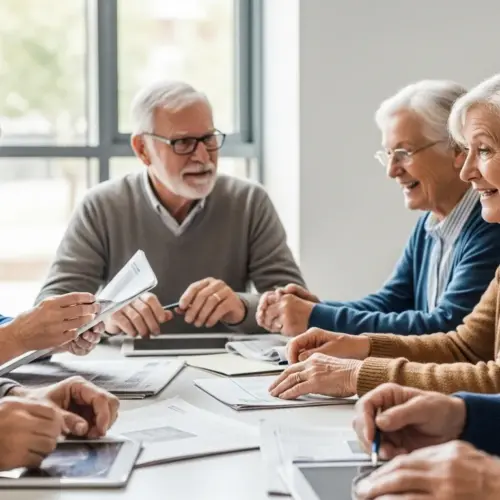

As we gracefully age, maintaining an active and engaged lifestyle becomes increasingly important. One fantastic way to do this is by exploring the world of art. Senior art classes offer a wonderful opportunity to unleash your creativity, learn new skills, and connect with like-minded individuals.
Whether you’re a seasoned artist or have never picked up a paintbrush before, there’s a class out there for you. This guide will walk you through the benefits of art classes, the types available, how to find them, and what to expect.
We’ll also cover essential art supplies and the therapeutic benefits of engaging in creative activities. Get ready to discover the joy and fulfillment that senior art classes can bring to your life, opening up a world of possibilities and self-expression.
Why Art Classes are Beneficial for Seniors
Art classes offer a multitude of benefits for seniors, going beyond just learning a new skill. They provide a unique way to enhance cognitive function, improve physical dexterity, and foster social connections. Engaging in creative activities can have a profound impact on overall well-being.
The act of creating art stimulates different parts of the brain, promoting mental agility and memory retention. Art classes can also help reduce stress and anxiety, providing a calming and therapeutic outlet for emotions.
For seniors, art classes can be especially beneficial in combating feelings of isolation and loneliness. The social interaction and shared experiences within a class setting can foster a sense of community and belonging.
Participating in art classes can boost self-esteem and confidence. Completing a painting, sculpture, or other art project provides a sense of accomplishment and pride, reminding seniors of their capabilities and potential.
Moreover, art classes encourage self-expression and exploration. Seniors can discover hidden talents and passions, leading to a renewed sense of purpose and fulfillment in their lives. The learning environment is often very encouraging.
Art can also serve as a form of non-verbal communication, allowing seniors to express emotions and experiences that may be difficult to articulate verbally. This can be particularly helpful for those dealing with grief, trauma, or other emotional challenges.
The focus on creativity and self-expression in art classes can help seniors to challenge negative thoughts and beliefs about themselves. By creating something beautiful or meaningful, they can gain a new perspective on their own worth and potential.
Furthermore, engaging in art can improve fine motor skills and hand-eye coordination, which can be particularly beneficial for seniors experiencing age-related physical decline. The act of manipulating art supplies, such as paintbrushes or sculpting tools, can help maintain dexterity and prevent stiffness.
Art classes can also provide a structured and engaging routine, which can be especially important for seniors who may be retired or have fewer social engagements. Having a regular activity to look forward to can help maintain a sense of purpose and prevent boredom.
The sense of accomplishment that comes from creating art can also boost cognitive function. Successfully completing a project can improve memory and attention span.
Types of Art Classes Available for Seniors
The world of art is vast and varied, offering a wide range of classes to suit different interests and skill levels. From painting and drawing to sculpting and ceramics, there’s something for everyone to enjoy. Exploring these different mediums can be an exciting adventure.
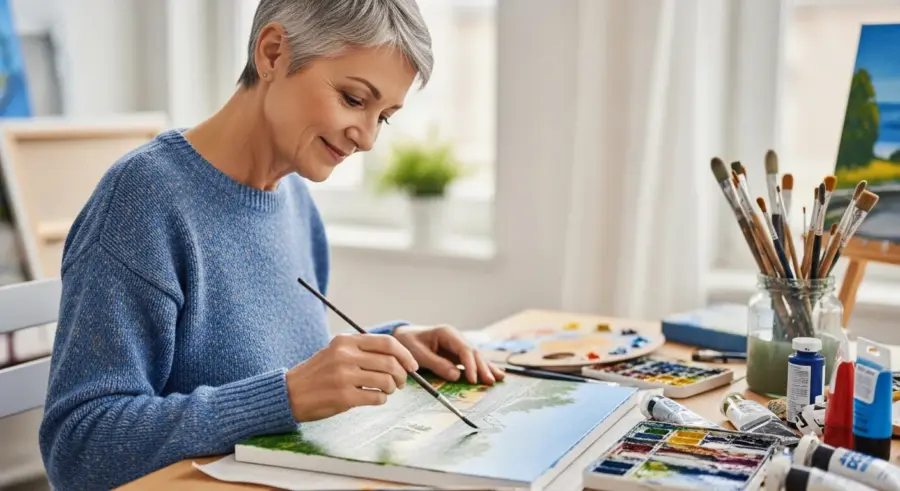
Painting classes are a popular choice, allowing seniors to experiment with colors, textures, and techniques. Watercolor, oil, and acrylic painting are just a few of the options available, each offering its own unique challenges and rewards.
Drawing classes focus on developing observational skills and hand-eye coordination. Seniors can learn to create realistic or abstract drawings using pencils, charcoal, or pastels, exploring different styles and subject matter.
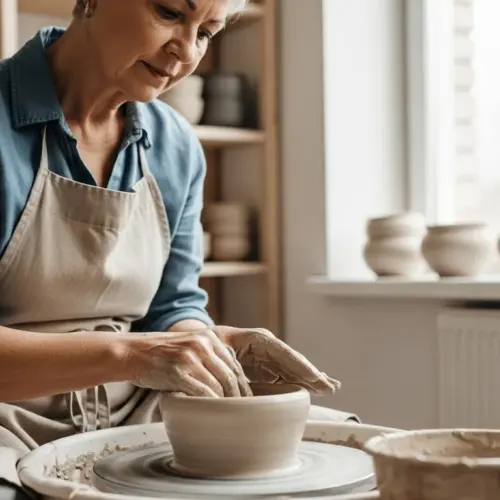
Sculpting classes offer a hands-on experience, allowing seniors to create three-dimensional art using clay, wood, or metal. This tactile art form can be both therapeutic and stimulating, engaging the senses and promoting creativity.
Beyond these traditional art forms, there are also classes in crafts, such as knitting, crochet, and quilting. These activities can be both relaxing and productive, resulting in beautiful and functional creations.
Digital art classes are also becoming increasingly popular, offering seniors the opportunity to explore the world of computer-generated art. These classes can cover topics such as digital painting, graphic design, and photo editing.
Mixed media classes combine different art forms and materials, allowing seniors to experiment with a variety of techniques and create unique and expressive pieces. This can be a great option for those who enjoy exploring different creative avenues.
Photography classes can also be a rewarding experience, teaching seniors how to capture beautiful images and tell stories through visual media. These classes often include instruction on composition, lighting, and editing.
Ceramics classes offer the opportunity to work with clay, creating functional and decorative objects. This tactile art form can be both therapeutic and rewarding, allowing seniors to express their creativity in a tangible way.
Consider the physical demands of each art form when choosing a class. Some may be more suitable for those with limited mobility or dexterity.
Finding Art Classes Near You
Locating art classes for elderly in your community is easier than you might think. Many local organizations and institutions offer a variety of programs designed specifically for seniors. You can start by checking with community centers, senior centers, and local art schools.
These places often have dedicated classes or workshops tailored to older adults, ensuring a comfortable and supportive learning environment. Online resources can also be helpful in your search.
Libraries often host free or low-cost art programs for seniors. Check your local library’s calendar for upcoming events and workshops.
Museums and art galleries frequently offer educational programs for seniors, including guided tours, workshops, and lectures. These programs can provide a stimulating and enriching experience.
Parks and recreation departments often offer a variety of art classes and activities for seniors, ranging from painting and drawing to crafts and photography. These programs are often offered at affordable prices.
Universities and colleges may offer continuing education courses in art for seniors. These courses can provide a more in-depth and structured learning experience.
Online art classes are a convenient option for seniors who prefer to learn from the comfort of their own homes. There are many online platforms that offer a wide range of art classes, from beginner to advanced levels.
When searching for art classes, be sure to consider your interests, skill level, and physical abilities. Look for classes that are specifically designed for seniors and that offer a supportive and inclusive learning environment.
Don’t be afraid to try out a few different classes before settling on one that you enjoy. The most important thing is to find an activity that you find stimulating, rewarding, and enjoyable.
| Organization | Type of Classes | Location |
|---|---|---|
| Community Centers | Painting, drawing, ceramics | Local community |
| Senior Centers | Crafts, painting, mixed media | Local senior center |
| Art Schools | Advanced painting, sculpture, digital art | Local art school |
| Online Platforms | Various art forms | Online |
What to Expect in a Senior Art Class
Senior art classes are designed to be welcoming and inclusive, catering to a wide range of abilities and experience levels. You can expect a relaxed and supportive atmosphere where creativity is encouraged and individual expression is celebrated. The instructor will guide you through the basics.
The class typically begins with an introduction to the art form and the materials you’ll be using. The instructor will demonstrate techniques and provide step-by-step guidance, allowing you to learn at your own pace.
You’ll have plenty of opportunities to practice and experiment, receiving personalized feedback and encouragement from the instructor. The focus is on the process of creating, rather than achieving perfection, so don’t be afraid to make mistakes and try new things.
Many senior art classes also incorporate social time, allowing you to connect with your classmates and share your experiences. This can be a wonderful way to build friendships and foster a sense of community.
The pace of the class will typically be slower and more deliberate than in a general art class, allowing seniors to work at their own speed and without feeling rushed. Instructors are usually very patient.
The class size may be smaller, allowing for more individualized attention from the instructor. This can be particularly beneficial for seniors who have specific needs or challenges.
The classroom environment will typically be designed to be accessible and comfortable for seniors, with features such as adjustable tables, comfortable chairs, and good lighting. Accessibility is key.
The instructor may provide modifications or adaptations to the art projects to accommodate seniors with physical limitations. They are often very accommodating.
The emphasis will be on having fun and enjoying the creative process, rather than on producing perfect or professional-quality artwork. It’s all about the experience.
Constructive criticism is always given in a positive and supportive manner. The goal is to encourage and inspire, not to discourage.
Art Supplies for Beginners
Starting an art class can seem daunting, especially when it comes to gathering the necessary supplies. However, you don’t need to break the bank to get started. Many art classes provide basic materials for beginners, allowing you to try out different mediums before investing in your own supplies.
If you’re taking a painting class, a basic set of acrylic paints, a variety of brushes, and a canvas or painting paper are essential. For drawing classes, a set of pencils in different grades, a sketchbook, and an eraser will get you started.
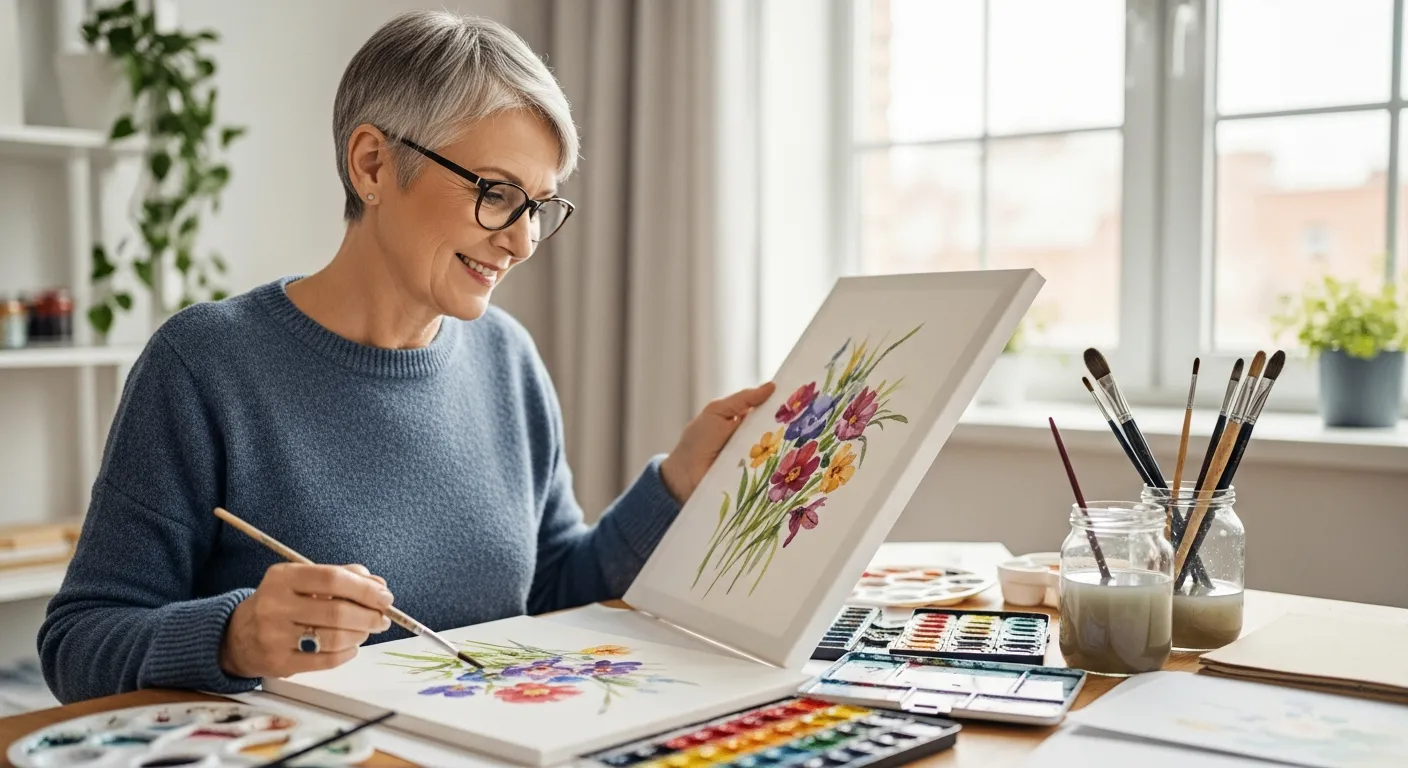
For watercolor painting, you’ll need watercolor paints, watercolor paper, and a set of watercolor brushes. A palette for mixing colors is also helpful.
If you’re interested in sculpting, you’ll need clay, sculpting tools, and a work surface. A pottery wheel may be necessary for more advanced projects.
For craft classes, the specific supplies will depend on the type of craft. However, some common supplies include yarn, needles, fabric, scissors, and glue.
When purchasing art supplies, it’s important to choose high-quality materials that are non-toxic and safe to use. Look for products that are labeled as “AP” (Approved Product) or “CL” (Caution Label) by the Art & Creative Materials Institute (ACMI).
Consider purchasing a carrying case or art supply organizer to keep your materials organized and easily accessible. This can be especially helpful if you have limited storage space.
Don’t be afraid to ask your instructor for recommendations on specific brands or types of art supplies. They can provide valuable advice based on their experience and expertise.
Start with a basic set of supplies and gradually add more as you progress in your art journey. You don’t need to buy everything at once.
- Acrylic paint set
- Variety of paintbrushes
- Canvas or painting paper
- Drawing pencils (various grades)
- Sketchbook
- Eraser
The Therapeutic Benefits of Art
Art has long been recognized for its therapeutic benefits, offering a unique way to express emotions, reduce stress, and improve overall well-being. For seniors, engaging in creative activities can be particularly beneficial, providing a sense of purpose and fulfillment. The act of creating can be very calming.
Art therapy is a specialized field that uses creative techniques to help individuals explore their emotions, improve self-esteem, and cope with challenges. However, you don’t need to be in formal therapy to experience the therapeutic benefits of art.
Simply engaging in creative activities, such as painting, drawing, or sculpting, can have a positive impact on your mental and emotional health. Art can provide a safe and non-judgmental outlet for expressing feelings that may be difficult to verbalize.
The process of creating art can also be meditative, allowing you to focus on the present moment and quiet your mind. This can be particularly helpful for seniors who experience anxiety or stress.
Art can also help to improve cognitive function by stimulating different parts of the brain. Engaging in creative activities can enhance memory, attention span, and problem-solving skills.
The social interaction and shared experiences in art classes can also promote emotional well-being. Connecting with others who share your interests can help combat feelings of isolation and loneliness.
Art can also provide a sense of accomplishment and pride, boosting self-esteem and confidence. Completing a painting, sculpture, or other art project can be a very rewarding experience.
The focus on creativity and self-expression in art can also help seniors to challenge negative thoughts and beliefs about themselves. By creating something beautiful or meaningful, they can gain a new perspective on their own worth and potential.
Furthermore, art can be a fun and engaging way to stay active and stimulated. Engaging in creative activities can help prevent boredom and maintain a sense of purpose in life.
Art can also be a way to connect with your inner child and rediscover the joy of play. Allowing yourself to be creative and expressive can be a liberating and empowering experience.
Senior Painting Lessons for Relaxation
Senior painting lessons offer a fantastic avenue for relaxation and stress reduction. The act of painting itself can be a meditative experience. Focusing on colors, brushstrokes, and composition allows you to immerse yourself fully in the present moment.
This mindful engagement can help quiet the mind and ease anxiety. The gentle, repetitive motions involved in painting can also have a calming effect on the body.
Choosing soothing color palettes, such as blues, greens, and purples, can further enhance the relaxing effects of painting. Painting landscapes, seascapes, or abstract designs can also promote a sense of peace and tranquility.
Ultimately, senior painting lessons are not just about creating art, they’re about nurturing your well-being. They offer a wonderful opportunity to unwind, de-stress, and connect with your inner creativity.
The focus on self-expression in painting can also be a cathartic experience, allowing you to release pent-up emotions and feelings. This can be particularly helpful for seniors who are dealing with grief, loss, or other emotional challenges.
Painting can also be a way to connect with your memories and experiences. Creating artwork based on your life story can be a powerful and meaningful way to reflect on your past and celebrate your accomplishments.
The sense of accomplishment that comes from completing a painting can also boost self-esteem and confidence. Seeing your artwork displayed can be a source of pride and satisfaction.
Painting can also be a social activity, providing opportunities to connect with others who share your interests. Participating in group painting sessions or art exhibitions can help combat feelings of isolation and loneliness.
The act of painting can also improve fine motor skills and hand-eye coordination. This can be particularly beneficial for seniors who are experiencing age-related physical decline.
Painting can also be a fun and engaging way to stay mentally stimulated. Learning new techniques and experimenting with different styles can help keep your mind sharp and active.
Creative Activities for Seniors with Limited Mobility
Even with limited mobility, there are many creative activities that seniors can enjoy. Adaptive art techniques and modified supplies can make art accessible to individuals with physical limitations. It’s all about finding what works best for you.
Watercolor painting is a great option, as it requires minimal physical exertion. Using larger brushes and lightweight paper can make it easier to handle the materials.
Digital art is another accessible option, allowing seniors to create art using a tablet or computer. There are many user-friendly art programs available, with features like adjustable brush sizes and undo buttons that make it easy to experiment and correct mistakes.
Other creative activities that can be adapted for limited mobility include collage, coloring, and jewelry making. The key is to find activities that you enjoy and that can be modified to suit your individual needs and abilities.
Consider using adaptive art supplies, such as ergonomic paintbrushes, large-handled pencils, and pre-cut paper. These supplies can make it easier to grip and manipulate the materials.
Try using a lap desk or easel to provide a stable and comfortable work surface. This can help reduce strain on your back and neck.
Break down art projects into smaller, more manageable steps. This can help prevent fatigue and frustration.
Don’t be afraid to ask for help from a caregiver, friend, or family member. They can assist with tasks such as setting up supplies, cleaning up, or providing physical support.
Focus on the process of creating art, rather than on the final product. The goal is to enjoy the experience and express yourself creatively.
Remember that there are no limits to your creativity. Even with limited mobility, you can still create beautiful and meaningful artwork.
Social Connectivity Through Art
Art classes provide a wonderful opportunity for seniors to connect with others and build meaningful relationships. The shared experience of creating art can foster a sense of community and belonging. It’s a great way to meet new people.
Participating in group art projects can encourage collaboration and teamwork. Sharing ideas, techniques, and feedback can strengthen bonds and create a supportive learning environment.
Art exhibitions and showcases provide a platform for seniors to share their work with a wider audience. This can boost self-esteem and create a sense of pride in their accomplishments.
The social connections formed through art can help combat feelings of isolation and loneliness, promoting overall well-being and a sense of purpose. Art truly brings people together.
Discussing art and creative processes can open up new avenues for communication and understanding. Sharing your artistic vision with others can be a deeply rewarding experience.
Attending art-related events and workshops together can create lasting memories and strengthen friendships. These shared experiences can enrich your life and provide a sense of connection.
The supportive and encouraging atmosphere in art classes can help seniors feel more comfortable and confident in their social interactions. This can lead to increased participation and engagement in other social activities.
Sharing your artwork with family and friends can also strengthen relationships and create opportunities for meaningful conversations. Art can be a bridge that connects generations.
The sense of community and belonging that is fostered in art classes can extend beyond the classroom. Seniors may form lasting friendships and support networks that enrich their lives in many ways.
Art can be a powerful tool for building social connections and promoting overall well-being. It offers a unique and enriching way to connect with others and express yourself creatively.
Conclusion
Senior art classes offer a wealth of benefits, from enhancing cognitive function and improving physical dexterity to fostering social connections and promoting emotional well-being. Whether you’re a seasoned artist or a complete beginner, there’s an art class out there for you.
Embrace the opportunity to unleash your creativity, learn new skills, and connect with like-minded individuals. Discover the joy and fulfillment that art can bring to your life, enriching your golden years with color, expression, and connection.
Don’t hesitate to explore the various options available and find an art class that suits your interests and abilities. The rewards are well worth the effort.
Remember that it’s never too late to discover your inner artist. Art is a lifelong journey of learning, growth, and self-discovery.
So, take the plunge and sign up for a senior art class today. You may be surprised at what you discover about yourself and the world around you.