
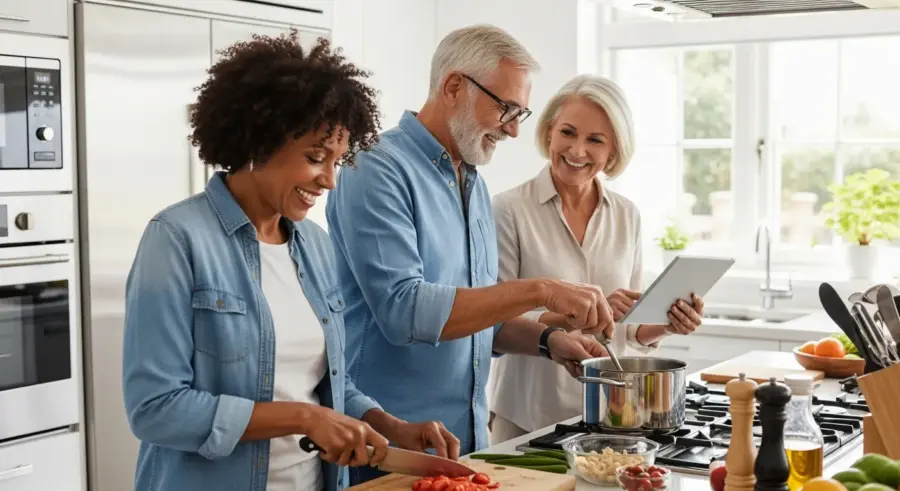
As we age, maintaining an active and engaged lifestyle becomes increasingly important. One fantastic way to do this is by exploring the world of cooking. Senior cooking classes offer a delightful blend of learning, socializing, and, of course, delicious food.
Whether you’re a seasoned chef or a complete beginner, there’s a class out there for you. Let’s look at why senior cooking classes are a great idea and how to find the perfect one for your needs.
From mastering new recipes to enjoying the company of like-minded individuals, the benefits are numerous. It’s time to spice up your life with senior cooking classes and discover a newfound passion for the culinary arts!
The Joys and Benefits of Cooking for Seniors
Cooking offers a wide range of benefits for seniors, both physically and mentally. It’s not just about preparing a meal; it’s about nurturing well-being.
For starters, cooking can significantly improve cognitive function. Following recipes, measuring ingredients, and managing cooking times all provide a mental workout that helps keep the mind sharp.
Engaging in cooking activities can also boost self-esteem and confidence. Successfully creating a dish, especially one you’ve never made before, provides a sense of accomplishment and pride.
This can be particularly beneficial for seniors who may be experiencing feelings of isolation or decreased independence. Plus, cooking encourages healthier eating habits.
When you prepare your own meals, you have complete control over the ingredients. This allows you to choose fresh, nutritious foods and avoid excessive salt, sugar, and unhealthy fats, promoting better overall health.
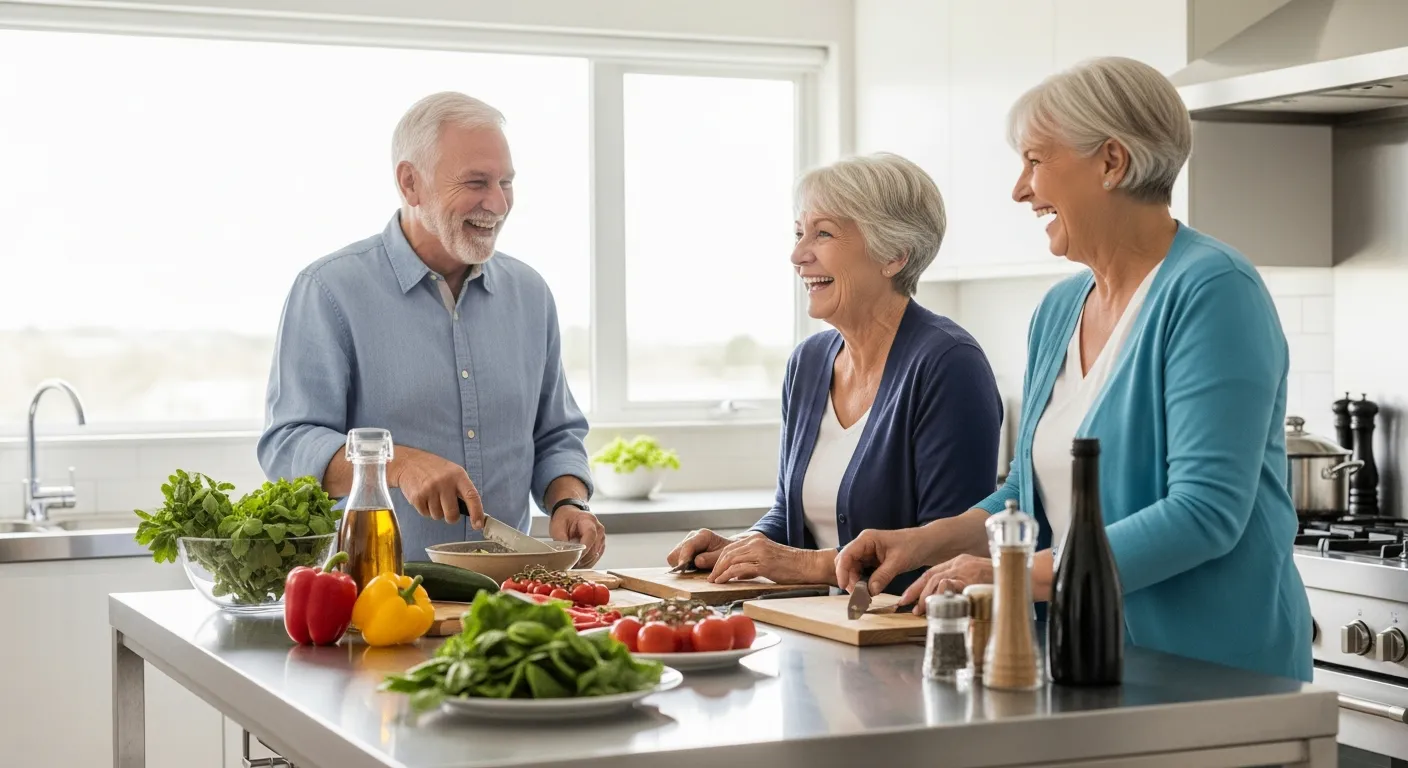
Cooking provides a sense of purpose and routine. Planning meals, shopping for ingredients, and preparing dishes can add structure to the day, which can be particularly helpful for seniors who are retired or living alone.
The act of cooking can also be a form of creative expression. Experimenting with different flavors, textures, and presentation techniques allows seniors to unleash their creativity and explore their culinary talents.
Furthermore, cooking can be a therapeutic activity. The repetitive motions involved in chopping vegetables, stirring sauces, and kneading dough can be calming and stress-relieving.
It can also be a mindful practice, allowing seniors to focus on the present moment and engage their senses. The aromas, colors, and textures of food can be incredibly stimulating and enjoyable.
Cooking can also improve fine motor skills and hand-eye coordination. Tasks like peeling vegetables, cutting herbs, and whisking eggs require dexterity and precision, which can help maintain or improve these skills.
This is especially important for seniors who may be experiencing age-related decline in motor function. Finally, cooking can be a social activity that fosters connections with others.
Finding Cooking Classes in Your Area
Locating senior cooking classes is easier than you might think. A variety of resources are available to help you find the perfect class nearby.
Start by checking your local community centers. Many community centers offer cooking classes specifically designed for seniors, often at a reduced cost.
Senior centers are another excellent resource. These centers frequently host a range of activities, including cooking classes, tailored to the interests and abilities of older adults.
Don’t forget to explore culinary schools in your area. Some culinary schools offer recreational cooking classes for the general public, which can be a great way to learn from professional chefs.
Additionally, consider local hospitals and wellness centers. They may offer healthy cooking classes as part of their community outreach programs, focusing on nutrition and wellness for seniors.
Online search engines are your friend. Use keywords like “senior cooking classes near me” or “cooking classes for seniors [your city]” to find local options.
Websites like Eventbrite and Meetup often list local cooking classes and workshops. These platforms can be a convenient way to discover new and interesting culinary opportunities.
Ask your friends and neighbors for recommendations. Word-of-mouth can be a valuable way to find hidden gems and local favorites.
Contact your local Area Agency on Aging. These agencies provide information and resources for seniors, including information about local activities and programs.
Check with local retirement communities. Many retirement communities offer a variety of activities for their residents, including cooking classes and culinary events.
Look for specialized cooking schools that cater to specific dietary needs or interests. For example, there may be schools that offer classes in gluten-free cooking, vegan cooking, or diabetic-friendly cooking.
Consider taking online cooking classes. There are many online platforms that offer cooking classes for all skill levels, which can be a convenient option for seniors who prefer to learn from home.
When researching cooking classes, be sure to inquire about the class format, cost, and skill level. It’s also important to find out if the class is accessible to seniors with mobility issues or other physical limitations.
Types of Cooking Classes Suitable for Seniors
The world of cooking classes is diverse, offering something for everyone, regardless of skill level or dietary needs. When it comes to senior cooking classes, several types stand out as particularly beneficial and enjoyable.
One popular option is healthy cooking classes for seniors. These classes focus on preparing nutritious meals that cater to the specific health needs of older adults, such as managing diabetes, heart health, or osteoporosis.
| Class Type | Focus | Benefits |
|---|---|---|
| Healthy Cooking | Nutritious recipes | Improved health, dietary management |
| Cultural Cuisine | International dishes | Expanded culinary horizons, social interaction |
| Baking Basics | Bread, pastries, desserts | Stress relief, creative expression |
| Quick & Easy Meals | Simple, fast recipes | Convenience, time-saving |
Another great choice is cultural cuisine classes. These classes introduce seniors to dishes from around the world, providing a fun and engaging way to learn about different cultures and expand their culinary horizons.
For those with a sweet tooth, baking basics classes are a must. These classes cover the fundamentals of baking bread, pastries, and desserts, offering a delightful and therapeutic experience.
Quick and easy meals classes are perfect for seniors who want to prepare healthy and delicious meals without spending hours in the kitchen. These classes focus on simple recipes and time-saving techniques.
Specialized dietary classes cater to specific health conditions or dietary restrictions. For example, there are classes that focus on gluten-free cooking, vegan cooking, or low-sodium cooking.
These classes can be incredibly helpful for seniors who need to manage their diet due to health concerns. There are also classes focused on cooking for one or two people.
These classes teach seniors how to prepare smaller portions and avoid food waste, which can be particularly useful for those who live alone. Some classes focus on using specific kitchen appliances.
For example, there might be classes that teach seniors how to use a slow cooker, pressure cooker, or air fryer to prepare healthy and delicious meals. Consider attending a class with a friend or family member.
This can make the experience even more enjoyable and provide an opportunity to bond over a shared interest. Look for classes that offer hands-on experience.
Hands-on classes allow seniors to actively participate in the cooking process, which can be more engaging and effective than simply watching a demonstration. Be sure to check the class schedule and location.
Choose a class that fits your schedule and is conveniently located. Finally, don’t be afraid to try something new!
Adapting Recipes for Senior Needs
As we age, our dietary needs and physical abilities can change. This means that adapting recipes to suit these changes is essential for safe and enjoyable cooking.
One important adaptation is reducing sodium intake. Many seniors need to limit their sodium consumption to manage blood pressure and heart health, so opt for low-sodium ingredients and use herbs and spices to add flavor instead of salt.
Increasing fiber intake is another key consideration. Fiber-rich foods like whole grains, fruits, and vegetables can help improve digestion and prevent constipation, which is a common concern for seniors.
When adapting recipes, consider the texture of the food. Softer foods that are easy to chew and swallow are often preferable for seniors with dental issues or difficulty swallowing.
You can achieve this by cooking foods until they are tender, pureeing ingredients, or using a food processor to create smoother textures. Portion control is also crucial.
Smaller portion sizes can help prevent overeating and manage weight, which is important for maintaining overall health. Consider using smaller plates and bowls to help control portion sizes.
Pay attention to the fat content of recipes. Choose lean proteins, low-fat dairy products, and healthy fats like olive oil and avocados. Limit your intake of saturated and trans fats, which can increase the risk of heart disease.
Adjust cooking methods to make them easier and safer. For example, instead of frying foods, try baking, grilling, or steaming them. These methods require less oil and are generally healthier.
Use pre-cut vegetables and fruits to save time and effort. Many grocery stores offer pre-cut produce, which can be a convenient option for seniors who have difficulty with chopping and slicing.
Modify recipes to accommodate any allergies or intolerances. If you have any food allergies or intolerances, be sure to adapt recipes accordingly. Read food labels carefully and avoid ingredients that may trigger a reaction.
Consider adding nutritional supplements to your diet. If you are not getting enough of certain nutrients from your diet, talk to your doctor about taking nutritional supplements. Common supplements for seniors include vitamin D, calcium, and vitamin B12.
Make sure recipes are easy to read and follow. Use large print and clear instructions to make recipes easier to read and follow. You can also use a magnifying glass or a recipe holder to make it easier to see the recipe.
Don’t be afraid to experiment and adapt recipes to your own taste. Cooking should be an enjoyable experience, so don’t be afraid to experiment with different flavors and ingredients to create dishes that you love.
Cooking Tips for Seniors with Limited Mobility
Limited mobility shouldn’t prevent seniors from enjoying the pleasures of cooking. With a few adjustments and helpful tools, cooking can remain an accessible and fulfilling activity.
Start by optimizing your kitchen layout. Arrange frequently used items within easy reach to minimize bending and stretching.
- Use assistive devices
- Employ proper posture
- Take frequent breaks
- Prepare ingredients in advance
- Opt for easy-to-handle cookware
Consider using assistive devices to make cooking easier. Adaptive cutting boards with raised edges and non-slip surfaces can help with chopping vegetables.
Lightweight cookware with ergonomic handles can reduce strain on your wrists and hands. Also, slow cookers and pressure cookers can be a boon.
Use a kitchen cart or rolling island to transport ingredients and dishes around the kitchen. This can help reduce the need to carry heavy items.
Sit down while preparing food whenever possible. Use a comfortable chair or stool with good back support to reduce strain on your legs and back.
Wear comfortable shoes with good support. This can help prevent foot and leg pain while standing in the kitchen.
Avoid reaching for items on high shelves. Use a step stool or ask someone for help to avoid falls. A reacher-grabber tool can also be useful.
Prepare ingredients in advance when you have the most energy. Chop vegetables, measure spices, and prepare sauces ahead of time so that you can quickly assemble meals when you are tired.
Use pre-cut vegetables and fruits to save time and effort. Many grocery stores offer pre-cut produce, which can be a convenient option for seniors who have difficulty with chopping and slicing.
Choose recipes that are simple and easy to prepare. Avoid recipes that require a lot of standing, bending, or lifting. One-pot meals are a great option.
Use a timer to remind yourself to take breaks. Set a timer for every 20-30 minutes to remind yourself to sit down and rest.
Ask for help from family members, friends, or caregivers. Don’t be afraid to ask for help with tasks that are difficult or painful.
Consider hiring a personal chef to prepare meals for you. This can be a great option for seniors who have limited mobility and are unable to cook for themselves.
The Social Aspect of Cooking and Sharing Food
Cooking isn’t just about the food itself; it’s also about the social connections and shared experiences it creates. For seniors, the social aspect of cooking can be particularly meaningful.
Attending senior cooking classes provides an opportunity to meet new people and form friendships. Sharing a common interest in cooking can spark conversations and create bonds with like-minded individuals.
Cooking together in a class setting fosters a sense of community and belonging. Working as a team to prepare a meal can be a fun and rewarding experience, promoting cooperation and camaraderie.
Beyond the classroom, cooking can be a way to connect with family and friends. Inviting loved ones to share a meal that you’ve prepared is a wonderful way to strengthen relationships and create lasting memories.
Sharing food is a universal expression of love and care. Hosting potlucks or participating in community cooking events can also expand your social circle and provide a sense of purpose.
Cooking and sharing food can help combat feelings of loneliness and isolation. Seniors who live alone may benefit from sharing meals with others on a regular basis.
Participating in cooking clubs or groups can provide a sense of belonging and social support. These groups offer opportunities to share recipes, cooking tips, and culinary experiences.
Volunteering to cook meals for others can be a rewarding way to give back to the community. Many organizations rely on volunteers to prepare and serve meals to those in need.
Sharing food can be a way to celebrate special occasions and traditions. Cooking and sharing traditional dishes can help seniors connect with their cultural heritage and pass on traditions to younger generations.
Cooking can be a way to express creativity and share your unique talents with others. Seniors can share their favorite recipes and cooking techniques with friends and family.
Sharing food can be a way to learn about different cultures and cuisines. Trying new dishes from around the world can broaden your culinary horizons and spark your curiosity.
Cooking and sharing food can be a fun and engaging way to spend time with loved ones. It’s a great way to create lasting memories and strengthen relationships.
Consider starting a cooking club with friends or neighbors. This can be a fun and affordable way to share your love of cooking and socialize with others.
Embracing Technology in Senior Cooking
Technology can significantly enhance the cooking experience for seniors, making it more accessible, convenient, and enjoyable. From online recipes to smart kitchen appliances, there are numerous ways to leverage technology in the kitchen.
Online recipe websites and apps provide a wealth of culinary inspiration. Many of these resources offer features like adjustable serving sizes, nutritional information, and user reviews.
These can be invaluable for seniors looking to adapt recipes to their specific needs. Voice-activated devices like Amazon Echo or Google Home can also be incredibly useful in the kitchen.
Seniors can use these devices to search for recipes, set timers, convert measurements, and even control smart kitchen appliances hands-free. Smart kitchen appliances can also simplify cooking tasks.
For example, smart ovens can be preheated and monitored remotely, while smart slow cookers can be programmed to cook meals automatically. Cooking classes for elderly can be found online too.
Online cooking classes and tutorials can provide seniors with access to a wide range of culinary instruction from the comfort of their own homes. These classes often include step-by-step instructions and visual demonstrations.
Food delivery services can be a convenient option for seniors who have difficulty shopping for groceries or preparing meals. Many services offer a variety of healthy and affordable meal options.
Meal planning apps can help seniors plan their meals for the week and create grocery lists. These apps can also help seniors track their nutritional intake and manage their diet.
Smart scales can help seniors measure ingredients accurately. These scales can also be used to track portion sizes and manage weight.
Electric can openers and jar openers can make it easier for seniors to open cans and jars. These devices can be particularly helpful for seniors with arthritis or limited hand strength.
Automatic shut-off appliances can help prevent kitchen fires. These appliances automatically shut off if they are left unattended for a certain period of time.
Large-button appliances can make it easier for seniors to use kitchen appliances. These appliances have large, easy-to-read buttons and controls.
Consider using a tablet or laptop to display recipes while cooking. This can make it easier to see the recipe and follow the instructions.
Senior Cooking Lessons: A Path to Lifelong Learning
Senior cooking lessons offer more than just culinary skills; they provide a pathway to lifelong learning and personal growth. Engaging in new activities and acquiring new knowledge can keep the mind active and stimulated as we age.
Learning new cooking techniques and recipes challenges seniors to step outside their comfort zones and embrace new experiences. This can boost self-confidence and foster a sense of accomplishment.
Cooking classes also offer an opportunity to learn about different cultures and cuisines. Exploring international dishes can broaden horizons and spark curiosity about the world.
Moreover, cooking lessons often incorporate nutritional education. Seniors can learn about the importance of balanced diets, healthy eating habits, and how to make informed food choices.
This knowledge can empower them to take control of their health and well-being. Healthy cooking seniors are happier seniors.
Cooking lessons can help seniors develop new skills and interests. This can lead to a more fulfilling and engaged life. Learning to cook can open up new possibilities for social interaction.
Seniors can share their culinary creations with friends and family, or volunteer to cook for community events. Cooking lessons can provide a sense of purpose and meaning.
Seniors can use their culinary skills to prepare healthy and delicious meals for themselves and others. Learning new cooking techniques can be a fun and engaging way to stay mentally active.
Cooking lessons can challenge seniors to think creatively and solve problems. It can also improve memory and cognitive function.
Cooking lessons can help seniors stay connected to their cultural heritage. Learning to cook traditional dishes can be a way to preserve and pass on cultural traditions.
Cooking lessons can provide a sense of accomplishment and self-esteem. Successfully preparing a meal can be a rewarding experience.
Learning new cooking skills can be a lifelong journey. There are always new recipes and techniques to explore.
Consider taking a cooking class with a friend or family member. This can be a fun and social way to learn new skills and spend time together.
Conclusion
Senior cooking classes offer a wealth of benefits, from improving cognitive function to fostering social connections. By exploring the culinary arts, seniors can enhance their overall well-being and discover new passions.
With a little research and adaptation, anyone can enjoy the joys of cooking, regardless of their skill level or physical abilities. So why not take the plunge and sign up for a senior cooking class today?