
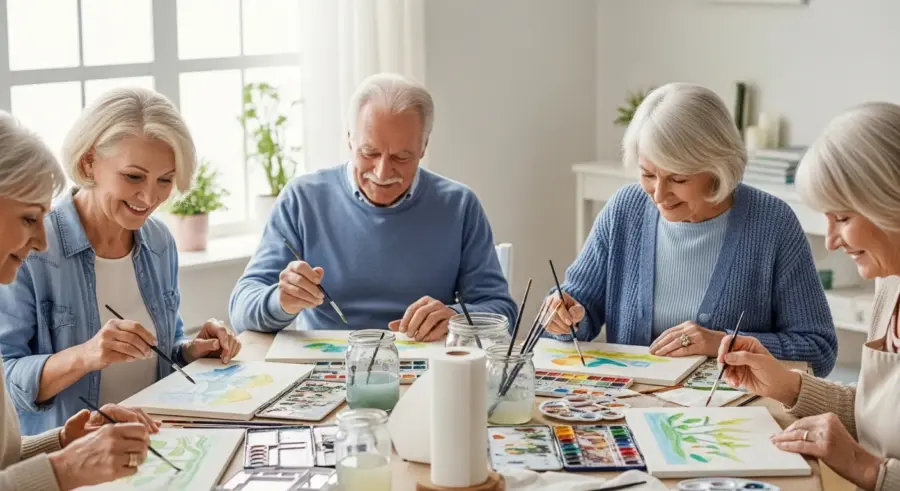
Watercolor painting is a fantastic hobby for seniors, offering a creative outlet and a chance to socialize. Senior watercolor painting groups provide a supportive environment to learn new skills and connect with like-minded individuals.
Whether you’re a complete beginner or have some experience, joining a group can enhance your artistic abilities and overall well-being. These groups offer more than just art instruction; they create a community where seniors can share their passion and build lasting friendships.
If you’re looking for a fulfilling and engaging activity, consider exploring the world of watercolor painting. Senior Watercolor Painting Groups offer a wonderful avenue to express your creativity, learn new techniques, and enjoy the company of others.
The Therapeutic Benefits of Watercolor Painting for Seniors
Watercolor painting offers a multitude of therapeutic benefits for seniors, making it a worthwhile activity to pursue. The act of painting can be incredibly relaxing, helping to reduce stress and anxiety.
Focusing on the colors, brushstrokes, and composition allows seniors to enter a meditative state, promoting mental clarity and emotional well-being. Painting for seniors is more than just a hobby; it’s a form of therapy that can improve their overall quality of life.
Engaging in creative activities like watercolor painting can also help to improve cognitive function. The need to plan, visualize, and execute a painting stimulates different parts of the brain, enhancing memory and problem-solving skills.
Art classes encourage seniors to think creatively and explore new ideas, which can help maintain mental sharpness and prevent cognitive decline. Regular participation in painting activities can keep the mind active and engaged, contributing to better cognitive health.
Furthermore, the sense of accomplishment that comes from creating a beautiful painting can boost self-esteem and confidence. This is especially important for seniors who may be experiencing feelings of isolation or loss of purpose.
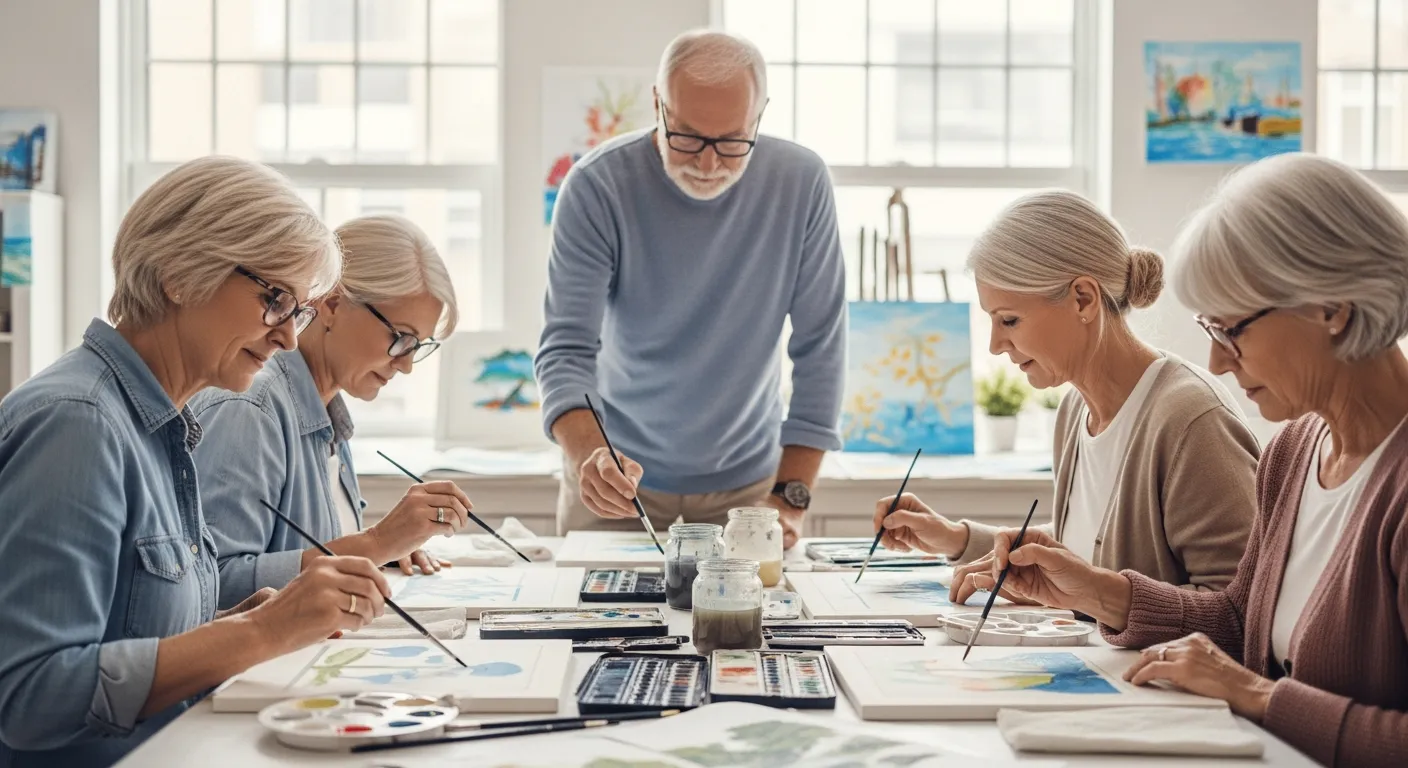
Watercolor painting provides a tangible way to express emotions and connect with inner feelings. It can be a powerful tool for processing difficult experiences and promoting emotional healing.
The gentle and flowing nature of watercolor paints can be particularly soothing, making it an ideal medium for seniors seeking a calming and therapeutic activity. The process of blending colors and creating soft washes can be incredibly meditative.
Beyond the mental and emotional benefits, watercolor painting can also improve fine motor skills and hand-eye coordination. The precise movements required for brushstrokes and color mixing can help maintain dexterity and prevent stiffness in the hands and fingers.
These physical benefits are particularly valuable for seniors who may be experiencing age-related decline in motor skills. Watercolor painting provides a fun and engaging way to keep their hands and minds active.
The social aspect of joining a senior watercolor painting group also contributes to the therapeutic benefits. Interacting with other artists, sharing ideas, and receiving encouragement can foster a sense of community and belonging.
This social interaction can help combat feelings of loneliness and isolation, which are common challenges faced by seniors. The shared passion for art creates a bond that can lead to lasting friendships and a supportive network.
Finding a Senior Watercolor Painting Group in Your Area
Finding a senior watercolor painting group in your area is easier than you might think. Many community centers, senior centers, and local art organizations offer painting for seniors.
Start by checking with your local community center or senior center to see if they offer art classes or painting groups. These centers often have affordable programs specifically designed for seniors, providing a convenient and accessible way to get involved.
Local art organizations and art supply stores are also great resources for finding senior watercolor painting groups. These organizations often host workshops and classes for all skill levels, including those tailored for seniors.
Art supply stores may also have bulletin boards or connections with local artists who lead painting groups. Online platforms like Meetup.com and Facebook groups can also help you discover local senior watercolor painting groups.
Another excellent resource is your local library. Libraries often host community events and workshops, and they may be able to provide information about art groups in the area.
Don’t hesitate to reach out to local artists directly. Many artists offer private lessons or small group classes in their studios.
A simple online search using keywords like “senior watercolor painting groups near me” can also yield valuable results. Be sure to check online directories and community calendars for listings of local events and activities.
When researching potential groups, consider factors such as the skill level of the participants, the cost of membership or classes, and the location and schedule of meetings. Choose a group that aligns with your interests, abilities, and availability.
It’s also a good idea to visit a few different groups before committing to one. This will give you a chance to meet the other members, observe the class format, and determine if the group is a good fit for your personality and artistic goals.
Don’t be afraid to ask questions and express your needs and preferences. A good senior watercolor painting group will be welcoming and supportive, and the instructor will be willing to accommodate your individual needs.
Remember that finding the right group may take some time, so be patient and persistent. The effort will be well worth it when you discover a community of like-minded artists who share your passion for watercolor painting.
Essential Watercolor Painting Supplies for Beginners
Starting with watercolor painting doesn’t require a huge investment in supplies. There are just a few essential items you’ll need to get started and explore your creative potential.
A basic set of watercolor paints, watercolor paper, and a few brushes are all you need to begin your artistic journey. Opting for student-grade materials is a budget-friendly way to experiment and learn without breaking the bank.
| Supply | Description | Why it’s Essential |
|---|---|---|
| Watercolor Paints | A set of basic colors in tubes or pans | Provides the colors needed for painting |
| Watercolor Paper | Paper specifically designed to absorb water without buckling | Ensures the paint adheres properly and the paper doesn’t warp |
| Watercolor Brushes | A set of round and flat brushes in various sizes | Allows for different painting techniques and details |
| Palette | A surface for mixing paints | Provides a clean and organized space for mixing colors |
| Water Container | A container for clean water to rinse brushes | Keeps brushes clean and ready for use |
| Paper Towels | For blotting excess water from brushes | Helps control the amount of water on the brush |
As you gain experience, you can always upgrade your supplies to artist-grade materials for richer colors and better performance. Starting simple ensures that you can explore the medium without feeling overwhelmed.
When selecting watercolor paints, consider a set of basic colors such as red, yellow, blue, green, brown, and black. These colors can be mixed to create a wide range of hues and shades.
Watercolor paper is available in different weights and textures. For beginners, a medium-weight paper with a cold-pressed surface is a good choice.
Brushes come in various shapes and sizes, each suited for different purposes. A round brush is versatile and can be used for both detail work and broad strokes. A flat brush is ideal for creating washes and filling in large areas.
A palette is essential for mixing your paints. A simple plastic palette with wells is a good option for beginners.
A water container is needed for rinsing your brushes. Use a clean container and change the water frequently to avoid contaminating your paints.
Paper towels are useful for blotting excess water from your brushes and cleaning up spills. Keep a roll of paper towels handy while you’re painting.
Optional supplies include masking fluid, which can be used to protect areas of your paper from paint, and watercolor pencils, which can be used for sketching and adding details. These can be added to your collection as you become more comfortable with the medium.
Basic Watercolor Painting Techniques
Mastering a few basic watercolor painting techniques can greatly enhance your artistic skills. These techniques will allow you to create a wide range of effects and textures in your paintings.
The wet-on-wet technique involves applying wet paint to wet paper, creating soft, blended effects. This technique is perfect for creating backgrounds, skies, and other dreamy, atmospheric elements.
The wet-on-dry technique, on the other hand, involves applying wet paint to dry paper, resulting in sharp, defined edges. This technique is ideal for painting details, lines, and other precise elements.
Layering, or glazing, is another fundamental technique where you apply thin, transparent washes of color over each other to build depth and richness. By layering different colors, you can create complex and luminous effects in your watercolor paintings.
Dry brushing is a technique where you use a dry brush with very little paint to create textured effects. This technique is useful for painting rough surfaces, such as rocks or tree bark.
Lifting is a technique where you remove paint from the paper using a clean, damp brush or a paper towel. This technique can be used to create highlights or correct mistakes.
Salt technique involves sprinkling salt onto wet paint to create interesting textures. The salt absorbs the water, leaving behind a unique pattern when it dries.
Masking fluid can be used to protect areas of your paper from paint. Apply the masking fluid to the areas you want to keep white, let it dry completely, and then paint over it. Once the paint is dry, carefully peel off the masking fluid to reveal the white areas.
Experiment with different techniques to discover what works best for you. Don’t be afraid to try new things and explore the possibilities of watercolor painting.
Practice each technique individually to develop your skills. Start with simple exercises and gradually move on to more complex projects.
Watch online tutorials and read books to learn more about watercolor painting techniques. There are many resources available to help you improve your skills.
Attend workshops and classes to learn from experienced instructors. This is a great way to receive personalized feedback and guidance.
The Importance of Practice and Experimentation
Practice and experimentation are key to improving your watercolor painting skills. The more you paint, the more comfortable you’ll become with the medium and the various techniques.
Don’t be afraid to try new things, experiment with different colors, and explore various subjects. Art classes can be a great way to learn new techniques and receive guidance from experienced instructors.
Senior creative activities like watercolor painting are about the process, not just the end result. Enjoy the experience of creating, and don’t worry too much about perfection.
Each painting is a learning opportunity, and over time, you’ll see significant improvement in your skills. Embrace the journey and celebrate your progress along the way.
Set aside regular time for painting, even if it’s just for a few minutes each day. Consistency is key to developing your skills.
Keep a sketchbook or journal to document your experiments and track your progress. This can be a valuable resource for future reference.
Don’t be discouraged by mistakes. Everyone makes mistakes, especially when they’re learning something new. Use your mistakes as opportunities to learn and grow.
Try painting the same subject multiple times, experimenting with different techniques and colors each time. This can help you develop a deeper understanding of the subject and improve your skills.
Explore different styles of watercolor painting, such as realistic, abstract, or impressionistic. This can help you discover your own unique artistic voice.
Visit art museums and galleries to see the work of other watercolor artists. This can provide inspiration and new ideas for your own paintings.
Join online art communities and participate in challenges and prompts. This can help you stay motivated and connected with other artists.
Most importantly, have fun! Watercolor painting should be an enjoyable and relaxing activity.
Sharing Your Artwork and Receiving Feedback
Sharing your artwork and receiving feedback can be a valuable part of your artistic development. It allows you to gain new perspectives on your work and identify areas for improvement.
Senior watercolor painting groups provide a supportive environment for sharing your paintings and receiving constructive criticism. These groups often hold regular show-and-tell sessions where members can display their work and discuss their artistic process.
- Show your work during group meetings
- Participate in local art shows
- Share your paintings online
- Ask for constructive comments
- Be open to suggestions
Online platforms like art forums and social media groups also offer opportunities to share your artwork and receive feedback from a wider audience. Be open to suggestions and use the feedback to refine your skills and grow as an artist.
When sharing your artwork, be sure to provide some context about your painting process and the challenges you faced. This will help others understand your work and provide more relevant feedback.
When receiving feedback, listen carefully to what others have to say and try to understand their perspective. Don’t take criticism personally; instead, view it as an opportunity to learn and improve.
Ask clarifying questions if you don’t understand a comment or suggestion. It’s important to make sure you’re clear on what others are trying to communicate.
Be selective about the feedback you choose to incorporate into your work. Not all suggestions will be helpful or relevant to your artistic goals. Trust your own judgment and choose the feedback that resonates with you.
Offer constructive criticism to others in a respectful and supportive manner. Focus on specific aspects of their work and offer suggestions for improvement.
Remember that giving and receiving feedback is a two-way street. Be willing to share your own insights and experiences with others.
Participating in art shows and exhibitions is a great way to showcase your work and gain recognition. It can also be a valuable learning experience.
Consider starting your own online art gallery or blog to share your artwork with the world. This can be a rewarding way to connect with other artists and art lovers.
The Joy of Connecting with Nature and Others Through Art
One of the most rewarding aspects of watercolor painting is the opportunity to connect with nature and others through art. Many seniors find inspiration in the beauty of the natural world, painting landscapes, flowers, and wildlife.
Senior creative activities can bring a sense of peace and tranquility, allowing you to appreciate the world around you in a new way. Joining a senior watercolor painting group also provides a chance to connect with others who share your passion for art.
These groups offer a supportive and social environment where you can build friendships and share your creative experiences. The camaraderie and shared enthusiasm can greatly enhance your enjoyment of watercolor painting.
Participating in group activities can also help combat feelings of loneliness and isolation, promoting overall well-being. The social connections formed through art can be incredibly meaningful and enriching.
Take your watercolor paints and brushes outdoors and paint en plein air. This is a wonderful way to connect with nature and capture the beauty of the world around you.
Organize painting outings with your senior watercolor painting group. Explore local parks, gardens, and scenic spots together.
Paint portraits of your friends and family members. This is a meaningful way to connect with loved ones and create lasting memories.
Create artwork inspired by your travels and experiences. This can be a fun way to share your adventures with others.
Use your art to express your emotions and connect with your inner self. Watercolor painting can be a powerful tool for self-discovery and personal growth.
Share your artwork with your community by donating paintings to local charities or organizations. This is a generous way to give back and make a difference.
Teach watercolor painting to others. This is a rewarding way to share your knowledge and passion with the next generation.
Most importantly, enjoy the process of creating and connecting with others through art. Watercolor painting is a gift that can bring joy, fulfillment, and connection to your life.
Adapting Watercolor Painting for Different Abilities
Watercolor painting can be adapted to suit different abilities and physical limitations. Seniors with mobility issues can still enjoy painting by using adaptive equipment and techniques.
Adjustable tables, ergonomic brushes, and assistive devices can make painting more comfortable and accessible. Consider using larger brushes and simpler compositions to accommodate any physical limitations.
Art classes can also be tailored to meet the specific needs of seniors with disabilities. Instructors can provide individualized guidance and modifications to ensure that everyone can participate and enjoy the activity.
The goal is to make watercolor painting an inclusive and enjoyable experience for all seniors, regardless of their physical abilities. With the right adaptations, everyone can express their creativity and reap the therapeutic benefits of art.
For seniors with arthritis, consider using brushes with larger, easier-to-grip handles. There are also adaptive grips that can be added to existing brushes.
If you have difficulty reaching your paints or water, set up your supplies within easy reach. Use a lazy Susan or a rolling cart to keep everything close at hand.
If you have limited mobility, consider painting on a smaller scale. Use smaller sheets of paper and simpler compositions to reduce the physical demands of painting.
If you have visual impairments, use brighter colors and larger brushes to make it easier to see what you’re doing. You can also use a magnifying glass or other visual aids.
If you have cognitive impairments, break down the painting process into smaller, more manageable steps. Focus on one technique or element at a time.
Don’t be afraid to ask for help from your instructor or other members of your senior watercolor painting group. They can offer valuable support and guidance.
Remember that art is about self-expression, not perfection. Focus on enjoying the process and let go of any expectations or pressure to create a masterpiece.
Adaptations can be made to easels as well. Table top easels can be adjusted and tilted for better reach and viewing.
Setting Up a Comfortable Painting Space
Creating a comfortable and well-organized painting space is essential for enjoying your watercolor painting sessions. Choose a location with good natural light and ventilation to ensure a pleasant and healthy environment.
Set up a table or desk that is at a comfortable height, and make sure you have a supportive chair. Organize your supplies so that they are easily accessible, keeping your paints, brushes, and paper within reach.
Consider using a portable art cart or trolley to store and transport your supplies if you need to move your painting space. Protect your work surface with a waterproof mat or tablecloth to prevent spills and stains.
A well-organized and comfortable painting space will make it easier to focus on your art and enjoy the creative process. Creating a dedicated area for your art activities can also help you feel more inspired and motivated to paint.
If possible, choose a location with a view of nature. This can provide inspiration and create a calming atmosphere.
Make sure your painting space is well-lit. Natural light is ideal, but if that’s not possible, use artificial lighting that is bright and evenly distributed.
Keep your painting space clean and clutter-free. This will help you stay focused and organized.
Personalize your painting space with items that inspire you, such as photos, quotes, or artwork. This will help you create a space that is both functional and inspiring.
Consider adding a comfortable chair or cushion to your painting space. You’ll be spending a lot of time sitting, so it’s important to be comfortable.
If you have limited space, get creative with your storage solutions. Use shelves, drawers, and containers to keep your supplies organized and out of the way.
Make sure your painting space is accessible and easy to navigate. If you have mobility issues, consider using adaptive equipment or rearranging your space to make it more accessible.
Creating a comfortable and well-organized painting space is an investment in your artistic well-being. Take the time to set up a space that is both functional and inspiring, and you’ll be more likely to enjoy your watercolor painting sessions.
The Long-Term Benefits of Consistent Art Engagement
Consistent engagement in art activities like watercolor painting can provide long-term benefits for seniors. Regular participation in creative activities can help maintain cognitive function, improve emotional well-being, and enhance social connections.
Art classes provide a structured and supportive environment for continued learning and skill development. Over time, you’ll not only improve your artistic abilities but also experience a greater sense of accomplishment and self-esteem.
Senior creative activities can be a source of joy and fulfillment, adding meaning and purpose to your life. The long-term benefits of consistent art engagement extend beyond the canvas, positively impacting your overall quality of life.
Watercolor painting can be a lifelong passion, providing endless opportunities for creative expression and personal growth. Embrace the journey and enjoy the many rewards that art has to offer.
Studies have shown that engaging in art activities can help reduce the risk of cognitive decline and dementia. Art stimulates the brain and helps maintain cognitive function.
Art can also be a powerful tool for managing stress and anxiety. The act of creating can be therapeutic and help you relax and unwind.
Participating in art classes and groups can provide a sense of community and belonging. This can be especially beneficial for seniors who may be experiencing feelings of loneliness or isolation.
Art can help you express your emotions and connect with your inner self. It can be a powerful tool for self-discovery and personal growth.
Learning new skills and challenging yourself creatively can boost your self-esteem and confidence. Art can help you feel more capable and accomplished.
Art can provide a sense of purpose and meaning in your life. It can give you something to look forward to and help you stay engaged and active.
Art can be a source of joy and fulfillment. It can bring beauty and creativity into your life.
The long-term benefits of consistent art engagement are numerous and far-reaching. Make art a part of your life and enjoy the many rewards it has to offer.
Conclusion
Senior watercolor painting groups offer a wonderful opportunity for seniors to express their creativity, connect with others, and enjoy the therapeutic benefits of art. Whether you’re a beginner or an experienced painter, joining a group can enhance your artistic skills and overall well-being.
Explore the world of watercolor painting and discover the joy of creating beautiful art while building lasting friendships. Senior creative activities and painting for seniors is a great way to connect with others.