

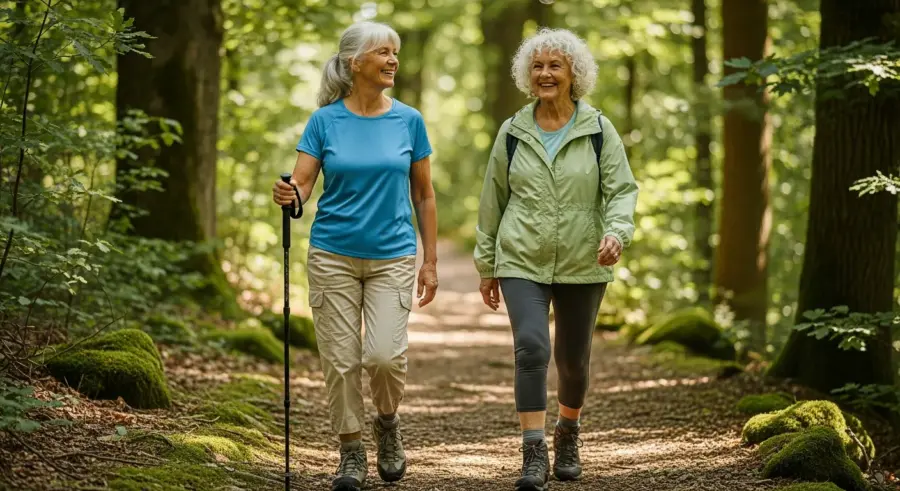
For seniors seeking to stay active and engaged, senior hiking clubs offer a fantastic opportunity. Combining the benefits of physical activity with the joys of social interaction, these clubs provide a supportive environment to explore the great outdoors.
If you’re looking for ways to boost your well-being while connecting with like-minded individuals, then hiking for seniors might be the perfect fit. This article will guide you through the advantages of joining senior hiking clubs, how to find suitable trails, what to look for in a club, essential gear, safety tips, and how to make lasting friendships along the way.
Get ready to discover the many ways senior hiking clubs can enrich your life. Embrace the beauty of nature, improve your health, and forge new connections with fellow outdoor enthusiasts.
The Health Benefits of Hiking for Seniors
Hiking offers a wide range of health benefits, especially for seniors. Regular physical activity can significantly improve cardiovascular health, helping to lower blood pressure and reduce the risk of heart disease.
Hiking is a weight-bearing exercise, which is crucial for maintaining bone density and preventing osteoporosis. The varied terrain of hiking trails also helps improve balance and coordination, reducing the risk of falls.
Beyond the physical advantages, hiking can have a profound impact on mental health. Spending time in nature has been shown to reduce stress, anxiety, and symptoms of depression.
The combination of fresh air, sunlight, and physical exertion releases endorphins, which have mood-boosting effects. Joining senior fitness groups focused on hiking provides a structured way to enjoy these benefits regularly.
Improved lung capacity is another significant advantage of regular hiking. The increased oxygen intake during hikes strengthens the respiratory system.
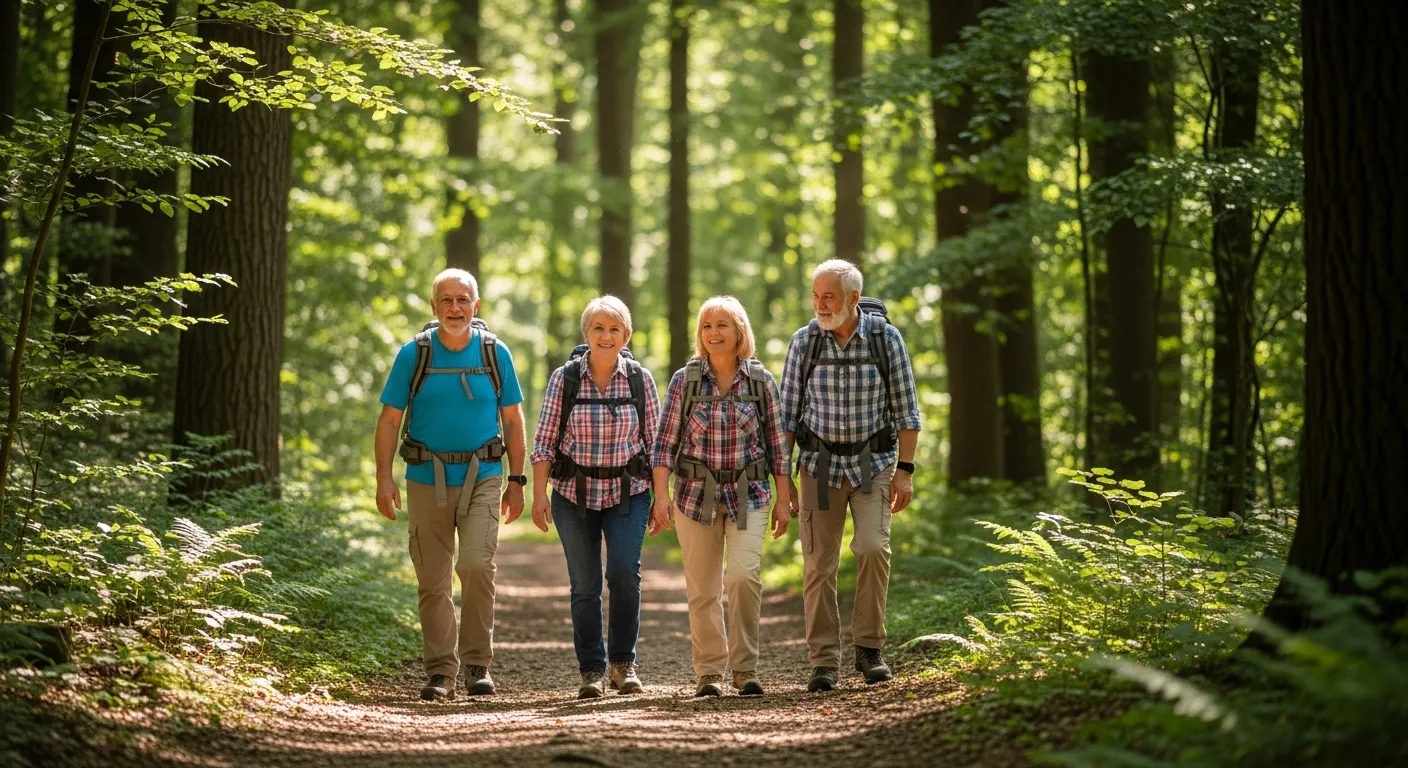
Hiking can also help manage chronic conditions such as arthritis and diabetes. The controlled physical activity helps improve joint mobility and regulates blood sugar levels.
Moreover, hiking can contribute to better sleep patterns. The physical exertion and exposure to natural light help regulate the body’s natural sleep-wake cycle.
The mental clarity gained from hiking can also boost cognitive function. Regular hikes can improve memory and concentration.
Participating in senior hiking clubs adds a social dimension to these health benefits. The camaraderie and support within the group can enhance motivation and adherence to a regular exercise routine.
Hiking also promotes a sense of accomplishment and self-esteem. Overcoming physical challenges on the trail can boost confidence and resilience.
Furthermore, the exposure to nature can enhance creativity and problem-solving skills. The calming effect of nature allows for clearer thinking and new perspectives.
It is important to start slowly and gradually increase the intensity and duration of hikes. This approach minimizes the risk of injuries and allows the body to adapt to the increased physical demands.
Hydration is crucial during hikes to prevent dehydration and maintain energy levels. Drinking plenty of water before, during, and after the hike is essential.
Proper nutrition also plays a vital role in maximizing the health benefits of hiking. Consuming a balanced diet with adequate protein, carbohydrates, and healthy fats provides the necessary fuel for physical activity.
Finding Senior-Friendly Hiking Trails
When choosing hiking trails, it’s essential to consider the specific needs and abilities of seniors. Look for trails that are relatively flat and well-maintained, with minimal obstacles like rocks or roots.
Shorter trails are generally better for beginners or those with limited mobility. Many parks and recreational areas offer trails specifically designed for seniors, with benches and rest areas along the way.
Online resources like AllTrails and local park websites can provide detailed information about trail difficulty, elevation gain, and user reviews. These platforms often include filters to search for senior-friendly options.
Don’t hesitate to contact local hiking clubs or park rangers for recommendations. They can offer valuable insights into the best trails for your specific fitness level and preferences.
Consider the trail surface when selecting a hiking location. Paved or gravel trails are often easier to navigate than those with loose dirt or uneven terrain.
Also, look for trails with clear signage and well-marked paths. This helps prevent getting lost and ensures a safer hiking experience.
The presence of restrooms and water fountains along the trail is another important factor to consider. These amenities can enhance comfort and convenience during the hike.
Pay attention to the elevation gain of the trail. Even a seemingly small increase in elevation can be challenging for some seniors.
Check the trail’s accessibility for walking aids, such as canes or walkers. Some trails may not be suitable for individuals with mobility limitations.
Read recent trail reviews to get an idea of current conditions, such as mud, fallen trees, or construction. This information can help you prepare accordingly and avoid potential hazards.
Consider the distance from your home to the trailhead. A shorter commute can make it easier to participate in regular hikes.
Look for trails that offer scenic views and natural beauty. Enjoying the surroundings can enhance the overall hiking experience and boost morale.
Take into account the availability of shade along the trail. Exposure to direct sunlight can be tiring and increase the risk of heatstroke.
Consider the presence of wildlife in the area. Be aware of potential encounters with animals and take necessary precautions.
Finally, choose trails that align with your personal interests and preferences. Whether you enjoy birdwatching, wildflower identification, or simply soaking in the scenery, select trails that cater to your passions.
What to Look for in a Senior Hiking Club
When selecting a senior hiking club, consider several factors to ensure it’s a good fit. Look for a club that offers a variety of hikes with different difficulty levels and distances.
A well-organized club will have experienced leaders who are knowledgeable about local trails and safety procedures. It’s also important to find a club with a welcoming and inclusive atmosphere.
| Criteria | Description | Why It Matters |
|---|---|---|
| Variety of Hikes | Offers different difficulty levels and distances | Caters to various fitness levels and interests |
| Experienced Leaders | Knowledgeable about trails, safety, and first aid | Ensures safe and enjoyable hiking experiences |
| Social Activities | Organizes social events and gatherings | Fosters camaraderie and friendship among members |
| Inclusivity | Welcomes members of all backgrounds and abilities | Creates a supportive and welcoming environment |
Inquire about the club’s policies regarding cancellations due to weather or other unforeseen circumstances. A reliable club will have clear communication protocols in place.
Check if the club offers any training or educational programs related to hiking safety, first aid, or trail navigation. These resources can enhance your knowledge and skills.
Find out if the club has any membership fees or other associated costs. Be sure to understand what is included in the membership and whether it aligns with your budget.
Ask about the average group size for hikes. A smaller group may allow for more personalized attention and a closer-knit atmosphere.
Consider the club’s focus on environmental stewardship and conservation. Some clubs actively participate in trail maintenance and other environmental initiatives.
Look for a club that encourages members to share their experiences and knowledge. A supportive community can enhance the learning process and foster a sense of belonging.
Check if the club has a website or social media presence. This can provide valuable information about upcoming events, member testimonials, and club activities.
Attend a few introductory hikes or meetings before committing to a membership. This allows you to get a feel for the club’s culture and determine if it’s a good fit for you.
Consider the club’s proximity to your home or other convenient locations. A club that is easily accessible can make it easier to participate in regular hikes.
Look for a club that offers a variety of social activities beyond hiking, such as potlucks, picnics, or educational presentations. These events can enhance social connections and create a more well-rounded experience.
Finally, choose a club that makes you feel comfortable and welcome. A positive and supportive environment can greatly enhance your enjoyment of hiking and your overall well-being.
Essential Gear for Senior Hiking
Having the right gear can make a significant difference in your comfort and safety on the trail. Start with sturdy, comfortable hiking shoes that provide good ankle support and traction.
Dress in layers to adapt to changing weather conditions, and always bring a waterproof jacket or poncho. A lightweight backpack is essential for carrying water, snacks, and other essentials.
Trekking poles can provide extra stability and reduce strain on your knees and joints, especially on uneven terrain. Don’t forget sun protection, including a hat, sunglasses, and sunscreen with a high SPF.
A basic first-aid kit is a must-have for any hike, along with any personal medications you may need. Consider carrying a whistle for signaling in case of an emergency.
Consider bringing a small, lightweight portable charger for your phone. This ensures you can contact help if needed, or use GPS applications without draining your battery.
A headlamp or flashlight is essential, especially if you anticipate hiking in low-light conditions or during the early morning or late evening. Make sure the batteries are fresh or fully charged.
Carry a map and compass, and learn how to use them. Even with GPS technology, it’s important to have traditional navigation tools as a backup.
Insect repellent can protect you from mosquito bites and other insect-borne diseases. Choose a repellent that is effective and safe for your skin.
A small knife or multi-tool can be useful for various tasks, such as cutting rope, opening packages, or making repairs.
Bring a lightweight, foldable chair or blanket for resting breaks. This can provide a comfortable place to sit and relax during the hike.
Consider wearing compression socks to improve circulation and reduce swelling in your legs and feet. These socks can also help prevent blisters.
Pack a small trash bag to carry out any litter you generate during the hike. Leave no trace behind and help preserve the natural environment.
Bring a small notebook and pen to jot down observations, trail notes, or personal reflections. This can enhance your connection with nature and create lasting memories.
Consider carrying a personal locator beacon (PLB) or satellite messenger for emergency situations. These devices can transmit your location to rescue services, even in areas with no cell phone coverage.
Finally, remember to adjust your gear based on the specific trail conditions and weather forecast. Be prepared for anything and prioritize safety and comfort.
Hiking Safety Tips for Seniors
Safety should always be a top priority when hiking, especially for seniors. Before heading out, check the weather forecast and be prepared for changing conditions.
Let someone know your hiking plans, including your route and expected return time. Stay on marked trails and avoid shortcuts, which can be dangerous and lead to getting lost.
- Check the weather forecast
- Inform someone of your hiking plans
- Stay on marked trails
- Pace yourself and take breaks
- Stay hydrated and carry snacks
Always warm up your muscles before starting the hike. Gentle stretches can help prevent injuries and improve performance.
Be aware of your surroundings and watch out for potential hazards, such as slippery rocks, tree roots, or uneven terrain. Take your time and pay attention to where you’re stepping.
Avoid hiking alone, especially in remote areas. Hiking with a buddy provides added safety and support.
Learn basic first aid and carry a first-aid kit with essential supplies. Knowing how to treat minor injuries can prevent them from becoming more serious.
Be aware of the symptoms of heatstroke and hypothermia, and take steps to prevent them. Dress appropriately for the weather and stay hydrated.
Avoid hiking during the hottest part of the day. Early morning or late afternoon are generally cooler and more comfortable.
Protect yourself from the sun by wearing a hat, sunglasses, and sunscreen. Sunburn can be painful and increase the risk of skin cancer.
Be aware of wildlife in the area and take precautions to avoid encounters. Keep a safe distance from animals and never feed them.
If you have any medical conditions, inform your hiking companions and carry any necessary medications. Make sure your companions know how to administer the medication in case of an emergency.
Carry a whistle and know how to use it to signal for help. Three short blasts of the whistle is a recognized distress signal.
If you get lost, stay calm and try to retrace your steps. If you can’t find your way back, stay put and wait for help to arrive.
Finally, trust your instincts and don’t hesitate to turn back if you feel uncomfortable or unsafe. Your safety is always the top priority.
Making Friends on the Trail
One of the greatest benefits of joining a senior hiking club is the opportunity to make new friends. Hiking together provides a natural setting for conversation and connection.
Take the initiative to introduce yourself to other members and participate in club social events. Shared experiences in nature can create strong bonds and lasting friendships.
Consider volunteering for club activities or helping to organize hikes. These efforts can help you feel more connected and contribute to the community.
Remember that building friendships takes time, so be patient and open to getting to know new people. The camaraderie and support you find in a hiking club can greatly enhance your overall well-being.
Start conversations by asking open-ended questions about their hiking experiences or interests. This can help you find common ground and spark meaningful connections.
Offer assistance to other hikers, such as helping them with their gear or providing encouragement on challenging sections of the trail. Acts of kindness can foster goodwill and create opportunities for friendship.
Share your own stories and experiences, but be sure to listen attentively to others as well. Reciprocity is key to building strong relationships.
Participate in post-hike social gatherings, such as meals or coffee breaks. These informal settings can provide a relaxed atmosphere for getting to know people better.
Exchange contact information with people you connect with and follow up with them after the hike. A simple email or phone call can help solidify a budding friendship.
Suggest future hikes or activities that you can do together. Shared experiences are a great way to strengthen bonds and create lasting memories.
Be respectful of others’ opinions and perspectives, even if you don’t always agree with them. Tolerance and understanding are essential for building positive relationships.
Offer encouragement and support to other hikers, especially those who are struggling or feeling discouraged. A little bit of encouragement can go a long way.
Be yourself and let your personality shine through. Authenticity is attractive and can help you connect with people who appreciate you for who you are.
Remember that not every connection will blossom into a deep friendship, and that’s okay. Focus on building a network of acquaintances and friends who share your interests and values.
Finally, be patient and persistent. Building meaningful relationships takes time and effort, but the rewards are well worth it.
Staying Active Beyond Hiking
While hiking is a wonderful activity, it’s important to incorporate other forms of exercise into your routine. Strength training can help maintain muscle mass and improve overall strength.
Flexibility exercises, such as stretching and yoga, can improve range of motion and prevent injuries. Balance exercises, like Tai Chi, can help reduce the risk of falls.
Consider joining a senior fitness class or working with a personal trainer to develop a well-rounded exercise program. Combining different types of activities will help you stay active and healthy for years to come.
Remember to consult with your doctor before starting any new exercise program, especially if you have underlying health conditions. They can provide personalized recommendations based on your individual needs and abilities.
Swimming is a low-impact exercise that is gentle on the joints. It’s a great way to improve cardiovascular health and build muscle strength.
Cycling is another excellent option for staying active. Whether you prefer outdoor cycling or indoor cycling classes, it’s a fun and effective way to get your heart rate up.
Walking is a simple yet powerful exercise that can be easily incorporated into your daily routine. Aim for at least 30 minutes of brisk walking most days of the week.
Gardening is a surprisingly good workout that combines physical activity with mental stimulation. Digging, planting, and weeding can all contribute to your overall fitness.
Dancing is a fun and social way to stay active. Whether you enjoy ballroom dancing, line dancing, or Zumba, it’s a great way to improve your coordination and cardiovascular health.
Chair exercises are a safe and effective way to stay active if you have limited mobility. There are many chair exercise programs available that can be tailored to your individual needs.
Yoga and Pilates are excellent for improving flexibility, balance, and core strength. These exercises can also help reduce stress and improve mental well-being.
Tai Chi is a gentle form of exercise that combines slow, flowing movements with deep breathing. It’s a great way to improve balance, coordination, and mental focus.
Strength training can be done with weights, resistance bands, or your own body weight. Focus on exercises that target major muscle groups, such as squats, lunges, and push-ups.
Remember to listen to your body and take rest days when needed. Overtraining can lead to injuries and burnout.
Find activities that you enjoy and that fit into your lifestyle. The more you enjoy your exercise routine, the more likely you are to stick with it.
The Social Side of Outdoor Activities
Outdoor activities like hiking offer more than just physical exercise; they provide important social benefits. Joining a senior hiking club can combat feelings of loneliness and isolation, which are common among older adults.
Regular social interaction has been linked to improved cognitive function and a reduced risk of dementia. Participating in group hikes and club events provides opportunities to connect with others who share your interests.
These connections can lead to meaningful friendships and a stronger sense of community. Sharing experiences in nature can create lasting memories and a feeling of belonging.
Don’t underestimate the power of social connectivity in maintaining your overall well-being. Senior hiking clubs offer a fun and supportive way to stay active and engaged with the world around you.
Outdoor activities provide opportunities for shared laughter and camaraderie. These positive social interactions can boost mood and reduce stress.
Group hikes offer a chance to learn from others and share your own knowledge. This exchange of information can enhance your understanding of nature and the world around you.
Participating in outdoor activities with others can create a sense of accountability. Knowing that others are counting on you can help you stay motivated and committed to your fitness goals.
Outdoor activities can provide a break from the monotony of daily life. Exploring new trails and experiencing different environments can be refreshing and invigorating.
The shared challenges of outdoor activities can foster a sense of teamwork and cooperation. Working together to overcome obstacles can strengthen bonds and build trust.
Outdoor activities can provide opportunities for intergenerational connections. Hiking with younger family members or friends can bridge the generation gap and create lasting memories.
The sense of accomplishment that comes from completing a challenging hike can boost self-esteem and confidence. Sharing these achievements with others can enhance the feeling of pride and satisfaction.
Outdoor activities can provide a sense of purpose and meaning in life. Connecting with nature and contributing to a community can enhance your overall well-being and sense of fulfillment.
The social benefits of outdoor activities can extend beyond the trail. Friendships formed in hiking clubs can lead to other social opportunities, such as dinners, outings, or travel.
Participating in outdoor activities can help you feel more connected to your community and the environment. This sense of connection can enhance your sense of belonging and overall well-being.
Ultimately, the social side of outdoor activities can enrich your life in countless ways. By joining a senior hiking club, you can reap the physical, mental, and social benefits of spending time in nature with like-minded individuals.
Overcoming Challenges and Staying Motivated
It’s normal to face challenges when starting a new activity, especially as a senior. You might experience aches and pains, fatigue, or a lack of motivation at times.
The key is to listen to your body, pace yourself, and celebrate small victories. Don’t compare yourself to others; focus on your own progress and enjoy the journey.
Set realistic goals and reward yourself for achieving them. Find a hiking buddy who can provide encouragement and accountability.
Remember why you started hiking in the first place, whether it was for your health, social connections, or love of nature. Keeping your goals in mind can help you stay motivated and overcome any obstacles that come your way.
Break down large goals into smaller, more manageable steps. This can make the process feel less daunting and more achievable.
Track your progress and celebrate milestones along the way. Seeing how far you’ve come can boost your confidence and motivation.
Find a hiking buddy who shares your goals and can provide support and encouragement. Having someone to hike with can make the experience more enjoyable and help you stay accountable.
Join a senior hiking club or online community for support and inspiration. Connecting with others who share your interests can help you stay motivated and learn new tips and tricks.
Reward yourself for achieving your goals. Treat yourself to something you enjoy, such as a new piece of hiking gear, a massage, or a relaxing evening out.
Focus on the positive aspects of hiking, such as the beautiful scenery, the fresh air, and the sense of accomplishment. Reminding yourself of the benefits can help you stay motivated when you’re feeling discouraged.
Be flexible and willing to adjust your plans as needed. Life happens, and sometimes you may need to modify your hiking schedule or choose a different trail.
Don’t be afraid to ask for help when you need it. Whether it’s asking a friend for encouragement or seeking advice from a hiking expert, there’s no shame in admitting that you need support.
Remember that setbacks are a normal part of the process. Don’t let a bad hike or a missed workout derail your progress. Just pick yourself up and keep going.
Stay positive and believe in yourself. With determination and perseverance, you can overcome any challenges and achieve your hiking goals.
Finally, remember that hiking is about more than just physical fitness. It’s also about enjoying the journey and connecting with nature. So, relax, have fun, and appreciate the experience.
Conclusion
Senior hiking clubs offer a wealth of benefits for older adults, combining physical activity, social interaction, and a connection with nature. By joining a club, you can improve your health, make new friends, and explore the beauty of the outdoors.
Remember to choose senior-friendly trails, pack essential gear, and prioritize safety. With the right preparation and a positive attitude, you can enjoy many happy and healthy hikes.
So, lace up your hiking boots, grab your walking stick, and join a senior hiking club today. Embrace the adventure and discover the joys of hiking for seniors.
The journey to better health and well-being starts with a single step. Embrace the opportunity to explore the outdoors and connect with nature.
Senior hiking clubs provide a supportive and encouraging environment for older adults to stay active and engaged. Take advantage of this valuable resource and discover the many benefits it has to offer.
Remember to consult with your doctor before starting any new exercise program. They can provide personalized recommendations based on your individual needs and abilities.
With the right preparation and a positive attitude, you can enjoy a lifetime of happy and healthy hikes. So, get out there and explore the world around you!