
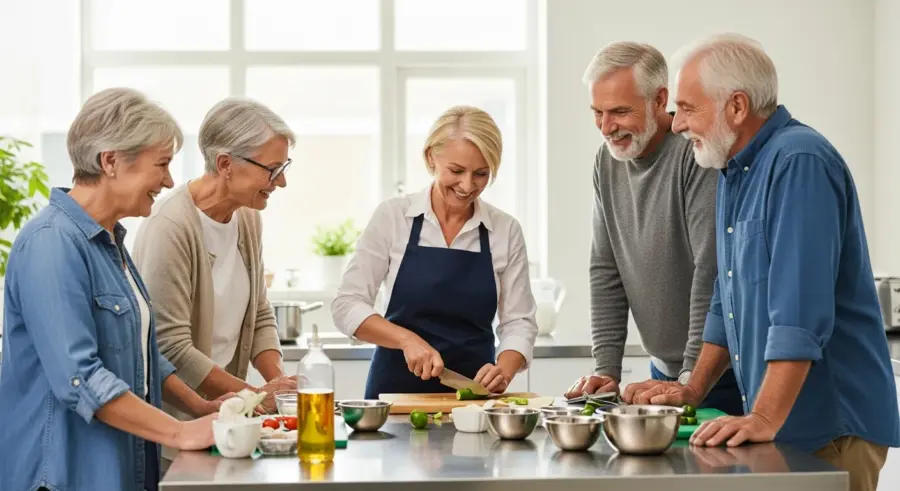
As we age, maintaining an active and engaged lifestyle becomes increasingly important. One fantastic way to do this is through senior cooking classes. These classes offer a wonderful opportunity to learn new skills, enjoy delicious food, and connect with others in your community.
Whether you’re a seasoned chef or a complete beginner, there’s a cooking class out there for you. Prepare to discover the joys of cooking and the many benefits it can bring to your life.
Cooking classes are more than just learning how to prepare a meal. They are a chance to socialize, stimulate your mind, and nourish your body.
The Benefits of Cooking Classes for Seniors
Participating in senior cooking classes offers a wide array of benefits that extend far beyond just learning to cook. These classes provide cognitive stimulation, which is essential for maintaining mental sharpness as we age.
Learning new recipes and techniques challenges your brain. This helps keep your mind active and engaged.
Cooking classes offer a fantastic social environment. They provide opportunities to meet new people and build lasting friendships.
Sharing a meal together after preparing it creates a sense of community and belonging. This can combat feelings of loneliness and isolation that some seniors may experience.
Cooking for seniors can also promote healthier eating habits. Classes often focus on nutritious recipes and portion control.
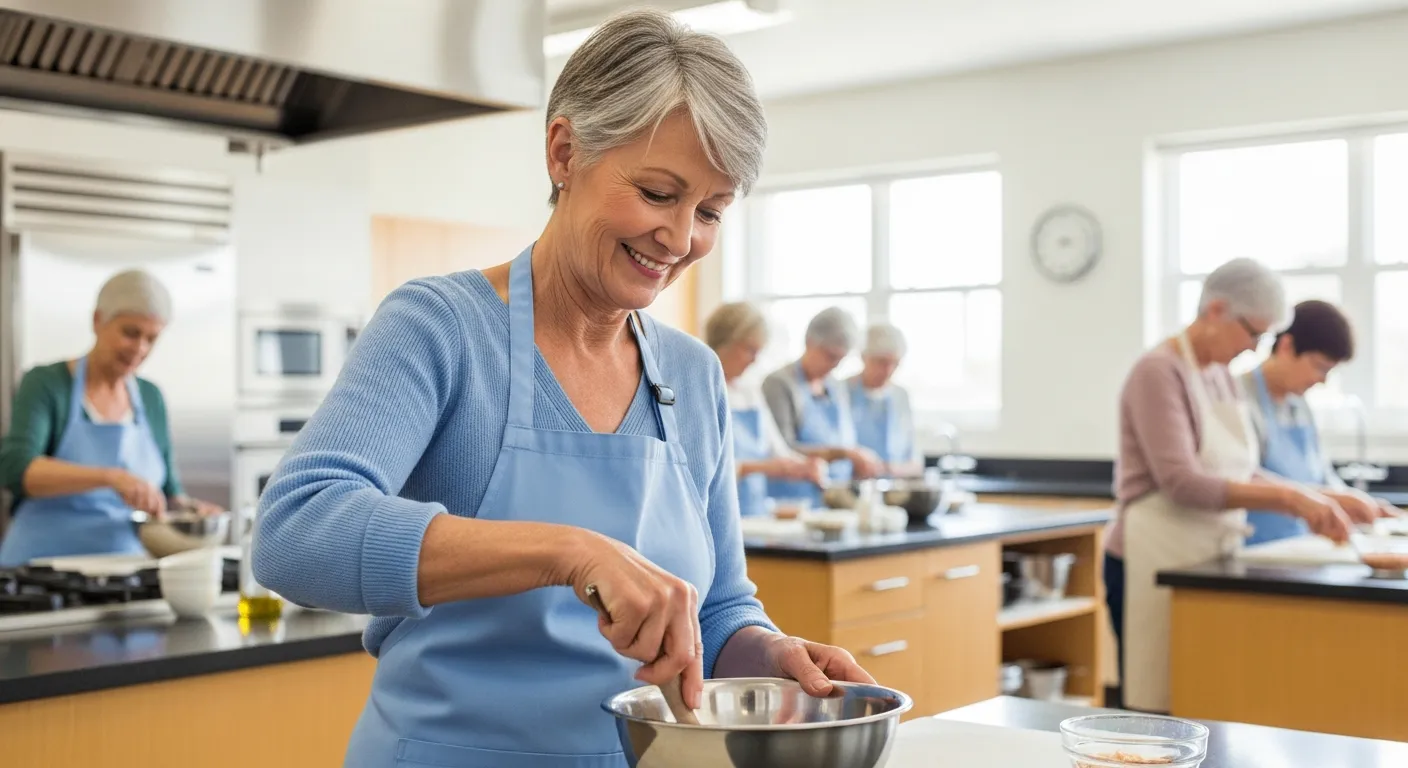
This can help seniors make better food choices. It supports overall well-being.
Beyond the immediate enjoyment of cooking and eating, senior cooking classes can lead to long-term improvements in overall health. By learning about nutrition and healthy cooking techniques, seniors can make informed choices about their diet.
This can result in better management of chronic conditions, such as diabetes and heart disease. It also contributes to increased energy levels and a stronger immune system.
The cognitive benefits of cooking classes are particularly noteworthy. The process of learning new recipes and techniques requires focus, memory, and problem-solving skills.
These mental exercises can help to maintain cognitive function and reduce the risk of cognitive decline. The act of following a recipe, measuring ingredients, and timing the cooking process all contribute to mental acuity.
Furthermore, cooking classes can provide a sense of accomplishment and boost self-esteem. Mastering a new recipe or technique can be incredibly rewarding.
This sense of accomplishment can translate into increased confidence in other areas of life. It encourages seniors to try new things and stay active.
Senior cooking classes can also be a fun and engaging way to learn about different cultures and cuisines. Exploring new flavors and ingredients can broaden your culinary horizons.
It also adds excitement to your meals. This makes healthy eating more enjoyable and sustainable.
Finding Senior-Friendly Cooking Classes
Finding the right cooking class can seem daunting, but there are several excellent resources available. Start by checking your local community centers and senior centers.
These often offer a variety of classes specifically designed for seniors. These classes also provide a comfortable and accessible learning environment.
Another great option is to explore culinary schools and community colleges in your area. Many offer introductory cooking classes that are suitable for beginners of all ages.
Don’t hesitate to inquire about senior discounts or specialized classes tailored to older adults. You might also find specialized culinary classes at nutrition centers.
Online resources can also be incredibly helpful in finding senior cooking classes. Websites dedicated to senior activities and events often list local cooking classes.
You can also look at community bulletin boards. Check for advertised culinary classes.
When searching for senior-friendly cooking classes, consider the accessibility of the location. Ensure that the classroom is easily accessible for individuals with mobility issues.
Look for classes that offer accessible seating and equipment. This makes the experience comfortable and enjoyable for everyone.
Another important factor to consider is the class size. Smaller classes often provide more personalized attention and a more intimate learning environment.
This allows the instructor to cater to the specific needs and skill levels of each participant. It also facilitates greater interaction and camaraderie among classmates.
Before enrolling in a cooking class, don’t hesitate to contact the instructor or organization offering the class. Ask about the curriculum, the skill level required, and any specific accommodations they can provide.
This will help you determine if the class is a good fit for your needs and interests. It also ensures that you’re prepared for the class and can make the most of the experience.
Many senior centers and community organizations offer free or low-cost cooking classes. This makes them accessible to seniors on a limited budget.
Be sure to explore these options and take advantage of the resources available in your community. You might be surprised at the variety of affordable and enriching cooking classes available.
Types of Cooking Classes Available
The variety of cooking classes available is truly impressive. Whether you’re interested in mastering international cuisine or perfecting classic comfort foods, there’s a class for you.
Some classes focus on specific types of cuisine, such as Italian, French, or Asian. Others focus on particular dietary needs like cooking for seniors with diabetes.
| Class Type | Description | Benefits |
|---|---|---|
| International Cuisine | Learn to cook dishes from around the world. | Expands culinary horizons, introduces new flavors. |
| Baking Basics | Master essential baking techniques. | Creates delicious treats, improves precision skills. |
| Healthy Cooking | Focuses on nutritious recipes and ingredients. | Promotes healthy eating habits, supports well-being. |
| Comfort Food Classics | Learn to prepare beloved comfort food dishes. | Provides nostalgic enjoyment, satisfies cravings. |
If you have a sweet tooth, consider taking a baking class. You can learn to make delicious cakes, pies, and pastries.
For those interested in improving their health, a healthy cooking class is an excellent choice. These classes teach you how to prepare nutritious and delicious meals.
Beyond the general categories, you can find classes that focus on specific cooking techniques. These include knife skills, sauce making, and bread baking.
Mastering these techniques can greatly enhance your culinary abilities. It allows you to create more complex and flavorful dishes.
Some cooking classes cater to specific dietary restrictions or preferences. These include vegetarian, vegan, gluten-free, and dairy-free cooking classes.
These classes are ideal for seniors who have specific dietary needs or want to explore plant-based cooking.
Consider taking a class that focuses on seasonal cooking. This involves using fresh, locally sourced ingredients that are in season.
This not only enhances the flavor of your dishes but also supports local farmers and reduces your environmental impact.
If you enjoy entertaining, consider taking a class on party planning and catering. This can teach you how to prepare delicious appetizers, entrees, and desserts for your guests.
It also provides valuable tips on how to set up a buffet, decorate your table, and create a festive atmosphere.
Adapting Recipes for Senior Nutrition
As we age, our nutritional needs change. It’s important to adapt recipes to ensure they meet those needs.
When cooking for seniors, focus on using fresh, whole ingredients. These provide essential nutrients and fiber.
Reduce the amount of salt and sugar in your recipes. This can help manage blood pressure and blood sugar levels.
Instead of salt, experiment with herbs and spices to add flavor. This enhances the taste of your dishes without compromising your health.
Choose lean proteins like fish, poultry, and beans. These are easier to digest and provide essential amino acids.
Incorporate healthy fats from sources like olive oil, avocados, and nuts. These support heart health and brain function.
Pay attention to portion sizes when adapting recipes for seniors. As metabolism slows with age, it’s important to avoid overeating.
Use smaller plates and bowls to help control portion sizes. Encourage mindful eating and savor each bite.
Consider the texture of the food when adapting recipes for seniors. Some seniors may have difficulty chewing or swallowing.
Opt for softer foods or puree dishes to make them easier to consume. You can also chop ingredients into smaller pieces.
Increase the fiber content of your recipes by adding whole grains, fruits, and vegetables. Fiber promotes digestive health and helps regulate blood sugar levels.
Choose whole wheat bread, brown rice, and plenty of leafy greens. These options are good for seniors.
Ensure that seniors are getting enough calcium and vitamin D in their diet. These nutrients are essential for bone health.
Incorporate dairy products, fortified foods, and supplements into your recipes. This helps maintain strong bones and prevent osteoporosis.
Cooking Tips for Seniors with Dietary Restrictions
Many seniors have dietary restrictions that require careful meal planning. Whether it’s diabetes, heart disease, or food allergies, adapting recipes is crucial.
For seniors with diabetes, focus on low-glycemic foods. These help regulate blood sugar levels.
If you have heart disease, reduce saturated and trans fats. Choose lean proteins and healthy fats instead.
For those with food allergies, always read labels carefully. Be mindful of cross-contamination during food preparation.
Consider gluten-free options if you have celiac disease or gluten sensitivity. There are many delicious gluten-free alternatives available.
If you have difficulty chewing, opt for softer foods. Soups, stews, and pureed dishes can be easier to swallow.
When cooking for seniors with diabetes, avoid sugary drinks and desserts. Opt for sugar-free alternatives or use natural sweeteners like stevia or erythritol.
Focus on complex carbohydrates like whole grains, beans, and vegetables. These have less impact on blood sugar levels.
For seniors with heart disease, limit your intake of sodium. Use herbs and spices to add flavor to your dishes instead of salt.
Choose lean cuts of meat and trim off any visible fat. Avoid fried foods and processed meats.
If you have lactose intolerance, opt for dairy-free alternatives like almond milk, soy milk, or coconut milk. There are also many lactose-free cheeses and yogurts available.
Consider using digestive enzymes to help your body break down lactose. This can reduce the symptoms of lactose intolerance.
For seniors with kidney disease, limit your intake of phosphorus and potassium. These minerals can build up in the blood and cause health problems.
Avoid foods like bananas, avocados, and dairy products. These are high in potassium and phosphorus.
Enjoying the Social Aspect of Cooking Together
One of the most rewarding aspects of senior cooking classes is the social interaction. Cooking together provides a unique opportunity to connect with others who share your interests.
Sharing stories and experiences while preparing a meal can create lasting bonds. It’s a chance to learn from each other and build a supportive community.
- Share recipes and cooking tips
- Work together on a dish
- Offer encouragement and support
- Celebrate each other’s successes
- Plan potlucks and cooking events
Participating in group cooking activities can combat feelings of loneliness and isolation. It fosters a sense of belonging and camaraderie.
Consider forming a cooking club with your classmates. This can extend the social benefits beyond the classroom.
Cooking together provides a sense of purpose and shared accomplishment. Working towards a common goal, such as preparing a delicious meal, can be incredibly rewarding.
This sense of purpose can contribute to improved mental and emotional well-being. It fosters a sense of connection and engagement with the world.
The social aspect of cooking classes can also provide a safe and supportive environment for seniors to try new things. Learning new skills can be intimidating, but doing it in a group can make it more enjoyable and less stressful.
The encouragement and support of classmates can help seniors overcome their fears and build confidence. This can lead to a greater willingness to try new things in other areas of life.
Cooking classes can also be a great way to learn about different cultures and traditions. Sharing recipes and cooking techniques from different backgrounds can broaden your culinary horizons.
It also fosters a sense of appreciation and understanding for different cultures. This can lead to more meaningful connections with people from diverse backgrounds.
Making Friends Through Culinary Classes
Culinary classes can be a fantastic place to forge new friendships. The shared experience of learning to cook creates a natural bond between participants.
Engage in conversations with your classmates. Share your favorite recipes and cooking stories.
Offer to help others with their cooking tasks. This can spark meaningful interactions and build camaraderie.
Suggest organizing potlucks or cooking events outside of class. This allows you to spend more time together and strengthen your friendships.
Consider starting a cooking club with your classmates. This provides a regular opportunity to socialize and cook together.
Remember, building friendships takes time and effort. Be open to getting to know your classmates, and you may find some lifelong friends.
To foster friendships in culinary classes, be proactive in initiating conversations. Ask your classmates about their cooking experiences, their favorite dishes, and their culinary goals.
Show genuine interest in their responses and share your own thoughts and experiences. This can create a foundation for meaningful connections.
Participate actively in class discussions and group activities. Offer your insights and suggestions, and be open to learning from others.
This demonstrates your engagement and willingness to collaborate, which can make you more approachable and likable.
Be supportive and encouraging of your classmates. Offer compliments on their cooking skills and provide assistance when needed.
This creates a positive and collaborative learning environment. It fosters a sense of camaraderie and mutual respect.
Don’t be afraid to be yourself and let your personality shine. Authenticity is key to building genuine friendships.
Share your sense of humor, your passions, and your unique perspective. This allows others to connect with you on a deeper level.
Sharing Your Creations with Friends and Family
One of the greatest joys of cooking is sharing your creations with loved ones. After taking a senior cooking class, you’ll have plenty of new dishes to share.
Invite friends and family over for a meal. Showcase your newfound culinary skills.
Prepare a dish from your cooking class for a potluck or family gathering. This is a great way to impress others with your culinary talents.
Consider gifting homemade treats to friends and neighbors. This is a thoughtful and personal way to show you care.
Bake cookies or bread for a local charity or community event. This allows you to give back to your community while sharing your culinary skills.
Don’t be afraid to experiment and put your own spin on recipes. Cooking is a creative process, and sharing your unique creations can be incredibly rewarding.
When sharing your culinary creations, consider the dietary needs and preferences of your friends and family. Offer a variety of dishes to accommodate different tastes and restrictions.
This shows that you care about their well-being and are considerate of their individual needs.
Present your dishes in an appealing and visually appealing manner. Take the time to plate your food attractively and use garnishes to add color and texture.
This enhances the dining experience and makes your creations even more enjoyable.
Don’t be afraid to ask for feedback on your dishes. Constructive criticism can help you improve your cooking skills and refine your recipes.
Be open to suggestions and willing to experiment with different flavors and techniques.
Share the recipes you’ve learned in your cooking class with your friends and family. This allows them to recreate your dishes and enjoy the same culinary experience.
It also fosters a sense of connection and shared enjoyment of food.
Consider hosting a themed dinner party based on the cuisine you’ve learned in your cooking class. This is a fun and creative way to showcase your culinary skills and entertain your loved ones.
You can decorate your table, play music, and even dress up in attire that reflects the theme of the cuisine.
Continuing Your Culinary Education
Once you’ve completed a senior cooking class, don’t stop there. There are many ways to continue your culinary education and expand your skills.
Consider taking more advanced cooking classes. This helps you delve deeper into specific techniques or cuisines.
Explore online cooking resources. Many websites and YouTube channels offer free cooking tutorials and recipes.
Read cookbooks and culinary magazines. These provide inspiration and new ideas for your cooking adventures.
Join a cooking club or online forum. This allows you to connect with other food enthusiasts and share your knowledge.
Experiment with new recipes and ingredients. The more you cook, the more confident and skilled you’ll become.
Volunteer at a local soup kitchen or food bank. This is a great way to give back to your community while honing your culinary skills.
You can help prepare meals for those in need and learn new cooking techniques from experienced chefs.
Attend food festivals and culinary events. This is a fun and engaging way to sample new foods, learn about different cuisines, and meet other food enthusiasts.
You can also attend cooking demonstrations and workshops led by renowned chefs.
Travel to different regions or countries to experience their local cuisine firsthand. This is a great way to broaden your culinary horizons and learn about different cultures.
You can take cooking classes, visit local markets, and dine at authentic restaurants.
Start a food blog or social media account to share your culinary creations and connect with other food lovers. This is a great way to express your creativity and build a following.
You can share recipes, cooking tips, and photos of your dishes.
Conclusion
Senior cooking classes offer a wealth of benefits, from cognitive stimulation and social interaction to improved nutrition and culinary skills. They provide a wonderful opportunity to learn, connect, and enjoy the art of cooking.
Whether you’re a beginner or an experienced cook, there’s a class out there for you. Embrace the joy of cooking and discover the many rewards it can bring to your life.