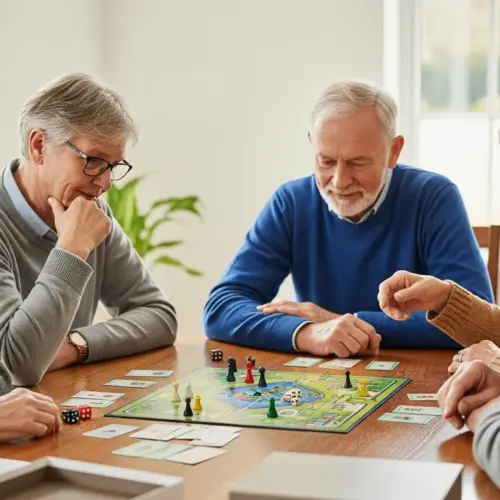

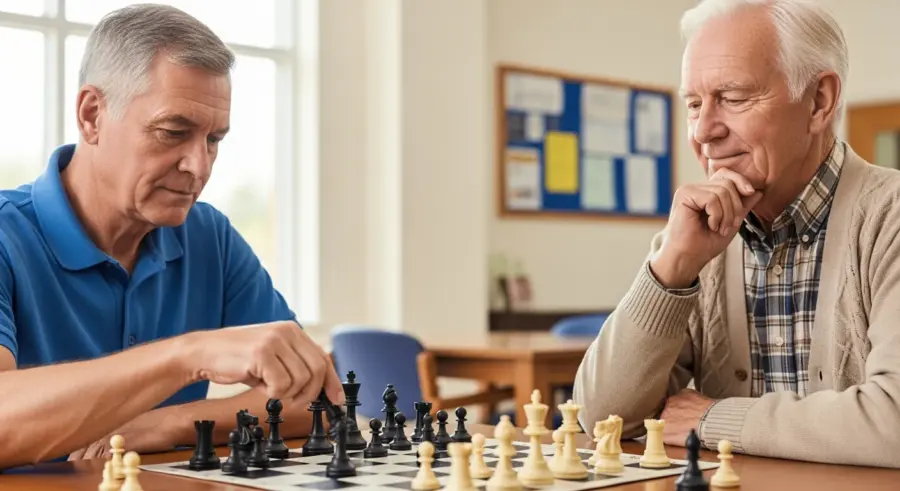
In a world increasingly focused on youth, it’s easy to overlook the simple pleasures and intellectual pursuits that can greatly enrich the lives of seniors. One such activity that offers both mental stimulation and social interaction is chess. Senior chess clubs are popping up everywhere, offering a fantastic opportunity for older adults to stay sharp, connect with others, and enjoy a timeless game.
These clubs provide a welcoming environment for seniors of all skill levels, from beginners to seasoned players. If you’re a senior looking for a new hobby or a way to stay socially active, consider joining a senior chess club.
It could be just the thing you need to add some extra excitement and mental exercise to your life. Let’s explore the world of senior chess clubs and discover why they’re such a great fit for older adults.
The Cognitive Benefits of Playing Chess for Seniors
Chess is more than just a game, it’s a workout for your brain. For seniors, the cognitive benefits of playing chess are especially significant.
The game challenges you to think strategically, plan ahead, and remember various moves and tactics. These mental exercises can help improve memory, concentration, and overall cognitive function, which are all important aspects of healthy aging.
Studies have shown that engaging in mentally stimulating activities like chess can help reduce the risk of cognitive decline and dementia. Chess requires players to analyze situations, make decisions, and adapt to changing circumstances, all of which keep the mind active and engaged.
Playing chess regularly can also enhance problem-solving skills and critical thinking abilities. The game demands that you anticipate your opponent’s moves and devise counter-strategies, sharpening your analytical skills in the process.
Furthermore, chess promotes neuroplasticity, the brain’s ability to reorganize itself by forming new neural connections throughout life. This is particularly important for seniors as it helps maintain cognitive flexibility and adaptability.
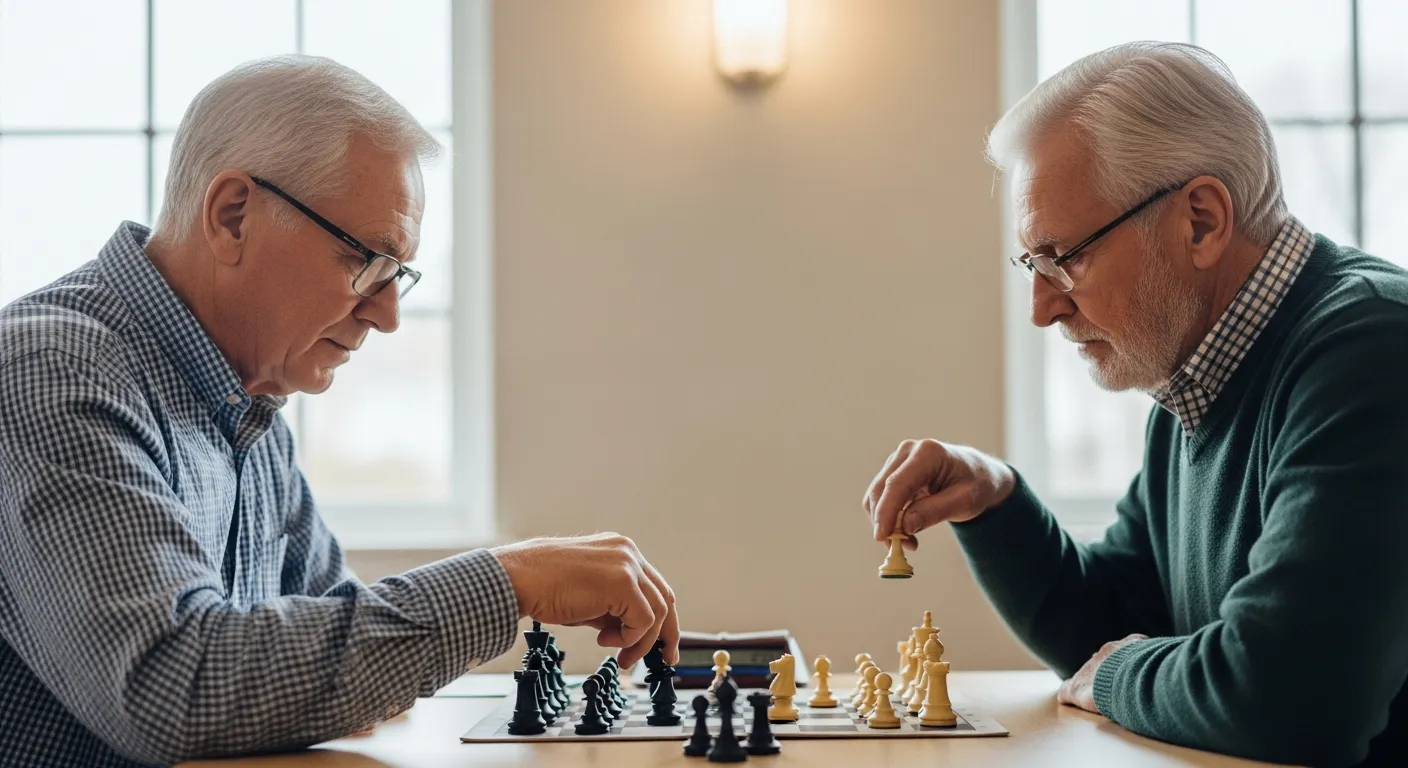
The act of visualizing moves and calculating potential outcomes strengthens spatial reasoning skills. This can translate into improved abilities in everyday tasks such as navigating, problem-solving, and even artistic endeavors.
Chess also requires sustained attention and focus, which can help improve concentration levels over time. This enhanced focus can benefit seniors in other areas of their lives, such as reading, writing, and engaging in other hobbies.
Beyond the direct cognitive benefits, chess provides a sense of accomplishment and intellectual stimulation. This can boost self-esteem and confidence, contributing to a more positive outlook on life.
The strategic thinking involved in chess can also help improve decision-making skills in other areas of life. By learning to weigh different options and consider potential consequences, seniors can make more informed and effective choices.
Finally, the mental challenge of chess can be a great way to combat boredom and keep the mind active and engaged. This can be especially beneficial for seniors who may be retired or have more free time on their hands.
Finding a Senior Chess Club Near You
One of the best ways to get involved in the world of chess is to find a senior chess club near you. Many communities have established clubs specifically for older adults, providing a supportive and social environment to learn and play the game.
Start by checking with your local senior center or community center, as they often host chess clubs or can provide information about nearby groups. You can also search online for “senior chess clubs near me” to find clubs in your area.
Websites like Meetup.com and the US Chess Federation website are great resources for finding local chess clubs and organizations. Don’t hesitate to reach out to local libraries or recreation centers, as they may also have information about chess clubs for seniors.
When choosing a senior chess club, consider factors such as the club’s meeting schedule, location, and skill level of the members. Look for a club that offers a welcoming atmosphere and caters to players of all abilities, ensuring that you feel comfortable and supported as you learn and improve your game.
Consider also the size of the club and the range of activities offered. Some clubs may focus solely on playing chess, while others may organize tournaments, lectures, and social events.
It’s also a good idea to visit a few different clubs before making a decision, to see which one feels like the best fit for you. Observe the interactions between members and talk to the organizers to get a sense of the club’s culture and values.
Don’t be afraid to ask questions about the club’s rules, membership fees, and any other concerns you may have. A good chess club will be transparent and welcoming, and will be happy to answer your questions.
If you have mobility issues, be sure to inquire about the accessibility of the club’s meeting location. Some clubs may be located in buildings with stairs or limited parking, which could be a barrier for some seniors.
Finally, remember that the most important thing is to find a club where you feel comfortable, supported, and challenged. The goal is to enjoy the game of chess and connect with other like-minded individuals.
If you cannot find a senior chess club in your immediate vicinity, consider starting your own! Gather a few friends or neighbors who are interested in chess and start meeting regularly to play.
Chess Strategies for Beginners
If you’re new to chess, don’t be intimidated, it’s a game that anyone can learn and enjoy. Start by familiarizing yourself with the basic rules and the movement of each piece.
Understanding how the pieces move is the foundation for developing effective strategies. Here’s a quick rundown of basic strategies to get you started.
| Strategy | Description | Benefits |
|---|---|---|
| Control the Center | Occupy or control the center squares of the board. | Provides greater mobility and influence over the game. |
| Develop Your Pieces | Bring your knights and bishops into active positions early in the game. | Increases your attacking and defensive capabilities. |
| Castle Your King | Move your king to a safer location by castling. | Protects your king and connects your rooks. |
| Pawn Structure | Pay attention to your pawn structure and avoid creating weaknesses. | A solid pawn structure can provide a strong defense. |
As you gain experience, you can explore more advanced strategies, such as forks, pins, and skewers. There are plenty of resources available to help you learn, including books, online tutorials, and chess coaches.
Another important strategy is to always be aware of your opponent’s threats and try to anticipate their moves. Thinking a few steps ahead can help you avoid traps and create opportunities for yourself.
Don’t be afraid to sacrifice a piece if it leads to a better position or a winning advantage. Sometimes, a well-timed sacrifice can disrupt your opponent’s plans and open up new lines of attack.
Pay attention to the endgame, as many games are decided in this phase. Knowing basic endgame strategies, such as how to promote a pawn or checkmate with a king and rook, can give you a significant advantage.
Practice regularly and analyze your games to identify your weaknesses and areas for improvement. The more you play, the better you’ll become at recognizing patterns and developing effective strategies.
Consider studying the games of famous chess players to learn from their strategies and tactics. Analyzing their moves can provide valuable insights into the game and help you improve your own play.
Most importantly, be patient and persistent. Chess is a complex game that takes time and effort to master. Don’t get discouraged by losses, but instead, use them as learning opportunities.
Remember to enjoy the process of learning and playing chess. The goal is to have fun and challenge yourself, regardless of your skill level.
Participating in Chess Tournaments
Once you’ve gained some experience and confidence, consider participating in chess tournaments. Tournaments are a great way to test your skills, meet other chess enthusiasts, and experience the thrill of competitive play.
Many tournaments offer different skill levels and age categories, so you can find one that suits your abilities. The US Chess Federation website is a valuable resource for finding local and national tournaments.
Participating in tournaments can be a fun and rewarding experience, whether you’re aiming to win or simply enjoy the challenge. It can also provide a sense of accomplishment and boost your confidence as you see your skills improve over time.
Remember, the primary goal is to have fun and enjoy the game, regardless of the outcome. Tournaments are also a great way to make new friends and connect with others who share your passion for chess.
Before participating in a tournament, familiarize yourself with the tournament rules and regulations. This will help you avoid any misunderstandings or penalties during the games.
Be sure to bring all the necessary equipment, such as a chess set, a clock, and a scoresheet. Some tournaments may provide these items, but it’s always a good idea to be prepared.
During the games, focus on your own play and avoid distractions. Try to stay calm and collected, even if you’re facing a difficult opponent or a challenging position.
After each game, analyze your moves and identify any mistakes you made. This will help you learn from your experiences and improve your play in future tournaments.
Don’t be afraid to ask for advice from more experienced players or chess coaches. They can provide valuable insights and help you develop your skills.
Most importantly, remember to be a good sport and respect your opponents. Win or lose, always shake hands and thank them for the game.
The Social Aspect of Playing Chess
Beyond the cognitive benefits, playing chess offers a wonderful opportunity for social interaction and connection. Senior chess clubs provide a welcoming environment for older adults to come together, share their love of the game, and form lasting friendships.
The social aspect of playing chess can be especially important for seniors who may be experiencing feelings of isolation or loneliness. Chess clubs offer a sense of community and belonging, providing a space for seniors to engage in meaningful conversations, share stories, and support one another.
- Improved mental acuity
- Increased social interaction
- Reduced feelings of loneliness
- Enhanced problem-solving skills
- A sense of community
Many senior chess clubs also organize social events and outings, further strengthening the bonds between members. These social connections can have a positive impact on overall well-being, contributing to a happier and more fulfilling life.
The camaraderie found in chess clubs can extend beyond the game itself. Members often share common interests and experiences, leading to deeper connections and friendships.
Participating in chess clubs can also provide opportunities for mentorship and knowledge sharing. More experienced players can help guide and support newer members, fostering a sense of collaboration and growth.
The shared challenge of playing chess can create a unique bond between individuals. Working together to analyze games and improve strategies can strengthen relationships and build trust.
The social interaction in chess clubs can also help improve communication skills. Players learn to articulate their thoughts and ideas, and to listen and respond to others’ perspectives.
The sense of belonging and purpose that comes from being part of a chess club can have a significant impact on seniors’ mental and emotional health. It can help combat feelings of isolation and promote a sense of well-being.
Ultimately, the social aspect of playing chess is just as important as the cognitive benefits. It provides a valuable opportunity for seniors to connect with others, build friendships, and enrich their lives.
Online Chess Resources for Seniors
If you’re unable to attend a physical chess club or prefer to play from the comfort of your own home, there are plenty of online chess resources available for seniors. These resources offer a convenient way to learn, practice, and play chess against opponents from around the world.
Websites like Chess.com and Lichess.org offer a variety of features, including online chess games, tutorials, and forums. You can also find chess apps for your smartphone or tablet, allowing you to play on the go.
Many online chess platforms also offer features specifically designed for seniors, such as larger fonts, simplified interfaces, and slower time controls. This ensures that the online chess experience is accessible and enjoyable for older adults of all skill levels.
Online chess resources can be a great way to supplement your in-person chess activities or to enjoy the game from the comfort of your own home. Just be sure to stay safe online and protect your personal information.
Many online platforms offer interactive tutorials and lessons that can help you learn the basics of chess or improve your existing skills. These resources can be especially helpful for beginners who are just starting out.
You can also find online chess communities and forums where you can connect with other players, share your experiences, and ask for advice. These communities can provide a valuable source of support and encouragement.
Some online chess platforms offer the option to play against computer opponents of varying skill levels. This can be a great way to practice your skills and test your strategies without the pressure of playing against a human opponent.
Be sure to explore the different features and resources available on each platform to find the ones that best suit your needs and preferences. Some platforms may offer more advanced features, such as game analysis tools or personalized coaching.
Remember to take breaks and avoid spending too much time online, as excessive screen time can be detrimental to your health. It’s important to balance your online chess activities with other activities, such as exercise and social interaction.
Finally, be aware of the potential risks of online gaming, such as cyberbullying and online scams. Protect your personal information and be cautious when interacting with strangers online.
Adapting Chess for Accessibility
Chess is a game that can be adapted to suit various physical limitations, making it accessible to seniors with mobility issues or visual impairments. Modified chess sets with larger pieces and boards are available, making it easier for those with limited dexterity or vision to play.
Some chess sets also feature tactile markings, allowing visually impaired players to distinguish between different pieces. Adaptive chess equipment can help ensure that everyone can enjoy the game, regardless of their physical abilities.
Many senior chess clubs are also accommodating to players with disabilities, providing assistance and support as needed. Don’t hesitate to inquire about adaptive equipment or accommodations when joining a chess club.
The goal is to create an inclusive environment where everyone feels welcome and can participate fully in the game. With the right adaptations, chess can be enjoyed by seniors of all abilities.
Consider using a raised chess board to reduce strain on the neck and back. This can be especially helpful for seniors who have difficulty bending over or sitting for long periods of time.
If you have difficulty gripping the pieces, consider using a chess set with magnetic pieces. This can help prevent the pieces from slipping or falling off the board.
For seniors with visual impairments, consider using a talking chess set. These sets announce the moves aloud, allowing players to follow the game without having to see the board.
You can also use a computer program or app that provides audio cues and visual aids to help you play chess. These programs can be customized to meet your specific needs and preferences.
If you have difficulty moving the pieces yourself, consider asking a friend or family member to assist you. They can help you move the pieces and keep track of the game.
Remember that the most important thing is to find a way to enjoy the game of chess, regardless of your physical limitations. With a little creativity and adaptation, anyone can participate in this challenging and rewarding activity.
The Role of Chess in Promoting Lifelong Learning
Chess is a game that offers endless opportunities for learning and growth, making it an ideal activity for promoting lifelong learning among seniors. There’s always a new strategy to learn, a new tactic to master, or a new opponent to challenge.
This continuous learning process can help keep the mind sharp and engaged, preventing cognitive decline and promoting overall mental well-being. Chess encourages seniors to stay curious, explore new ideas, and challenge themselves intellectually.
Whether you’re reading chess books, watching online tutorials, or analyzing your games, there are countless ways to expand your knowledge and improve your skills. The pursuit of chess mastery can be a lifelong endeavor, providing a sense of purpose and accomplishment.
Embrace the challenge of learning new things and enjoy the journey of continuous improvement. Chess is a game that rewards dedication and perseverance, and the more you learn, the more you’ll appreciate its depth and complexity.
The study of chess history and the lives of famous chess players can also be a fascinating and enriching experience. Learning about the evolution of the game and the contributions of its greatest masters can provide a deeper appreciation for its cultural significance.
Chess can also be a valuable tool for developing critical thinking skills. Analyzing complex positions and evaluating different options can help seniors improve their ability to solve problems and make informed decisions in other areas of their lives.
The discipline and focus required to play chess can also help seniors improve their concentration and attention span. This can be beneficial for other activities, such as reading, writing, and engaging in other hobbies.
The sense of accomplishment that comes from improving your chess skills can also boost your self-esteem and confidence. This can have a positive impact on your overall mental and emotional well-being.
Chess can also be a great way to connect with other lifelong learners. Participating in chess clubs and tournaments can provide opportunities to share your knowledge and learn from others.
Ultimately, the role of chess in promoting lifelong learning is to provide a challenging and rewarding activity that keeps the mind active, engaged, and growing. This can help seniors maintain their cognitive function and enjoy a more fulfilling and meaningful life.
Inspiring Stories of Seniors and Chess
There are many inspiring stories of seniors who have found joy, purpose, and cognitive stimulation through chess. These stories serve as a testament to the power of chess to enrich the lives of older adults.
Take, for example, the story of a retired teacher who joined a senior chess club after his wife passed away. He found solace and companionship in the club, and his chess skills quickly improved.
He went on to win several local tournaments and became a mentor to other new players. Or consider the story of a woman with early-stage Alzheimer’s who found that playing chess helped her maintain her cognitive function and memory.
These stories demonstrate the transformative power of chess to improve the lives of seniors. These kinds of stories highlight the importance of engaging in mentally stimulating activities like chess, and the positive impact it can have on seniors’ lives.
Another inspiring story is that of a senior who used chess to overcome feelings of loneliness and isolation after moving to a new city. By joining a local chess club, he was able to meet new people, build friendships, and find a sense of community.
There’s also the story of a senior who rediscovered his passion for chess after retiring from a long career. He had played chess as a child, but had not played for many years. He was surprised to find that he still enjoyed the game and that it helped him stay mentally sharp.
One inspiring story involves a group of seniors who started a chess club in their retirement community. The club quickly became popular, and it provided a valuable opportunity for residents to socialize, learn, and challenge themselves.
There are also many stories of seniors who have used chess to stay connected with their grandchildren. Playing chess online or in person can be a fun and engaging way to bridge the generation gap and build meaningful relationships.
These stories highlight the diverse ways in which chess can enrich the lives of seniors. Whether it’s providing cognitive stimulation, social interaction, or a sense of purpose, chess can be a valuable tool for promoting healthy aging.
Ultimately, the inspiring stories of seniors and chess demonstrate the power of this timeless game to improve the lives of older adults. They serve as a reminder that it’s never too late to learn something new, challenge yourself, and connect with others.
Conclusion
Senior chess clubs offer a wealth of benefits for older adults, from cognitive stimulation to social interaction and lifelong learning. Whether you’re a seasoned player or a complete beginner, there’s a place for you in the world of senior chess.
So, why not make your next move and explore the world of chess? Sharpen your mind, make new friends, and enjoy the timeless game that has captivated people for centuries.
The benefits of chess extend far beyond the game itself, enriching lives and fostering a sense of community. Embrace the challenge, embrace the connection, and embrace the joy of chess.
Whether you join a local club, play online, or simply enjoy a casual game with friends, chess offers a unique and rewarding experience for seniors of all ages and abilities. Take the first step and discover the world of chess today!