

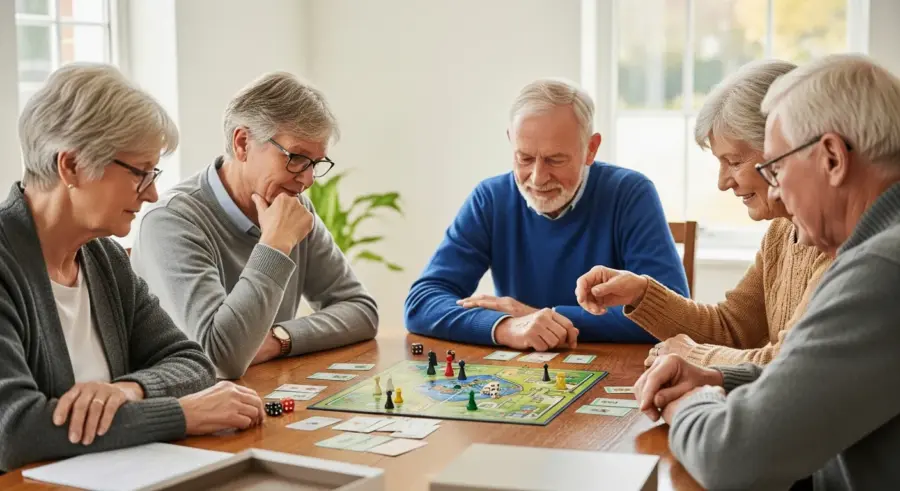
In today’s fast-paced world, it’s easy for seniors to feel isolated, but there are ways to stay connected and engaged. One fantastic way to do this is through senior board game groups, offering a blend of mental stimulation and social interaction.
These groups are more than just a fun pastime; they provide cognitive benefits and foster meaningful friendships. So, dust off your favorite board games and get ready to roll the dice on a new chapter of social connectivity!
This article will guide you through the numerous advantages of joining a senior board game group. We’ll also explore how to find a group near you, suggest popular games, and provide tips for adapting games to suit different needs.
The Cognitive Benefits of Playing Board Games for Seniors
Engaging in board games is not just a source of enjoyment; it’s a workout for the brain. Studies have shown that regular cognitive stimulation can help maintain and even improve cognitive function in seniors.
Board games require strategic thinking, problem-solving, and memory recall, all of which help to keep the mind sharp. Playing strategy games like chess or Settlers of Catan challenges seniors to think ahead and plan their moves, enhancing their executive functions.
Memory games, such as Memory Match, can improve recall and attention span. Even seemingly simple games like Bingo require participants to listen and quickly identify numbers, boosting auditory processing skills.
The cognitive benefits extend beyond just memory and strategic thinking. Board games can also enhance language skills, as players often need to communicate and negotiate with one another, making senior board game groups a great way to stay mentally fit.
The act of playing board games encourages neuroplasticity, which is the brain’s ability to reorganize itself by forming new neural connections. This is especially important for seniors as neuroplasticity can decline with age.

Board games can also improve concentration and focus. The need to pay attention to the game, remember rules, and track other players’ moves requires sustained focus, which can help combat age-related decline in attention.
Furthermore, board games often involve visual and spatial reasoning. Games that require players to manipulate pieces, visualize patterns, or navigate a game board can help maintain and improve these cognitive abilities.
The sense of accomplishment that comes from winning a game or mastering a new strategy can also boost self-esteem and confidence. This can have a positive impact on overall mental well-being and motivation to continue engaging in cognitive activities.
Beyond the direct cognitive benefits, board games can also indirectly improve brain health by reducing stress and promoting relaxation. The social interaction and fun associated with playing games can help lower stress hormones and improve mood, both of which are beneficial for cognitive function.
Finding a Senior Board Game Group Near You
Locating a senior board game group is easier than you might think. Many communities offer organized activities specifically for seniors, and these are great places to start your search.
Check your local senior center or community center for scheduled game days or board game clubs. These centers often have a calendar of events that include various social and recreational activities tailored to older adults, which can also include senior cognitive activities.
Another great resource is your local library, as many libraries host game nights or senior-specific programs. You can also look online using websites like Meetup.com or Facebook groups to find local board game groups that welcome seniors.
Word of mouth can also be incredibly effective, so ask friends, family, and neighbors if they know of any groups in the area. Don’t hesitate to contact local churches or religious organizations, as they frequently host social events for seniors as well.
When searching online, use specific keywords like “senior board game group,” “senior game night,” or “board game club for seniors” along with your city or town name. This will help narrow down your search results and make it easier to find relevant groups.
If you’re comfortable using social media, consider joining local Facebook groups for seniors or community events. These groups often have members who are looking for new activities and connections, and you might find a board game group that way.
Don’t be afraid to call senior centers, community centers, and libraries directly to inquire about board game groups. The staff at these organizations are often knowledgeable about local resources and can provide valuable information.
Another option is to check with local retirement communities or assisted living facilities. Many of these facilities have organized activities for their residents, and some may be open to inviting seniors from the wider community to participate.
Finally, consider checking with local game stores or hobby shops. Some game stores host regular game nights or events, and they may be aware of senior-specific groups or be willing to help you start one.
Popular Board Games for Seniors
Choosing the right board games can make all the difference in engaging seniors and ensuring everyone has a good time. The best board games for seniors are often those that are easy to learn, not too physically demanding, and socially interactive.
Classic games like Scrabble, Dominoes, and Chess are always popular choices because they offer mental stimulation and are familiar to many. Strategy games, like Ticket to Ride or Carcassonne, can be engaging, but make sure the rules are relatively straightforward.
| Game | Type | Why it’s great for seniors |
|---|---|---|
| Scrabble | Word Game | Improves vocabulary and spelling, encourages social interaction. |
| Chess | Strategy Game | Enhances strategic thinking and problem-solving skills. |
| Bingo | Number Game | Easy to learn, improves auditory processing, and is highly social. |
| Ticket to Ride | Strategy Game | Simple rules, engaging gameplay, and encourages planning. |
Other popular choices include Rummikub, a tile-based game that combines elements of Rummy and Mahjong, and Yahtzee, a dice game that involves probability and strategy.
Card games like Uno and Skip-Bo are also easy to learn and can be enjoyed by players of all skill levels. These games are fast-paced and engaging, making them a great option for social gatherings.
For seniors who enjoy trivia, consider games like Trivial Pursuit or Wits & Wagers. These games can spark interesting conversations and provide an opportunity to share knowledge and experiences.
Cooperative board games, such as Pandemic or Forbidden Island, can also be a great option. In these games, players work together as a team to achieve a common goal, fostering a sense of camaraderie and collaboration.
When selecting games, it’s important to consider the interests and abilities of the participants. Choose games that are challenging but not overwhelming, and be prepared to adapt the rules or provide assistance as needed.
Ultimately, the best board games for seniors are those that are fun, engaging, and promote social interaction. The goal is to create a positive and enjoyable experience for everyone involved.
Adapting Board Games for Seniors with Physical Limitations
It’s important to consider any physical limitations when selecting and playing board games with seniors. Some seniors may have difficulty with fine motor skills, vision impairments, or other physical challenges.
Fortunately, there are many ways to adapt board games to make them more accessible. For seniors with arthritis or limited hand dexterity, consider using card holders or dice rollers to reduce the need for gripping small pieces.
Large-print versions of card games and board games are available for those with vision impairments. You can also use magnifying glasses or adjustable lighting to make the game components easier to see.
For seniors with cognitive impairments, simplify the rules or break the game down into smaller, more manageable steps. Be patient and offer assistance as needed, focusing on the social interaction and enjoyment rather than strict adherence to the rules, making board games for seniors more accessible.
Consider using assistive devices such as reachers or grabbers to help seniors reach game pieces or cards that are out of reach. This can make it easier for them to participate actively in the game.
If a senior has difficulty manipulating small game pieces, try using larger, easier-to-handle pieces. You can often find replacement pieces online or at hobby stores.
For seniors with hearing impairments, make sure to speak clearly and loudly, and consider using visual cues or gestures to communicate important information. You can also write down key rules or instructions for them to refer to.
If a senior has difficulty sitting for long periods, provide comfortable seating and encourage them to take breaks as needed. You can also play games in shorter sessions to avoid fatigue.
Remember to be patient and understanding, and focus on creating a positive and inclusive environment for all participants. The goal is to make board games accessible and enjoyable for seniors of all abilities.
The Social Aspect of Playing Board Games
Beyond the cognitive benefits, the social aspect of playing board games is incredibly valuable for seniors. Social interaction can combat feelings of loneliness and isolation, which are common among older adults.
Playing board games provides an opportunity to connect with others, share experiences, and build meaningful relationships. Senior board game groups offer a supportive and inclusive environment where seniors can feel valued and appreciated.
The laughter, camaraderie, and shared sense of accomplishment that come from playing games together can significantly boost mood and overall well-being. These social connections can lead to increased self-esteem and a greater sense of purpose.
Many seniors find that their board game group becomes a vital part of their social life, providing a sense of community and belonging. Don’t underestimate the power of a shared activity to bring people together and create lasting bonds.
The opportunity to engage in friendly competition can also be a positive social outlet. Healthy competition can stimulate motivation and provide a sense of accomplishment, while also fostering a spirit of sportsmanship and respect.
Board games can also provide a structured way to initiate conversations and share personal stories. The game itself serves as a common ground, making it easier to connect with others and build rapport.
The social interaction involved in playing board games can also help improve communication skills. Players need to communicate with each other, negotiate rules, and express their thoughts and feelings, which can enhance their ability to interact effectively in other social situations.
The sense of belonging that comes from being part of a board game group can also help reduce stress and anxiety. Knowing that you have a supportive community of friends can provide a sense of security and well-being.
Ultimately, the social aspect of playing board games is just as important as the cognitive benefits. The opportunity to connect with others, build relationships, and have fun can significantly improve seniors’ overall quality of life.
Online Board Game Resources for Seniors
For seniors who may have difficulty leaving their homes or prefer virtual interactions, online board game resources offer a convenient alternative. Many websites and apps allow you to play board games with others remotely, providing a way to stay connected and engaged from the comfort of your own home.
Websites like BoardGameArena and Tabletopia offer a wide variety of board games that can be played online with friends or strangers. These platforms often have tutorials and rule explanations to help new players get started.
- BoardGameArena
- Tabletopia
- Online versions of Scrabble and Chess
- Apps like Words with Friends
- Virtual Bingo games
Many websites offer free online versions of classic card games like Solitaire, Hearts, and Spades. These games can be a great way to pass the time and keep your mind sharp.
Apps like Words with Friends and Scrabble Go allow you to play word games with friends and family members online. These games can be a fun way to stay connected and challenge your vocabulary skills.
Virtual Bingo games are also a popular option for seniors who enjoy the social aspect of Bingo but may not be able to attend in-person events. Many websites and apps offer virtual Bingo games with chat features, allowing you to interact with other players.
For seniors who are new to online gaming, it’s important to choose platforms that are user-friendly and easy to navigate. Look for websites and apps with clear instructions and helpful tutorials.
It’s also important to be aware of online safety and security. Make sure to use strong passwords and avoid sharing personal information with strangers.
Online board game resources can be a great way for seniors to stay connected, engaged, and mentally stimulated. With a little bit of exploration, you can find a variety of games and platforms that suit your interests and abilities.
Creating Your Own Senior Board Game Group
If you can’t find an existing senior board game group in your area, consider starting your own. Creating a group can be a rewarding experience, allowing you to tailor the games and social interactions to your preferences.
Start by reaching out to friends, family, and neighbors who might be interested in joining. You can also post flyers at your local senior center, community center, or library to attract new members.
Choose a convenient location for your meetings, such as a community room, library, or someone’s home. Decide on a regular schedule and create a list of games that everyone can enjoy.
Encourage members to bring their favorite games and snacks to share, fostering a sense of collaboration and community. Remember, the goal is to create a welcoming and inclusive environment where everyone feels comfortable and has fun, making it a fulfilling senior cognitive activity.
When starting your own group, it’s important to establish some ground rules and guidelines. This will help ensure that everyone is on the same page and that the group runs smoothly.
Consider creating a sign-up sheet or online forum where members can RSVP for meetings and suggest games. This will help you plan ahead and make sure that you have enough games and supplies for everyone.
It’s also a good idea to have a designated facilitator or organizer who can help coordinate meetings, communicate with members, and resolve any conflicts that may arise.
Be open to trying new games and activities, and encourage members to share their ideas and suggestions. This will help keep the group fresh and engaging.
Most importantly, remember to have fun and create a welcoming environment where everyone feels comfortable and valued. The goal is to build a community of friends who enjoy playing board games together.
Tips for a Successful Senior Board Game Group
To ensure your senior board game group is a success, keep a few key tips in mind. First, prioritize inclusivity and create a welcoming atmosphere for all members.
Be mindful of different skill levels and physical limitations, adapting games as needed to ensure everyone can participate. Choose games that are easy to learn and not too physically demanding, focusing on social interaction and enjoyment.
Encourage members to share their ideas and preferences, creating a collaborative environment where everyone feels valued. Provide clear explanations of the rules and offer assistance as needed, promoting a sense of teamwork.
Most importantly, remember to have fun and celebrate the friendships that develop through your board game group. Senior board game groups are a great way to connect with others.
Regularly solicit feedback from members to ensure that the group is meeting their needs and expectations. This can help you identify areas for improvement and make sure that everyone is having a positive experience.
Consider organizing occasional social events outside of the regular board game meetings. This can help strengthen bonds between members and create a more cohesive community.
Be flexible and adaptable, and be willing to adjust the schedule, game selection, or rules as needed to accommodate the needs of the group. The key is to create an environment that is enjoyable and accessible for everyone.
Celebrate milestones and achievements, such as birthdays, holidays, or special events. This can help create a sense of community and make members feel valued and appreciated.
Remember that the primary goal of a senior board game group is to provide a fun and engaging social outlet for older adults. By following these tips, you can create a successful and thriving group that benefits all of its members.
The Importance of Continued Learning and Engagement
Participating in activities like senior board game groups is crucial for maintaining cognitive health and overall well-being. Continued learning and engagement can help seniors stay mentally sharp, socially connected, and emotionally fulfilled.
Board games provide a fun and stimulating way to exercise the brain, improve memory, and enhance problem-solving skills. The social interaction involved in playing games can combat loneliness and isolation, promoting a sense of community and belonging.
Encourage seniors to explore new hobbies, join social clubs, and participate in lifelong learning opportunities. Staying active and engaged can significantly improve quality of life and promote healthy aging.
By embracing new experiences and fostering social connections, seniors can continue to thrive and enjoy a fulfilling life. Senior board game groups help people stay mentally sharp.
Continued learning and engagement can also help seniors maintain a sense of purpose and meaning in their lives. This can be especially important during retirement, when many people may feel a loss of identity or direction.
Participating in activities that are intellectually stimulating and socially engaging can help seniors stay motivated and connected to the world around them. This can lead to increased self-esteem, confidence, and overall well-being.
It’s important for seniors to find activities that they enjoy and that are meaningful to them. This will help them stay motivated and engaged over the long term.
Encourage seniors to set goals for themselves and to track their progress. This can help them stay focused and motivated, and it can also provide a sense of accomplishment when they achieve their goals.
Ultimately, the key to successful aging is to stay active, engaged, and connected. By embracing new experiences and fostering social connections, seniors can continue to thrive and enjoy a fulfilling life.
Conclusion
Senior board game groups are a fantastic way for older adults to stay mentally active, socially connected, and emotionally fulfilled. These groups offer a unique blend of cognitive stimulation and social interaction, providing numerous benefits for seniors’ overall well-being.
Whether you’re looking to sharpen your mind, make new friends, or simply have fun, consider joining or starting a senior board game group today. Roll the dice and discover the joy of playing board games with friends!
The benefits of senior board game groups extend far beyond just entertainment. They offer a holistic approach to healthy aging, addressing cognitive, social, and emotional needs.
By participating in these groups, seniors can improve their memory, enhance their problem-solving skills, combat loneliness, and build meaningful relationships. These are all essential components of a fulfilling and healthy life.
So, whether you’re a senior looking for a new activity or a caregiver looking for ways to support your loved one, consider the many benefits of senior board game groups. They’re a fun, engaging, and rewarding way to stay active and connected.