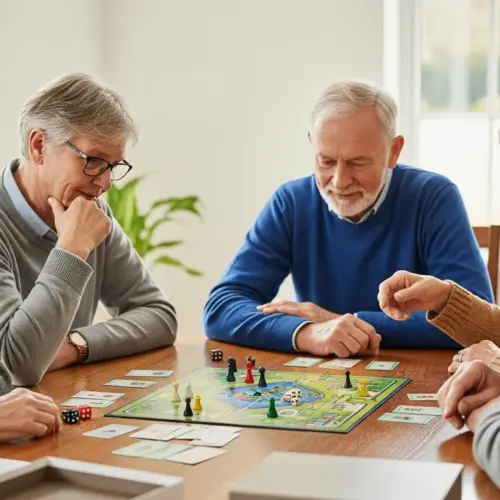


Staying socially active is incredibly important as we age. It enriches our lives and provides a sense of belonging.
Joining senior social clubs is a fantastic way to maintain and even expand your social network. This article will guide you through finding and participating in senior social clubs, unlocking a world of connection and enjoyment.
We’ll explore the different types of clubs available, how to locate them in your area, and what to expect when you attend your first meeting. We’ll also discuss the numerous benefits of staying socially connected and even touch on how to create your own group if you can’t find one that fits your interests.
The Importance of Social Connection for Seniors
Social connection is more than just having friends; it’s a cornerstone of overall well-being for seniors. Loneliness and isolation can have serious consequences for physical and mental health.
Studies have shown that strong social connections can lead to a longer lifespan, reduced risk of cognitive decline, and improved immune function. Engaging in social activities helps seniors stay mentally stimulated and emotionally supported.
It combats feelings of loneliness and depression, providing a sense of purpose and belonging. Participating in senior activity groups offers opportunities for laughter, shared experiences, and the formation of meaningful friendships.
These connections create a support system that can be invaluable during challenging times. Simply knowing that you have people who care about you can make a world of difference in navigating life’s ups and downs.
Social interaction helps seniors maintain cognitive function by exercising their minds through conversation and shared activities. Regular social engagement can actually delay the onset of dementia and Alzheimer’s disease.

Furthermore, social connections provide emotional support, reducing stress and anxiety. Sharing experiences and feelings with others can help seniors cope with loss, illness, and other challenges.
Strong social bonds also encourage healthy behaviors. Seniors are more likely to engage in physical activity, maintain a balanced diet, and adhere to medical advice when they have a supportive social network.
Feeling connected to others can also boost self-esteem and confidence. Participating in social activities provides opportunities to learn new skills, share knowledge, and contribute to the community, which can enhance feelings of self-worth.
Social connections can also provide access to valuable resources and information. Seniors can learn about local services, healthcare options, and other resources through their social networks.
Moreover, social interaction can bring joy and laughter into seniors’ lives. Shared experiences, jokes, and companionship can brighten their days and improve their overall mood.
The benefits of social connection extend beyond the individual level. Strong social networks can also strengthen communities by fostering a sense of belonging and encouraging civic engagement.
In conclusion, social connection is an essential ingredient for healthy aging. It contributes to physical, mental, and emotional well-being, and it enriches the lives of seniors in countless ways.
Types of Senior Social Clubs and Activities
The world of senior social clubs is diverse, offering something for everyone. From book clubs to hiking groups, the options are plentiful.
Consider your interests and abilities when exploring different types of clubs. Are you an avid reader? A book club might be perfect. Do you enjoy being outdoors? A walking or gardening group could be a great fit.
Some popular types of senior social clubs include: book clubs, card game groups (bridge, poker), walking and hiking groups, gardening clubs, arts and crafts circles, and volunteer organizations. There are also senior centers that offer a wide range of activities, from exercise classes to day trips.
Don’t be afraid to try something new! You might discover a hidden talent or passion you never knew you had. The key is to find activities that you enjoy and that allow you to connect with others who share your interests.
Book clubs provide an opportunity to discuss literature, share perspectives, and engage in intellectual stimulation. They often feature lively discussions and can be a great way to discover new authors and genres.
Card game groups offer a chance to socialize, strategize, and have fun. Games like bridge and poker require skill and concentration, providing a mental workout while fostering camaraderie.
Walking and hiking groups promote physical activity and provide an opportunity to enjoy the outdoors. These groups often explore local parks, trails, and scenic areas, offering a refreshing change of pace.
Gardening clubs allow seniors to connect with nature, cultivate plants, and share their horticultural knowledge. They can be a relaxing and rewarding way to spend time, and they often involve community projects.
Arts and crafts circles provide a creative outlet for seniors to express themselves through various mediums. Activities like painting, knitting, and pottery can be therapeutic and stimulating.
Volunteer organizations offer opportunities to give back to the community and make a difference in the lives of others. Seniors can volunteer at local charities, hospitals, or schools, providing valuable assistance and gaining a sense of purpose.
Senior centers are a hub of activity for older adults, offering a wide range of programs and services. From exercise classes and educational workshops to social events and day trips, senior centers provide something for everyone.
Consider also specialized groups that cater to specific interests such as photography clubs, travel groups, or even technology workshops for seniors. These focused groups can help you connect with people who have similar passions.
Finding Senior Social Clubs in Your Area
Locating senior social clubs in your community is easier than you might think. Several resources can help you find the perfect fit.
Start by checking with your local senior center or community center. These organizations often host a variety of senior activity groups and can provide information about other clubs in the area.
| Resource | Description | Benefits |
|---|---|---|
| Senior Centers | Offer diverse activities and programs | Social interaction, structured activities, accessible |
| Community Centers | Similar to senior centers, often with broader age range | Variety of programs, intergenerational interaction |
| Online Directories | Websites listing local clubs and organizations | Convenient, wide range of options, detailed information |
| Local Libraries | Host book clubs, workshops, and events | Free or low-cost, intellectually stimulating, accessible |
Online directories are another valuable tool. Websites like Meetup.com and local community websites often list local senior clubs and social events.
Your local library is another great resource. Libraries often host book clubs, workshops, and other events that are popular with seniors.
Don’t forget to ask your friends, neighbors, and family members for recommendations. They may know of some hidden gems that you wouldn’t find otherwise.
Many religious organizations also host senior groups and activities. Check with your local church, synagogue, or mosque to see what they offer.
When searching online, use keywords such as “senior social clubs,” “senior activities,” or “senior groups” along with your city or town name. This will help you narrow down your search and find relevant results.
Pay attention to local newspapers and community newsletters. These publications often feature announcements about upcoming events and activities for seniors.
Contact your local Area Agency on Aging (AAA). These agencies provide information and resources for seniors in your area, including a directory of local social clubs and activities.
Utilize social media platforms like Facebook and Nextdoor to connect with other seniors in your community. You can join local groups, participate in discussions, and find out about upcoming events.
Check with local retirement communities and assisted living facilities. Even if you don’t live in one of these communities, they may offer some activities that are open to the public.
Once you’ve found a few clubs that interest you, visit their websites or contact them directly to learn more about their activities and membership requirements. Don’t hesitate to ask questions and get a feel for whether the club is a good fit for you.
What to Expect at Your First Meeting
Walking into a new group can be a little nerve-wracking, but it doesn’t have to be! Knowing what to expect can help ease your anxiety and make the experience more enjoyable.
Typically, the first meeting will involve introductions and a brief overview of the club’s purpose and activities. Don’t be afraid to introduce yourself and share a little about your interests.
Most senior social clubs are very welcoming and eager to welcome new members. Members will likely be friendly and interested in getting to know you.
Come prepared to participate in the activity, whether it’s discussing a book, playing a game, or working on a craft project. It’s a great way to get involved and start building connections with other members of the senior social clubs.
Be prepared for a casual and relaxed atmosphere. Senior social clubs are typically informal and welcoming, so you can feel comfortable being yourself.
Don’t feel pressured to talk if you’re not comfortable. You can simply observe and listen to the conversations around you.
If there are refreshments, feel free to partake. Sharing food and drinks is a great way to bond with other members.
Ask questions about the club’s activities, meeting schedule, and membership requirements. This will help you determine if the club is a good fit for you.
Offer to help with any tasks or activities that need to be done. This will show that you’re interested in being an active member of the club.
Exchange contact information with other members if you’re interested in staying in touch. This will allow you to continue building relationships outside of the club meetings.
Be respectful of other members’ opinions and perspectives. Even if you don’t agree with everything they say, try to listen and understand their point of view.
Most importantly, have fun! Senior social clubs are a great way to socialize, learn new things, and enjoy life to the fullest.
Benefits of Participating in Senior Social Clubs
The benefits of joining senior social clubs extend far beyond just having something to do. These groups can significantly improve your quality of life.
Participating in social activities helps to combat loneliness and isolation, leading to improved mental and emotional well-being. It provides opportunities for intellectual stimulation, keeping your mind sharp and engaged.
- Reduced risk of cognitive decline
- Improved physical health through activity
- Increased sense of purpose and belonging
- Expanded social network and support system
- Enhanced overall quality of life
Many clubs also offer opportunities for physical activity, such as walking groups or exercise classes, which can improve your physical health. Senior social clubs create a sense of community and provide a support system that can be invaluable as you navigate the challenges of aging.
Improved mental and emotional well-being is a significant benefit. Regular social interaction releases endorphins, which have mood-boosting effects and can help alleviate symptoms of depression and anxiety.
Intellectual stimulation is another key advantage. Engaging in conversations, learning new things, and participating in mentally challenging activities can help keep your mind sharp and improve cognitive function.
Physical activity is often incorporated into senior social clubs. Walking groups, dance classes, and other forms of exercise can improve cardiovascular health, strengthen muscles, and increase energy levels.
A sense of purpose and belonging is crucial for seniors. Joining a social club can provide a sense of community and give you something to look forward to each week.
An expanded social network and support system can be invaluable during challenging times. Having friends who understand and support you can make a world of difference when dealing with illness, loss, or other difficulties.
Enhanced overall quality of life is the ultimate goal. By improving your mental, emotional, and physical well-being, senior social clubs can help you live a happier, healthier, and more fulfilling life.
Participation in these clubs can also lead to increased self-confidence and independence. As seniors engage in activities and build relationships, they may feel more empowered to take on new challenges and maintain their autonomy.
Furthermore, senior social clubs can provide opportunities for intergenerational interaction. Some clubs may partner with local schools or youth organizations, allowing seniors to connect with younger generations and share their knowledge and experiences.
Finally, senior social clubs can be a lot of fun! They provide a chance to relax, socialize, and enjoy life with like-minded individuals.
Creating Your Own Senior Social Group
If you can’t find a senior social club that perfectly aligns with your interests, consider starting your own! It’s a rewarding way to create a community tailored to your specific needs.
Start by identifying your passion and interests, and then gauge whether there is local interest. Do you love birdwatching, collecting vintage stamps, or discussing current events?
Reach out to friends, neighbors, and local senior centers to see if others share your enthusiasm. Spread the word through community bulletin boards, social media, and local newspapers.
Once you have a core group of interested individuals, plan your first meeting! Choose a convenient location, like a community center, library, or even someone’s home.
Determine what activities your group will engage in. Will you focus on a specific hobby, such as knitting or gardening? Or will you offer a variety of activities to cater to different interests?
Establish a regular meeting schedule that works for everyone. Consider factors such as transportation, availability, and the length of each meeting.
Create a welcoming and inclusive environment for all members. Encourage participation, listen to everyone’s ideas, and be respectful of different opinions.
Delegate tasks and responsibilities to other members. This will help to share the workload and ensure that the group runs smoothly.
Consider establishing a set of rules or guidelines for the group. This can help to prevent conflicts and ensure that everyone is on the same page.
Promote your group to attract new members. Utilize social media, community bulletin boards, and local newspapers to spread the word about your activities.
Partner with local organizations to expand your reach. Senior centers, libraries, and community centers may be willing to host your group or help you promote it.
Be flexible and adaptable. As your group grows and evolves, be willing to adjust your activities and meeting schedule to meet the changing needs of your members.
Tips for Making the Most of Senior Social Clubs
To fully enjoy and benefit from your senior social club experience, keep a few tips in mind. Be open to meeting new people and forming new friendships.
Actively participate in activities and discussions to get the most out of each meeting. Volunteer to help with club events or projects to feel more involved and connected.
Don’t be afraid to step outside your comfort zone and try something new. You might discover a hidden talent or passion you never knew you had.
Remember that building relationships takes time, so be patient and persistent. Attend meetings regularly and engage with other members to foster meaningful connections.
Take the initiative to reach out to other members outside of club meetings. Invite them for coffee, lunch, or a walk in the park.
Share your experiences and knowledge with other members. You have a wealth of wisdom to offer, so don’t be afraid to share it.
Listen actively to other members’ stories and perspectives. Show that you care about what they have to say.
Be supportive of other members’ goals and aspirations. Encourage them to pursue their dreams and offer help when needed.
Celebrate each other’s successes and milestones. Share in the joy of their accomplishments.
Forgive each other’s mistakes and shortcomings. Everyone makes mistakes, so be understanding and compassionate.
Maintain a positive attitude and outlook. Your enthusiasm will be contagious and will help to create a more enjoyable atmosphere for everyone.
Remember that senior social clubs are a two-way street. You get out of them what you put into them.
Overcoming Challenges to Social Engagement
Sometimes, getting involved in senior social clubs can present challenges. Transportation can be a barrier for some seniors.
Consider carpooling with other members or utilizing public transportation options. Health concerns or mobility limitations may also make it difficult to participate in certain activities.
Look for clubs that offer accessible venues and activities that accommodate different abilities. Financial constraints can also be a concern, as some clubs may have membership fees or activity costs.
Seek out free or low-cost options, such as senior centers or community centers that offer subsidized programs. Don’t let these challenges discourage you from seeking out social connection, explore solutions and find ways to participate that work for you.
For transportation issues, explore volunteer transportation services offered by local organizations. Many communities have programs that provide rides to seniors for medical appointments, social activities, and other essential errands.
If health concerns or mobility limitations are a barrier, consider activities that can be done from home. Online social groups, virtual book clubs, and telephone-based support groups can provide social connection without requiring you to leave your house.
Look for clubs that offer modified activities or accommodations for seniors with disabilities. Some clubs may provide assistive devices, larger print materials, or shorter activity sessions to make participation easier.
If financial constraints are a concern, talk to the club organizers about payment options or scholarships. Many clubs are willing to work with seniors who have limited incomes to ensure that they can participate.
Consider volunteering your time or skills in exchange for membership fees or activity costs. This can be a win-win situation, allowing you to contribute to the club while also reducing your financial burden.
Don’t be afraid to ask for help from family members, friends, or caregivers. They may be able to provide transportation, assistance with activities, or financial support.
Remember that it’s okay to start small and gradually increase your level of participation. Even attending one or two meetings a month can make a big difference in your social well-being.
Focus on the benefits of social engagement and the positive impact it can have on your life. This can help you stay motivated and overcome any challenges that you may encounter.
The Role of Technology in Social Connectivity
Technology can play a significant role in helping seniors stay connected, especially for those who have difficulty leaving their homes. Video calls and online social groups can provide a sense of connection and community.
Many local senior clubs now offer online meetings or hybrid options. Social media platforms can also be used to connect with friends and family, share updates, and participate in online communities.
However, it’s important to be aware of potential scams and online safety risks. Use strong passwords, be cautious about sharing personal information, and never click on suspicious links.
Consider taking a computer literacy class to improve your skills and confidence in using technology. Embrace technology as a tool to enhance your social connections, but always prioritize safety and privacy.
Explore video conferencing platforms like Zoom, Skype, and Google Meet to connect with friends and family members who live far away. These platforms allow you to see and hear each other in real-time, making the connection feel more personal.
Join online social groups and forums that cater to your interests. There are countless online communities dedicated to hobbies, interests, and support groups for seniors.
Utilize social media platforms like Facebook and Twitter to connect with friends, family, and other seniors in your community. Share updates, participate in discussions, and find out about local events.
Consider using a tablet or smartphone with a simplified interface designed for seniors. These devices often have larger buttons, easier navigation, and built-in accessibility features.
Explore online learning platforms like Coursera and edX to take courses on topics that interest you. This can be a great way to stay mentally stimulated and connect with other learners from around the world.
Use email to stay in touch with friends and family members. Email is a convenient way to share updates, photos, and articles.
Be aware of the potential for cyberbullying and online harassment. If you experience any form of online abuse, report it to the platform administrators and take steps to protect yourself.
Regularly update your software and antivirus programs to protect your computer from malware and viruses. This will help to keep your personal information safe and secure.
Conclusion
Joining senior social clubs is a wonderful way to enhance your life, stay active, and build meaningful connections. Don’t underestimate the power of social interaction to improve your overall well-being.
Explore the many options available in your community, try new things, and embrace the opportunity to connect with others who share your interests. You might be surprised at the friendships you forge and the joy you discover.
Remember that it’s never too late to start building new relationships and expanding your social network. Senior social clubs offer a welcoming and supportive environment for seniors of all ages and backgrounds.
So, take the first step today and explore the many opportunities for social engagement in your community. You’ll be glad you did!