


Many seniors find themselves with more free time than ever before. Retirement often brings a desire to remain active and engaged in the community. One of the most rewarding ways to do this is through senior volunteering opportunities.
Volunteering offers a chance to give back and make a difference. Finding the right fit can bring purpose and joy to your retirement years.
This article will guide you through the numerous benefits of volunteering. We will also explore the different types of opportunities available and how to find the perfect match for your skills and interests, ensuring a fulfilling and impactful experience.
The Benefits of Volunteering for Seniors
Volunteering offers a wide array of advantages for seniors. It’s not just about helping others, it’s about enriching your own life.
One of the most significant benefits is improved mental health. Studies show that volunteering can reduce symptoms of depression and anxiety.
Staying active and engaged helps to combat feelings of isolation. It also fosters a sense of purpose and accomplishment.
Volunteering also has a positive impact on physical health. Regular activity, even light tasks, can improve cardiovascular health.
It can also help maintain mobility and flexibility. This is especially important as we age.
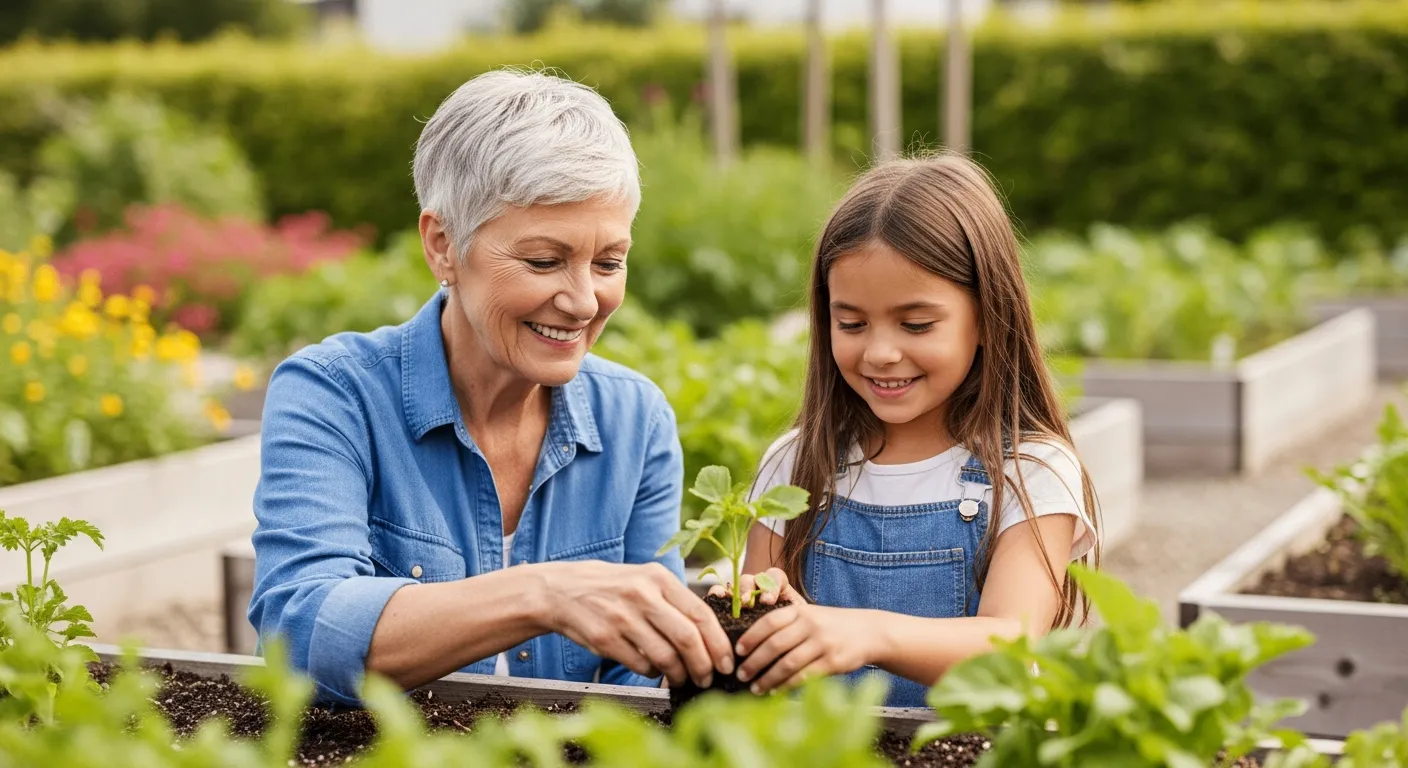
Social interaction is another key benefit of volunteering for elderly. It provides opportunities to connect with others who share similar interests.
Building new friendships and strengthening existing relationships can combat loneliness. This also leads to a more fulfilling social life.
Volunteering provides a sense of purpose and meaning. Knowing that you are making a difference can boost self-esteem.
It can also provide a renewed sense of value. This is especially helpful during the transition to retirement.
Beyond the individual benefits, volunteering strengthens communities. It creates a network of support and care.
Seniors bring a lifetime of experience to their volunteer roles. This experience is invaluable to the organizations they serve.
Volunteering can also provide a sense of structure and routine. This can be particularly helpful for those who are adjusting to life after retirement.
It offers a way to fill their days with meaningful activities. It also allows seniors to stay mentally and physically active.
The feeling of contributing to something larger than oneself is powerful. It can bring a sense of fulfillment that is hard to find elsewhere.
Volunteering can also help seniors stay connected to their community. It allows them to remain engaged in the issues that matter to them.
It’s a way to use their skills and knowledge to make a positive impact. This impact can be felt throughout the community.
Furthermore, volunteering can be a lot of fun. It’s a chance to meet new people and learn new things.
It can also be a great way to challenge yourself. You can also discover hidden talents.
Ultimately, the benefits of volunteering for seniors are numerous and far-reaching. It’s a win-win situation for both the volunteer and the community.
It’s a way to stay active, engaged, and connected. It also makes a positive difference in the world.
Types of Volunteering Opportunities Available
The types of senior community service opportunities are incredibly diverse. There is something for everyone, regardless of your interests or abilities.
Many seniors enjoy volunteering at local hospitals or healthcare facilities. They can assist with administrative tasks, patient support, or even provide companionship to those in need.
Animal lovers often find fulfillment in volunteering at animal shelters. They can help care for animals, assist with adoptions, or provide administrative support.
Tutoring or mentoring children is another popular option for retirement volunteering. Seniors can share their knowledge and experience with younger generations.
This can be done through schools, community centers, or after-school programs. It’s a great way to make a difference in a child’s life.
Environmental organizations also offer numerous volunteering opportunities. Seniors can participate in park cleanups, tree planting, or educational programs.
Those with a passion for history might enjoy volunteering at museums or historical societies. They can lead tours, assist with research, or help preserve artifacts.
Food banks and soup kitchens always need volunteers to help sort food. They also need help prepare meals, and serve those in need.
This is a direct way to combat hunger in your community. It is also an opportunity to provide essential support to vulnerable populations.
For those with strong communication skills, consider volunteering as a phone counselor. Many organizations offer helplines that provide support and information.
You can provide a listening ear and offer guidance to those in need. This can be incredibly rewarding.
If you enjoy crafting or creating, consider volunteering your skills to a local charity. You can make items to be sold at fundraising events.
You can also teach others how to create crafts. This fosters creativity and community engagement.
Seniors with a background in business can volunteer their expertise to help small businesses. They can offer advice on marketing, finance, and management.
This can be a valuable resource for entrepreneurs who are just starting out. It also helps to support the local economy.
Consider volunteering at a local library if you love books and reading. You can help with shelving books, assisting patrons, or reading to children.
Libraries are vital community resources. Volunteering there can help to promote literacy and learning.
If you have a knack for gardening, consider volunteering at a community garden. You can help to grow fresh produce for those in need.
Community gardens also provide a space for people to connect with nature. It also fosters a sense of community.
The possibilities for senior volunteering are endless. The key is to find something that you are passionate about.
Think about your skills, interests, and values. Then, explore the opportunities that align with those things.
Finding Volunteer Opportunities Near You
Finding senior volunteering opportunities in your local area is easier than you might think. Several resources are available to help you connect with organizations in need.
Online search engines are a great place to start. Websites like VolunteerMatch and Idealist allow you to search for opportunities based on your location and interests.
| Organization Type | Typical Volunteer Tasks | Skills Utilized |
|---|---|---|
| Hospital | Greeting patients, assisting with paperwork, providing comfort | Communication, empathy, organization |
| Animal Shelter | Feeding animals, cleaning cages, assisting with adoptions | Animal care, patience, physical stamina |
| School | Tutoring students, assisting teachers, mentoring | Teaching, patience, communication |
| Food Bank | Sorting food, packing boxes, distributing meals | Organization, teamwork, physical stamina |
Local community centers and senior centers often have lists of volunteering opportunities. They also have partnerships with local organizations.
Checking with these centers can provide you with a direct connection to local needs. You can also find opportunities that are specifically tailored to seniors.
Your local library is another excellent resource. Libraries often have bulletin boards with information about local volunteering opportunities.
Librarians can also provide you with information about organizations in your area. They can also help you find resources online.
Reach out to local non-profit organizations directly. Many organizations have websites that list their volunteering needs.
You can also call them to inquire about opportunities. This is a good way to learn more about their mission and work.
Check with your local religious organizations. Churches, synagogues, and mosques often have volunteering programs.
These programs may focus on serving the needs of the congregation or the wider community. It can be a great way to get involved.
Attend local community events. These events can be a great way to meet people. They can also learn about local organizations.
You may find opportunities that you never knew existed. It’s a good way to connect with your community.
Consider networking with your friends and neighbors. They may know of organizations that are looking for volunteers.
Word-of-mouth is a powerful tool. You may be surprised at what you discover.
Don’t be afraid to be proactive in your search. The more effort you put in, the more likely you are to find the perfect opportunity.
Be open to trying new things. You may discover a passion that you never knew you had.
Matching Your Skills with Volunteer Needs
The most fulfilling volunteering experiences come when you match your skills with an organization’s needs. Consider your strengths and interests when searching for opportunities.
If you have strong organizational skills, consider volunteering for administrative tasks. Many organizations need help with data entry, filing, and scheduling.
If you enjoy working with people, look for opportunities that involve direct interaction. This could include mentoring, tutoring, or providing companionship.
Those with a background in education can offer valuable support to schools. They can also offer libraries and literacy programs.
If you have technical skills, you can help organizations with their technology needs. This could include website maintenance, social media management, or computer training.
Consider your physical abilities when choosing a volunteering role. Some positions may require more physical activity than others.
Be honest with yourself about what you can comfortably handle. This ensures a positive experience for both you and the organization.
Don’t be afraid to try something new. Volunteering can be a great way to learn new skills and discover hidden talents.
Many organizations offer training and support to their volunteers. This makes it easier to step outside your comfort zone.
Think about your past work experience. What skills did you develop in your career?
These skills can be valuable to non-profit organizations. They can help them achieve their mission.
Consider your hobbies and interests. What do you enjoy doing in your free time?
You can often find volunteering opportunities that align with your hobbies. This makes the experience more enjoyable.
Think about the causes that you care about. What issues are important to you?
Volunteering for an organization that supports a cause you believe in can be very rewarding. It makes the work more meaningful.
Be realistic about the amount of time you can commit. Don’t overcommit yourself.
It’s better to start with a small commitment and gradually increase it as you become more comfortable. This prevents burnout.
Talk to the organization about your skills and interests. They can help you find a role that is a good fit.
Be open to feedback. The organization can provide valuable insights into your performance.
Remember that volunteering is a learning experience. Be patient with yourself.
Don’t be afraid to ask for help. Most organizations are happy to support their volunteers.
Tips for Successful Volunteering
To make the most of your senior volunteering opportunities, consider a few key tips. These will help ensure a rewarding and fulfilling experience.
First, set realistic expectations for yourself. Don’t overcommit, and be mindful of your physical and mental limitations.
- Communicate openly with the organization
- Be reliable and punctual
- Attend training sessions
- Ask questions when needed
- Celebrate your contributions
Remember that volunteering is a two-way street. It should be a mutually beneficial experience for both you and the organization.
Take time to reflect on your experiences. Consider what you are learning and how you are making a difference.
Before committing to a volunteer role, ask about the organization’s policies and procedures. Understand their expectations.
This will help you avoid misunderstandings. It also ensures that you are comfortable with the organization’s culture.
If you have any concerns or issues, address them promptly. Don’t let them fester.
Communicate with your supervisor or the volunteer coordinator. They can help you resolve any problems.
Be respectful of the organization’s staff and other volunteers. Treat everyone with courtesy and consideration.
Teamwork is essential in many volunteering settings. Be willing to collaborate with others.
Take breaks when you need them. Don’t push yourself too hard.
It’s important to take care of your physical and mental health. This ensures you can continue to volunteer effectively.
Celebrate your accomplishments. Acknowledge the positive impact you are making.
This will help you stay motivated. It also reinforces the value of your contributions.
Don’t be afraid to say no. It’s okay to decline a volunteering opportunity if it’s not a good fit.
It’s better to focus on a few roles that you can do well than to overextend yourself. This will lead to a better experience.
Remember to have fun. Volunteering should be an enjoyable experience.
If you’re not having fun, it’s time to re-evaluate your role. You can also look for a different opportunity.
The Social Impact of Volunteering
Volunteering has a profound social impact on communities. It strengthens social bonds and addresses critical needs.
When seniors engage in senior community service, they bring a wealth of experience and knowledge. This benefits the organizations they serve.
Volunteers often act as advocates for important causes. They raise awareness and inspire others to get involved.
Volunteering helps to fill gaps in services. It also supports vulnerable populations.
Many non-profit organizations rely heavily on volunteers. Without them, they would struggle to meet the needs of the community.
Volunteering fosters a sense of community pride. It encourages citizens to work together for the common good.
This can lead to stronger, more resilient communities. It also helps to create a more inclusive and equitable society.
By participating in volunteer activities, seniors can help to build a better future. They contribute to a more caring and compassionate world.
The impact of volunteering extends far beyond the individual. It creates a ripple effect that benefits society as a whole.
Volunteering helps to address social problems. It provides support to those who are struggling.
It also helps to prevent problems from escalating. This can save communities money and resources in the long run.
Volunteering promotes civic engagement. It encourages people to participate in their communities.
This can lead to a more informed and engaged citizenry. It also helps to strengthen democracy.
Volunteering builds social capital. It creates connections between people from different backgrounds.
These connections can help to bridge divides and foster understanding. It promotes social cohesion.
Volunteering empowers individuals. It gives them a sense of agency and control over their lives.
This can be especially important for seniors. It helps them to maintain their independence.
Volunteering provides a sense of hope. It shows that people care about each other.
It inspires others to get involved. It also contributes to a more positive and optimistic outlook.
The social impact of volunteering is undeniable. It’s a powerful force for good in the world.
By volunteering, seniors can help to create a better future for themselves and their communities. It’s a worthwhile endeavor.
Overcoming Barriers to Volunteering
Some seniors may face barriers that prevent them from volunteering. Recognizing these challenges is the first step to overcoming them.
One common barrier is transportation. Seniors may have difficulty getting to and from volunteering sites.
Many organizations offer transportation assistance or flexible scheduling. This helps to accommodate seniors’ needs.
Health concerns can also be a barrier to volunteering. Seniors may worry about their physical limitations or chronic conditions.
It is important to choose a volunteering role that aligns with your abilities. Look for opportunities that are low-impact and accommodating.
Financial constraints can also prevent seniors from volunteering. Some may worry about the cost of transportation or other expenses.
Many organizations offer reimbursement for mileage or other costs. They may also provide meals or snacks during volunteering shifts.
Lack of time is another common barrier. Seniors may have other commitments or responsibilities that make it difficult to volunteer.
Even a few hours a week can make a big difference. Find an opportunity that fits into your schedule.
Fear of the unknown can also be a barrier. Seniors may be hesitant to try something new.
It’s important to remember that volunteering is a learning experience. Start small and gradually increase your involvement.
Lack of confidence can also prevent seniors from volunteering. They may doubt their abilities.
Remember that you have valuable skills and experience to offer. Don’t underestimate your potential.
Language barriers can also be a challenge. Seniors may not be fluent in the local language.
Look for organizations that offer translation services. You can also volunteer in a role that doesn’t require strong language skills.
Accessibility issues can also be a barrier. Seniors may have difficulty accessing volunteering sites due to mobility limitations.
Look for organizations that offer accessible facilities. You can also volunteer in a role that can be done from home.
Negative perceptions about volunteering can also be a barrier. Some seniors may believe that volunteering is only for certain people.
Remember that volunteering is for everyone. There are opportunities for people of all ages and abilities.
By addressing these barriers, seniors can overcome the challenges. They can also enjoy the many benefits of volunteering.
It’s a worthwhile endeavor that can enrich their lives. It also makes a positive impact on their communities.
The Role of Technology in Volunteering
Technology plays a significant role in modern volunteering. It makes it easier to find opportunities and connect with organizations.
Online platforms like VolunteerMatch and Idealist allow you to search for opportunities. You can filter based on your location, interests, and skills.
Social media is another valuable tool. Many organizations use social media to promote their volunteering opportunities and connect with potential volunteers.
Virtual volunteering is becoming increasingly popular. This allows seniors to contribute their time and skills from the comfort of their own homes.
Virtual volunteering opportunities include online tutoring, data entry, and social media management. It also includes graphic design and website support.
Technology can also help seniors stay connected with their fellow volunteers. Online forums and video conferencing tools can facilitate communication.
This is especially important for those who may have difficulty attending in-person meetings. It helps to maintain a sense of community and belonging.
By embracing technology, seniors can expand their volunteering options. They can also make a greater impact on their communities.
It’s a powerful tool for connecting with others. It also makes a meaningful contribution.
Online training programs can help seniors develop new skills. These skills will be valuable in their volunteering roles.
These programs cover a wide range of topics. They also include computer skills, communication skills, and project management.
Technology can also help organizations manage their volunteer programs more effectively. Volunteer management software can automate tasks.
These tasks include scheduling, communication, and reporting. This frees up staff time to focus on other priorities.
Online fundraising platforms make it easier for organizations to raise money. This supports their programs and services.
Seniors can use these platforms to create their own fundraising campaigns. They can also support the organizations they care about.
Mobile apps can help seniors stay organized. They can also track their volunteering hours.
These apps can also provide reminders about upcoming events. They also connect with other volunteers.
Technology can help to break down geographical barriers. It allows seniors to volunteer for organizations anywhere in the world.
This opens up a whole new world of opportunities. It also makes it easier to make a global impact.
By embracing technology, seniors can enhance their volunteering experiences. They can also make a greater difference in the world.
It’s a valuable tool that can empower them. It also helps to connect with others.
Inspiring Stories of Senior Volunteers
Numerous stories highlight the incredible contributions of senior volunteers. These examples demonstrate the power of giving back.
One inspiring story is that of a retired teacher who volunteers at a local elementary school. She tutors children who are struggling with reading.
Her dedication and patience have helped many students improve their literacy skills. She has also gained confidence in their abilities.
Another example is a retired engineer who volunteers at a local museum. He uses his technical skills to help preserve and restore historical artifacts.
His expertise has been invaluable in ensuring that these artifacts are preserved for future generations. He also shares his knowledge with visitors.
A retired nurse volunteers at a local hospice. She provides comfort and support to patients and their families.
Her compassion and empathy have made a significant difference in the lives of those she serves. She also offers emotional support to their loved ones.
These stories demonstrate the diverse ways that seniors can make a difference. Their contributions are invaluable.
They also serve as an inspiration to others. They show that it’s never too late to give back.
One senior volunteer started a program to provide meals. She delivers them to homebound seniors in her community.
Her efforts have helped to combat food insecurity and loneliness. She is a true community hero.
Another senior volunteer uses her artistic skills to create greeting cards. She sends them to patients in local hospitals.
Her cards bring joy and comfort to those who are facing difficult times. It also brightens their day.
A retired accountant volunteers his time to help low-income families. He prepares their taxes for free.
His expertise has helped these families save money. It also helps them access important tax credits.
One senior volunteer organizes events for children with disabilities. He provides them with opportunities to socialize and have fun.
His efforts have helped to create a more inclusive community. It also makes a difference in their lives.
These are just a few examples of the many inspiring stories of senior volunteers. Their dedication and compassion are truly remarkable.
They serve as a reminder that age is just a number. It doesn’t limit your ability to make a difference.
By sharing these stories, we hope to inspire others to get involved. We also hope to make a positive impact on their communities.
Volunteering is a gift. It benefits both the giver and the receiver.
Conclusion
Senior volunteering opportunities offer a wealth of benefits for both the individual and the community. From improved mental and physical health to a renewed sense of purpose, the advantages are undeniable.
By matching your skills and interests with the needs of local organizations, you can create a fulfilling and impactful experience. Embrace the chance to give back and enrich your retirement years through volunteering.