

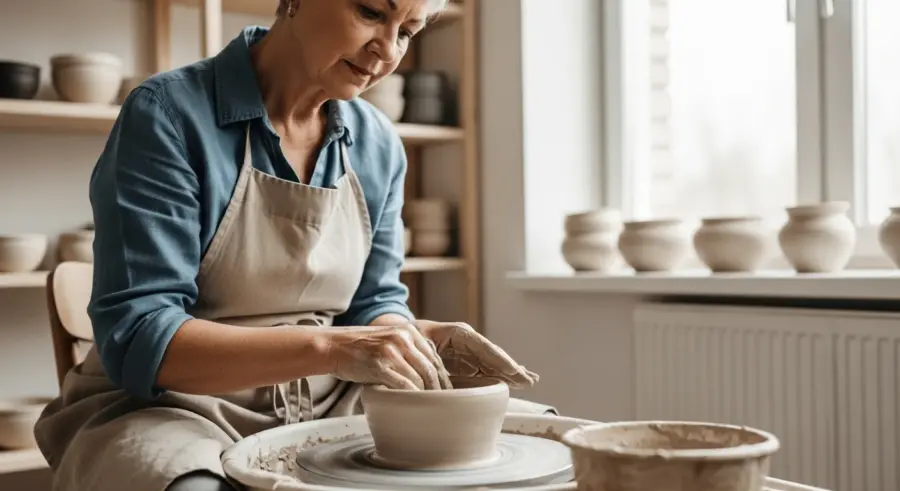
Are you looking for a relaxing and creative hobby? Senior pottery classes might be the perfect fit. Pottery offers a unique blend of artistic expression, physical activity, and social interaction, making it an ideal pastime for older adults.
Whether you’re a complete beginner or have some experience with clay, there are many reasons to explore the world of pottery. This guide will cover everything you need to know about getting started with senior pottery classes, from the benefits of pottery to the tools and techniques involved.
You’ll also learn about finding local classes, safety guidelines, and the exciting process of glazing and firing your creations. So, get ready to get your hands dirty and discover the joy of working with clay.
Benefits of Pottery for Seniors
Pottery isn’t just about making beautiful objects; it’s also a fantastic way to improve your overall well-being. Many seniors find that working with clay provides a sense of calm and accomplishment.
One of the key advantages of pottery is its ability to enhance fine motor skills. The act of shaping and molding clay requires precise hand movements, which can help improve dexterity and coordination.
For seniors, this can be particularly beneficial in maintaining independence and performing everyday tasks with greater ease. The repetitive motions involved in pottery can also have a therapeutic effect.
Pottery can reduce stress and promote relaxation. The tactile nature of clay and the focus required to create something beautiful can be incredibly meditative, allowing you to escape the worries of daily life.
Moreover, pottery offers a wonderful opportunity for social interaction. Senior pottery classes provide a supportive and engaging environment where you can connect with like-minded individuals.
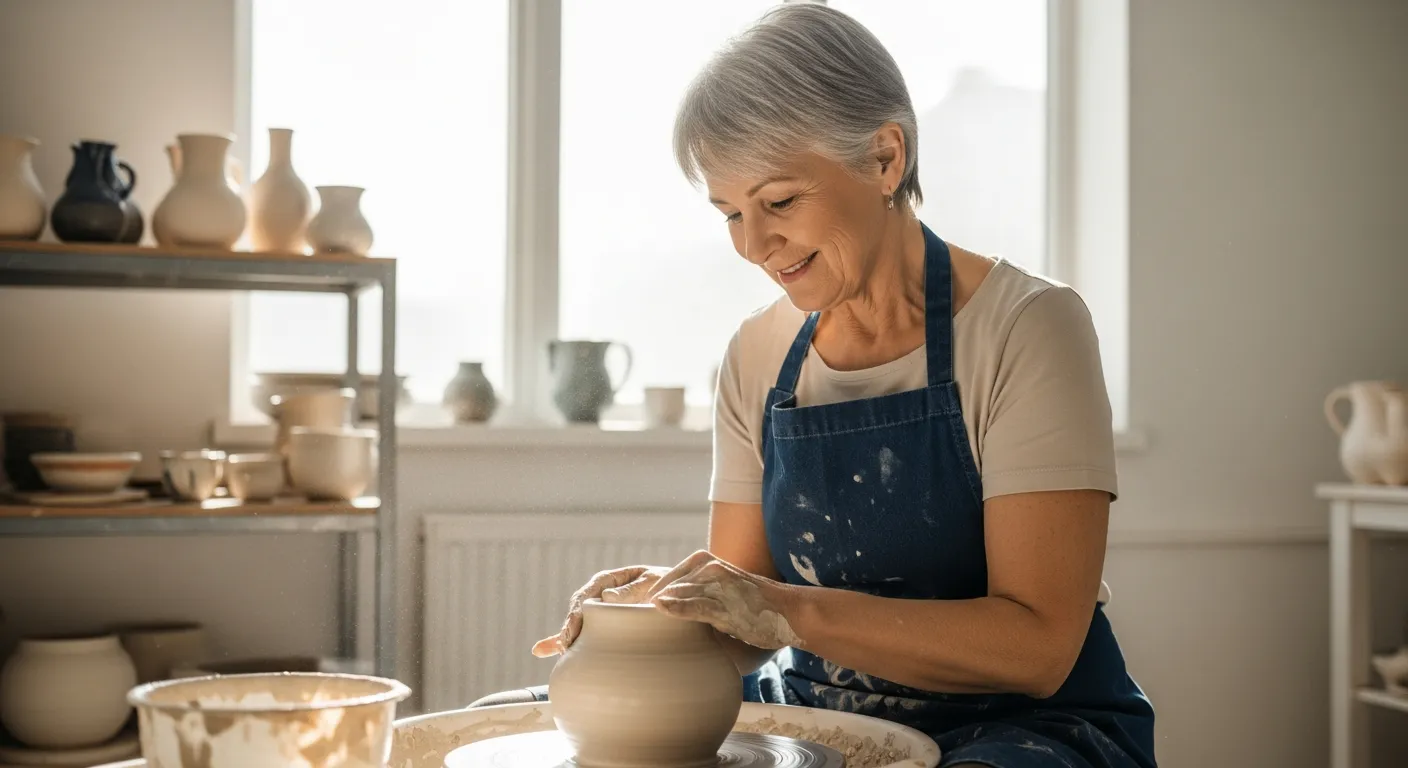
Sharing ideas, techniques, and experiences with fellow potters can foster a sense of community and belonging. This social aspect is especially important for seniors who may be looking for ways to combat loneliness and stay active.
Essential Pottery Tools for Beginners
Before you start your senior pottery classes, it’s helpful to familiarize yourself with the basic tools you’ll be using. While some studios provide tools for students, having your own set can make the experience more comfortable and personalized.
A basic pottery tool kit typically includes items like sponges, wooden modeling tools, and loop tools. These tools are designed to help you shape, smooth, and refine your clay creations.
| Tool Name | Purpose | Description |
|---|---|---|
| Sponge | Absorbing water, smoothing clay | A natural or synthetic sponge used to wet and smooth the surface of the clay. |
| Wooden Modeling Tools | Shaping, carving | Various shapes and sizes for detailed work, such as carving and adding texture. |
| Loop Tools | Removing clay, carving | Tools with wire loops at the end for removing excess clay or creating decorative patterns. |
| Rib | Smoothing, shaping | A flat, flexible tool made of wood, metal, or plastic used to smooth and shape the clay. |
Basic Pottery Techniques (Hand-Building and Wheel Throwing)
There are two primary pottery techniques that you’ll likely encounter in senior pottery classes: hand-building and wheel throwing. Hand-building involves shaping clay using only your hands and simple tools, without the use of a pottery wheel.
This technique is excellent for beginners as it allows you to focus on the tactile experience of working with clay and creating forms from scratch. Common hand-building methods include pinch pots, coil building, and slab construction.
Pinch pots are made by creating a ball of clay and then using your fingers to pinch and rotate the clay to form a small bowl or vessel. Coil building involves rolling out long, snake-like coils of clay and then stacking and joining them together to create larger forms.
Slab construction involves rolling out flat sheets of clay and then cutting and joining them to create geometric shapes or vessels. Wheel throwing, on the other hand, involves using a pottery wheel to spin a lump of clay while you shape it into a symmetrical form.
This technique requires more practice and coordination, but it allows you to create beautiful and functional pieces like bowls, cups, and vases. While wheel throwing can be more challenging for beginners, many senior pottery classes offer introductory courses that break down the process into manageable steps.
Ultimately, the best technique for you will depend on your personal preferences and goals. Some people prefer the more tactile and freeform nature of hand-building, while others enjoy the challenge and precision of wheel throwing.
Different Clay Types for Pottery
Choosing the right type of clay is essential for successful pottery projects. Different clay types have different properties, which can affect their workability, firing temperature, and final appearance.
Earthenware clay is a common choice for beginners due to its low firing temperature and affordability. It’s easy to work with and comes in a variety of colors, but it’s also more porous than other clay types.
Stoneware clay is a more durable option that fires at a higher temperature. It’s less porous than earthenware and can be used to create functional pieces like dishes and mugs.
Porcelain clay is the most refined and delicate type of clay. It fires at a very high temperature and becomes translucent when fired, creating a beautiful and elegant finish.
However, porcelain can be more challenging to work with due to its low plasticity and tendency to warp during firing. Many senior pottery classes will provide guidance on choosing the right clay for your project and skill level.
Experimenting with different clay types can be a fun and rewarding part of the pottery process. You might find that you prefer the rustic look of earthenware or the smooth feel of porcelain.
Finding Local Pottery Classes and Studios
One of the best ways to get started with senior pottery classes is to find a local studio or community center that offers them. Many cities and towns have pottery studios that offer classes for all skill levels, including beginners.
Community centers, senior centers, and art centers are also great places to look for affordable pottery classes. These classes often provide a supportive and inclusive environment for seniors to learn and create.
When researching local pottery classes, consider factors like the class size, the instructor’s experience, and the studio’s equipment and facilities. A smaller class size can allow for more individualized attention and guidance from the instructor.
An experienced instructor can provide valuable insights and tips on pottery techniques, helping you to improve your skills and avoid common mistakes. A well-equipped studio will have pottery wheels, kilns, and other essential equipment that you’ll need to create your pottery pieces.
You can start by searching online for “senior pottery classes near me” or “pottery studios in [your city]”. Check out the websites and social media pages of local studios and community centers to learn more about their class offerings, schedules, and pricing.
Reading reviews from other students can also provide valuable insights into the quality of the classes and the overall experience. Don’t hesitate to contact the studio or instructor directly to ask any questions you may have about the classes.
Pottery Safety Guidelines
Safety should always be a top priority when working with pottery, especially for seniors. Clay dust can be harmful if inhaled, so it’s essential to work in a well-ventilated area or wear a dust mask.
Proper ventilation helps to reduce the concentration of clay dust in the air, minimizing the risk of respiratory problems. A dust mask can provide an extra layer of protection, especially when working with dry clay or cleaning up.
- Wear safety glasses or goggles to protect your eyes from clay splatters
- Wash your hands thoroughly after working with clay to prevent the ingestion of harmful substances
- Use caution when handling sharp tools, such as trimming knives and fettling knives
- Avoid wearing loose clothing or jewelry that could get caught in the pottery wheel
- Be aware of the kiln firing schedule and follow all safety instructions provided by the studio
Glazing and Firing Pottery
Once you’ve created your pottery piece, the next step is to glaze and fire it. Glazing involves applying a thin layer of liquid glass to the surface of the clay, which will melt and fuse to the clay during firing, creating a colorful and durable finish.
There are many different types of glazes available, each with its own unique color, texture, and firing temperature. Some glazes are glossy, while others are matte, and some have special effects like crackles or crystals.
Firing is the process of heating the clay in a kiln to a high temperature, which causes the clay to harden and the glaze to melt. The firing temperature will depend on the type of clay and glaze you’re using.
Earthenware clay is typically fired at a lower temperature than stoneware or porcelain clay. The firing process can take several hours or even days, depending on the size and type of kiln.
It’s important to follow the kiln firing schedule and safety instructions provided by the studio to ensure that your pottery pieces are fired properly and safely. The firing process can be a bit of a mystery, as the final results can sometimes be unpredictable.
However, this is also part of the fun and excitement of pottery. Seeing your creations come out of the kiln with their vibrant colors and unique textures is a truly rewarding experience.
Incorporating Pottery into Your Social Life
Senior pottery classes offer more than just a creative outlet; they provide a fantastic opportunity to expand your social circle. Many seniors find that their pottery classes become a highlight of their week, a time to connect with friends and share their passion for clay.
Consider organizing group outings to local art galleries or museums to see pottery exhibitions. This can be a great way to learn about different pottery styles and techniques, as well as to socialize with your fellow potters.
You could also start a pottery club or group where you can meet regularly to work on projects, share tips, and provide each other with support and encouragement. A pottery club can be a great way to stay motivated and inspired, as well as to build lasting friendships.
Another idea is to participate in local craft fairs or art shows to showcase and sell your pottery creations. This can be a rewarding way to share your talent with the community and earn some extra income.
You could even donate some of your pottery pieces to local charities or organizations to support their fundraising efforts. Sharing your creations with others can bring joy and satisfaction, as well as help you to feel more connected to your community.
Pottery can also be a wonderful way to connect with family members, especially grandchildren. Teaching them basic pottery techniques or working on a collaborative project can be a fun and meaningful way to spend time together.
Pottery as a Form of Therapy
Beyond its social and creative benefits, pottery can also be a powerful form of therapy for seniors. The act of working with clay can be incredibly therapeutic, helping to reduce stress, anxiety, and depression.
The tactile nature of clay can be grounding and calming, allowing you to focus on the present moment and escape the worries of daily life. The repetitive motions involved in pottery, such as kneading and shaping, can also have a meditative effect, promoting relaxation and mindfulness.
For seniors who are dealing with physical limitations or chronic pain, pottery can provide a gentle and accessible form of exercise. The act of working with clay can help to improve hand strength, dexterity, and coordination, as well as to reduce stiffness and pain in the joints.
Pottery can also be a valuable tool for seniors who are coping with cognitive decline or memory loss. The act of creating something tangible can help to stimulate the brain and improve cognitive function.
The visual and tactile aspects of pottery can also help to trigger memories and emotions, providing a sense of connection to the past. In some cases, pottery is used as a form of art therapy to help seniors express their feelings and emotions in a non-verbal way.
Art therapy can be particularly helpful for seniors who have difficulty communicating or who are dealing with emotional trauma. If you’re interested in exploring pottery as a form of therapy, consider talking to your doctor or a qualified art therapist.
Conclusion
Senior pottery classes offer a wealth of benefits for older adults, from improving fine motor skills and reducing stress to fostering social connections and providing a creative outlet. Whether you’re a complete beginner or have some experience with clay, there’s never been a better time to explore the world of pottery.
So, why not sign up for a local class today and discover the joy of working with clay? You might just find your new favorite hobby and a whole new community of friends.