
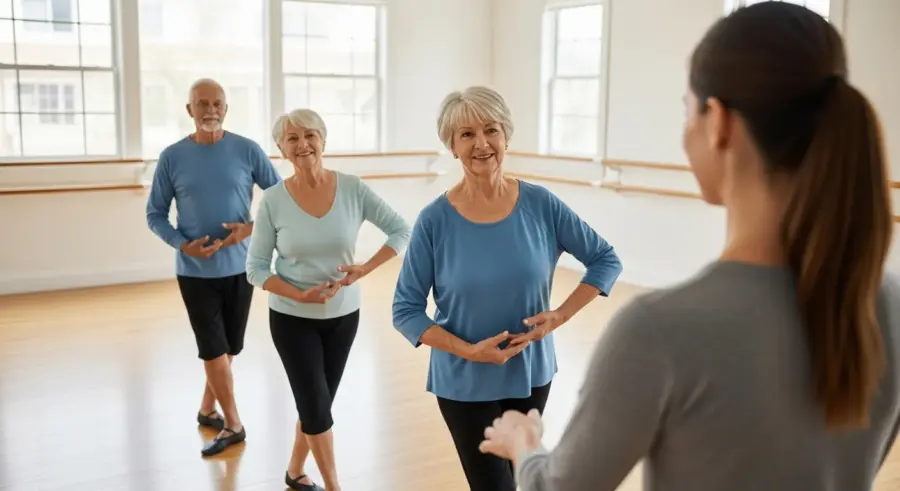
As we age, staying active and socially connected becomes increasingly important for maintaining both physical and mental well-being. Senior dance classes offer a fantastic way to achieve these goals, combining exercise with social interaction in a fun and engaging environment.
If you’re looking for a way to boost your health, meet new people, and learn some new moves, senior dance classes might be the perfect fit. Let’s explore the many benefits of dance classes for elderly individuals and how you can get started.
From improving balance and coordination to fostering friendships and reducing stress, the advantages of dancing are numerous. This article will guide you through the different types of dance classes available, where to find them, what to expect, and how to stay safe while enjoying this wonderful activity.
The Physical and Social Benefits of Dancing
Dancing is not just a form of art; it’s also a powerful form of exercise that offers a wide range of physical benefits for seniors. Regular participation in senior dance classes can significantly improve cardiovascular health, increase muscle strength, and enhance flexibility.
These physical improvements can lead to a reduced risk of chronic diseases such as heart disease, diabetes, and osteoporosis. Dancing also helps improve balance and coordination, which is particularly important for seniors as it can help prevent falls and injuries.
Beyond the physical advantages, dance classes provide invaluable social benefits. Senior dance classes offer a structured environment for seniors to connect with others, fostering a sense of community and belonging.
This social interaction can combat feelings of loneliness and isolation, which are common among older adults. Engaging in a shared activity like dancing creates opportunities for conversation, laughter, and the development of new friendships, all of which contribute to improved mental and emotional well-being.
The cardiovascular benefits stem from the increased heart rate and improved circulation that dancing provides. This can lead to lower blood pressure and a reduced risk of stroke.
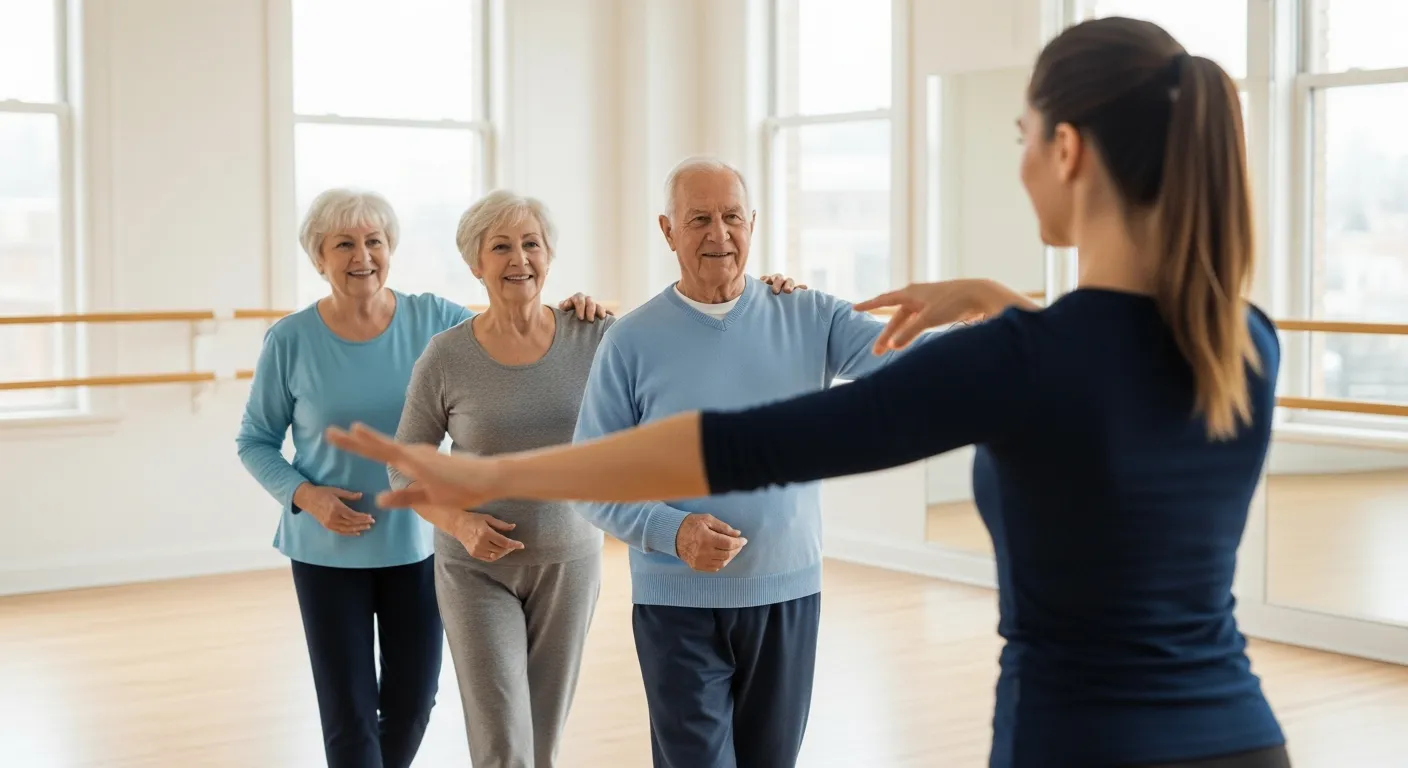
Increased muscle strength, particularly in the legs and core, supports better posture and mobility. Improved flexibility can ease joint pain and increase range of motion, making everyday activities easier.
The improvements in balance and coordination are crucial for fall prevention, a major concern for seniors. Dancing trains the body to react quickly and maintain stability, reducing the likelihood of falls and related injuries.
The social aspect of dance classes is just as important as the physical. Many seniors find that these classes become a vital part of their social life.
The sense of community and belonging can combat feelings of isolation and loneliness, which can have a significant impact on mental health. Sharing a common interest and working towards a shared goal creates a strong bond among participants.
The laughter and conversation that occur in dance classes can be incredibly therapeutic. It provides a much-needed outlet for stress and promotes a sense of joy and well-being.
Learning new steps and routines also provides mental stimulation, which can help improve cognitive function and memory. The combination of physical and mental engagement makes dance an ideal activity for seniors looking to maintain their overall health and well-being.
Types of Dance Classes Suitable for Seniors
Many types of dance classes are suitable for seniors, each offering unique benefits and catering to different preferences and physical abilities. Senior ballroom dance is a popular choice, known for its elegance and grace.
Styles like waltz, foxtrot, and tango are often taught, providing a gentle yet effective workout while improving posture and coordination. Line dancing is another excellent option, particularly for those who enjoy a more casual and social atmosphere.
Chair dance classes are designed for individuals with limited mobility, allowing them to participate in dance while seated. These classes focus on upper body movements and gentle stretches, providing a safe and accessible way to enjoy the benefits of dance.
For those seeking a more energetic workout, Zumba Gold is a modified version of Zumba that caters to the needs of older adults. It incorporates Latin rhythms and easy-to-follow dance steps, providing a fun and engaging cardio workout that’s gentle on the joints.
Ballroom dance offers a wonderful blend of physical activity and social interaction. The elegant movements and graceful steps can improve posture, balance, and coordination.
Learning to lead or follow a partner can also enhance cognitive function and communication skills. The social aspect of ballroom dance provides opportunities to connect with others and build meaningful relationships.
Line dancing is a great option for those who prefer a more individualistic approach to dance. The repetitive steps and easy-to-follow routines make it accessible to seniors of all fitness levels.
Line dancing can improve cardiovascular health, muscle strength, and flexibility. The social atmosphere of line dancing classes provides opportunities to meet new people and have fun.
Chair dance classes are a fantastic option for seniors with limited mobility or those who are recovering from injuries. These classes allow individuals to participate in dance without putting excessive strain on their joints.
Chair dance focuses on upper body movements and gentle stretches, which can improve muscle strength, flexibility, and circulation. The classes are often adapted to meet the specific needs and abilities of the participants.
Zumba Gold is a modified version of Zumba that is specifically designed for older adults. It incorporates Latin rhythms and easy-to-follow dance steps, providing a fun and engaging cardio workout.
Zumba Gold is gentle on the joints and can improve cardiovascular health, muscle strength, and coordination. The upbeat music and energetic atmosphere can boost mood and reduce stress.
Beyond these popular choices, other dance styles like tap dancing, square dancing, and even gentle ballet can be adapted for seniors. The key is to find a class that matches your interests, physical abilities, and social preferences.
Finding Dance Classes for Seniors Near You
Finding senior dance classes in your local area is easier than you might think. Many community centers, senior centers, and dance studios offer classes specifically designed for older adults.
Start by checking with your local community center or senior center, as they often have a variety of programs and activities, including dance classes. Online search engines can also be a valuable resource for finding dance studios that offer senior-specific classes.
| Location | Type of Class | Contact Information |
|---|---|---|
| Community Center A | Line Dancing | (555) 123-4567 |
| Senior Center B | Chair Dance | (555) 987-6543 |
| Dance Studio C | Senior Ballroom Dance | (555) 246-8013 |
| Fitness Center D | Zumba Gold | (555) 135-7924 |
When researching different options, consider factors such as class schedule, location, cost, and the instructor’s experience. Reading reviews and testimonials from other seniors can also provide valuable insights into the quality and suitability of the class.
Your local community center is often a great place to start your search. These centers typically offer a wide range of programs and activities for seniors, including dance classes.
Community centers often have affordable rates and convenient class schedules. They also provide a welcoming and supportive environment for seniors to connect with others.
Senior centers are another excellent resource for finding dance classes. These centers are specifically designed to cater to the needs and interests of older adults.
Senior centers often offer a variety of dance classes, including ballroom dance, line dancing, and chair dance. They also provide transportation services and other support services to help seniors participate in activities.
Dance studios are another option for finding senior dance classes. Many dance studios offer classes specifically designed for older adults, taught by experienced instructors.
Dance studios may offer a wider variety of dance styles than community centers or senior centers. However, they may also be more expensive.
Online search engines can be a valuable tool for finding dance classes in your area. Simply search for “senior dance classes near me” to find a list of options.
Be sure to read reviews and testimonials from other seniors before signing up for a class. This can help you get a sense of the quality and suitability of the class.
Consider visiting a class before signing up to see if it’s a good fit for you. This will give you a chance to meet the instructor, observe the class, and ask any questions you may have.
What to Expect in a Senior Dance Class
Walking into your first senior dance class can be a bit nerve-wracking, but knowing what to expect can help ease your anxiety. Most classes begin with a warm-up period, consisting of gentle stretches and light cardio exercises to prepare your body for dancing.
The instructor will then guide you through the basic steps and techniques of the chosen dance style. Don’t worry if you don’t get it right away; everyone learns at their own pace, and the instructor will provide individualized attention and support.
Classes often incorporate a variety of music to keep things interesting and engaging. You’ll likely learn a combination of individual steps and sequences, as well as partner work if the class involves partner dancing.
The focus is on having fun and enjoying the process, rather than achieving perfection. Many classes conclude with a cool-down period, involving gentle stretches to help your muscles recover and prevent soreness.
The warm-up is a crucial part of the class, preparing your muscles and joints for the activity ahead. It typically includes gentle stretches, such as arm circles, leg swings, and torso twists.
Light cardio exercises, like marching in place or stepping side to side, can also be incorporated into the warm-up. This helps to increase your heart rate and improve circulation.
The instructor will break down the dance steps into smaller, manageable components. They will demonstrate the steps clearly and provide verbal cues to help you follow along.
Don’t be afraid to ask questions if you’re unsure about a step. The instructor is there to help you learn and succeed.
The music selection will vary depending on the dance style. Ballroom dance classes often feature classic waltzes, foxtrots, and tangos.
Line dancing classes typically use country, pop, and rock music. Zumba Gold classes incorporate Latin rhythms and international beats.
Partner work can be a fun and rewarding part of dance class. It provides an opportunity to connect with others and learn to coordinate your movements.
If you’re not comfortable with partner work, you can always participate as an individual. Many classes offer both individual and partner options.
The cool-down period is just as important as the warm-up. It helps your muscles recover and prevents soreness.
Gentle stretches, such as hamstring stretches, calf stretches, and shoulder stretches, are typically included in the cool-down. This helps to improve flexibility and reduce muscle tension.
Benefits of Senior Dance Classes on Mental Health
The benefits of senior dance classes extend far beyond physical fitness, significantly impacting mental and emotional well-being. Dancing releases endorphins, natural mood boosters that can alleviate stress, anxiety, and even symptoms of depression.
The combination of physical activity, social interaction, and creative expression can create a powerful sense of joy and fulfillment. Learning new dance steps and mastering routines can also boost cognitive function and improve memory.
The mental stimulation involved in dance can help keep your mind sharp and engaged, potentially reducing the risk of cognitive decline. Moreover, the sense of accomplishment that comes from mastering a new skill can enhance self-esteem and confidence.
As you progress in your dance journey, you’ll likely find yourself feeling more empowered and capable, both on and off the dance floor. Dance classes provide a supportive and encouraging environment where seniors can express themselves, connect with others, and discover new passions, contributing to a more positive and fulfilling outlook on life.
Endorphins are released during physical activity, acting as natural painkillers and mood elevators. This can lead to a reduction in stress, anxiety, and even symptoms of depression.
The rhythmic movements and expressive nature of dance can be particularly therapeutic, allowing seniors to release pent-up emotions and find a sense of calm.
The social interaction in dance classes provides a sense of community and belonging, combating feelings of loneliness and isolation. Connecting with others who share your interests can boost your mood and improve your overall sense of well-being.
Learning new dance steps and mastering routines requires focus and concentration, which can help improve cognitive function and memory. The mental challenge of dance can keep your mind sharp and engaged.
The sense of accomplishment that comes from mastering a new skill can boost self-esteem and confidence. As you progress in your dance journey, you’ll likely feel more capable and empowered.
Dance classes provide a supportive and encouraging environment where seniors can express themselves and connect with others. This can lead to a greater sense of self-worth and a more positive outlook on life.
The combination of physical, social, and mental stimulation makes dance an ideal activity for seniors looking to maintain their overall well-being. It’s a fun and engaging way to stay active, connect with others, and improve your mood.
Dance can also provide a creative outlet for seniors to express themselves. The freedom of movement and the ability to interpret music can be incredibly liberating.
This creative expression can lead to a greater sense of self-awareness and a deeper connection to your emotions. It can also provide a sense of purpose and meaning in life.
Tips for Staying Safe While Dancing
While dancing offers numerous benefits, it’s essential to take precautions to ensure your safety and prevent injuries. Before starting any dance class, consult with your doctor to ensure that it’s appropriate for your current health condition.
Inform the instructor about any pre-existing health issues or physical limitations you may have, so they can provide modifications and guidance as needed.
- Wear comfortable, supportive shoes with good traction
- Stay hydrated by drinking plenty of water before, during, and after class
- Listen to your body and take breaks when needed
- Avoid pushing yourself too hard, especially when starting out
- Warm up properly before dancing and cool down afterward
Pay attention to your posture and alignment to prevent strain and injury. If you experience any pain or discomfort, stop dancing and rest, and don’t hesitate to seek medical attention if needed.
Consulting with your doctor is crucial, especially if you have any underlying health conditions. They can assess your fitness level and advise you on whether dance is a safe and appropriate activity for you.
Your doctor can also provide recommendations for modifications or precautions you should take to minimize your risk of injury.
Informing the instructor about any health issues or physical limitations is essential for your safety. This allows them to tailor the class to your specific needs and provide appropriate modifications.
The instructor can also monitor your progress and provide guidance to help you avoid injury.
Wearing comfortable, supportive shoes with good traction is crucial for preventing falls and injuries. Avoid shoes with slippery soles or high heels.
Choose shoes that provide good arch support and cushioning to protect your feet and joints.
Staying hydrated is essential for maintaining energy levels and preventing muscle cramps. Drink plenty of water before, during, and after class.
Avoid sugary drinks, as they can dehydrate you and lead to energy crashes.
Listening to your body and taking breaks when needed is crucial for preventing overexertion and injury. Don’t push yourself too hard, especially when starting out.
If you feel any pain or discomfort, stop dancing and rest. It’s better to take a break than to risk injuring yourself.
Warming up properly before dancing and cooling down afterward is essential for preparing your muscles and preventing soreness. Follow the instructor’s guidance on warm-up and cool-down exercises.
These exercises help to increase blood flow to your muscles and improve flexibility.
Dancing as a Social Activity
One of the most appealing aspects of senior dance classes is the opportunity to socialize and connect with others. Dance classes provide a built-in social network, where you can meet like-minded individuals who share your passion for dance and fitness.
Engaging in a shared activity like dancing creates opportunities for conversation, laughter, and the development of new friendships. Many dance classes also organize social events and outings, providing additional opportunities for seniors to connect outside of the classroom.
These social interactions can combat feelings of loneliness and isolation, which are common among older adults. Building strong social connections can improve mental and emotional well-being, providing a sense of belonging and support.
Participating in group activities like dance classes can also enhance cognitive function and memory. Social interaction stimulates the brain, promoting mental agility and reducing the risk of cognitive decline.
The shared experience of learning new dance steps and routines creates a sense of camaraderie among participants. This can lead to the formation of strong bonds and lasting friendships.
The laughter and conversation that occur in dance classes can be incredibly therapeutic. It provides a much-needed outlet for stress and promotes a sense of joy and well-being.
Many dance classes organize social events and outings, such as potlucks, dance parties, and trips to see dance performances. These events provide additional opportunities for seniors to connect outside of the classroom and build relationships.
These social connections can provide a sense of belonging and support, which is especially important for seniors who may be experiencing loneliness or isolation. Knowing that you have a group of people who care about you can make a big difference in your overall well-being.
Social interaction stimulates the brain, promoting mental agility and reducing the risk of cognitive decline. Engaging in conversations, learning new things, and sharing experiences with others can help keep your mind sharp.
Participating in group activities like dance classes can also improve memory. The act of learning and remembering dance steps and routines can help strengthen your memory skills.
Dancing provides a fun and engaging way to stay socially connected and mentally stimulated. It’s a great way to meet new people, build friendships, and improve your overall well-being.
The social benefits of dance classes can extend beyond the classroom. Many seniors find that they become more involved in their community and develop a greater sense of purpose as a result of their participation in dance.
Overcoming Challenges and Finding Support in Senior Dance Classes
Starting anything new can present challenges, and senior dance classes are no exception. Some seniors may feel intimidated by the thought of learning new dance steps or worried about keeping up with the class.
It’s important to remember that everyone learns at their own pace, and the goal is to have fun and enjoy the process. Don’t be afraid to ask questions and seek help from the instructor or other classmates.
Many senior dance classes offer a supportive and encouraging environment where seniors can learn and grow together. If you have physical limitations or health concerns, talk to your doctor and the instructor to find modifications that work for you.
Remember that even small movements and gentle stretches can provide significant benefits. Celebrate your progress and focus on what you can do, rather than what you can’t.
It’s natural to feel intimidated when starting something new, especially if you’re not used to dancing. Remember that everyone in the class is there to learn and have fun.
Don’t compare yourself to others. Focus on your own progress and celebrate your achievements, no matter how small they may seem.
Asking questions is a sign of strength, not weakness. If you’re unsure about a step or technique, don’t hesitate to ask the instructor or other classmates for help.
Most instructors are happy to provide individualized attention and support. They want you to succeed and enjoy the class.
A supportive and encouraging environment is essential for overcoming challenges. Look for classes that foster a sense of community and camaraderie.
Surround yourself with positive and encouraging people who will help you stay motivated and inspired.
If you have physical limitations or health concerns, talk to your doctor and the instructor to find modifications that work for you. Many dance steps can be adapted to accommodate different abilities.
Don’t let physical limitations prevent you from enjoying the benefits of dance. There are many ways to modify the movements to make them safe and comfortable for you.
Even small movements and gentle stretches can provide significant benefits. Focus on what you can do, rather than what you can’t.
Celebrate your progress and be proud of yourself for taking the initiative to try something new. Every step you take is a step in the right direction.
The Long-Term Impact of Dance on Senior Wellness
The benefits of senior dance classes extend far beyond the immediate physical and social advantages. Regular participation in dance can have a profound and lasting impact on overall wellness.
As you continue to dance, you’ll likely experience improvements in your strength, flexibility, balance, and coordination, which can enhance your ability to perform everyday tasks and maintain your independence. Dancing can also help reduce the risk of falls and injuries, allowing you to stay active and engaged in life for longer.
The social connections you make in dance class can provide a sense of belonging and support, combating feelings of loneliness and isolation. The mental stimulation involved in dance can help keep your mind sharp and engaged, potentially reducing the risk of cognitive decline.
Moreover, the joy and fulfillment you experience through dance can enhance your overall quality of life, promoting a more positive and optimistic outlook. Senior dance classes offer a holistic approach to wellness, addressing physical, social, and mental needs in a fun and engaging way, making it a valuable investment in your long-term health and happiness.
The improvements in strength, flexibility, balance, and coordination that come with regular dance participation can make everyday tasks easier. You may find that you have more energy and stamina to perform activities like walking, climbing stairs, and carrying groceries.
These improvements can also help you maintain your independence, allowing you to live in your own home and continue to enjoy your favorite activities.
Dancing can help reduce the risk of falls and injuries, which are a major concern for seniors. The improvements in balance and coordination that come with dance can help you stay steady on your feet and avoid falls.
Staying active and engaged in life is essential for maintaining your physical and mental health. Dance provides a fun and engaging way to stay active and connected to others.
The social connections you make in dance class can provide a sense of belonging and support, which is especially important for seniors who may be experiencing loneliness or isolation. Knowing that you have a group of people who care about you can make a big difference in your overall well-being.
The mental stimulation involved in dance can help keep your mind sharp and engaged, potentially reducing the risk of cognitive decline. Learning new dance steps and routines requires focus and concentration, which can help strengthen your memory skills.
The joy and fulfillment you experience through dance can enhance your overall quality of life. Dancing can bring a sense of purpose and meaning to your life, and it can help you feel more connected to yourself and to others.
Senior dance classes offer a holistic approach to wellness, addressing physical, social, and mental needs in a fun and engaging way. It’s a valuable investment in your long-term health and happiness.
By embracing dance as a regular activity, seniors can unlock a world of benefits that contribute to a healthier, happier, and more fulfilling life. It’s a journey of self-discovery, connection, and joy that can last a lifetime.
Conclusion
Senior dance classes offer a wealth of benefits for older adults, encompassing physical, social, and mental well-being. From improving cardiovascular health and balance to fostering friendships and boosting cognitive function, the advantages of dancing are undeniable.
Whether you prefer the elegance of senior ballroom dance, the casual fun of line dancing, or the accessible nature of chair dance, there’s a dance class out there to suit your preferences and abilities. Take the first step towards a healthier, happier, and more connected life by exploring the world of senior dance classes near you.
The positive impact of dance on senior wellness is well-documented and continues to be recognized by healthcare professionals and researchers alike. It’s a powerful tool for promoting healthy aging and enhancing the quality of life for older adults.
So, if you’re looking for a fun, engaging, and beneficial activity to enrich your life, consider giving senior dance classes a try. You might just discover a hidden passion and a whole new world of possibilities.