As we age, staying active and socially connected becomes increasingly important for overall well-being. Engaging in activities that stimulate both the body and mind can significantly enhance our quality of life.
Senior dance classes offer a fantastic way to achieve this, combining physical exercise with social interaction and creative expression. These classes provide a supportive and enjoyable environment for older adults to move to the beat, connect with others, and experience the many benefits of dance.
Whether you’re a seasoned dancer or have never taken a step, there’s a senior dance class out there for you. Get ready to discover the joy of movement and the power of connection through dance!
The Health Benefits of Dance for Seniors
Dancing is not just a fun pastime; it’s a powerful form of exercise that offers a wide range of health benefits for seniors. From improving cardiovascular health to boosting cognitive function, the positive effects of dance are numerous and well-documented.
Incorporating dancing for seniors into your routine can be a delightful way to stay active and maintain a healthy lifestyle.
One of the most significant benefits of dance is its positive impact on cardiovascular health. Dancing elevates your heart rate, improves circulation, and strengthens the heart muscle.
Regular dance sessions can help lower blood pressure, reduce the risk of heart disease, and improve overall cardiovascular function. This makes it an excellent choice for seniors looking to maintain a healthy heart.
Dance is also a fantastic way to improve balance and coordination, which are crucial for preventing falls in older adults. The movements involved in dance require you to shift your weight, maintain your posture, and coordinate your steps, all of which contribute to better balance.
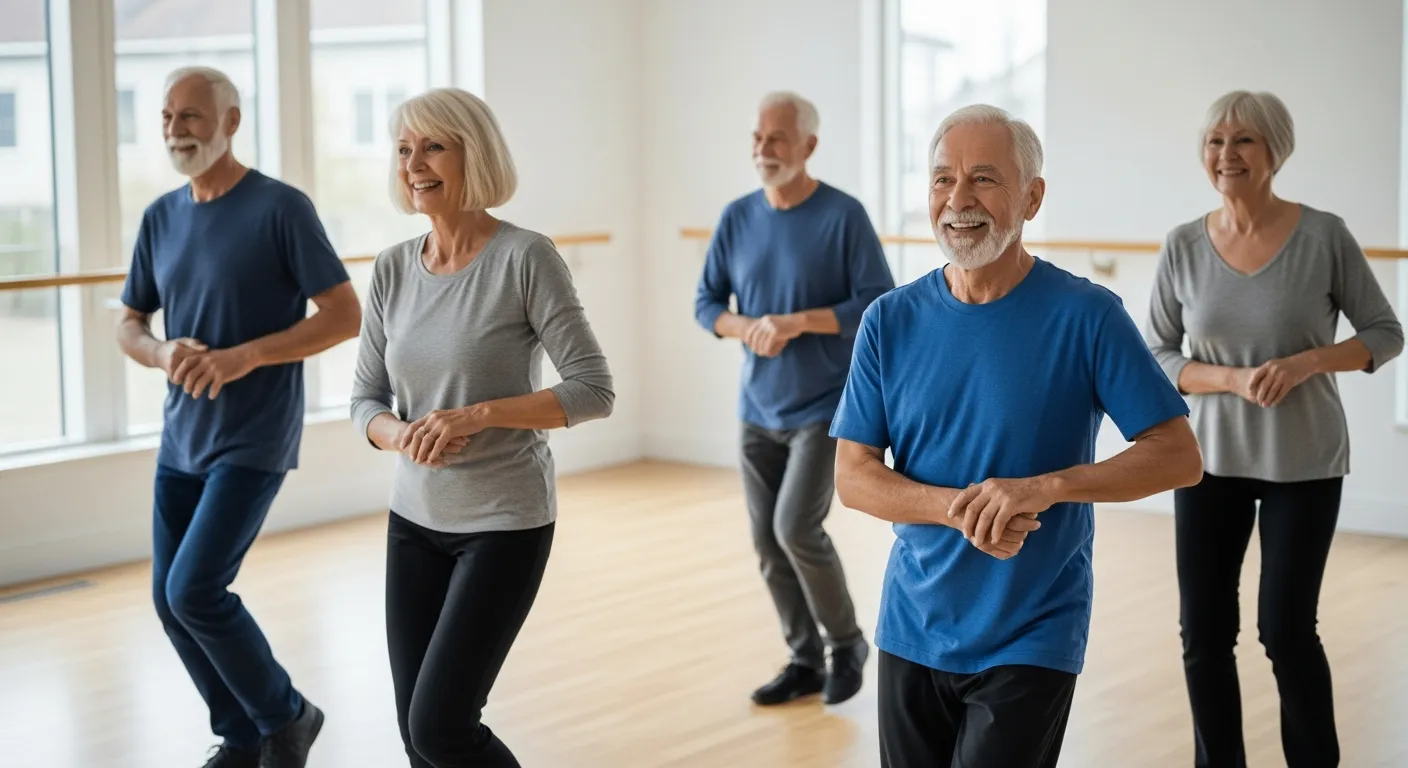
By strengthening muscles and improving flexibility, dance can also enhance your stability and reduce the risk of falls. This is particularly important for seniors who may be more susceptible to fall-related injuries.
Beyond the physical benefits, dance has a profound impact on cognitive function and mental well-being. Learning new dance steps and routines challenges your brain, improving memory, focus, and cognitive processing speed.
Dancing also releases endorphins, which have mood-boosting effects and can help reduce stress, anxiety, and depression. The combination of physical activity, mental stimulation, and social interaction makes dance a powerful tool for maintaining cognitive and emotional health in seniors.
Dance is a full-body workout that engages multiple muscle groups, contributing to increased strength and endurance. The repetitive movements and weight-bearing exercises can help build bone density, which is particularly important for preventing osteoporosis in older adults.
Improved muscle strength and endurance can make everyday tasks easier, such as carrying groceries, climbing stairs, and gardening. This increased physical capacity can enhance your independence and overall quality of life.
Flexibility is another key benefit of dance, as it involves stretching and moving your body in various directions. Regular dance sessions can help improve your range of motion, making it easier to perform everyday activities and reducing the risk of injuries.
Enhanced flexibility can also alleviate stiffness and pain in your joints, making it more comfortable to move and participate in other physical activities. This can lead to a more active and fulfilling lifestyle.
The rhythmic movements and musicality of dance can also have a calming and therapeutic effect on the mind. Dancing allows you to express your emotions, release tension, and connect with your inner self.
This can lead to reduced stress levels, improved mood, and a greater sense of overall well-being. The combination of physical activity and mental stimulation makes dance a powerful tool for promoting emotional health in seniors.
Dance can also improve your posture and body awareness. As you learn to control your movements and maintain your balance, you’ll become more aware of your body’s position in space.
This can lead to improved posture, which can reduce back pain, improve breathing, and enhance your overall appearance. Good posture can also boost your confidence and self-esteem.
Beyond the individual benefits, participating in senior dance classes can also foster a sense of community and belonging. Dancing with others creates a shared experience that can lead to new friendships and social connections.
This social interaction can combat feelings of isolation and loneliness, which are common among older adults. The support and encouragement you receive from your fellow dancers can also help you stay motivated and committed to your fitness goals.
Finding Senior-Friendly Dance Classes
Finding the right senior dance classes can seem daunting, but with a little research, you can discover a class that suits your needs and preferences. Start by checking your local community centers, senior centers, and YMCA branches.
These organizations often offer a variety of senior fitness classes, including dance, at affordable prices. Don’t be afraid to ask questions and try out a few different classes before committing to one.
Many dance studios also offer specialized classes for seniors, taught by instructors who are experienced in working with older adults. These classes are often designed to be low-impact and adaptable to different fitness levels.
Look for studios that emphasize a supportive and inclusive environment, where participants can feel comfortable and confident. Online resources like the National Center for Arts and Aging and the American Dance Therapy Association can also provide valuable information and resources for finding senior dance classes.
When researching potential classes, consider factors such as the class schedule, location, cost, and the instructor’s qualifications. Read reviews from other participants to get a sense of the class atmosphere and teaching style.
It’s also a good idea to talk to the instructor beforehand to discuss any concerns or physical limitations you may have. A good instructor will be able to modify the exercises to accommodate your needs and ensure that you can participate safely and comfortably.
Don’t be afraid to try something new and step outside of your comfort zone. You might be surprised at how much you enjoy a particular style of dance, even if it’s something you’ve never considered before.
The most important thing is to find a class that you find enjoyable and that fits into your lifestyle. The goal is to make dancing a regular part of your routine, so choose a class that you’ll look forward to attending.
Consider the size of the class when making your decision. Smaller classes may offer more individualized attention from the instructor, while larger classes can provide a more social and energetic atmosphere.
Think about what you’re looking for in a dance class and choose accordingly. Do you prefer a more structured and disciplined environment, or a more relaxed and informal setting?
Some classes may focus on technique and precision, while others may emphasize improvisation and self-expression. Choose a class that aligns with your goals and preferences.
Don’t be afraid to ask for a trial class or a free consultation before committing to a full session. This will give you a chance to experience the class firsthand and see if it’s a good fit for you.
Pay attention to the instructor’s teaching style and how they interact with the students. A good instructor will be patient, encouraging, and able to explain the steps clearly and concisely.
They should also be able to provide modifications and adjustments for students with different abilities and limitations. Look for an instructor who creates a positive and supportive learning environment.
Consider the time of day and the frequency of the classes. Choose a class that fits into your schedule and that you can realistically commit to attending on a regular basis.
Consistency is key to seeing results and enjoying the benefits of dance. Find a class that you can attend consistently and make it a regular part of your routine.
Types of Dance Classes Available for Seniors
The world of dance is vast and varied, offering a wide range of styles to suit different tastes and abilities. For seniors, there are several types of dance classes that are particularly well-suited, offering a combination of physical activity, social interaction, and creative expression.
From gentle ballroom dancing to energetic line dancing, there’s a style out there for everyone.
| Dance Style | Description | Benefits |
|---|---|---|
| Ballroom Dancing | Partner dancing that includes styles like waltz, foxtrot, and tango. | Improves posture, balance, and coordination; enhances social interaction. |
| Line Dancing | A choreographed dance performed in lines, often to country or pop music. | Easy to learn, improves cardiovascular health, and promotes social bonding. |
| Zumba Gold | A modified version of Zumba designed for older adults. | Low-impact, improves cardiovascular health, and enhances mood. |
| Chair Dancing | Dance movements performed while seated in a chair. | Suitable for those with mobility issues, improves circulation, and enhances upper body strength. |
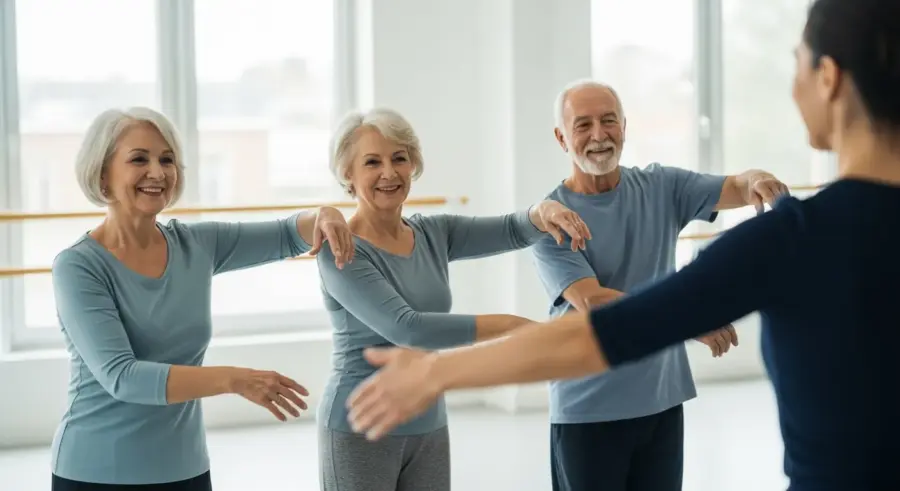
| Ballet for Seniors | A gentle introduction to ballet techniques. | Improves posture, flexibility, and balance; enhances grace and coordination. |
Ballroom dancing is a classic choice for seniors, offering a graceful and elegant way to stay active. Styles like the waltz, foxtrot, and tango are not only beautiful to watch but also provide a great workout for your body and mind.
Line dancing is another popular option, especially for those who enjoy country or pop music. These choreographed dances are performed in lines, making them easy to learn and a great way to socialize with others.
Zumba Gold is a modified version of Zumba that’s specifically designed for older adults. It features low-impact movements and easy-to-follow routines, making it a fun and effective way to improve cardiovascular health and boost your mood.
Chair dancing is a great option for seniors with mobility issues, as it allows you to participate in dance while seated in a chair. This gentle form of exercise can improve circulation, enhance upper body strength, and boost your overall well-being.
Ballet for seniors offers a gentle introduction to ballet techniques, focusing on posture, flexibility, and balance. This graceful form of dance can improve your coordination, enhance your grace, and provide a sense of accomplishment.
Consider trying a Latin dance class, such as salsa or cha-cha, for a fun and energetic workout. These dances are known for their lively rhythms and social atmosphere, making them a great way to improve your cardiovascular health and connect with others.
If you’re looking for a more meditative and mindful form of dance, consider taking a Tai Chi or Qigong class. These ancient Chinese practices combine gentle movements with deep breathing and mental focus, promoting relaxation, balance, and overall well-being.
Tap dancing is another fun and engaging option that can improve your coordination, rhythm, and cardiovascular health. The rhythmic tapping sounds can also be a great way to relieve stress and express your creativity.
Modern dance offers a more expressive and improvisational approach to movement. This style of dance encourages you to explore your creativity and connect with your emotions through movement.
No matter what style of dance you choose, be sure to listen to your body and modify the movements as needed. It’s important to prioritize your safety and comfort and to avoid pushing yourself too hard.
A good instructor will be able to provide modifications and adjustments to accommodate your individual needs and limitations. The goal is to have fun and enjoy the process of moving your body to the music.
What to Wear and Expect in a Dance Class
Preparing for your first senior dance class can be exciting, but it’s helpful to know what to wear and what to expect. The most important thing is to wear comfortable clothing that allows you to move freely.
Avoid anything too tight or restrictive, as you’ll want to be able to stretch and bend without feeling constrained. Choose clothing that makes you feel good and confident.
Footwear is also crucial for a safe and enjoyable dance experience. Opt for shoes that provide good support and traction, but that are also flexible enough to allow you to move your feet easily.
Dance sneakers, ballroom shoes, or even comfortable walking shoes can be a good choice, depending on the style of dance. Avoid shoes with high heels or slippery soles, as these can increase your risk of falling.
In terms of what to expect in a dance class, most classes begin with a warm-up to prepare your muscles for movement. The instructor will then teach you basic steps and combinations, gradually building up to more complex routines.
Don’t worry if you don’t get everything right away; it takes time and practice to learn new dance steps. The focus should be on having fun and enjoying the process of moving your body to the music.
Be prepared to sweat and breathe deeply, as dance is a form of exercise. Bring a water bottle to stay hydrated and a towel to wipe away perspiration.
Most importantly, come with an open mind and a positive attitude. Dance classes are a great way to meet new people, learn new skills, and have fun while staying active.
It’s a good idea to arrive a few minutes early for your first class to get acquainted with the studio and meet the instructor. This will also give you time to ask any questions you may have before the class begins.
Pay attention to the instructor’s cues and instructions, and don’t be afraid to ask for clarification if you’re unsure about something. It’s better to ask questions than to perform the steps incorrectly and risk injury.
Be respectful of your fellow dancers and avoid talking or distracting others during the class. Remember that everyone is there to learn and enjoy themselves.
Don’t compare yourself to others in the class. Everyone learns at their own pace, and it’s important to focus on your own progress and improvement.
Celebrate your successes, no matter how small, and be proud of yourself for taking the initiative to try something new and stay active. Remember that dance is a journey, not a destination.
After the class, take some time to cool down and stretch your muscles. This will help prevent soreness and improve your flexibility. You can also use this time to socialize with your classmates and share your experiences.
Consider keeping a dance journal to track your progress and reflect on your experiences. This can be a great way to stay motivated and to identify areas where you want to improve.
Most importantly, have fun and enjoy the process of learning to dance. Dance is a wonderful way to express yourself, connect with others, and stay active and healthy.
Adaptive Dance for Seniors with Mobility Issues
For seniors with mobility issues, adaptive dance offers a wonderful opportunity to participate in the joy of dance while accommodating physical limitations. Adaptive dance classes are specifically designed to be inclusive and accessible to individuals with a wide range of abilities.
These classes focus on modifying movements and providing support to ensure that everyone can participate safely and comfortably.
- Chair-based exercises
- Modified steps and movements
- Use of props for support
- Individualized attention from instructors
- Focus on enjoyment and self-expression
One common form of adaptive dance is chair dancing, where participants perform dance movements while seated in a chair. This allows individuals with limited mobility to engage in the rhythm and expression of dance without putting excessive strain on their joints.
Adaptive dance instructors are trained to modify steps and movements to suit individual needs. They may use props such as resistance bands or scarves to provide additional support and enhance the dance experience.
Adaptive dance classes often incorporate gentle stretching and range-of-motion exercises to improve flexibility and mobility. These exercises can help to alleviate stiffness and pain, making it easier to move and participate in other activities.
The focus of adaptive dance is not on achieving perfect technique or mastering complex routines. Instead, the emphasis is on creating a supportive and inclusive environment where everyone can feel comfortable expressing themselves through movement.
Adaptive dance can be particularly beneficial for seniors with conditions such as arthritis, Parkinson’s disease, or stroke. The modified movements and supportive environment can help to improve balance, coordination, and overall mobility.
It’s important to communicate your individual needs and limitations to the instructor before participating in an adaptive dance class. This will allow the instructor to provide appropriate modifications and support to ensure that you can participate safely and comfortably.
Adaptive dance can also be a great way to socialize and connect with others who share similar challenges. The shared experience of dancing together can create a sense of community and belonging.
The social interaction and emotional support provided in adaptive dance classes can help to combat feelings of isolation and loneliness, which are common among seniors with mobility issues.
The Joy of Expressing Yourself Through Dance
Dance is more than just a physical activity; it’s a powerful form of self-expression that allows you to connect with your emotions and communicate them through movement. Whether you’re swaying to a slow waltz or grooving to an upbeat salsa, dance provides an outlet for releasing stress, expressing joy, and exploring your creativity.
It’s a chance to let go of inhibitions and simply be present in your body, moving to the rhythm of the music.
As you become more comfortable with dance, you’ll discover new ways to express yourself and connect with others on a deeper level. Dance can be a powerful tool for building confidence, improving self-esteem, and fostering a sense of community.
It’s a way to celebrate your body, your emotions, and your unique individuality. Don’t be afraid to experiment with different styles of dance and find what resonates with you.
There are no right or wrong ways to express yourself through dance; the most important thing is to let your heart guide your movements. Embrace the freedom and joy that dance offers.
Experience the transformative power of moving your body to the music and expressing your true self.
Dance allows you to tap into your inner creativity and explore new ways of moving and expressing yourself. It’s a chance to break free from your everyday routine and discover hidden talents and passions.
The act of moving your body to music can be incredibly liberating and empowering. It allows you to release pent-up emotions and connect with your inner self in a way that words cannot.
Dance can also be a powerful tool for healing and self-discovery. By exploring your emotions through movement, you can gain new insights into yourself and your relationships.
The expressive nature of dance can help you to process difficult emotions and to find a sense of peace and acceptance. It’s a way to connect with your body and your emotions in a safe and supportive environment.
Don’t worry about being perfect or looking like a professional dancer. The most important thing is to have fun and to express yourself authentically. Let go of your inhibitions and allow yourself to move freely and spontaneously.
Embrace the imperfections and celebrate your unique style of movement. Dance is not about perfection; it’s about expressing yourself and connecting with others.
Social Dancing: Connecting with Others
Beyond the physical and emotional benefits, senior dance classes provide a wonderful opportunity to connect with others and build meaningful relationships. Social dancing is a fantastic way to meet new people who share your interests and passions.
It’s a chance to laugh, learn, and grow together in a supportive and encouraging environment.
Many senior dance classes incorporate partner work or group routines, which encourage interaction and collaboration. These activities can help you develop your social skills, build trust, and create lasting friendships.
The shared experience of learning new dance steps and performing together can create a strong sense of camaraderie and belonging. Dance classes also provide a structured social setting where you can interact with others in a fun and engaging way.
This can be especially beneficial for seniors who may be feeling isolated or lonely. By joining a dance class, you’ll have the opportunity to expand your social circle, make new friends, and combat feelings of isolation.
The social connections you make in a dance class can extend beyond the studio, leading to new friendships and social activities outside of class. You might find yourself going out for coffee or lunch with your classmates, attending dance performances together, or even forming your own dance group.
Social dancing provides a safe and supportive environment for seniors to connect with others and build meaningful relationships. The shared experience of learning and dancing together can create a strong bond between participants.
It’s a chance to step outside of your comfort zone and meet new people who share your interests and passions. You might be surprised at the connections you make and the friendships you forge.
Don’t be afraid to strike up conversations with your classmates and to get to know them better. Ask them about their lives, their interests, and their experiences with dance.
You might find that you have more in common than you think. The shared experience of learning and dancing together can create a strong foundation for friendship.
Consider organizing social events outside of class, such as potlucks, movie nights, or dance performances. This can help to strengthen the bonds between classmates and to create a more vibrant and supportive community.
The social connections you make in a dance class can have a profound impact on your overall well-being. They can help to combat feelings of isolation and loneliness, to improve your mood, and to enhance your quality of life.
Conclusion
Senior dance classes offer a wealth of benefits for older adults, encompassing physical, cognitive, emotional, and social well-being. From improving cardiovascular health and balance to boosting cognitive function and fostering social connections, dance is a powerful tool for enhancing your quality of life.
So, put on your dancing shoes and get ready to move to the beat and connect with others!
Embrace the joy of movement and the power of connection that dance offers. It’s a chance to stay active, engaged, and connected to your community.
Don’t let age be a barrier to your enjoyment of dance. There are classes and styles to suit every ability level and interest.
Take the first step and sign up for a senior dance class today. You’ll be amazed at the positive impact it can have on your life.
Remember to consult with your doctor before starting any new exercise program, especially if you have any underlying health conditions.
Listen to your body and modify the movements as needed to avoid injury. The goal is to have fun and to enjoy the process of moving your body to the music.