
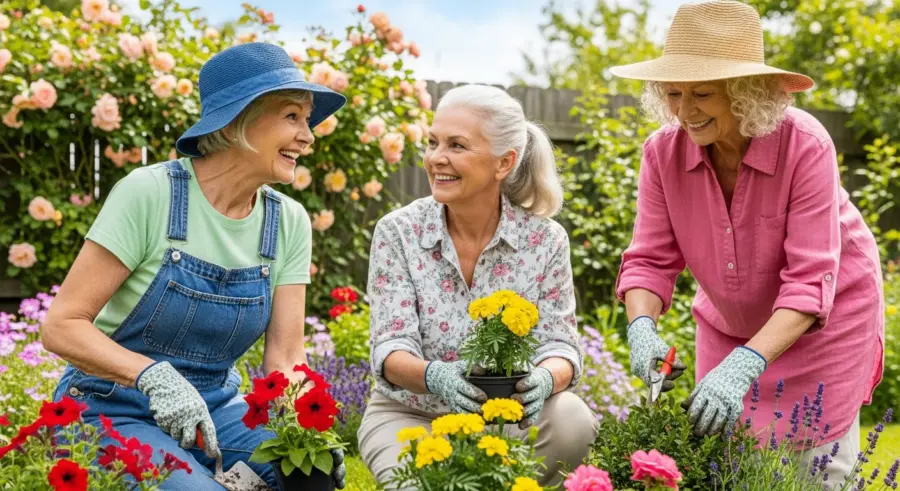
Are you looking for a way to connect with nature, meet new friends, and enjoy the great outdoors? Senior garden clubs might be the perfect fit. These clubs offer a wonderful opportunity to engage in gardening for seniors, share your love of plants, and participate in enjoyable senior outdoor activities.
Whether you’re an experienced gardener or just starting out, senior garden clubs provide a supportive and social environment. It’s a chance to learn new skills, contribute to your community, and experience the many benefits of horticulture clubs.
In this article, we’ll explore the world of senior garden clubs and discover how they can enrich your life. We’ll cover everything from the therapeutic benefits of gardening to finding a club near you and even some gardening tips for seniors with limited mobility.
The Therapeutic Benefits of Gardening for Seniors
Gardening is more than just a hobby, it’s a therapeutic activity that offers a multitude of benefits for seniors. The physical activity involved in gardening, such as digging, planting, and weeding, helps improve strength, flexibility, and balance.
These movements can help maintain mobility and reduce the risk of falls, which is a significant concern for older adults. Working in the garden also provides a gentle form of exercise that can improve cardiovascular health and boost the immune system.
Beyond the physical benefits, gardening is also a powerful stress reliever. Spending time outdoors in nature has been shown to reduce levels of cortisol, the stress hormone, and increase levels of serotonin, a neurotransmitter associated with feelings of well-being.
The act of nurturing plants and watching them grow can be incredibly rewarding and provide a sense of accomplishment. This can be especially beneficial for seniors who may be experiencing feelings of loneliness, isolation, or loss of purpose.
Gardening can also stimulate cognitive function and improve memory. Planning a garden, remembering plant names, and following instructions all require mental engagement, which can help keep the mind sharp and active.
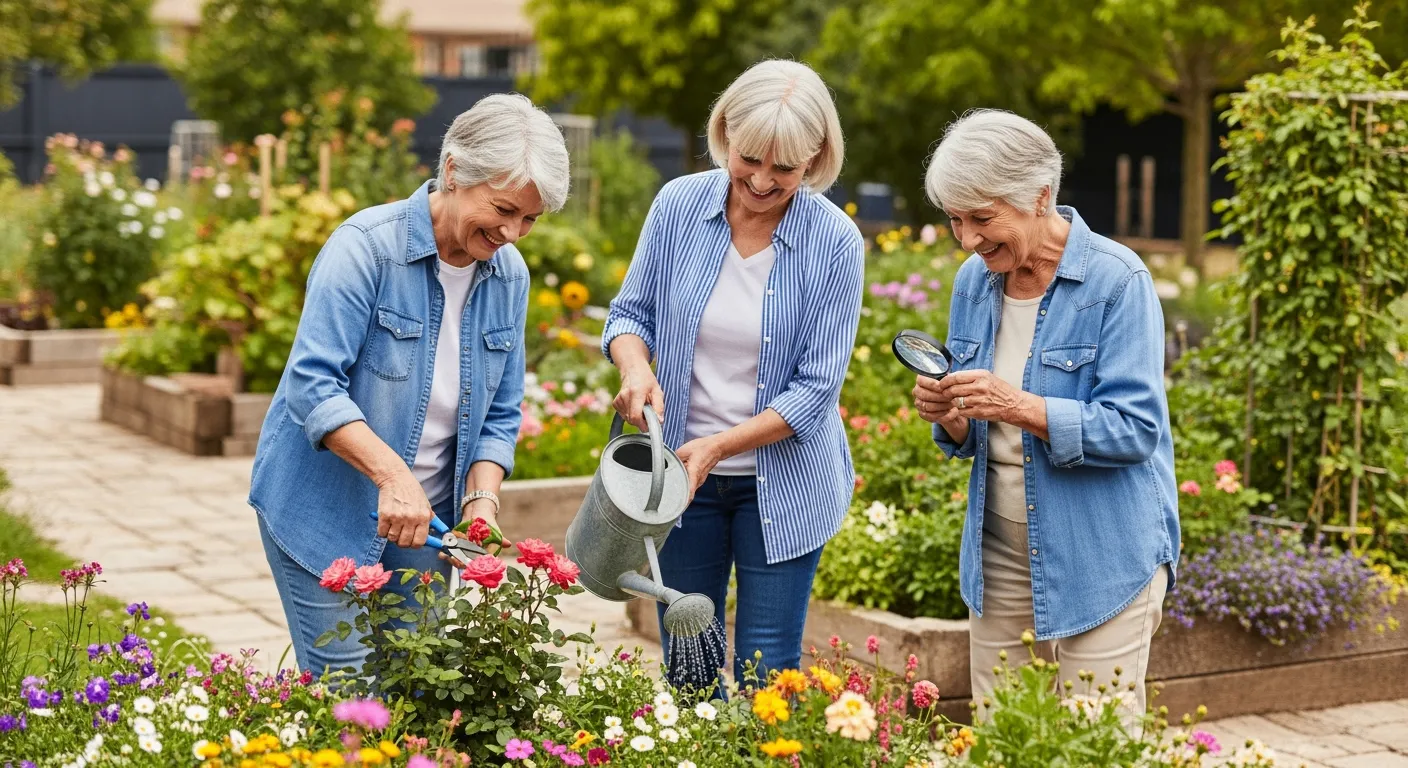
The sensory experience of gardening, such as smelling flowers, feeling the soil, and seeing vibrant colors, can also be incredibly stimulating and therapeutic. These sensory experiences can help reduce anxiety and improve overall mood.
Furthermore, gardening can foster a sense of mindfulness and presence. Focusing on the task at hand, such as planting seeds or watering plants, can help seniors to be more present in the moment and less preoccupied with worries or anxieties. This mindful engagement can be incredibly beneficial for mental well-being.
The sense of accomplishment derived from successfully growing plants can also boost self-esteem and confidence. Seeing the fruits (or vegetables!) of your labor can provide a tangible sense of achievement and pride. This is especially valuable for seniors who may be seeking ways to maintain a sense of purpose and contribution.
Gardening can also be a wonderful way to connect with the past. Many seniors have fond memories of gardening with their parents or grandparents, and engaging in this activity can evoke those cherished memories and feelings of nostalgia. It can also be a way to pass down gardening knowledge and traditions to younger generations.
The social aspect of gardening, particularly within a garden club setting, further enhances its therapeutic benefits. Sharing gardening experiences, tips, and successes with others can foster a sense of community and belonging. This social interaction can combat loneliness and isolation, which are common challenges for seniors.
Moreover, the anticipation and planning involved in gardening can provide a sense of hope and optimism. Looking forward to the blooming of flowers or the harvest of vegetables can be a source of joy and motivation. This forward-looking perspective can be particularly helpful for seniors who may be facing health challenges or other life transitions.
Finally, the connection with nature that gardening provides can be deeply restorative. Studies have shown that spending time in green spaces can lower blood pressure, reduce stress hormones, and improve overall well-being. Gardening allows seniors to immerse themselves in the natural world and reap these numerous benefits.
Finding a Senior Garden Club in Your Area
Finding a senior garden club in your area is easier than you might think. A great place to start your search is by contacting your local senior center or community center.
These organizations often host or have information about gardening programs and clubs specifically designed for seniors. You can also check with your local parks and recreation department, as they may offer gardening classes or have partnerships with local garden clubs.
Another valuable resource is your local library. Libraries often have bulletin boards where local clubs and organizations post information about their meetings and activities.
You can also ask the librarians for assistance in finding gardening resources or local gardening groups. Online searches can also be helpful, but be sure to include your city or region in your search terms to narrow down the results.
Websites like Meetup.com and local community forums can also be great places to find senior garden clubs or gardening groups in your area. Don’t be afraid to reach out to local nurseries and garden centers, as they often have information about local gardening clubs and events.
They may even host their own gardening workshops or have partnerships with local senior centers. Once you’ve identified a few potential clubs, consider attending a meeting or event to see if it’s a good fit for you.
When contacting senior centers and community centers, be sure to ask about the specific activities and focus of their gardening programs. Some clubs may be more focused on vegetable gardening, while others may specialize in flowers or ornamental plants. Understanding the club’s focus will help you determine if it aligns with your interests.
Don’t overlook the power of word-of-mouth. Talk to your friends, neighbors, and acquaintances to see if they know of any senior garden clubs in the area. Personal recommendations can be particularly valuable, as they often come with firsthand insights into the club’s atmosphere and activities.
When searching online, use specific keywords such as “senior garden club [your city]” or “gardening for seniors [your region]”. This will help narrow down your search results and ensure that you’re finding relevant information. Be sure to check the club’s website or social media pages for information about their mission, activities, and membership requirements.
Consider the location and accessibility of the garden club. Choose a club that is conveniently located and easy to access, especially if you have mobility limitations. Check if the meeting location is wheelchair-accessible and if there is ample parking available. A garden that is easily accessible will make it more enjoyable for you to participate.
Before joining a club, inquire about the membership fees and any other associated costs. Some clubs may have annual dues, while others may charge for specific events or workshops. Understanding the financial commitment upfront will help you make an informed decision. Also, ask about any volunteer opportunities within the club.
Finally, trust your instincts when choosing a senior garden club. Attend a few meetings or events as a guest to get a feel for the club’s atmosphere and the personalities of its members. Choose a club where you feel comfortable, welcomed, and supported. The right garden club can provide a sense of community and belonging, enriching your life in countless ways.
Activities and Events in Senior Garden Clubs
Senior garden clubs offer a wide range of activities and events to cater to different interests and skill levels. One of the most common activities is group gardening projects, where members work together to maintain a community garden or beautify a local park.
These projects provide an opportunity to learn from each other, share gardening tips, and contribute to the community. Many clubs also organize gardening workshops and demonstrations, where experts share their knowledge on topics such as composting, pruning, and pest control.
These workshops can be a great way to learn new skills and stay up-to-date on the latest gardening techniques. Seed swaps are another popular activity, where members exchange seeds and plants with each other.
| Activity | Description | Benefits |
|---|---|---|
| Group Gardening | Members work together on a shared garden space. | Teamwork, community contribution, shared learning. |
| Educational Workshops | Experts teach about gardening techniques. | Skill development, knowledge sharing, problem-solving. |
| Seed and Plant Swaps | Members exchange seeds and plants. | Variety, cost-saving, community building. |
| Garden Tours | Visiting local gardens and nurseries. | Inspiration, exposure to new plants, social interaction. |
This is a fantastic way to diversify your garden and try out new varieties without spending a lot of money. Garden tours are also a common event, where members visit local gardens, nurseries, and botanical gardens to admire different plants and get inspiration for their own gardens.
These tours provide a chance to socialize, learn about new plants, and appreciate the beauty of nature. Some clubs also organize gardening competitions and flower shows, where members can showcase their gardening skills and compete for prizes.
Beyond the core activities, many senior garden clubs also organize social events such as potlucks, picnics, and holiday gatherings. These events provide an opportunity for members to socialize and build relationships outside of the garden setting. They can also be a great way to celebrate the successes of the gardening season and share gardening-related recipes and traditions.
Some garden clubs also participate in community outreach programs, such as planting trees in local parks or creating gardens for schools or nursing homes. These programs provide an opportunity for members to give back to the community and share their love of gardening with others. They can also be a great way to educate the public about the benefits of gardening and promote environmental stewardship.
Many clubs also host guest speakers who are experts in various aspects of gardening, such as organic gardening, native plants, or water conservation. These presentations can provide valuable information and insights that can help members improve their gardening skills and knowledge. They can also be a great way to learn about new trends and innovations in the gardening world.
In addition to organized activities, senior garden clubs often provide informal opportunities for members to connect and share their gardening experiences. This can include sharing tips and advice, swapping plants and seeds, or simply chatting about their gardens over coffee. These informal interactions can be just as valuable as the organized activities, as they provide a sense of community and support.
Some clubs also organize field trips to local farms, orchards, or wineries. These trips can provide an opportunity to learn about different aspects of agriculture and food production. They can also be a fun and educational way to explore the local area and support local businesses. Such excursions often combine the joy of gardening with the appreciation of locally sourced food and beverages.
Finally, many senior garden clubs have a lending library of gardening books, magazines, and videos. This can be a valuable resource for members who are looking to learn more about specific gardening topics or techniques. The library can also be a great way to discover new plants and gardening ideas.
Gardening Tips for Seniors with Limited Mobility
Gardening can be enjoyed by people of all abilities, including seniors with limited mobility. There are many adaptive gardening techniques and tools that can make gardening more accessible and comfortable. Raised garden beds are a great option for seniors who have difficulty bending or kneeling.
These beds can be built to a height that is comfortable for you to work at, reducing strain on your back and knees. Container gardening is another excellent option, as it allows you to grow plants in pots, hanging baskets, or other containers that can be placed on tables or stands.
This eliminates the need to bend over or kneel down to tend to your plants. Adaptive gardening tools, such as long-handled tools, ergonomic hand tools, and padded kneelers, can also make gardening easier and more comfortable.
Long-handled tools allow you to reach plants without bending over, while ergonomic hand tools are designed to reduce strain on your wrists and hands. Padded kneelers provide a comfortable surface to kneel on while gardening.
Consider using lightweight pots and soil mixes to make it easier to move your plants around. You can also use a garden cart or wheelbarrow to transport heavy items, such as soil, compost, and tools.
Don’t be afraid to ask for help from friends, family, or fellow garden club members. Many hands make light work, and gardening is always more fun when you’re doing it with others.
When designing your garden, consider incorporating pathways that are wide and smooth to accommodate wheelchairs or walkers. These pathways should be made of a firm, stable material such as concrete or compacted gravel. Avoid using loose materials such as mulch or bark, as these can be difficult to navigate.
Consider using self-watering containers or drip irrigation systems to reduce the amount of watering you need to do. These systems can help keep your plants hydrated without requiring you to carry heavy watering cans. They can also save you time and effort, allowing you to focus on other aspects of gardening.
Choose plants that are easy to care for and require minimal maintenance. Some good options include succulents, herbs, and native plants. These plants are typically drought-tolerant and pest-resistant, requiring less watering and pruning. They can also be a great way to attract pollinators to your garden.
Use a gardening apron with pockets to keep your tools and supplies close at hand. This will eliminate the need to constantly bend over or reach for your tools. A gardening apron can also protect your clothes from dirt and stains.
Take frequent breaks and listen to your body. Gardening should be enjoyable, not painful. If you start to feel tired or sore, take a break and rest. Don’t push yourself too hard, especially on hot or humid days.
Consider using a gardening stool or chair to sit while you work. This can help reduce strain on your back and knees. Choose a stool or chair that is comfortable and sturdy, and that is the right height for your garden beds or containers. A rolling stool can also be helpful for moving around the garden.
Sharing Your Harvest and Gardening Knowledge
One of the most rewarding aspects of gardening is sharing your harvest with others. Whether you’re growing vegetables, fruits, or flowers, sharing your bounty can bring joy to your friends, family, and community.
Consider donating your excess produce to a local food bank or homeless shelter. Many food banks are always in need of fresh produce, and your donation can make a big difference in the lives of those who are struggling with food insecurity.
- Donate excess produce to local food banks
- Share your harvest with neighbors and friends
- Offer gardening tips and advice to beginners
- Host a garden tour for your community
- Volunteer at community gardening events
You can also share your harvest with your neighbors, friends, and family. A simple gesture of giving someone a homegrown tomato or a bouquet of flowers can brighten their day and strengthen your relationships. Another way to share your love of gardening is by sharing your knowledge and expertise with others.
Offer gardening tips and advice to beginners, or volunteer to lead a gardening workshop at your local senior center or community center. You can also write articles or blog posts about your gardening experiences and share them online.
Organize a “garden to table” event where you prepare a meal using ingredients from your garden and invite friends and neighbors to share it with you. This is a great way to showcase the flavors of your harvest and share your culinary skills. It also provides an opportunity to educate others about the benefits of eating locally grown food.
Create a seed library or seed-sharing program in your community. This can be a great way to preserve heirloom varieties and promote biodiversity. It also allows gardeners to exchange seeds and learn from each other. You can partner with your local library or community center to host the seed library.
Volunteer at a school garden or youth gardening program. This is a great way to share your love of gardening with the next generation. You can help children learn about plants, soil, and the importance of healthy eating. It’s also a rewarding way to give back to your community.
Offer to mentor a new gardener. Share your knowledge and experience with someone who is just starting out. This can be a very rewarding experience for both of you. You can provide guidance, encouragement, and support as they learn the ropes of gardening.
Write a gardening column for your local newspaper or community newsletter. Share your tips, advice, and experiences with a wider audience. This is a great way to educate people about gardening and inspire them to get involved. You can also use the column to promote local gardening events and organizations.
Host a garden open house or tour. Invite people to come and see your garden and learn about your gardening techniques. This is a great way to share your passion for gardening and inspire others to create their own beautiful spaces. You can also use the event to raise money for a local charity or gardening organization.
The Joy of Connecting with Nature and Others
Senior garden clubs provide a unique opportunity to connect with nature and with others who share your passion for gardening. Spending time outdoors in nature has been shown to have numerous physical and mental health benefits.
It can reduce stress, improve mood, and boost the immune system. Gardening also provides a sense of purpose and accomplishment, which can be especially important for seniors who may be experiencing feelings of loneliness or isolation.
Being part of a senior garden club allows you to connect with like-minded individuals who share your love of plants and the outdoors. These connections can lead to lasting friendships and a strong sense of community.
Sharing gardening tips, swapping plants, and working together on gardening projects can create a bond that transcends age and background. Senior garden clubs also provide a platform for social interaction and engagement.
Attending meetings, workshops, and garden tours gives you the opportunity to socialize with others, learn new things, and participate in meaningful activities. These social interactions can help combat loneliness and improve overall quality of life.
The sense of belonging and camaraderie that comes from being part of a senior garden club can be incredibly rewarding. It’s a chance to share your passion, make new friends, and enjoy the many benefits of gardening in a supportive and social environment.
The act of nurturing plants can be a deeply satisfying and grounding experience. Watching seeds sprout and grow into mature plants can instill a sense of wonder and appreciation for the natural world. This connection with nature can be especially important in today’s fast-paced and technology-driven world.
Senior garden clubs provide a safe and supportive environment for seniors to learn new skills and share their knowledge with others. Whether you’re a seasoned gardener or a complete beginner, you’ll find plenty of opportunities to learn and grow in a garden club setting. You can also share your own expertise and inspire others to get involved in gardening.
The physical activity involved in gardening can help seniors stay active and maintain their physical health. Gardening is a gentle form of exercise that can improve strength, flexibility, and balance. It can also help reduce the risk of chronic diseases such as heart disease, diabetes, and osteoporosis.
Gardening can be a great way to relieve stress and improve mental well-being. Spending time outdoors in nature has been shown to reduce stress hormones and increase levels of serotonin, a neurotransmitter associated with feelings of happiness and well-being. The act of gardening can also be a meditative and calming experience.
Senior garden clubs provide a sense of purpose and community for seniors. Many seniors find that gardening gives them a sense of purpose and accomplishment. It also provides an opportunity to connect with others who share their interests and values. This sense of community can be especially important for seniors who may be feeling isolated or lonely.
Ultimately, senior garden clubs offer a holistic approach to well-being, encompassing physical, mental, and social benefits. They provide a space for seniors to connect with nature, engage in meaningful activities, and build lasting friendships. These clubs are a valuable resource for seniors looking to enrich their lives and stay active and engaged in their communities.
Conclusion
Senior garden clubs offer a wonderful way to stay active, engaged, and connected with nature and others. From the therapeutic benefits of gardening to the joy of sharing your harvest, these clubs provide a multitude of opportunities for seniors to enrich their lives.
Whether you’re an experienced gardener or just starting out, consider joining a senior garden club in your area. You might find the perfect place to grow friendships and beautiful gardens.
The benefits of joining a senior garden club extend far beyond just gardening. It’s an investment in your overall well-being, offering opportunities for physical activity, mental stimulation, and social connection. So, take the leap and discover the joys of senior garden clubs – your mind, body, and soul will thank you for it.