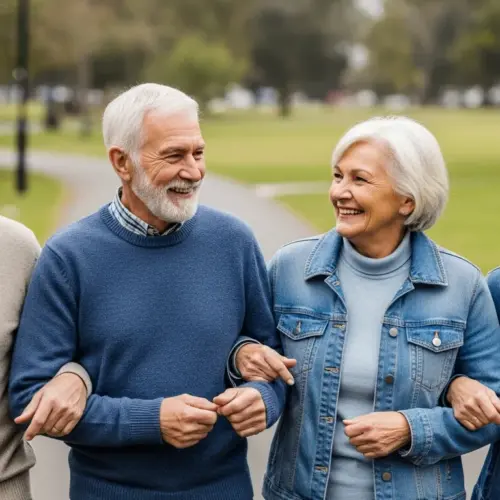

In today’s fast-paced world, the wisdom and experiences of seniors are often overlooked. However, there’s a growing recognition of the value that senior intergenerational programs bring to both older adults and younger generations.
These programs create opportunities for meaningful connections, shared learning, and mutual respect. Senior intergenerational programs offer a unique platform for bridging the generation gap and fostering a sense of community that benefits everyone involved.
By participating in senior youth programs, seniors can share their life stories, skills, and knowledge. At the same time, younger individuals can gain valuable insights, learn from the past, and develop a deeper understanding of aging.
The Importance of Intergenerational Connections
Intergenerational connections are essential for creating a more inclusive and supportive society. When generations come together, they can break down stereotypes, challenge ageism, and build empathy.
These connections also help to combat social isolation, which is a significant concern for many seniors. By engaging with younger people, seniors can experience a renewed sense of purpose, belonging, and vitality.
Furthermore, intergenerational interactions provide valuable learning opportunities for both age groups. Seniors can learn about new technologies, trends, and perspectives from youth, while youth can gain historical context, practical skills, and emotional support from seniors.
These exchanges create a rich tapestry of shared experiences that enhance personal growth and community cohesion. Connecting generations is not just a feel-good activity; it’s a strategic approach to building stronger, more resilient communities.
Intergenerational programs also promote a sense of civic responsibility. Both seniors and youth can contribute to their communities in meaningful ways, fostering a sense of shared purpose and collective action.
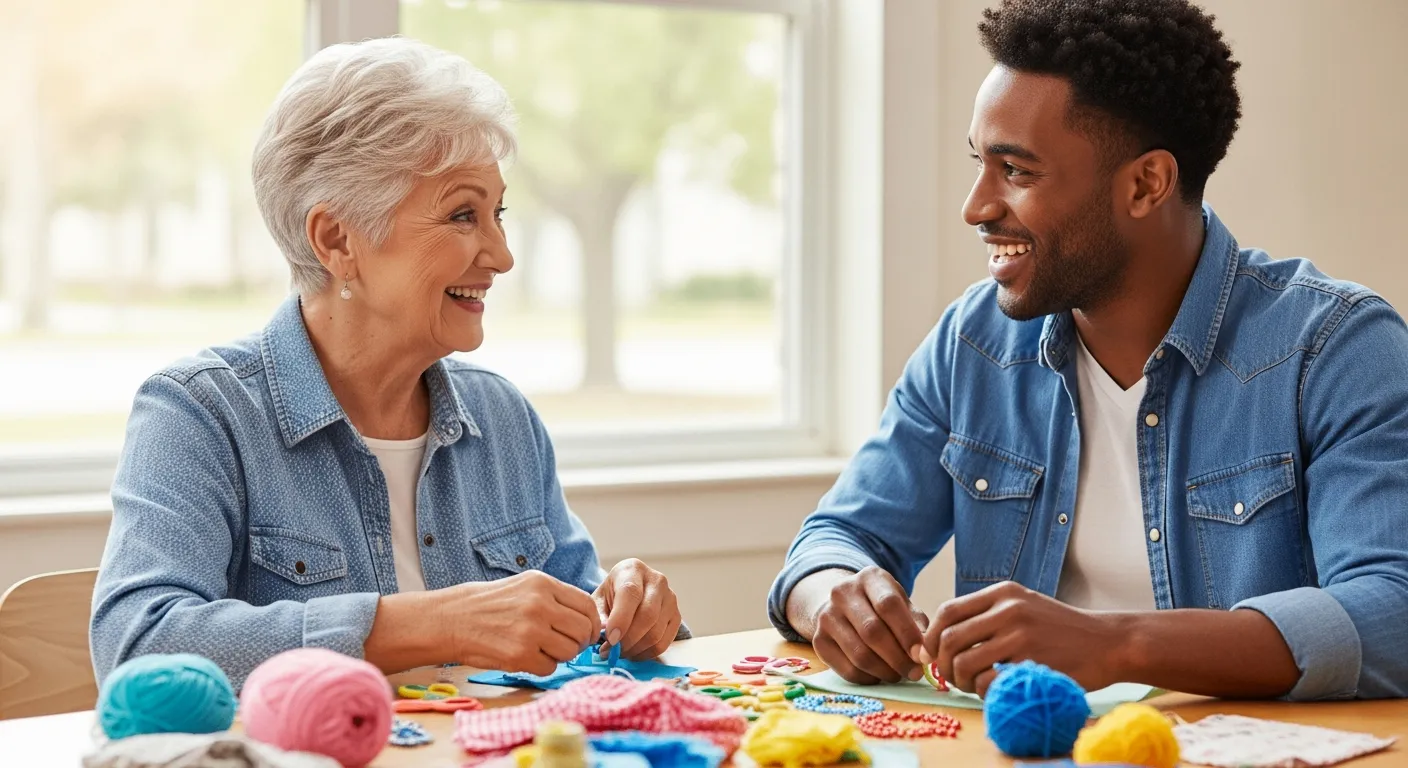
These programs can also address critical social issues, such as poverty, education, and environmental sustainability. By working together, different generations can bring unique perspectives and skills to these challenges, leading to more innovative and effective solutions.
Moreover, intergenerational connections can strengthen families and communities. When seniors have strong relationships with younger people, they are more likely to feel supported and connected to their families and communities.
This can lead to improved mental and physical health outcomes, as well as a greater sense of belonging and purpose. Similarly, youth who have strong relationships with seniors are more likely to develop positive values, build resilience, and succeed in school and life.
Building these connections requires intentional effort and a commitment to creating inclusive and welcoming spaces. It also requires addressing systemic barriers that prevent different generations from interacting with one another.
These barriers might include transportation challenges, language differences, or cultural misunderstandings. By working to overcome these barriers, we can create a more equitable and just society where all generations can thrive.
Types of Intergenerational Programs
Senior intergenerational programs come in many different forms, each designed to meet the specific needs and interests of the participants. Some programs focus on educational activities, such as tutoring, mentoring, or shared learning experiences.
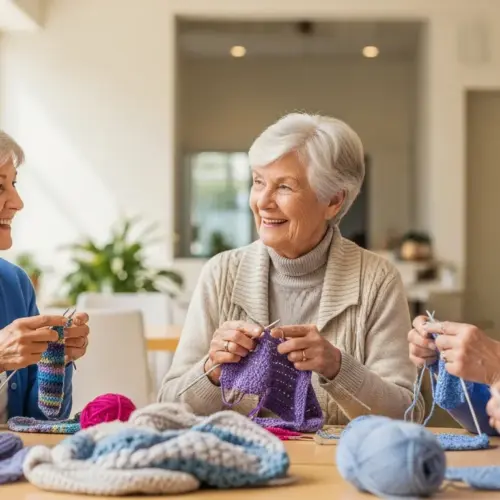
Others emphasize recreational activities, such as arts and crafts, music, or games. The key is to create a welcoming and inclusive environment where everyone feels comfortable participating.
One common type of program involves seniors volunteering in schools or youth centers. These volunteers might read to children, help with homework, or share their expertise in a particular subject.
Another popular approach is to organize joint activities between senior centers and youth organizations. These might include field trips, community service projects, or cultural events.
Technology-based programs are also emerging, connecting seniors and youth through online platforms for virtual mentoring, shared learning, and social interaction. These programs can be particularly beneficial for individuals who are geographically isolated or have limited mobility.
Another innovative approach involves intergenerational housing, where seniors and youth live in the same residential community. This can create opportunities for spontaneous interactions and the development of close relationships.
Intergenerational programs can also be tailored to specific populations, such as seniors with dementia or youth with disabilities. These programs may require specialized training and support to ensure that all participants can benefit.
Regardless of the specific format, successful intergenerational programs share several key characteristics. These include careful planning, clear goals, strong leadership, and ongoing evaluation.
It’s also important to involve participants in the design and implementation of the program to ensure that it meets their needs and interests. By creating a collaborative and inclusive environment, intergenerational programs can foster meaningful connections and lasting positive change.
Furthermore, some programs focus on skill-sharing, where seniors teach traditional crafts or life skills to younger generations, and youth share their technological expertise with seniors. This mutual exchange of knowledge and skills fosters respect and appreciation between generations.
There are also intergenerational programs centered around oral history projects, where youth interview seniors to document their life stories and experiences. This not only preserves valuable historical information but also creates a powerful connection between the interviewer and interviewee.
Finding Intergenerational Programs in Your Community
Finding senior intergenerational programs in your community may take some effort. Start by checking with local senior centers, community centers, and schools.
These organizations often have existing programs or can connect you with resources in your area. Don’t hesitate to reach out and inquire about opportunities for intergenerational engagement.
| Organization | Program Type | Target Audience |
|---|---|---|
| Local Senior Center | Arts & Crafts, Storytelling | Seniors & Children |
| Community YMCA | Fitness Classes, Mentoring | Seniors & Teens |
| Elementary School | Tutoring, Reading Programs | Seniors & Students |
| Public Library | Book Clubs, Tech Workshops | Seniors & Adults |
You can also explore online resources, such as the website for the national Generations United organization. This website offers a directory of intergenerational programs and resources across the United States.
Another valuable resource is your local Area Agency on Aging, which can provide information about programs and services for seniors in your community. They often have a comprehensive list of intergenerational activities and can connect you with organizations that offer them.
You can also check with local colleges and universities, as many have programs that connect students with seniors for research projects, volunteer opportunities, or social events. These partnerships can be a great way to get involved in intergenerational activities and learn from different perspectives.
Furthermore, consider reaching out to faith-based organizations in your community, as many churches, synagogues, and mosques offer intergenerational programs and activities. These programs often focus on community service, social events, and spiritual enrichment.
Don’t overlook the power of social media and online forums to find intergenerational programs in your area. Many organizations use social media to promote their programs and connect with potential participants.
You can also join online forums and groups dedicated to intergenerational activities to learn about new opportunities and connect with other people who are interested in building bridges between generations. By exploring all of these resources, you can find the perfect intergenerational program to fit your interests and needs.
The Benefits for Seniors and Youth
The benefits of senior intergenerational programs are numerous and well-documented. For seniors, these programs can improve mental and physical health, reduce social isolation, and increase feelings of self-worth.
Participating in meaningful activities with youth can provide seniors with a sense of purpose and a renewed zest for life. The positive impact on youth is equally profound.
Youth who participate in intergenerational programs often show improved academic performance, increased empathy, and a greater understanding of aging. They also develop stronger social skills and a broader perspective on the world.
Moreover, these programs can help to reduce risky behaviors among youth and promote positive youth development. By connecting with caring adults, youth can build resilience and develop a stronger sense of identity.
Seniors often report feeling more connected to their communities and less lonely after participating in intergenerational programs. They also experience cognitive benefits from engaging in stimulating activities with younger people.
Youth gain valuable life skills, such as communication, problem-solving, and teamwork, through their interactions with seniors. They also learn about history and culture from a firsthand perspective.
Intergenerational programs can also bridge cultural gaps and promote understanding between different ethnic and racial groups. By working together on common projects, seniors and youth can learn to appreciate each other’s unique perspectives and experiences.
Furthermore, these programs can challenge ageist stereotypes and promote a more positive view of aging. Youth who interact with active and engaged seniors are less likely to hold negative stereotypes about older adults.
The benefits extend beyond the individual participants to the community as a whole. Intergenerational programs can strengthen social cohesion, promote civic engagement, and create a more caring and supportive environment for all residents.
Participating in Intergenerational Activities
Getting involved in intergenerational activities is easier than you might think. Many senior centers and community organizations offer a variety of programs that welcome both seniors and youth.
These activities might include arts and crafts workshops, book clubs, or community service projects. The most important thing is to find an activity that sparks your interest and allows you to connect with others.
- Volunteer at a local school
- Join a senior-youth mentoring program
- Participate in intergenerational arts and crafts
- Attend community events together
- Share life stories and experiences
If you’re a senior, consider sharing your skills and knowledge with younger people. You might offer to teach a class, mentor a student, or simply share your life experiences.
If you’re a young person, be open to learning from the wisdom and experience of seniors. Ask questions, listen attentively, and show respect for their perspectives.
Consider starting your own intergenerational activity by organizing a community event or partnering with a local organization. You could host a storytelling session, a skill-sharing workshop, or a community cleanup project.
Remember that even small interactions can have a big impact. A simple conversation with a senior or a helping hand offered to a young person can make a difference in their life.
Be patient and persistent in your efforts to connect with other generations. Building meaningful relationships takes time and effort, but the rewards are well worth it.
Don’t be afraid to step outside of your comfort zone and try new things. You might discover a hidden talent or a new passion through your participation in intergenerational activities.
Building Meaningful Relationships Across Generations
The key to successful senior intergenerational programs is building meaningful relationships. This requires creating a safe and supportive environment where everyone feels valued and respected.
It also involves fostering open communication and encouraging participants to share their thoughts and experiences. Remember, building relationships takes time and effort.
Don’t be discouraged if you don’t immediately click with everyone you meet. The most important thing is to be open to new experiences and willing to learn from others.
By investing in these relationships, you can create lasting bonds that enrich your life and the lives of those around you. These connections can be a source of joy, support, and inspiration for both seniors and youth.
Active listening is crucial in fostering intergenerational understanding. Taking the time to truly hear and understand someone’s perspective, regardless of their age, can help bridge the generation gap.
Sharing personal stories and experiences can create a sense of connection and empathy. It allows individuals to learn from each other’s successes and failures, and to appreciate the diversity of human experience.
Finding common interests and activities can provide a foundation for building relationships. Whether it’s a shared love of gardening, music, or sports, finding common ground can help break down barriers and foster a sense of camaraderie.
Showing respect and appreciation for each other’s contributions is essential. Acknowledging the value that each generation brings to the table can create a more positive and supportive environment.
Being patient and understanding is key, as different generations may have different communication styles and perspectives. Taking the time to understand these differences can help avoid misunderstandings and foster more meaningful connections.
Overcoming Challenges in Intergenerational Programs
While senior intergenerational programs offer numerous benefits, they also present some challenges. One common challenge is addressing ageism and stereotypes.
It’s important to create a culture of respect and understanding, where participants can challenge their own biases and learn from one another. Another challenge is accommodating different communication styles and learning preferences.
Seniors and youth may have different ways of expressing themselves and processing information. Being patient and flexible is essential. The key is to find common ground and focus on shared goals.
Addressing these challenges requires careful planning, open communication, and a commitment to inclusivity. When programs are designed with these considerations in mind, they can create a truly transformative experience for all involved.
Logistical challenges, such as transportation and scheduling conflicts, can also hinder participation in intergenerational programs. It’s important to address these barriers by providing transportation assistance, offering flexible scheduling options, and holding activities in accessible locations.
Funding limitations can also pose a significant challenge to the sustainability of intergenerational programs. Seeking grants, fundraising, and partnering with local businesses can help secure the financial resources needed to support these programs.
Recruiting and retaining participants can be another challenge, as both seniors and youth may have competing demands on their time. Promoting the benefits of intergenerational programs and creating engaging activities can help attract and retain participants.
Cultural differences and language barriers can also create challenges in intergenerational programs. Providing cultural sensitivity training and offering language support can help bridge these gaps and promote understanding.
Addressing these challenges requires a collaborative effort from program staff, participants, and community partners. By working together, we can create intergenerational programs that are inclusive, accessible, and sustainable.
Creating Your Own Intergenerational Program
If you’re passionate about connecting generations, consider creating your own intergenerational program. Start by identifying a need in your community.
Are there seniors who are isolated and lonely? Are there youth who lack positive role models? Once you’ve identified a need, brainstorm ideas for activities that could address it.
Consider partnering with local organizations, such as senior centers, schools, or community centers. These partnerships can provide access to resources, expertise, and potential participants. Remember, starting a program takes time and effort.
Don’t be afraid to start small and build from there. The most important thing is to create a program that is meaningful, engaging, and sustainable.
Develop a clear mission statement and goals for your program. This will help guide your planning and ensure that your activities are aligned with your overall objectives.
Create a detailed budget and identify potential funding sources. This will help you ensure that your program is financially sustainable and that you have the resources needed to implement your activities.
Recruit and train volunteers to help you run your program. Volunteers can provide valuable support and expertise, and they can also help you reach a wider audience.
Evaluate your program regularly to assess its impact and identify areas for improvement. This will help you ensure that your program is meeting its goals and that it is making a positive difference in the lives of participants.
Celebrate your successes and share your stories with others. This will help raise awareness of the importance of intergenerational programs and inspire others to get involved.
The Future of Intergenerational Programs
As our population ages, the need for senior intergenerational programs will only continue to grow. These programs offer a powerful way to address social isolation, promote positive aging, and build stronger communities.
By investing in intergenerational connections, we can create a more inclusive and supportive society for all. The future of intergenerational programs is bright, with increasing recognition of their value and impact.
As technology continues to evolve, new opportunities for intergenerational engagement will emerge. Online platforms can connect seniors and youth from different geographic locations, allowing them to share their stories, skills, and knowledge.
These virtual connections can supplement in-person interactions and create a more comprehensive intergenerational experience. By embracing innovation and collaboration, we can ensure that intergenerational programs continue to thrive and make a positive difference in the lives of seniors and youth alike.
Increased awareness and advocacy will play a crucial role in expanding the reach and impact of intergenerational programs. By educating policymakers, community leaders, and the general public about the benefits of these programs, we can secure the resources and support needed to sustain and grow them.
Research and evaluation will continue to be essential for demonstrating the effectiveness of intergenerational programs. By conducting rigorous studies, we can gather evidence-based data to inform program design, improve outcomes, and advocate for increased funding.
Collaboration and partnerships will be key to creating a comprehensive network of intergenerational programs. By working together, organizations from different sectors can leverage their resources and expertise to create more impactful and sustainable programs.
Empowering youth to become leaders in intergenerational initiatives will be crucial for ensuring the long-term success of these programs. By providing youth with opportunities to design, implement, and evaluate intergenerational activities, we can foster their leadership skills and create a more youth-driven movement.
The future of intergenerational programs is one of innovation, collaboration, and empowerment. By embracing these principles, we can create a society where all generations thrive and benefit from each other’s wisdom and experience.
Conclusion
Senior intergenerational programs are a valuable resource for building stronger, more connected communities. By bringing together seniors and youth, these programs create opportunities for shared learning, mutual respect, and lasting friendships.
Whether you’re a senior looking to share your wisdom or a young person eager to learn from the past, there’s an intergenerational program out there for you. Embrace the opportunity to connect with others and make a positive difference in the world.
The benefits of intergenerational programs extend far beyond the individual participants. They strengthen families, build communities, and create a more inclusive and equitable society for all.
By investing in intergenerational connections, we can create a brighter future for generations to come. Let’s work together to build bridges between generations and create a world where everyone can thrive.