Retirement opens up a world of possibilities, offering the time and freedom to explore interests you never had time for before. Joining senior hobby groups is a fantastic way to enrich your life during this chapter. It’s an opportunity to share your passions, learn new skills, and form lasting friendships.
These groups provide a supportive environment where you can connect with like-minded individuals. You’ll discover the joy of shared activities and the satisfaction of creating something together. Senior hobby groups are more than just pastimes; they are communities that foster engagement, learning, and social well-being.
Whether you’re an experienced artist, a budding gardener, or simply curious about a new activity, there’s a group out there for you. Dive into the world of senior hobby groups and unlock a fulfilling and connected retirement. It is a great way to stay active and engaged.
The Benefits of Pursuing Hobbies in Retirement
Retirement is a time for relaxation, but it’s also a chance to pursue activities that bring you joy and fulfillment. Engaging in hobbies offers numerous benefits for seniors, enhancing both physical and mental health. It is a great way to stay sharp and have fun.
Hobbies provide a sense of purpose and accomplishment, combating feelings of boredom or isolation. They keep your mind active and engaged, which can help maintain cognitive function. This is especially important as we age.
Hobbies also offer opportunities for social interaction and connection. Joining a senior hobby group allows you to meet new people who share your interests. This can lead to meaningful friendships and a stronger sense of community.
Furthermore, hobbies can reduce stress and improve overall well-being. Engaging in activities you enjoy releases endorphins, which have mood-boosting effects. Whether it’s painting, gardening, or playing music, hobbies provide a healthy outlet for self-expression and relaxation.
The benefits extend beyond just feeling good in the moment. Consistent engagement in hobbies can contribute to a more positive outlook on life. It can also provide a sense of structure and routine, which can be particularly helpful during the transition to retirement.
Moreover, hobbies can improve physical health. Active hobbies like gardening, dancing, or walking can help maintain physical fitness and mobility. This is important for preventing age-related health issues.
Hobbies can also foster creativity and innovation. Whether you’re writing a book, building a model, or designing a garden, hobbies allow you to express your unique talents and ideas. This can be incredibly rewarding and can help you feel more fulfilled.
Don’t underestimate the power of hobbies to enhance your overall quality of life in retirement. They provide a sense of purpose, connection, and joy, contributing to a happier and healthier you. It is a worthwhile investment in your well-being.
Types of Hobby Groups for Seniors
The world of senior hobby groups is incredibly diverse, offering something for everyone. From creative arts to outdoor adventures, there’s a group to match every interest and skill level. It is a chance to discover new things.
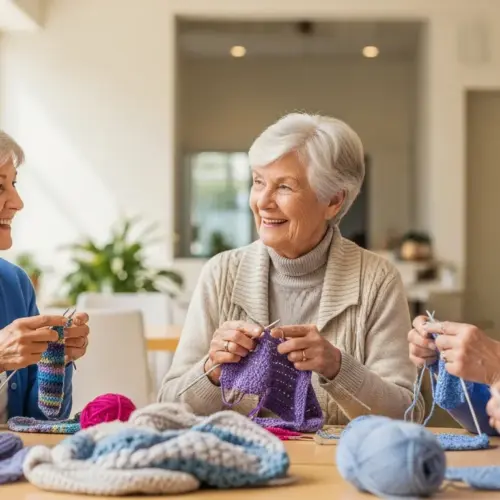
Senior crafting groups are a popular choice, encompassing activities like knitting, sewing, and jewelry making. These groups provide a space to learn new techniques, share tips, and create beautiful handmade items. Many of these creations can be donated or gifted.
Book clubs are another great option for seniors who love to read and discuss literature. These groups typically meet regularly to discuss a chosen book, offering intellectual stimulation and social interaction. It is a great way to expand your mind.
For those who enjoy the outdoors, there are gardening clubs, walking groups, and bird-watching societies. These activity groups elderly provide opportunities to stay active, enjoy nature, and learn about the environment. There are many ways to stay engaged and feel good.
If you have a passion for music, consider joining a senior choir, band, or orchestra. These groups offer a chance to express your musical talents, learn new pieces, and perform for audiences. It is a great way to share your love of music.
For those interested in games and puzzles, there are bridge clubs, chess clubs, and mahjong groups. These groups provide opportunities for friendly competition, strategic thinking, and social interaction. It is a great way to challenge your mind.
If you’re interested in history or genealogy, consider joining a local historical society or genealogy club. These groups offer opportunities to research your family history, learn about local history, and share your findings with others. It is a great way to connect with the past.
Don’t limit yourself to traditional hobbies. There are also groups for more niche interests, such as photography, woodworking, and even drone flying. Explore your options and find a group that sparks your curiosity. It is a chance to try something new.
Finding Hobby Groups in Your Community
Locating senior hobby groups in your area is easier than you might think. Many communities offer a variety of resources to help you connect with like-minded individuals. Start by checking with your local senior center or community center.
These centers often host a range of hobby groups, from art classes to card games. You can also explore online resources such as community bulletin boards and social media groups. These platforms can connect you with hobby clubs for seniors in your area.
| Resource | Description | Contact Information |
|---|---|---|
| Senior Centers | Offer a variety of hobby groups and activities for seniors. | Check your local senior center’s website or call their office. |
| Community Centers | Host classes, workshops, and clubs for all ages, including seniors. | Visit your local community center’s website or call their office. |
| Libraries | Often have book clubs, writing groups, and other literary activities. | Check your local library’s event calendar or ask a librarian. |
| Online Forums | Websites and social media groups dedicated to hobbies and senior activities. | Search online for hobby-specific forums or Facebook groups. |
Don’t forget to ask friends, neighbors, and family members if they know of any local hobby groups. Word-of-mouth can be a valuable way to discover hidden gems in your community. It is a great way to get connected.
Local churches and religious organizations often host hobby groups as well. Check their bulletins or websites for information on upcoming events and activities. It is a great way to connect with your faith community.
Consider checking with local colleges or universities. Many offer continuing education courses and programs for seniors, including hobby-related classes. It is a great way to learn from experts and connect with other learners.
If you’re looking for a specific type of hobby group, try searching online for national organizations or associations related to that hobby. They may have local chapters or affiliates in your area. It is a great way to find specialized groups.
Be proactive in your search and don’t be afraid to reach out to different organizations and groups. Networking and asking questions can help you find the perfect fit for your interests and needs. It is a chance to be resourceful and persistent.
Starting Your Own Hobby Group
If you can’t find a senior hobby group that perfectly matches your interests, consider starting your own. This can be a rewarding way to share your passion with others and create a community around your favorite activity. It is a chance to lead and inspire.
Start by identifying a few friends or acquaintances who share your interest. Gauge their interest in forming a group and discuss potential meeting times and locations. A local library or community center might be willing to provide space for your group to meet.
Next, create a simple plan for your group’s activities. Decide on a format for your meetings, whether it’s a structured class, an informal gathering, or a combination of both. Consider inviting guest speakers or organizing field trips to add variety and excitement.
Finally, promote your group through local channels such as community bulletin boards, senior centers, and social media. Spread the word and invite new members to join your growing community of hobby enthusiasts. It is a great way to build connections.
Consider creating a simple website or social media page for your group to share information and updates. This can help attract new members and keep existing members informed. It is a great way to stay organized and connected.
Don’t be afraid to start small and grow gradually. You can always add more activities and events as your group gains momentum. The most important thing is to create a welcoming and inclusive environment for all members. It is a chance to build a community.
Be open to feedback and suggestions from your members. This can help you tailor the group’s activities to their interests and needs. It is a great way to ensure that everyone feels valued and engaged. It is a chance to be responsive and collaborative.
Starting your own hobby group can be a challenging but incredibly rewarding experience. It’s a chance to share your passion, build a community, and make a positive impact on the lives of others. It is a great way to give back and connect.
Sharing Your Skills and Knowledge with Others
One of the most rewarding aspects of joining a senior hobby group is the opportunity to share your skills and knowledge with others. Whether you’re an expert knitter, a seasoned gardener, or a history buff, your experience is valuable. It is a chance to give back and teach.
Consider offering workshops or demonstrations to teach others your craft. Share your tips and tricks, and encourage others to learn from your expertise. Mentoring others can be incredibly fulfilling and can help you deepen your own understanding of the subject.
Volunteering to lead a session or teach a class is a wonderful way to give back to the community. It also helps to keep your mind sharp and your skills relevant. It is a great way to stay active and connected.
Even if you don’t consider yourself an expert, you can still contribute by sharing your enthusiasm and passion for the hobby. Your encouragement and support can make a big difference in someone else’s learning journey. It is a great way to inspire others.
Sharing your skills can also boost your own confidence and self-esteem. Seeing others benefit from your knowledge and expertise can be incredibly rewarding. It is a chance to feel valued and appreciated.
Consider documenting your skills and knowledge in a written or video format. This can be a valuable resource for others who are learning the hobby. It is a great way to leave a legacy and share your passion with future generations.
Don’t be afraid to learn from others as well. Sharing skills is a two-way street. Be open to new ideas and techniques, and be willing to learn from the experiences of others. It is a chance to grow and expand your own knowledge.
The act of sharing your skills and knowledge can create a strong sense of community and connection within the hobby group. It fosters a collaborative learning environment where everyone can benefit from each other’s expertise. It is a great way to build relationships and support each other.
The Social and Mental Benefits of Hobby Groups
Senior hobby groups offer a wealth of social and mental benefits, contributing to overall well-being and a higher quality of life. The social interaction and camaraderie found in these groups can combat feelings of loneliness and isolation. It is a chance to connect with others.
Participating in activities with others who share your interests creates a sense of belonging and purpose. This can boost your self-esteem and provide a sense of fulfillment. It is a great way to feel valued and appreciated.
- Improved mood and reduced stress
- Enhanced cognitive function and memory
- Increased social interaction and connection
- A sense of purpose and accomplishment
- Opportunities for learning and personal growth
The mental stimulation provided by hobbies can also help maintain cognitive function and prevent cognitive decline. Learning new skills and engaging in creative activities keeps your mind active and engaged. It is a great way to stay sharp and focused.
The social connections formed in hobby groups can provide a strong support system. Members can offer each other encouragement, advice, and companionship during challenging times. It is a chance to build meaningful relationships.
Participating in hobbies can also reduce stress and anxiety. Engaging in enjoyable activities can help you relax and unwind, reducing the negative effects of stress on your physical and mental health. It is a great way to promote well-being.
Hobby groups can also provide opportunities for personal growth and development. Learning new skills, challenging yourself creatively, and sharing your experiences with others can help you grow as a person. It is a chance to expand your horizons.
The combination of social interaction, mental stimulation, and personal growth makes senior hobby groups a valuable resource for promoting overall well-being and a fulfilling retirement. It is a worthwhile investment in your health and happiness. It is a chance to thrive.
Overcoming Challenges and Finding the Right Fit
While senior hobby groups offer many benefits, it’s important to acknowledge that there may be challenges to overcome. Finding the right group that aligns with your interests, schedule, and personality can take time. Don’t be discouraged if the first group you try isn’t a perfect fit.
Consider trying out several different groups before committing to one. Attend a few meetings, observe the dynamics, and see if you feel comfortable and welcome. It is important to find a group where you feel valued and respected.
If you have mobility issues or other physical limitations, look for groups that are accessible and accommodating. Many senior centers and community centers offer programs specifically designed for individuals with disabilities. It is important to find a group that meets your needs.
Don’t be afraid to speak up and ask for accommodations if needed. The goal is to find a group where you can participate comfortably and enjoy the activity to the fullest. It is a chance to advocate for yourself.
If you’re shy or introverted, it may take some time to feel comfortable in a group setting. Start by observing and listening, and gradually begin to participate as you feel more comfortable. It is a chance to build confidence.
If you have conflicting commitments or a busy schedule, look for groups that offer flexible meeting times or online participation options. This can help you balance your hobby activities with other responsibilities. It is a chance to be flexible and adaptable.
If you’re struggling to find a group that meets your specific interests, consider starting your own group or suggesting a new activity to an existing group. It is a chance to be proactive and creative.
Remember that finding the right hobby group is a process. Be patient, persistent, and open to new experiences. With a little effort, you can find a group that provides you with connection, purpose, and joy. It is a worthwhile pursuit.
Embracing New Hobbies and Expanding Your Horizons
Retirement is the perfect time to step outside your comfort zone and try new things. Joining a senior hobby group can be a great way to discover hidden talents and passions you never knew you had. It is a chance to reinvent yourself.
Consider exploring activities that are completely different from your previous work or hobbies. Take a painting class, learn a new language, or join a hiking group. The possibilities are endless. It is a great way to challenge yourself and grow.
Don’t be afraid to make mistakes or feel like you’re not good at something right away. The goal is to have fun and learn something new, not to become an expert overnight. It is a chance to be a beginner again.
Embrace the learning process and celebrate your progress, no matter how small. Each new skill you acquire and each new friend you make will enrich your life and expand your horizons. It is a great way to stay engaged and fulfilled.
Trying new hobbies can also help you discover new aspects of yourself. You may find that you have a hidden talent for painting, a passion for writing, or a knack for gardening. It is a chance to explore your potential.
Don’t be afraid to experiment with different activities until you find something that sparks your interest. The key is to be open-minded and willing to try new things. It is a chance to be adventurous and curious.
Expanding your horizons can also help you connect with new people and build new relationships. Joining a hobby group can introduce you to individuals who share your interests and passions. It is a chance to broaden your social circle.
Embracing new hobbies and expanding your horizons is a great way to stay active, engaged, and fulfilled during retirement. It is a chance to live life to the fullest and discover new joys and passions. It is a worthwhile pursuit.
Senior Hobby Groups and the Importance of Lifelong Learning
Senior hobby groups are an excellent avenue for promoting lifelong learning. They encourage seniors to engage in continuous education, whether it’s through acquiring new skills, exploring new interests, or sharing knowledge with others. It is a chance to stay curious and engaged.
This ongoing learning process can have significant cognitive benefits, helping to maintain mental sharpness and prevent cognitive decline. It also provides a sense of purpose and accomplishment, contributing to overall well-being. It is a great way to stay active and connected.
By participating in hobby clubs for seniors, individuals have the opportunity to learn from each other, exchange ideas, and stay updated on current trends in their areas of interest. This fosters a sense of intellectual stimulation and keeps seniors engaged with the world around them. It is a chance to learn and grow.
Lifelong learning is not just about acquiring new skills; it’s also about maintaining a curious and open mind. Senior crafting groups and other hobby groups provide a supportive environment where seniors can explore their interests, challenge themselves, and continue to grow intellectually and personally. It is a great way to stay engaged and fulfilled.
Lifelong learning can also help seniors adapt to the changes that come with aging. By continuously learning and growing, seniors can maintain their independence, resilience, and overall quality of life. It is a chance to thrive in later years.
Hobby groups can also provide opportunities for seniors to share their knowledge and expertise with younger generations. This intergenerational learning can be mutually beneficial, fostering a sense of connection and understanding between different age groups. It is a chance to give back and mentor others.
The benefits of lifelong learning extend beyond the individual. By staying engaged and informed, seniors can contribute to their communities and society as a whole. They can volunteer their time, advocate for important causes, and share their wisdom and experience. It is a chance to make a difference.
Senior hobby groups play a vital role in promoting lifelong learning and empowering seniors to live fulfilling and meaningful lives. They provide a supportive and stimulating environment where seniors can continue to learn, grow, and connect with others. It is a worthwhile investment in a brighter future.
Conclusion
Senior hobby groups offer a wealth of opportunities for connection, learning, and personal growth during retirement. They provide a supportive environment where you can share your passions, develop new skills, and form lasting friendships. It is a chance to enrich your life.
Whether you’re interested in crafting, reading, gardening, or any other activity, there’s a group out there for you. Embrace the opportunity to explore new hobbies, share your talents, and connect with like-minded individuals in your community. It is a great way to stay active and engaged.