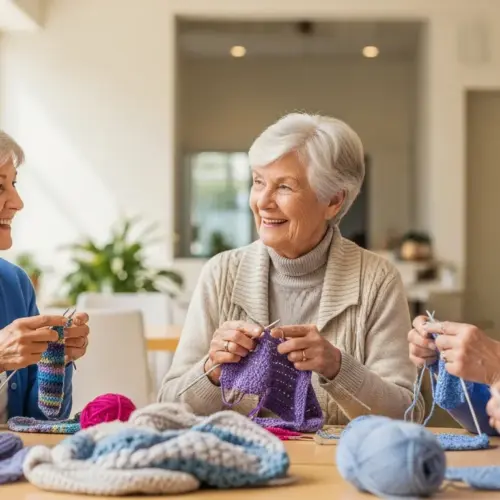

In today’s digital age, staying connected is more important than ever, especially for seniors. Many older adults are discovering the power of the internet and social media to combat loneliness and maintain active social lives. Senior social media groups offer a fantastic way to connect with like-minded individuals, share experiences, and build new friendships.
Navigating the online world can seem daunting at first, but with a little guidance, seniors can easily join vibrant online communities. These groups provide a safe and supportive environment for older adults to engage, learn, and have fun.
This article will explore the benefits of senior social media groups and how to find the right ones. We’ll also cover popular platforms, safety tips, and ways to make the most of your online social interactions, so read on to learn more.
Why Social Media is Important for Seniors
Social media offers numerous benefits for seniors, particularly in terms of social connection and mental well-being. It’s a powerful tool that can help combat social isolation, a common issue among older adults.
Staying connected with family and friends is easier than ever with platforms like Facebook and Instagram. Seniors can easily keep up with loved ones, share photos, and participate in conversations, regardless of geographical distance.
Beyond family connections, social media provides opportunities to form new friendships and join communities based on shared interests. This is especially beneficial for seniors who may have limited mobility or access to traditional social activities.
Engaging in online social groups can also boost cognitive function and mental stimulation. Participating in discussions, learning new things, and sharing knowledge can keep the mind active and engaged.
The ability to connect with others who share similar life experiences can be incredibly validating for seniors. Sharing stories and advice can foster a sense of belonging and mutual support.

Social media also allows seniors to stay informed about local events, news, and resources. Accessing information about senior centers, healthcare providers, and community programs can improve their quality of life.
Many seniors find that social media provides a platform to advocate for causes they care about. Sharing information and participating in online activism can empower them to make a difference in their communities.
Ultimately, social media can help seniors maintain a sense of purpose and engagement in the world around them. This can lead to increased happiness, reduced stress, and improved overall health.
Finding Senior-Specific Social Media Groups
Finding the right senior social media groups can significantly enhance the online experience. These groups cater specifically to the interests and needs of older adults, providing a comfortable and supportive environment.
Facebook groups seniors are a popular option, offering a wide range of communities focused on various hobbies, interests, and support topics. Searching for groups with keywords like “seniors,” “older adults,” or specific hobbies can yield relevant results.
Another avenue for finding online social groups seniors is through senior centers and community organizations. Many of these organizations host or promote online groups as part of their programming.
Websites and forums dedicated to senior living and retirement can also be valuable resources. These platforms often have sections dedicated to online communities, where seniors can connect and share information.
When searching for groups, it’s important to read the group’s description and rules to ensure it aligns with your interests and values. Look for groups that are actively moderated and have a positive, supportive atmosphere.
Don’t be afraid to try out a few different groups before settling on the ones that feel like the best fit. Each group has its own unique culture and dynamics, so it’s important to find one where you feel comfortable and welcome.
Consider joining groups that focus on specific topics you’re passionate about, such as gardening, book clubs, or travel. This will increase the likelihood of finding like-minded individuals and engaging in meaningful conversations.
Remember to be patient and persistent in your search. It may take some time to find the perfect group, but the effort will be well worth it when you discover a vibrant online community that enriches your life.
Popular Social Media Platforms for Older Adults
Several social media platforms are particularly popular among older adults due to their user-friendly interfaces and diverse features. Understanding these platforms can help seniors choose the best fit for their needs and preferences.
Facebook remains a dominant platform, offering a wide range of features, including groups, messaging, and photo sharing. Its familiarity and ease of use make it a popular choice for staying connected with family and friends.
| Platform | Key Features | Benefits for Seniors |
|---|---|---|
| Groups, messaging, photo sharing | Connect with family, join interest-based groups, easy to use | |
| Photo and video sharing | Visually engaging, follow interests, share life moments | |
| Short updates, news, discussions | Stay informed, engage in conversations, quick updates | |
| Messaging, voice and video calls | Easy communication with family and friends, free calls |
Instagram, with its focus on visual content, is another popular option for seniors who enjoy sharing photos and videos. It’s a great way to showcase hobbies, travels, and family moments.
Twitter can be a good choice for seniors who want to stay informed about current events and engage in brief, fast-paced conversations. Following news outlets and thought leaders can provide a constant stream of information.
WhatsApp is an excellent platform for staying in touch with family and friends through messaging, voice calls, and video calls. It’s particularly useful for international communication, as it offers free calls over Wi-Fi.
YouTube is also a valuable resource for seniors, offering a vast library of videos on a wide range of topics. From tutorials and documentaries to music and entertainment, there’s something for everyone on YouTube.
Social Media Safety and Privacy Tips
While social media offers many benefits, it’s essential to prioritize safety and privacy when engaging online. Seniors, in particular, should be aware of potential risks and take steps to protect their personal information.
One of the most important steps is to adjust privacy settings on all social media accounts. Limit who can see your posts, profile information, and friend list to trusted individuals only.
Be cautious about sharing personal information, such as your address, phone number, or financial details, online. Scammers often target seniors, so it’s crucial to be vigilant and avoid sharing sensitive data with unknown individuals.
It’s also wise to be wary of friend requests from strangers or suspicious profiles. Verify the identity of new contacts before accepting their requests, and report any suspicious activity to the platform.
Use strong, unique passwords for all of your online accounts. Avoid using easily guessable passwords, such as your birthday or pet’s name.
Be careful about clicking on links or downloading attachments from unknown sources. These could contain malware or viruses that can compromise your computer or steal your personal information.
Regularly update your computer’s operating system and antivirus software to protect against the latest security threats. These updates often include patches for newly discovered vulnerabilities.
If you’re unsure about something online, don’t hesitate to ask for help from a trusted friend, family member, or technology expert. It’s always better to be safe than sorry.
Engaging with Others in Online Groups
Once you’ve joined a senior social media group, it’s time to start engaging with other members and building connections. Participating actively in discussions and sharing your experiences can enhance your online social life.
Introduce yourself to the group and share a bit about your interests and hobbies. This can help you find like-minded individuals and spark conversations.
- Participate in discussions regularly
- Share your experiences and insights
- Be respectful of others’ opinions
- Offer support and encouragement
- Start your own topics of conversation
Remember to be respectful of others’ opinions and engage in constructive conversations. Online groups should be a safe and supportive space for all members.
Don’t be afraid to ask questions and seek advice from other members. Online groups can be a valuable source of information and support.
Share photos and videos of your hobbies, travels, and family moments. Visual content can be a great way to engage with others and spark conversations.
Participate in group events and activities, such as online book clubs, virtual game nights, or online workshops. These events can provide opportunities to connect with others and build friendships.
Be mindful of your online etiquette and avoid posting offensive or inappropriate content. Remember that everything you post online is public and can be seen by others.
Benefits of Social Media for Mental Well-being
The positive impact of social media on mental well-being, particularly for seniors, cannot be overstated. Staying connected and engaged online can provide a sense of purpose, reduce feelings of loneliness, and boost overall mood.
Social interaction, even online, can stimulate the release of endorphins, which have mood-boosting effects. Engaging in conversations, sharing experiences, and receiving support from others can contribute to a more positive outlook.
Social media can also provide a sense of belonging and community, which is especially important for seniors who may feel isolated. Joining groups based on shared interests can create opportunities for meaningful connections and friendships.
Moreover, social media can be a source of entertainment and mental stimulation, offering access to news, information, and engaging content. Learning new things and staying informed can help keep the mind active and engaged.
The ability to express oneself creatively through social media can also be beneficial for mental well-being. Sharing photos, videos, or writing can provide an outlet for emotions and ideas.
Receiving positive feedback and encouragement from others can boost self-esteem and confidence. Online communities can provide a supportive environment for seniors to share their talents and accomplishments.
Social media can also help seniors stay connected with their values and beliefs. Joining groups that advocate for causes they care about can provide a sense of purpose and meaning.
It’s important to remember that social media is just one tool for promoting mental well-being. It’s essential to maintain a balanced lifestyle that includes physical activity, healthy eating, and in-person social interaction.
Staying Connected With Family Through Social Media
One of the most cherished benefits of social media for seniors is the enhanced ability to stay connected with family members, regardless of distance. Platforms like Facebook and WhatsApp make it easier than ever to share life’s moments and maintain close relationships.
Seniors can easily view photos and videos of their grandchildren, participate in family discussions, and send personalized messages. These interactions help bridge the gap created by geographical separation and keep families connected on a daily basis.
Video calls, in particular, offer a more personal and engaging way to communicate with family members. Seeing and hearing loved ones can strengthen bonds and provide a sense of closeness that text-based communication cannot replicate.
Creating private family groups on social media platforms can also be a great way to share updates, plan events, and stay informed about each other’s lives. These groups provide a central hub for family communication and connection.
Social media can also facilitate the sharing of family history and memories. Seniors can share old photos and stories with younger generations, preserving family traditions and strengthening intergenerational bonds.
Platforms like Facebook allow seniors to easily organize and share family events, such as birthdays, anniversaries, and holidays. This can make it easier for family members to coordinate and participate in important celebrations.
Social media can also be a valuable tool for caregivers who are supporting elderly family members. Online groups and forums can provide a space to connect with other caregivers, share information, and seek support.
Ultimately, social media can help seniors maintain strong and meaningful relationships with their family members, enriching their lives and providing a sense of connection and belonging.
Exploring Hobbies and Interests Online
Social media provides seniors with a unique opportunity to explore and share their hobbies and interests with a wider audience. Online groups dedicated to specific hobbies offer a space to connect with like-minded individuals, learn new skills, and showcase creations.
Whether it’s gardening, knitting, painting, or photography, there’s likely a social media group dedicated to your passion. Joining these groups can provide inspiration, support, and a sense of community.
Seniors can share photos of their gardens, knitting projects, paintings, or photographs, receiving feedback and encouragement from fellow enthusiasts. This can boost confidence and provide a sense of accomplishment.
Many online hobby groups also offer tutorials, workshops, and online classes, allowing seniors to expand their knowledge and skills. Learning new techniques and engaging in creative activities can keep the mind active and stimulated.
Social media can also be a platform for seniors to sell their handmade crafts and artwork. Online marketplaces and groups provide a space to connect with potential buyers and generate income from their hobbies.
Joining online book clubs can provide seniors with an opportunity to discuss their favorite books and connect with other readers. These groups often host virtual meetings and discussions, fostering a sense of community and intellectual stimulation.
For seniors who enjoy travel, social media can be a valuable resource for planning trips and sharing travel experiences. Online groups and forums provide a space to connect with other travelers, share tips and recommendations, and find inspiration for future adventures.
Ultimately, social media can help seniors pursue their passions, learn new skills, and connect with others who share their interests, enriching their lives and providing a sense of purpose and fulfillment.
Learning New Skills and Staying Informed
Social media can be a valuable tool for seniors who want to continue learning and staying informed about current events. Platforms like Twitter and Facebook provide access to news articles, educational content, and informative discussions.
Following news organizations, experts, and educational institutions on social media can help seniors stay up-to-date on the latest developments in various fields. This can broaden their knowledge and keep them engaged with the world around them.
Many online groups also offer educational resources, such as webinars, online courses, and tutorials. Seniors can take advantage of these resources to learn new skills, explore new topics, and expand their horizons.
Participating in online discussions and sharing information can also help seniors stay mentally sharp and engaged. Engaging in intellectual activities can boost cognitive function and promote overall well-being.
Social media can also be a platform for seniors to share their knowledge and expertise with others. Contributing to online discussions and writing blog posts can provide a sense of purpose and contribution.
Following online tutorials and workshops can help seniors learn new technology skills, such as using smartphones, tablets, and computers. This can empower them to stay connected and engaged in the digital world.
Social media can also provide access to online libraries and archives, allowing seniors to explore historical documents, photographs, and other resources. This can be a valuable tool for genealogical research and historical learning.
Ultimately, social media can help seniors continue to learn and grow throughout their lives, staying informed, engaged, and mentally sharp.
Combating Loneliness and Isolation
Perhaps one of the most significant benefits of social media for seniors is its ability to combat loneliness and isolation. Connecting with others online can provide a sense of companionship, reduce feelings of isolation, and improve overall quality of life.
For seniors who may have limited mobility or live far from family and friends, social media can be a lifeline. Online groups and communities offer a space to connect with others who share similar interests and experiences.
Engaging in conversations, sharing stories, and offering support to others can create meaningful connections and reduce feelings of loneliness. Knowing that you’re not alone and that others care can make a big difference in your mental well-being.
Social media can also provide a sense of purpose and belonging, which can be especially important for seniors who may have retired or experienced other life changes. Participating in online communities can give you a sense of value and contribution.
Joining online support groups can provide seniors with a safe and supportive space to share their challenges and receive encouragement from others who understand what they’re going through. These groups can be particularly helpful for seniors who are dealing with health issues, grief, or other difficult life circumstances.
Social media can also facilitate the formation of online friendships. Connecting with others who share similar interests and values can lead to meaningful and lasting relationships.
Participating in online games and activities can provide seniors with a sense of fun and engagement. These activities can help to distract from feelings of loneliness and isolation.
Ultimately, social media can help seniors combat loneliness and isolation, providing a sense of connection, purpose, and belonging.
Conclusion
Senior social media groups offer a wealth of opportunities for older adults to connect, learn, and thrive in the digital age. By joining these communities, seniors can combat loneliness, stay connected with loved ones, and explore their interests.
Remember to prioritize safety and privacy when engaging online, and choose platforms and groups that align with your interests and needs. With a little guidance and caution, seniors can enjoy the many benefits of social media and enhance their overall well-being.
Encourage your senior friends and family members to explore the world of social media. Assist them in setting up accounts and navigating the platforms, empowering them to connect with others and enjoy the many benefits of the digital age.
The key is to approach social media with an open mind, a healthy dose of caution, and a willingness to learn and connect. Embrace the opportunities that these platforms offer, and enjoy the journey of discovery and connection.