Volunteering offers a unique opportunity for seniors to remain active and engaged in their communities. Giving back through volunteer work for seniors can provide a sense of purpose and fulfillment during retirement.
With numerous senior volunteer opportunities available, finding the right fit can lead to rewarding experiences. Retirement volunteering not only benefits the organizations and communities served, but also provides significant advantages for the volunteers themselves.
This article will guide you through the numerous benefits of volunteering and the types of volunteer work for seniors available. We will also cover how to find opportunities that match your interests and skills, and how to make a meaningful impact through senior community service.
Why Volunteering is Beneficial for Seniors
Volunteering is more than just a way to fill time; it’s a powerful tool for maintaining and improving overall well-being. For seniors, the benefits of volunteering extend to both physical and mental health, creating a fulfilling and active lifestyle.
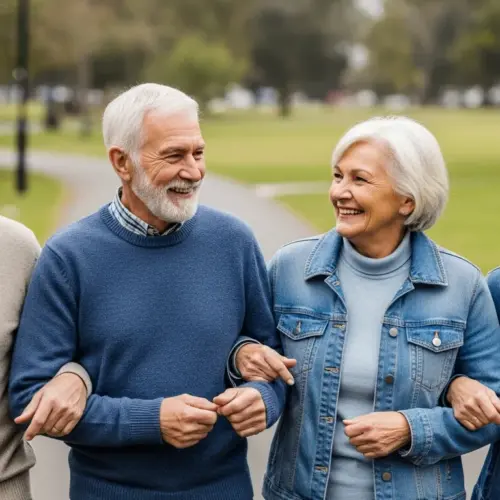
One of the primary advantages of volunteering is the opportunity to stay socially connected. Regular interaction with others can combat feelings of isolation and loneliness, which are common challenges during retirement.
Engaging in volunteer activities can provide a sense of purpose and accomplishment. Knowing that you are making a difference in someone else’s life can boost self-esteem and provide a renewed sense of value.
Volunteering can also help seniors maintain physical activity. Whether it’s helping at a local park, assisting at a food bank, or participating in community events, these activities promote movement and can improve physical health.
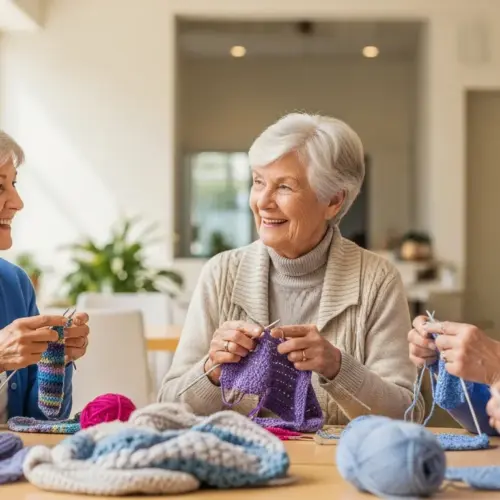
The social interaction gained through volunteering can lead to new friendships and a stronger support network. Sharing experiences and working towards a common goal fosters a sense of camaraderie among volunteers.
Many seniors find that volunteering provides a structure to their day, which can be particularly helpful after leaving the workforce. Having a regular commitment helps maintain a routine and provides a sense of normalcy.
Volunteering can also provide opportunities to learn new skills or utilize existing talents. Whether it’s using computer skills to help a non-profit or sharing your knowledge with others, volunteering can be a great way to stay mentally stimulated.
Beyond the individual benefits, volunteering contributes to the overall well-being of the community. Seniors bring a wealth of experience and knowledge to volunteer roles, making them valuable assets to any organization.
The feeling of making a tangible difference in the lives of others is incredibly rewarding. Knowing that your time and effort are contributing to a greater cause can bring a deep sense of satisfaction.
Volunteering can also help seniors stay connected to their communities and remain informed about local issues. This involvement can lead to a greater sense of belonging and civic engagement.
Furthermore, volunteering can be a great way to combat ageism and challenge negative stereotypes about older adults. By actively contributing to society, seniors demonstrate their continued value and capabilities.
Studies have shown that seniors who volunteer regularly tend to live longer and have a higher quality of life. The combination of social interaction, physical activity, and purposefulness contributes to overall well-being.
Volunteering can also provide a sense of continuity and connection to the past. Sharing stories and experiences with younger generations can help preserve history and foster intergenerational understanding.
The positive impact of volunteering extends beyond the individual and the community, contributing to a more compassionate and equitable society. By giving back, seniors help create a better world for future generations.
Types of Volunteer Opportunities for Older Adults
The range of volunteer opportunities available to older adults is vast and varied. From working with animals to mentoring children, there’s something for everyone interested in retirement volunteering.
Many seniors find fulfillment in volunteering at local hospitals or healthcare facilities. They can assist with administrative tasks, provide companionship to patients, or help with fundraising events.
Libraries and museums also offer excellent volunteer opportunities. Seniors can help with book sorting, leading tours, assisting with educational programs, or working in the archives.
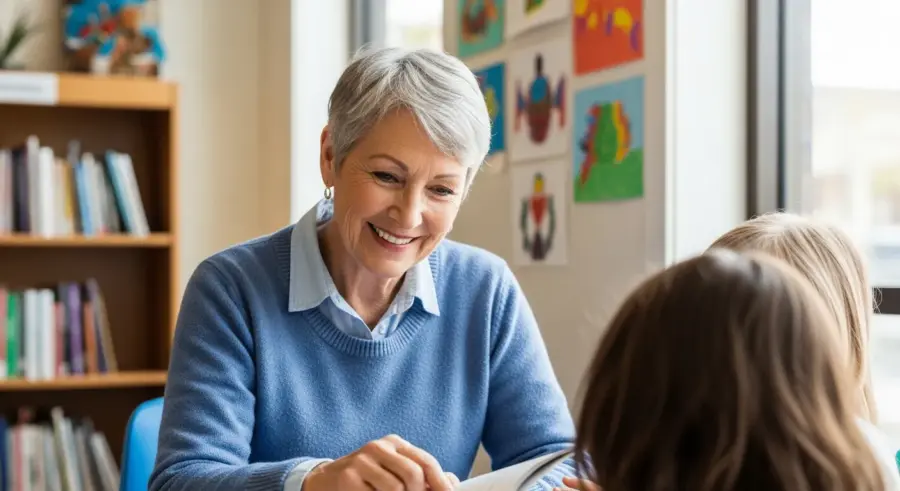
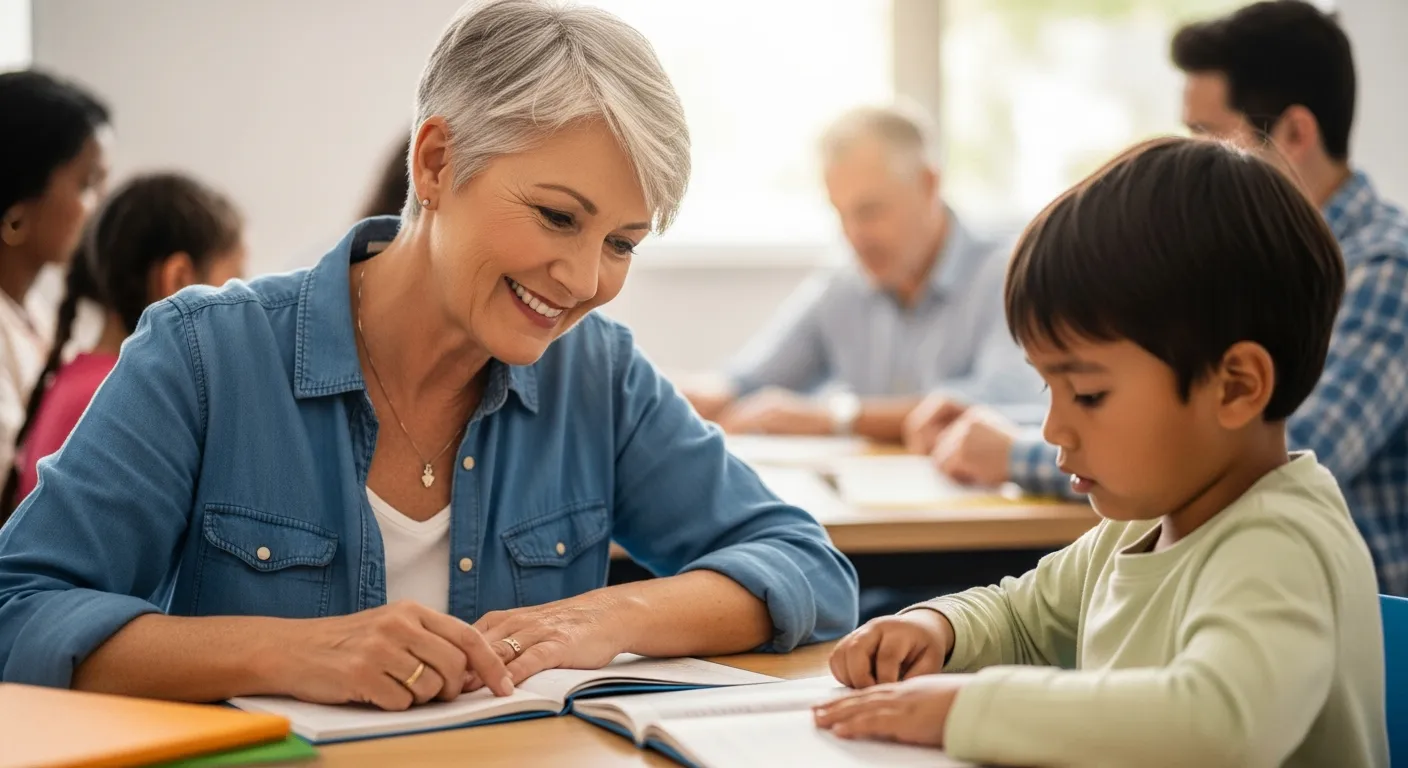
For those passionate about education, volunteering in schools can be incredibly rewarding. Seniors can tutor students, assist teachers in the classroom, or share their life experiences with young people.
Animal lovers can volunteer at animal shelters or rescue organizations. They can help with feeding, grooming, and walking animals, as well as assisting with adoption events.
Seniors with a green thumb can volunteer at community gardens or parks. They can help with planting, weeding, and maintaining green spaces, contributing to the beautification of their communities.
Those with administrative skills can volunteer at non-profit organizations, providing support with tasks such as data entry, phone calls, and correspondence. These skills are invaluable to organizations with limited resources.
Seniors with a knack for cooking can volunteer at food banks or soup kitchens. They can help with preparing and serving meals to those in need, ensuring that everyone has access to nutritious food.
Individuals with strong communication skills can volunteer as phone bank operators for political campaigns or charitable organizations. They can help raise awareness, solicit donations, and mobilize support for important causes.
Seniors with a passion for the arts can volunteer at theaters, concert halls, or art galleries. They can assist with ushering, ticket sales, or providing information to visitors, contributing to the cultural vibrancy of their communities.
Those with a background in business can volunteer as mentors for aspiring entrepreneurs. They can share their knowledge and experience, helping new businesses succeed and create jobs.
Seniors with technical skills can volunteer to teach computer classes or provide tech support to other seniors. This can help bridge the digital divide and empower older adults to stay connected in the digital age.
Individuals with a background in healthcare can volunteer at senior centers or assisted living facilities. They can provide companionship, assist with activities, or offer basic health screenings.
Seniors with a love of history can volunteer at historical societies or museums. They can help with research, archiving, or giving tours, preserving and sharing the stories of the past.
Those with a passion for social justice can volunteer with organizations that advocate for human rights or social change. They can participate in protests, write letters to elected officials, or raise awareness about important issues.
Finding Volunteer Opportunities That Suit Your Interests
Finding the right volunteer opportunity involves identifying your passions and skills. Consider what activities you enjoy and what talents you can offer to make a meaningful contribution.
Start by exploring local organizations and charities that align with your values. Research different causes to find one that resonates with you, whether it’s environmental protection, animal welfare, or social justice.
| Interest | Possible Volunteer Role | Example Organization |
|---|---|---|
| Animals | Animal shelter assistant | Local Humane Society |
| Education | Tutor or mentor | Boys & Girls Club |
| Healthcare | Hospital volunteer | Community Hospital |
| Environment | Park cleanup volunteer | National Parks Conservation Association |
| Arts and Culture | Museum docent | Local Art Museum |
Online platforms can also be valuable resources for finding senior volunteer opportunities. Websites like VolunteerMatch and Idealist allow you to search for opportunities based on location, interest, and skills.
Networking with friends, family, and community members can also lead to hidden volunteer gems. Sometimes, the best opportunities are found through word-of-mouth or personal connections.
Consider attending local volunteer fairs or community events. These events provide a chance to meet representatives from various organizations and learn about their volunteer needs firsthand.
Think about past experiences and hobbies that you enjoyed. Perhaps you were a teacher, an accountant, or a gardener. These skills can be valuable assets in a volunteer role.
Don’t be afraid to try something new and step outside of your comfort zone. Volunteering can be a great way to learn new skills and discover hidden talents.
Reflect on the amount of time you are willing to commit to volunteering. Some opportunities require a significant time commitment, while others are more flexible and allow you to volunteer on your own schedule.
Consider your physical abilities and limitations. Choose volunteer roles that are within your physical capabilities and that won’t put you at risk of injury.
Think about the type of environment you prefer. Do you enjoy working with children, animals, or adults? Do you prefer working indoors or outdoors?
Talk to current volunteers and ask about their experiences. This can provide valuable insights into the organization and the volunteer role.
Consider shadowing a volunteer to get a better sense of the day-to-day tasks and responsibilities. This can help you determine if the role is a good fit for you.
Don’t be discouraged if the first opportunity you try isn’t a perfect fit. Keep exploring and trying new things until you find a role that you truly enjoy.
Remember that volunteering should be a mutually beneficial experience. You should feel valued and appreciated for your contributions.
Be open to different types of volunteer opportunities. You may be surprised at the variety of ways you can make a difference in your community.
The Application Process for Senior Volunteers
The application process for volunteer roles varies depending on the organization. Some organizations may require a simple application form, while others might involve an interview and background check.
Start by reviewing the organization’s website or contacting their volunteer coordinator to understand their specific requirements. Prepare a resume highlighting your relevant skills and experiences to showcase your qualifications.
Be prepared to provide references who can speak to your character and abilities. Choose individuals who know you well and can attest to your reliability, work ethic, and commitment to helping others.
If an interview is required, dress professionally and arrive on time. Be ready to discuss your motivations for volunteering, your skills, and how you can contribute to the organization’s mission.
Fill out the application form carefully and accurately. Provide all the requested information and double-check for any errors or omissions.
If you are asked to submit a resume, tailor it to the specific volunteer role. Highlight the skills and experiences that are most relevant to the position.
When providing references, inform them that they may be contacted by the organization. Give them a brief overview of the volunteer role and your reasons for applying.
During the interview, be enthusiastic and engaged. Ask questions about the organization and the volunteer role to show your interest.
Be honest and transparent about your skills and limitations. It’s better to be upfront about what you can and cannot do than to overpromise and underdeliver.
If a background check is required, be prepared to provide the necessary information and consent. This is a standard procedure for many volunteer organizations, especially those working with vulnerable populations.
After the interview, send a thank-you note to the interviewer. This shows your appreciation for their time and reinforces your interest in the volunteer role.
Be patient and follow up with the organization if you haven’t heard back within a reasonable timeframe. This shows your continued interest and allows you to inquire about the status of your application.
If you are offered the volunteer role, carefully review the terms and conditions. Make sure you understand the expectations and responsibilities before accepting the position.
If you are not selected for the volunteer role, don’t be discouraged. There are many other opportunities available, and you can always reapply in the future.
Remember that the application process is a two-way street. It’s an opportunity for you to learn about the organization and for the organization to learn about you.
Making a Difference Through Volunteering
Volunteering provides a tangible way to impact your community positively. Whether you’re assisting at a food bank, mentoring a child, or cleaning up a local park, your efforts can make a real difference.
Consider the specific needs of your community and how your skills can address those needs. By focusing on areas where you can have the greatest impact, you can maximize the benefits of your volunteer work for seniors.
- Tutor struggling students
- Help at a local food bank
- Visit lonely seniors in nursing homes
- Clean up community parks and gardens
- Offer administrative support to charities
Remember that even small acts of kindness can have a ripple effect. Your dedication and compassion can inspire others to get involved and create a more caring and supportive community.
Celebrate your contributions and recognize the positive changes you’re helping to create. Acknowledge the impact you’re making, and take pride in your role as a senior community service volunteer.
Volunteering can help bridge gaps in services and resources within your community. Non-profit organizations often rely on volunteers to provide essential services that would otherwise be unavailable.
By volunteering, you can empower individuals and communities to overcome challenges and achieve their goals. Your support can help people access education, healthcare, and other essential resources.
Volunteering can also promote social inclusion and reduce disparities. By working with diverse groups of people, you can help break down barriers and foster understanding.
Your volunteer work can inspire others to get involved and make a difference. By sharing your experiences and encouraging others to volunteer, you can create a culture of giving back.
Volunteering can help strengthen the fabric of your community. By working together towards common goals, you can build stronger relationships and create a more cohesive society.
Your contributions can help create a more sustainable and resilient community. By volunteering for environmental organizations, you can help protect natural resources and promote sustainable practices.
Volunteering can help improve the quality of life for all members of your community. By addressing social, economic, and environmental challenges, you can create a more vibrant and thriving society.
Your volunteer work can help create a more just and equitable society. By advocating for human rights and social justice, you can help ensure that everyone has the opportunity to reach their full potential.
Volunteering can help create a more peaceful and harmonious world. By promoting understanding and cooperation, you can help build bridges between cultures and reduce conflict.
Remember that every volunteer contribution, no matter how small, can make a difference. Your time, skills, and compassion are valuable assets that can help create a better world.
Benefits of Volunteering on Mental and Physical Health
The advantages of volunteering extend far beyond the community benefits. Engaging in volunteer work for seniors has a profound impact on mental and physical health, contributing to a higher quality of life.
Volunteering can reduce stress and improve mood by providing a sense of purpose and accomplishment. Helping others releases endorphins, which have mood-boosting effects and can alleviate symptoms of depression and anxiety.
Staying active through volunteering can improve physical health. Regular physical activity, such as gardening, walking, or assisting at community events, can reduce the risk of chronic diseases like heart disease and diabetes.
Volunteering can also enhance cognitive function and memory. Engaging in mentally stimulating activities can help keep the brain sharp and reduce the risk of cognitive decline as you age.
The social interaction involved in volunteering can combat loneliness and isolation, which are major risk factors for depression and other mental health problems. Connecting with others can improve your sense of belonging and well-being.
Volunteering can boost self-esteem and confidence. Knowing that you are making a positive impact on others can increase your sense of self-worth and value.
Volunteering can provide a sense of structure and routine, which can be particularly helpful after retirement. Having a regular commitment can help maintain a sense of normalcy and purpose.
Volunteering can help you develop new skills and interests. Learning new things can keep your mind active and engaged, and can also open up new opportunities for personal growth.
Volunteering can provide a sense of connection to your community. Feeling like you are part of something bigger than yourself can increase your sense of belonging and purpose.
Volunteering can help you cope with grief and loss. Helping others can provide a sense of meaning and purpose during difficult times.
Volunteering can improve your overall sense of well-being. The combination of physical activity, social interaction, and purposefulness can contribute to a happier and healthier life.
Studies have shown that volunteers tend to have lower blood pressure and a reduced risk of heart disease. The stress-reducing effects of volunteering can have a positive impact on cardiovascular health.
Volunteering can also improve your sleep quality. Regular physical activity and reduced stress can contribute to better sleep patterns.
Volunteering can help you maintain a positive outlook on life. Focusing on the needs of others can help you appreciate what you have and stay grateful.
Ultimately, volunteering is a win-win situation. You benefit by improving your mental and physical health, and the community benefits from your contributions.
Overcoming Challenges in Senior Volunteering
While volunteering is generally a positive experience, seniors may encounter certain challenges. Physical limitations, transportation issues, and time constraints can sometimes make it difficult to participate.
Communicate openly with the organization about any limitations you may have. Many organizations are willing to make accommodations to ensure that seniors can participate comfortably and safely.
Explore volunteer opportunities that match your physical abilities and energy levels. Consider roles that involve less physical exertion or that can be performed from home, such as phone banking or online tutoring.
If transportation is an issue, look for volunteer opportunities within walking distance or accessible by public transportation. Alternatively, consider carpooling with other volunteers or asking for assistance from family members or friends.
Address any concerns about time commitment by choosing roles that fit your schedule. Many organizations offer flexible volunteer hours or short-term assignments.
If you have concerns about your skills or abilities, consider taking a training course or workshop. Many organizations offer training programs to help volunteers develop the necessary skills.
Don’t be afraid to ask for help or support from other volunteers or staff members. Most organizations have a team of people who are dedicated to supporting volunteers.
If you are feeling overwhelmed or stressed, take a break from volunteering. It’s important to prioritize your own well-being and avoid burnout.
Consider volunteering with a friend or family member. This can provide additional support and make the experience more enjoyable.
If you are having difficulty finding a volunteer opportunity that is a good fit, seek guidance from a volunteer center or community organization. They can help you identify opportunities that match your interests and skills.
Remember that it’s okay to say no to a volunteer opportunity if it’s not a good fit for you. It’s important to choose roles that you are passionate about and that you can commit to.
If you are experiencing ageism or discrimination, speak up and report it to the organization. All volunteers should be treated with respect and dignity.
Be patient and persistent in your search for the right volunteer opportunity. It may take some time to find a role that is a good fit for you.
Focus on the positive aspects of volunteering and the impact you are making. This can help you stay motivated and engaged, even when faced with challenges.
Celebrate your successes and acknowledge the contributions you are making. Your time and effort are valuable, and you deserve to be recognized for your service.
Tips for Staying Safe While Volunteering
Safety should always be a top priority when volunteering, especially for seniors. Take precautions to protect yourself from injury and ensure a positive and secure experience.
Always inform someone of your volunteer schedule and location. Carry a cell phone with you and keep it charged in case of emergencies. Don’t hesitate to ask for help if you feel unsafe or uncomfortable.
When performing physical tasks, use proper techniques to avoid strains and injuries. Wear appropriate clothing and footwear, and take breaks when needed to prevent fatigue.
Be aware of your surroundings and avoid volunteering in unsafe areas or situations. Trust your instincts and remove yourself from any situation that feels risky or uncomfortable.
If you are volunteering in someone’s home, make sure you have met them beforehand and feel comfortable with them. If possible, bring a friend or family member with you.
If you are handling money or valuables, follow the organization’s procedures carefully. Keep accurate records and report any discrepancies immediately.
If you are driving for volunteer purposes, make sure your vehicle is in good condition and that you have adequate insurance coverage. Obey all traffic laws and avoid driving when you are tired or distracted.
If you are working with children or vulnerable adults, follow the organization’s guidelines for interacting with them. Never be alone with a child or vulnerable adult without another adult present.
If you are volunteering outdoors, protect yourself from the sun and heat. Wear sunscreen, a hat, and sunglasses, and drink plenty of water.
If you are volunteering in a public place, be aware of your belongings and avoid carrying large amounts of cash. Keep your valuables in a safe place and avoid displaying them unnecessarily.
If you are feeling ill, stay home and rest. Don’t volunteer if you are contagious or if you are not feeling well enough to perform your duties safely.
If you are taking medications, make sure you have enough to last you through your volunteer shift. Take your medications as prescribed and inform the organization of any potential side effects.
If you have any allergies, inform the organization of your allergies and any necessary precautions. Carry an epinephrine auto-injector (EpiPen) if you are at risk of anaphylaxis.
If you are injured while volunteering, seek medical attention immediately. Report the injury to the organization and follow their procedures for filing an incident report.
Remember that your safety is your responsibility. Take precautions to protect yourself and ensure a positive and secure volunteer experience.
Examples of Successful Senior Volunteer Programs
Numerous successful senior volunteer programs demonstrate the positive impact of retirement volunteering. These programs offer a variety of opportunities for seniors to give back and stay connected in their communities.
RSVP (Retired and Senior Volunteer Program) connects seniors with volunteer opportunities in their local communities. This national program offers a wide range of options, from tutoring children to assisting at food banks, and helps seniors find meaningful ways to contribute.
Senior Corps Foster Grandparent Program pairs seniors with children who need extra support. Volunteers serve as mentors and role models, helping children develop academic and social skills while providing valuable companionship.
The AARP Foundation Experience Corps engages seniors in literacy programs to help young children improve their reading skills. Volunteers work in schools and community centers, providing one-on-one tutoring and support to students in need.
Senior Planet offers technology training and support to older adults. Volunteers help seniors learn how to use computers, smartphones, and other digital devices, empowering them to stay connected and engaged in the digital age.
The Shepherd’s Centers of America provide a variety of programs and services for seniors, including volunteer opportunities. Volunteers help with transportation, meal delivery, and other essential services, enabling seniors to live independently and maintain their quality of life.
The National Senior Games Association promotes healthy aging through sports and fitness activities. Volunteers help with organizing and running the Senior Games, providing opportunities for seniors to compete and stay active.
SCORE (Service Corps of Retired Executives) provides free business mentoring and advice to entrepreneurs and small business owners. Volunteers share their expertise and experience, helping new businesses succeed and create jobs.
The American Red Cross relies heavily on volunteers to provide disaster relief and other essential services. Seniors can volunteer to help with blood drives, emergency shelters, and other critical programs.
Habitat for Humanity engages volunteers in building affordable housing for low-income families. Seniors can volunteer to help with construction, fundraising, and other activities, contributing to the creation of safe and decent homes.
Meals on Wheels delivers nutritious meals to homebound seniors. Volunteers help with meal preparation and delivery, ensuring that seniors have access to healthy food and social interaction.
The Alzheimer’s Association provides support and resources to individuals and families affected by Alzheimer’s disease. Seniors can volunteer to help with fundraising, advocacy, and support groups.
The National Park Service engages volunteers in preserving and protecting national parks and historic sites. Seniors can volunteer to help with trail maintenance, visitor services, and educational programs.
The United Way connects volunteers with local non-profit organizations. Seniors can volunteer to help with a wide range of programs and services, addressing critical needs in their communities.
These are just a few examples of the many successful senior volunteer programs available. By exploring these and other opportunities, seniors can find meaningful ways to give back and make a difference in their communities.
Conclusion
Engaging in senior volunteer opportunities is a rewarding and beneficial way for older adults to stay active, connected, and fulfilled during retirement. The advantages extend far beyond the community benefits, positively impacting mental and physical health.
By finding volunteer work for seniors that aligns with your interests and skills, you can make a meaningful difference in the lives of others and enhance your own well-being. Embrace the opportunity to give back through retirement volunteering and experience the joy of senior community service.
The key is to find an opportunity that sparks your passion and allows you to utilize your unique talents. There’s a volunteer role out there for everyone, regardless of their skills or experience.
Don’t be afraid to explore different options and try new things. Volunteering is a journey of discovery, and you may be surprised at what you learn about yourself and your community.
Remember that your contributions are valuable and appreciated. Every hour you volunteer makes a difference in the lives of others and helps create a stronger, more vibrant community.